

 (Image Source: Warner Bros. Pictures)
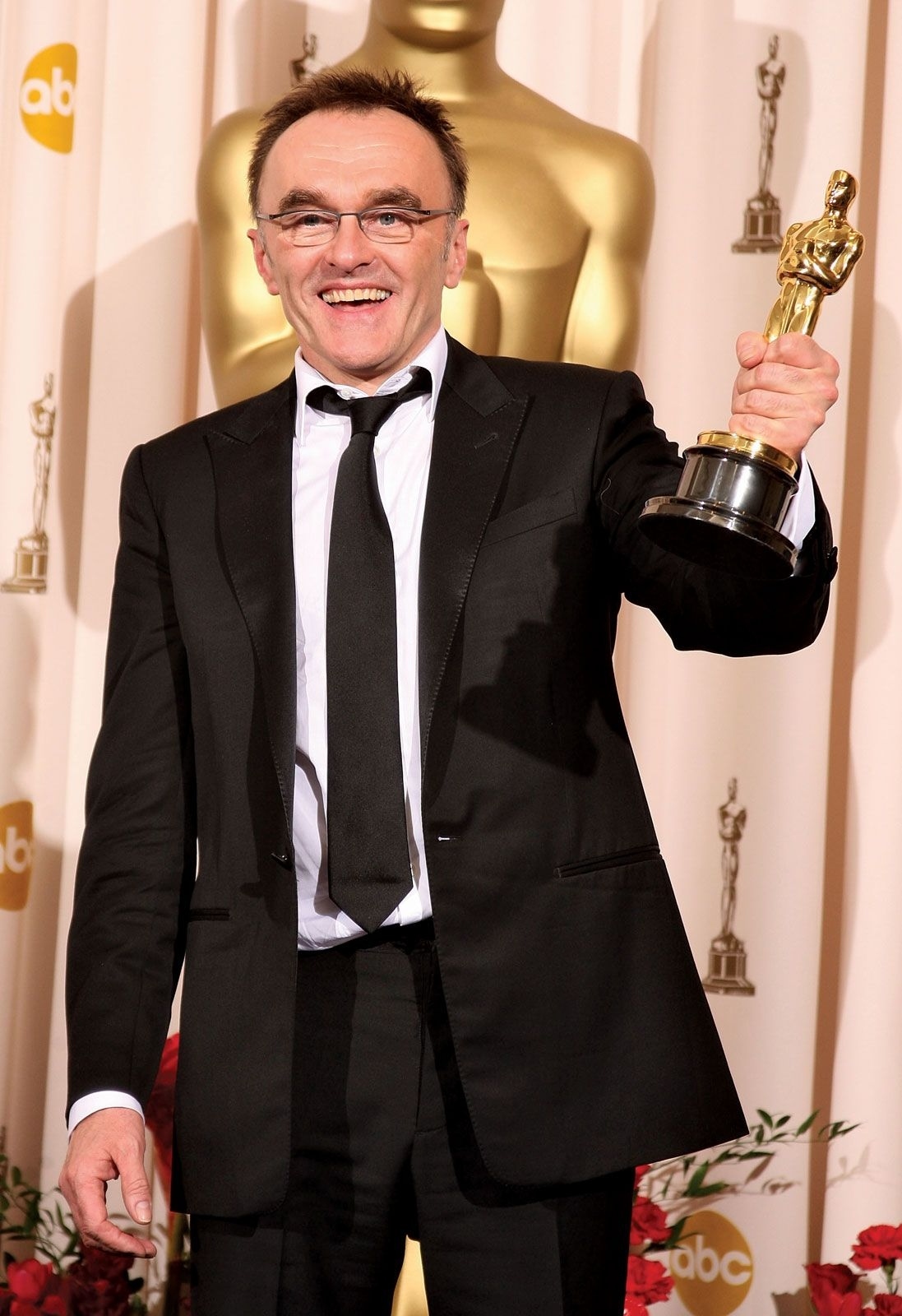
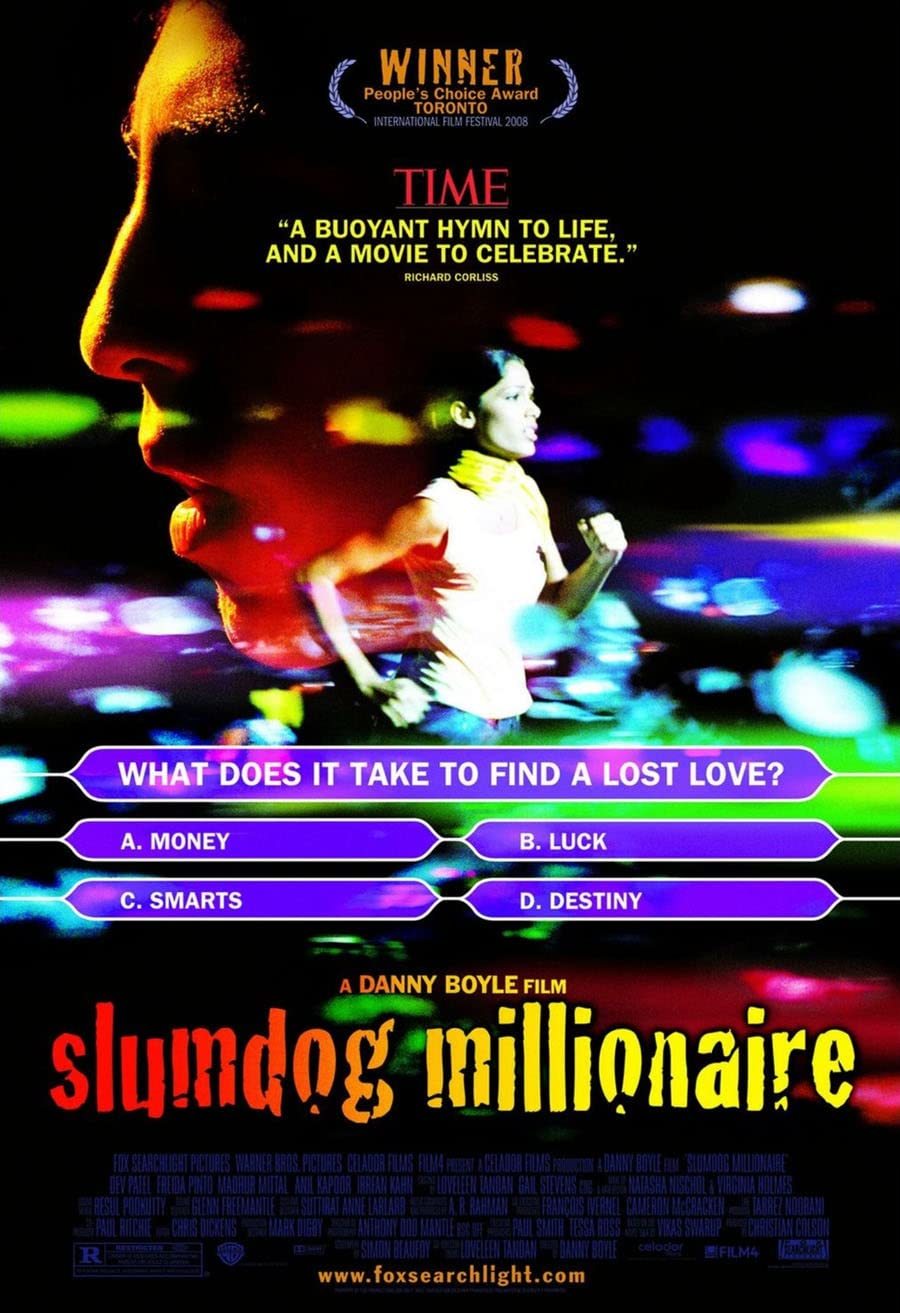
Fifteen years after his "Slumdog Millionaire" swept the Oscars, earning Best Picture, Best Director, and grossing over $370 million worldwide, "Trainspotting" director Danny Boyle now believes the film would be impossible to make today. Speaking with "The Guardian" to promote his upcoming film "28 Years Later," Boyle reflected on the contemporary relevance of his acclaimed work.
(Image Source: Pinterest)
Boyle suggested that filming Indian subject matter from a British perspective constitutes a form of cultural appropriation. He stated in the interview that the film "absolutely couldn't be made now, and rightly so." He added that it's time to reflect on the entire process, to "look at the cultural baggage we carry and the imprint we leave on the world." Boyle also pondered if it was, in some ways, a form of colonialism, saying, "No, it's not colonialism, but then, you could say everything is colonialism."
 (Image Source: Warner Bros. Pictures)
Boyle elaborated, "At the time, it felt quite radical. We decided to send just a few people to Mumbai and work with a huge Indian crew, trying to make a film that integrated into the local culture. But you're still an outsider; it's still a flawed approach." He acknowledged that such cultural appropriation might be acceptable in some eras but not others. "I mean, I'm proud of what the film achieved, but in today's age, you wouldn't even consider doing something like that. It wouldn't even find funding. Even if I were involved in the production, I would seek out a young Indian filmmaker to direct it."
Despite Boyle's reservations about making "Slumdog Millionaire" today, a newly established production company, Bridge7, acquired the sequel and television rights to the film last year from co-producer Celador. The company plans to develop new projects based on the property, though their successful realization remains to be seen.
via: The Guardian