

Microsoft's aggressive push into a multi-platform strategy in recent years has sparked concerns about the future of Xbox hardware. Recently, Laura Fryer, a former founding member of the Xbox team and veteran developer, publicly stated her belief that Xbox's console business is "dead," questioning whether Microsoft's current approach signals a gradual exit from its own hardware market.
Fryer was an early core member of Microsoft Game Studios, involved in the production of titles like "Gears of War," and later held positions at Warner Games and Epic Games. She recently released a new video on her YouTube channel, expressing strong concerns about Microsoft's direction for Xbox.
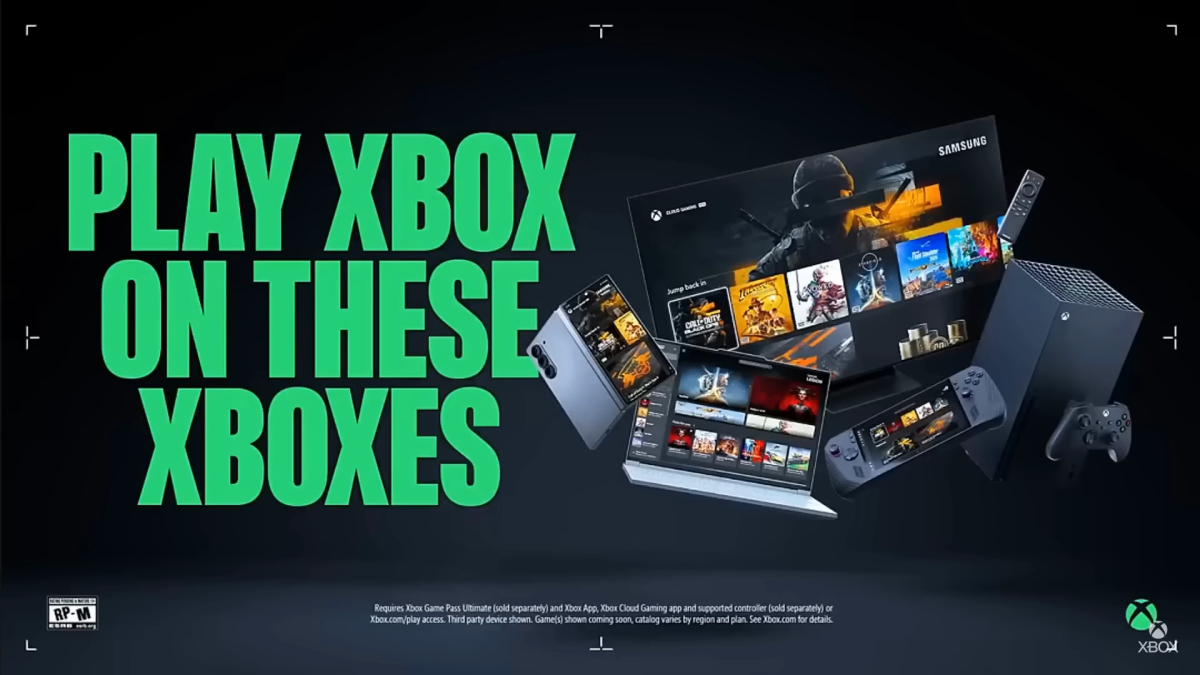
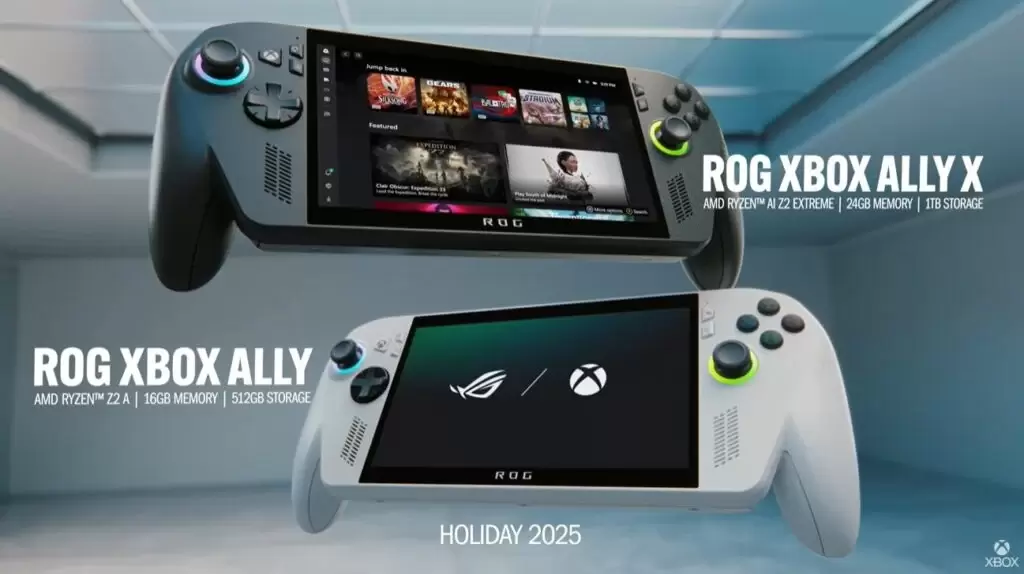
She pointed to Microsoft's recent collaborations with various manufacturers, including ASUS's ROG Ally handheld gaming PC, Meta's Quest 3S Xbox special edition, and a multi-year technology agreement with AMD, all of which suggest that Microsoft appears to be gradually withdrawing from traditional console development.
"I'm not happy to see the Xbox I helped found end up this way," Fryer stated. "It looks like they no longer have the will, or perhaps even the ability, to make their own hardware."
"I personally believe Xbox hardware is dead. The current direction is simply to guide players towards the Game Pass service."
Fryer further criticized the ROG Ally handheld, calling it merely a re-skinned Windows handheld PC that lacks sufficient appeal for players. She also questioned whether Xbox still possesses the capability to create the next generation of classic games. "This isn't what fans truly want. It's all just empty marketing slogans with no real substance," she asserted.
"While 'The Elder Scrolls IV: Oblivion' was a massive success, those achievements stem from an era when Xbox still knew how to make games. Where are their new titles now?" She also mentioned that while "Clockwork Revolution" caught her eye, she remains skeptical if it's enough to sustain the brand's momentum, asking, "Will anyone still care about Xbox in 25 years?"
Despite her concerns, Fryer believes 2026 will be a critical year to watch. She noted that next year marks Xbox's 25th anniversary, expecting significant announcements that might offer some clues about its future direction.
Microsoft, while promising a next-generation console to succeed the Series X/S, has also hinted that future hardware might lean towards cross-platform, handheld, and PC integration. Xbox President Sarah Bond stated that the team is working closely with Windows to make it "the number one gaming platform globally" and to create a vision where "you can play what you want, with whom you want, wherever you want."