

 (Image: Warner Bros. Pictures)
(This article contains spoilers. Read at your own risk.)
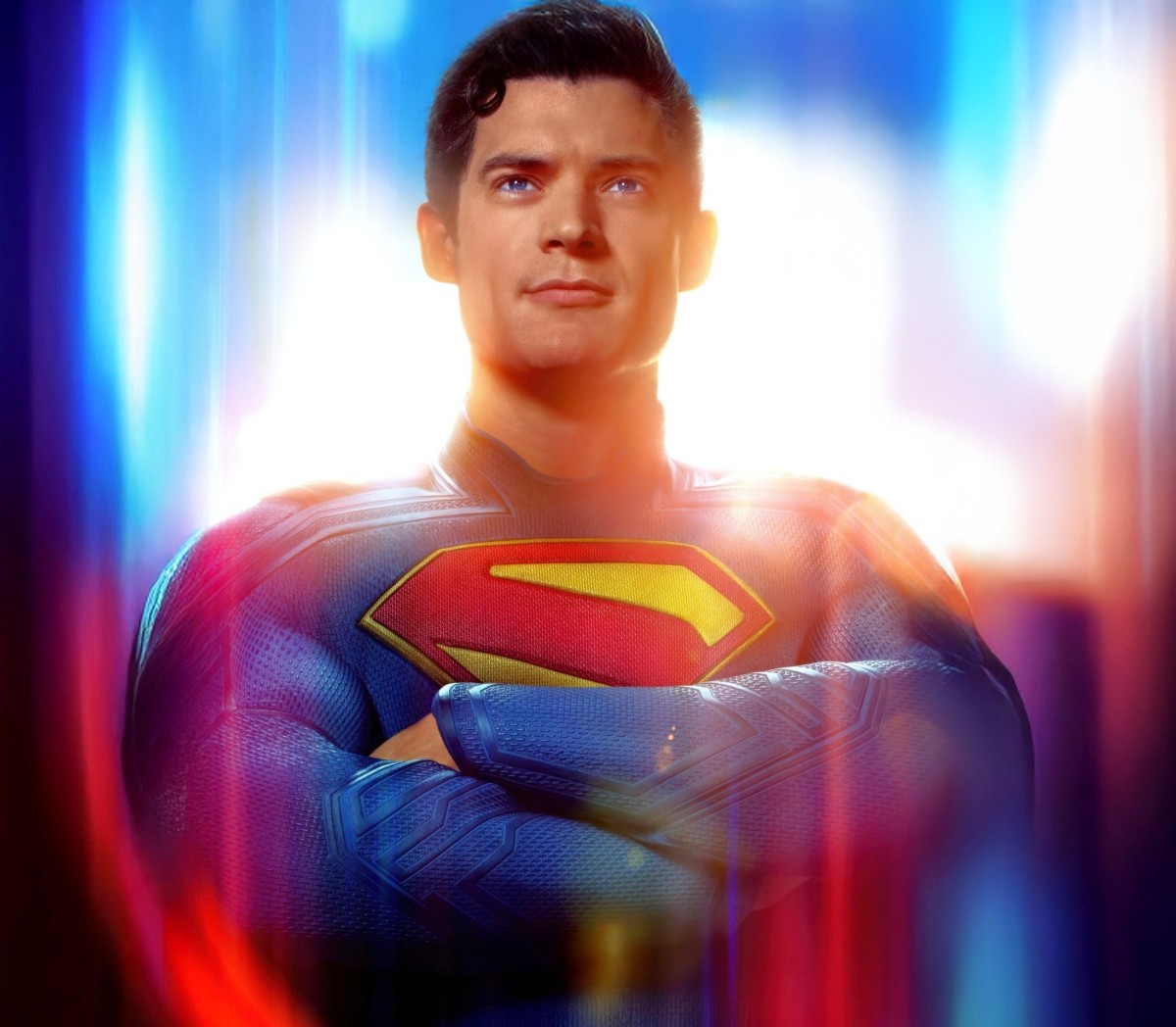
When James Gunn took the helm at DC Studios, one of the most striking things he said was his vow to break the superhero genre out of its formulaic rut. He argued that "superhero" shouldn't be a genre in itself, nor should it just be a mash-up with other genres (like the heist-film style of "Ant-Man" or the military-thriller vibe of "Captain America: The Winter Soldier"). Instead, it was time to treat the "superhero" subject matter as a genre of its own and interpret it in its purest form, rather than making a film that merely wears the skin of another genre. In many ways, Gunn has immediately delivered on this promise with "Superman." While not a complete realization, it comes incredibly close.
"Superman" is structured and approached like a classic biopic. Some might argue that biopics aren't a genre, as the subject's life can dictate the story's type (e.g., a robber or a spy), but many biopics share unique, common traits—and "Superman" has them. This film belongs to the "snapshot" biopic category, like "Spencer" or "Darkest Hour," which focus on a single, pivotal period in a person's life to distill the very essence that defines them.
(Image: Warner Bros. Pictures)
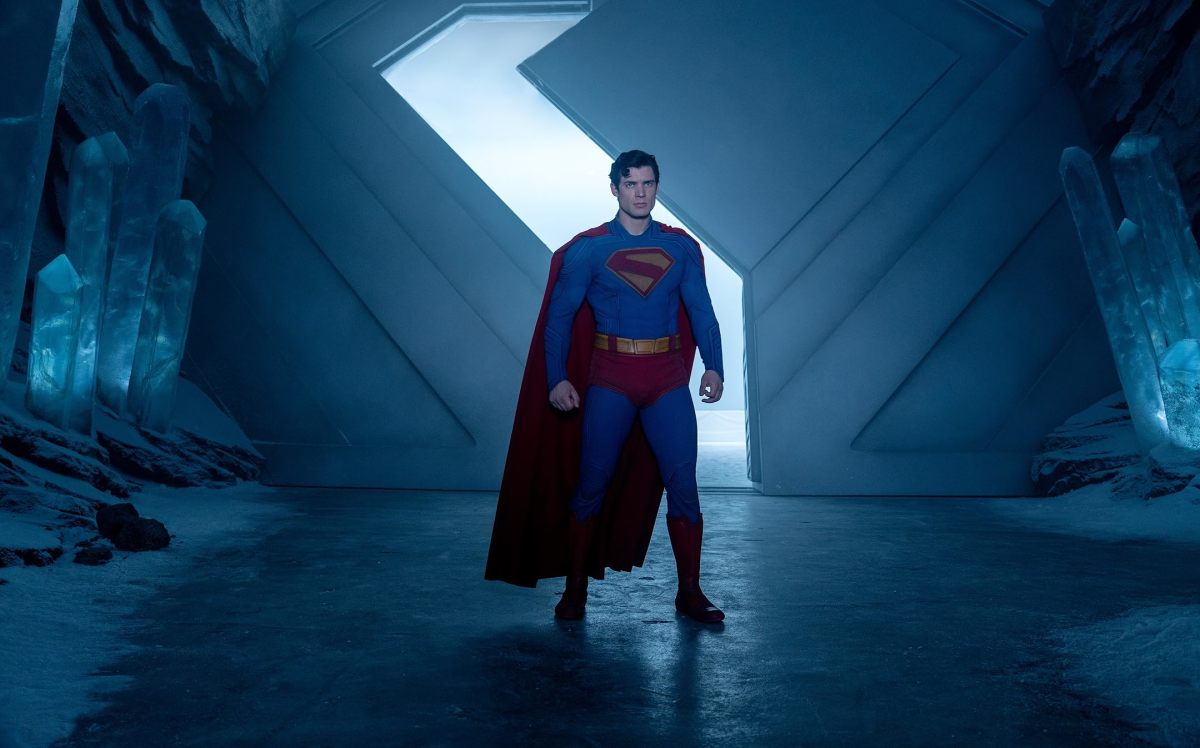
This approach is particularly effective because, as the foundational entry of a new cinematic universe (though technically "Creature Commandos" came first, "Superman" carries far more significance), it refreshingly avoids being an origin story. While skipping the origin isn't new—Tim Burton's "Batman," Bryan Singer's "Superman Returns," and Matt Reeves' "The Batman" all started with established heroes—"Superman" uses this non-origin entry point to explore the character's essence on a much deeper level than any of those films. It delves even deeper than the revered 1978 "Superman" or its fellow universe-starter, "Man of Steel."
James Gunn could only take this path thanks to the evolution of pop culture, which has progressed to a point where such an experiment is possible. In other words, if "Superman" hadn't been rebooted so many times (including TV series), if the character hadn't accumulated such a rich history in the comics, and if audiences weren't already familiar with his basic origin, Gunn's approach would have been impossible. But audiences are ready now. They can enter this film carrying decades of "Superman" history and emotional weight, much like how the fame of certain biopic subjects allows filmmakers to skip the backstory and dive right into a specific chapter of their lives without fear of confusing the audience.
 (Image: Warner Bros. Pictures)
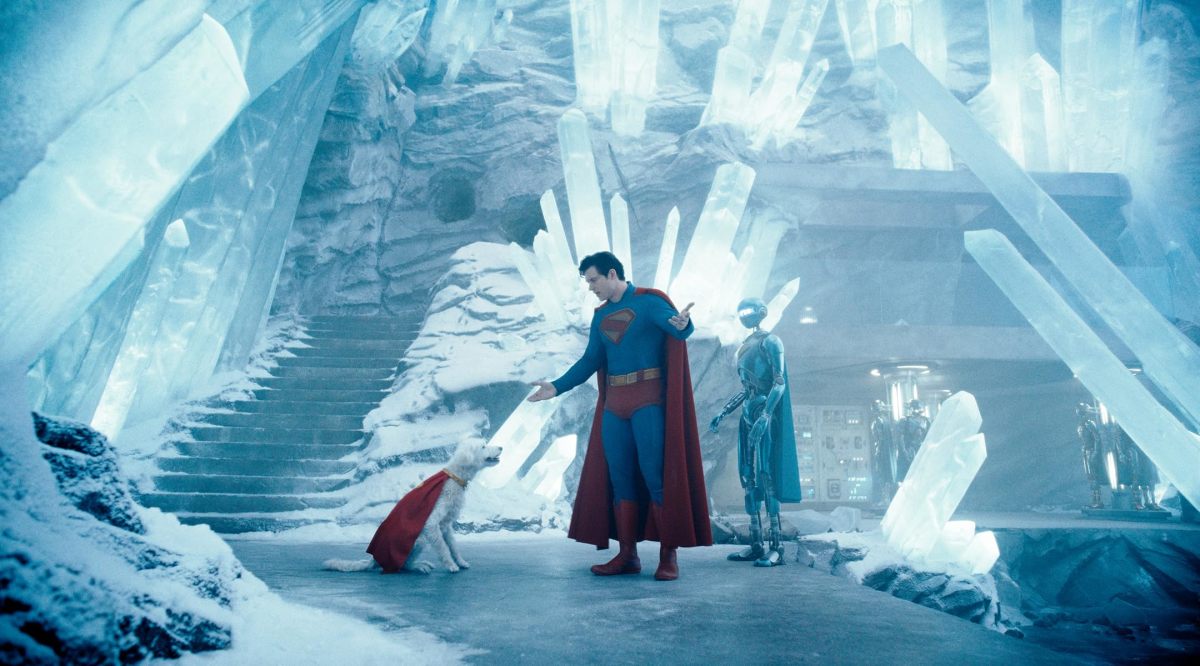
This also aligns with Gunn's stated goal of incorporating the best of Superman's entire history. So not only do you finally see Krypto in a live-action film, hear John Williams' theme reprised, and witness the return of the Christopher Reeve-era opening titles, but even obscure lore like the hypnotic glasses makes an appearance. More importantly, Gunn ensures the entire film relentlessly probes Superman's core: Why does he always believe in humanity? Beyond being a Boy Scout with an identity crisis, does he have more relatable, human anxieties and imperfections?
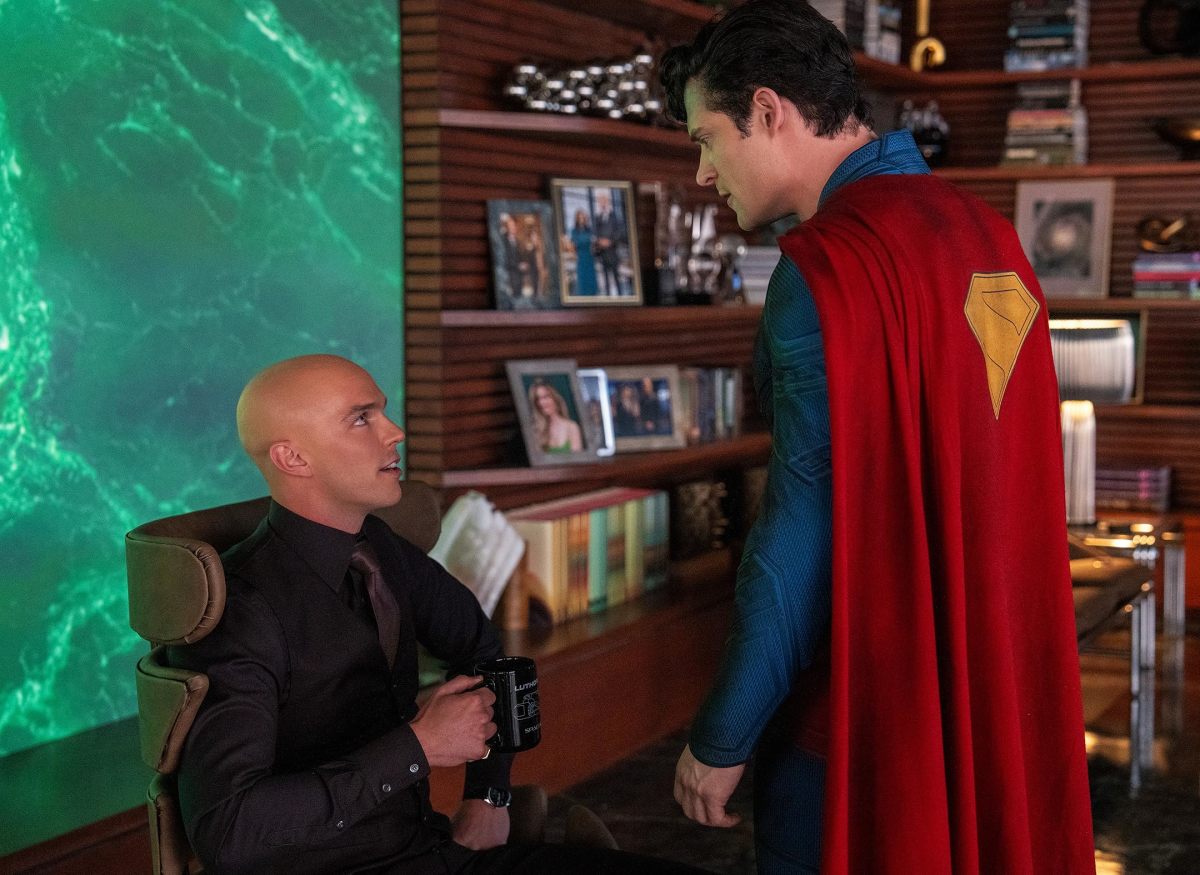
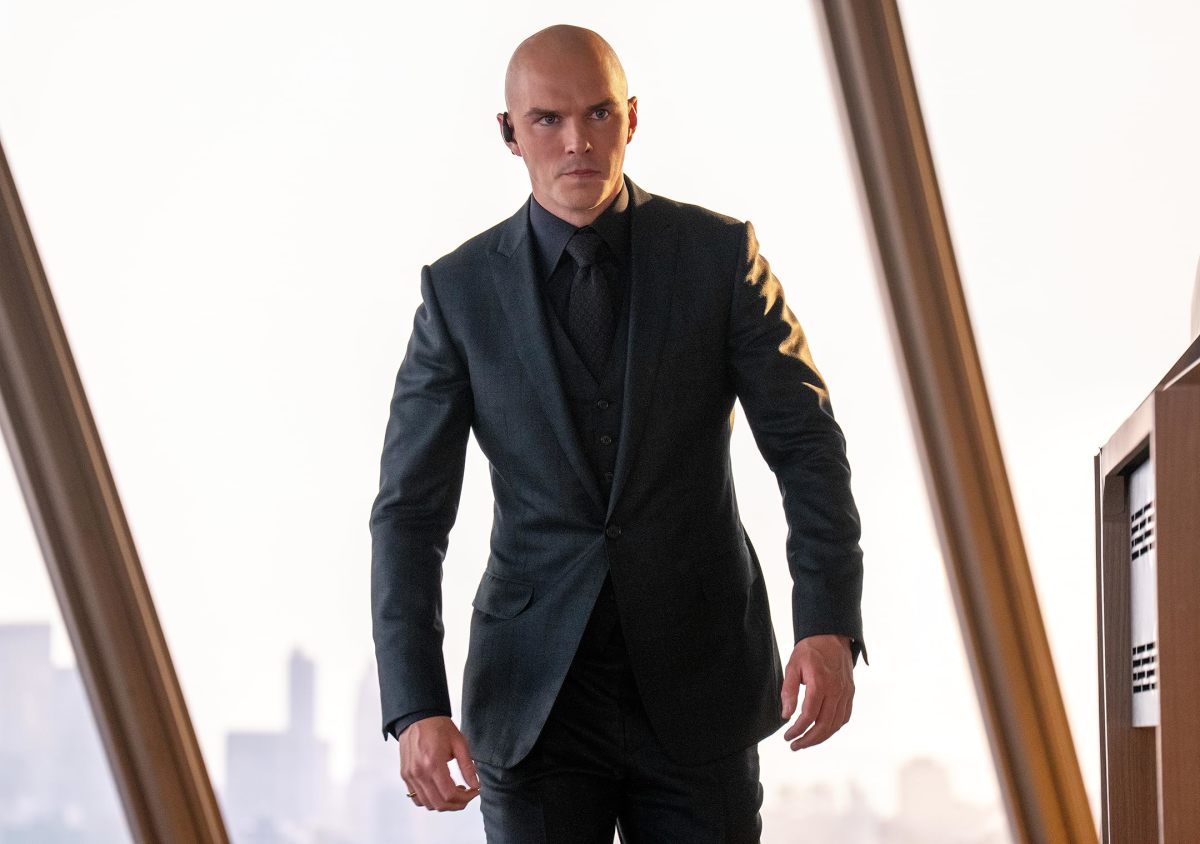
The two most important relationships in the film also cut straight to this core. Lex Luthor's hatred for Superman feels like a definitive summary of this classic rivalry, unflinchingly highlighting how Luthor's jealousy fuels his grandiose, lifelong mission to destroy his nemesis. Luthor's intellect and obsession are portrayed with a satisfying intensity that feels like it has reached its peak in this film. When Nicholas Hoult delivers a gut-wrenching confession of his envy, you completely understand the deep-seated obsession driving him to maintain a balance of power and identity.
 (Image: Warner Bros. Pictures)
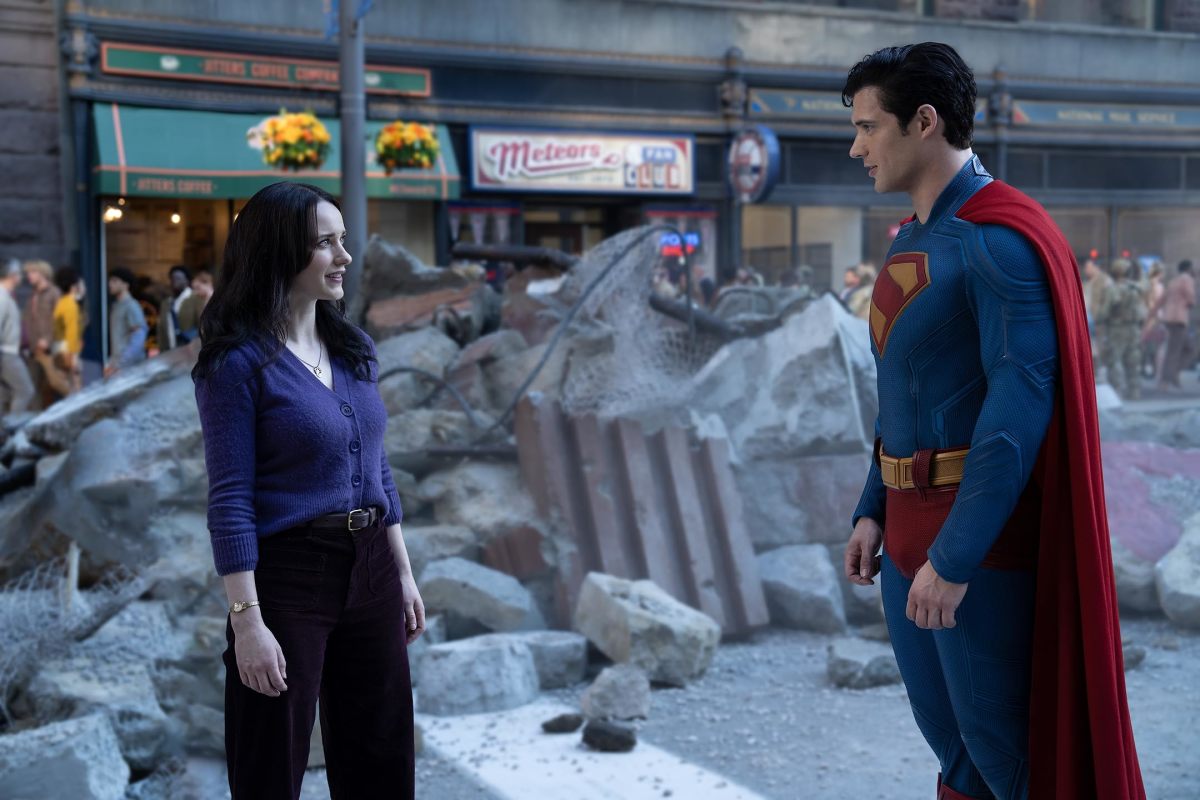
Superman's other key relationship—his romance with Lois Lane—is, without a doubt, the best live-action interpretation to date. Setting aside the character writing for a moment, the chemistry between David Corenswet and Rachel Brosnahan alone is powerful enough to eclipse several of their predecessors, not to mention how distant and devoid of intimacy the Amy Adams and Henry Cavill pairing felt. This version of Lois is a true character, not an accessory fulfilling the "superhero needs a girlfriend" trope or a plot device handed boring investigative tasks. She actively challenges her partner's values, expresses doubts about their relationship, and is baffled by his trusting nature. This is a Lois Lane to truly root for.
Because this film feels like a culmination of Superman's entire history, Gunn manages to cover thematic ground in two hours that Zack Snyder struggled to touch in three films (without needing a director's cut). What is Superman's purpose on Earth? Check. Superman being questioned for intervening in foreign conflicts? Check. Superman being framed and discredited by Luthor? Check. Superman rising again to become a symbol of hope? Check. Gunn not only incorporates all these themes but weaves them together beautifully and cohesively, digging deeper and creating a far more resonant story.
(Image: Warner Bros. Pictures)
In Snyder's version, these weighty themes were handled in a cold and rigid manner. He seemed to believe that a few montages of Superman pulling a ship, saving people from disasters, and posing in pretentious religious compositions, all while Henry Cavill wore a permanent scowl, was enough to create a profound epic. In reality, those superficial techniques failed to ignite the narrative engine behind these ideas; the story never truly got moving. In Gunn's version, Superman is similarly targeted by Luthor, condemned on talk shows, and revered by suffering people in other nations. Both versions have similar scenes, but Snyder's felt lifeless. Yet, in Gunn's film, when I saw a child fearlessly raise a handmade Superman flag in the face of an oppressive military, I was moved to tears. The emotional groundwork Gunn carefully laid throughout the film paid off precisely in that moment, making me feel the profound impact of Superman's quiet inspiration. Now *that* is how you tell a story.
At the same time, Gunn uses "Superman" to establish an excellent blueprint for the overall tone of his DC Universe. On the surface, this is a world where superhumans have long been known to exist. It's like picking up a comic book series mid-run or diving into an animated universe; you aren't forced to re-watch the origin story every time. You just jump in at a specific point. But Gunn chose this entry point carefully. From the expression on General Rick Flag Sr.'s face at the end, you can tell the events of "Superman" will fundamentally change how humanity views superhumans, triggering a cascade of consequences. It may not be an origin story in the traditional sense, but it is one in a thematic sense.
 (Image: Warner Bros. Pictures)
I wouldn't say Gunn's method of launching a universe is flawless. For many viewers, the approach might feel abrupt and take some getting used to. The pacing is breakneck and the sheer volume of information can be a lot to digest. But this is a film from James Gunn, a master of ensemble storytelling, and he doesn't drop the ball. He keeps a firm grip on what matters, preventing the film's many colorful elements from spinning out of control. In the hands of another director, this movie could have easily disintegrated into a disjointed mess or become a bloated slog that the studio would have demanded be cut to pieces. Yet Gunn miraculously ties everything together, hitting the story's core beats with maximum efficiency. Even when he's juggling a dozen things at once, his command of multiple narrative threads puts most Hollywood directors to shame.
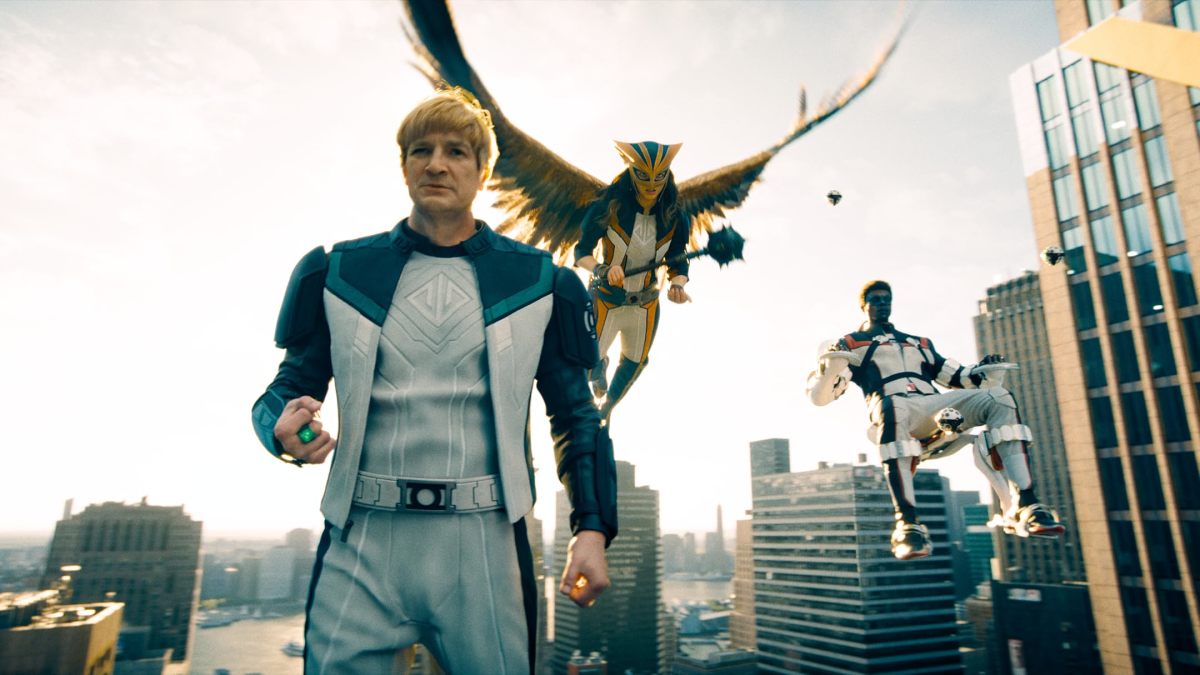
The fact that a film this packed with elements didn't fall apart is also a testament to Gunn's fundamentally sound approach to narrative. He has repeatedly told audiences concerned about the large cast that the number of characters is typical for any movie, and their functions are no different from standard main and supporting roles. You can feel that philosophy at work. If this were a romantic comedy, The Authority would be the protagonist's quirky colleagues at a magazine, the Daily Planet staff would be her best friends she meets for drinks after work, and Luthor would be her devilish boss or workplace rival.
 (Image: Warner Bros. Pictures)
By writing with this logic, Gunn ensures each character's function is perfectly highlighted. You don't need to give them complex backstories or growth arcs; they just need to have distinct personalities. As long as the clashes between those personalities are interesting, the drama will naturally emerge. This is where films like "Black Adam," "Batman v Superman: Dawn of Justice," and even "Justice League" (in any version) failed. They were caught in the dilemma of wanting to give every supporting character an arc but lacking the time to do so. Gunn sidesteps this trap entirely, focusing only on whether a character is interesting, likable, and memorable.
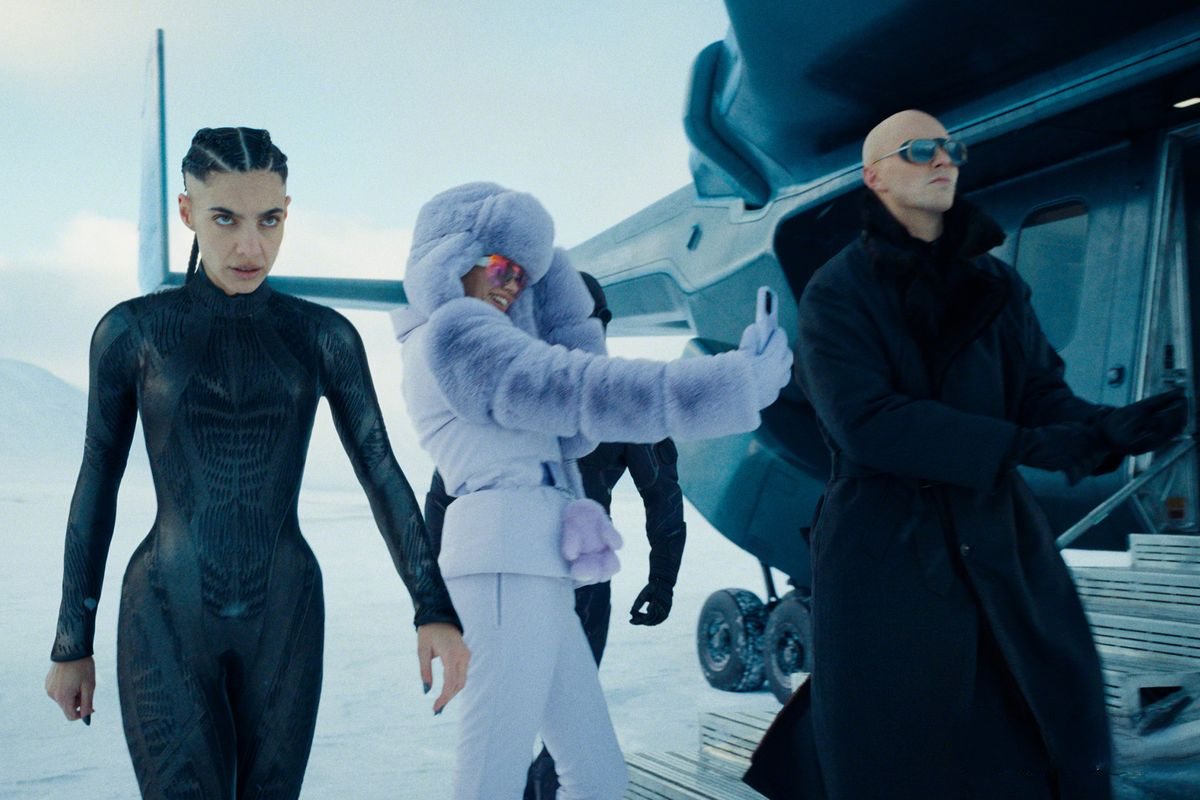
As a result, even if you leave the theater knowing very little about The Authority's origins, you'll absolutely remember their distinct personalities, cool powers, and hilarious banter—and you'll like them for it. Even Supergirl's post-credits cameo is a carefully placed callback to an earlier setup, serving as a great punchline. In just a few seconds, the audience gets a quick sketch of her personality; she isn't just there as a pretty face teasing the next movie. Every supporting character's screen time is used effectively to flesh out Superman's "social circle," with each appearance serving a clear and concise purpose. There is no wasted motion.
(Image: Warner Bros. Pictures)
It's safe to say this is the most "ultimate" "Superman" movie audiences could hope for right now. And, as I mentioned earlier, it's a "Superman" movie that could only have been made in this era. The protagonist is Superman, and the theme is the value of kindness. It's all so old-fashioned, yet so timely. In an age filled with cynicism, Superman—both in the film and in the real world—has been relentlessly attacked by haters. How to respond has become the heaviest burden for both the character and for Gunn himself. This incredibly meta, immersive experience both brings back Superman's original sunny, innocent, and virtuous nature while also pushing him through an unprecedented trial. Superman just wants to do good, and Gunn just wants to make a proper "Superman" movie, but too many people want to twist their motives. To hold onto that last shred of goodness in the most cynical of worlds is what makes Superman shine brightest, and Gunn has successfully brought that light out to illuminate and warm us all once again. Simply trying to do a good deed is becoming harder and harder, but the difficulty only makes that simple act all the more precious.
Using rebellion to highlight Superman's integrity also proves to be a stroke of genius. Showing Clark Kent's taste in music and watching him argue that he listens to punk rock to prove he's down-to-earth and human reveals an endearing side to his wholesomeness. The vision to portray him this way already surpasses every previous "Superman" film. For a superhero who is notoriously difficult to humanize, Gunn pulls it off with a few of his signature soundtrack choices. When "Punkrocker" by Teddybears and Iggy Pop kicks in at the end, accompanied by the image of Superman's joyous smile, the emotional punch is just as powerful as "Dog Days Are Over" at the end of "Guardians of the Galaxy Vol. 3." When old-fashioned kindness becomes a belief held by only a few, continuing to believe in it is, in fact, the most rebellious and punk rock thing you can do. The DCEU can rest in peace. The DCU is now in the right hands.
If there's one thing to be truly dissatisfied with, it might be the aesthetics. I understand Gunn was aiming for the bright color palette, exaggerated compositions, and mechanical lines of a comic book, but it feels like he went a bit too far. The cinematography often looks too much like television, the machine designs are so simple they border on crude, and the lighting is so bright it loses all sense of depth, at times becoming a flat, dead white. Whatever DC film he directs next, I hope he corrects this in time.