

James Gunn's upcoming film, "Superman," is quietly reintroducing a term that will send a jolt of recognition through longtime DC Comics fans: the "Pocket Universe."
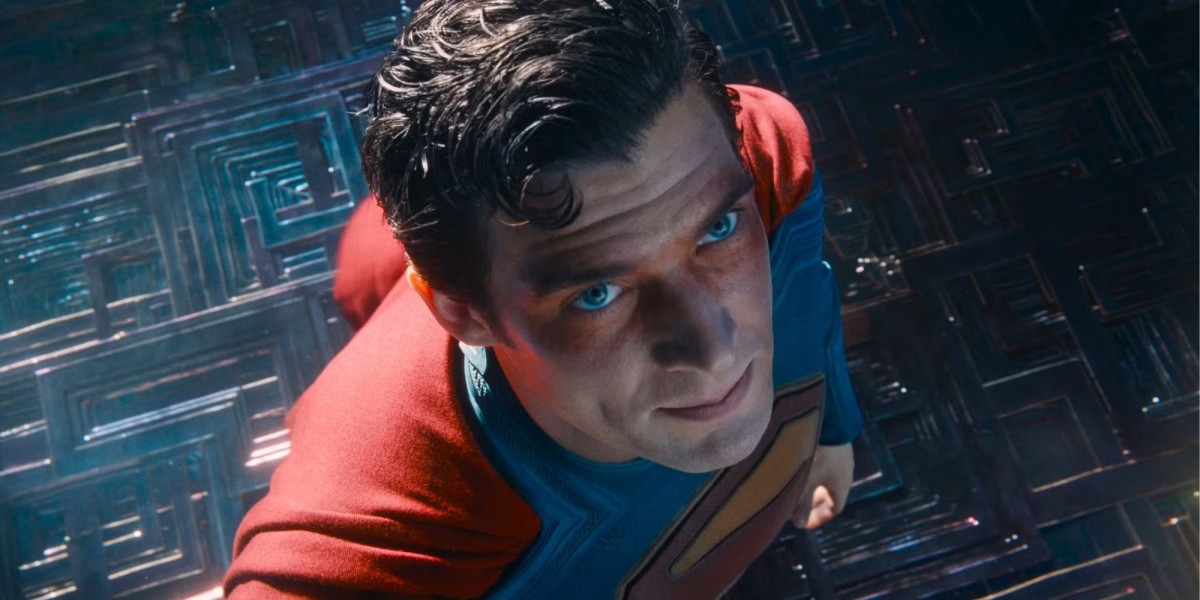
(Warning: The following contains spoilers for the plot of "Superman.")
In the film, this "Pocket Universe" is an artificial dimension crafted by Lex Luthor to imprison Superman, Krypto, and Metamorpho. However, when Lois Lane and Mister Terrific mount a rescue mission, they inadvertently destabilize the dimension. This causes the contained space to collapse, triggering a black hole crisis that threatens not just Metropolis, but the entire planet.
This setup not only creates dramatic tension but also plants a crucial seed for the future: could the Pocket Universe become a foundational element of the new DCU?
While the path forward remains unclear, now is the perfect time to look back at this mysterious space that, while appearing only occasionally in DC lore, has always played a pivotal role at critical moments. So, what exactly is a "Pocket Universe"?
What Is a Pocket Universe?
A "Pocket Universe," as the name implies, is a small, self-contained cosmos that exists as its own independent space—like shrinking an entire world down and putting it in your pocket.
In simple terms, think of it as a "mini-universe" separate from the main universe and its linear history. The term even appears in inflationary cosmology as a "bubble universe," referring to an isolated region created during cosmic expansion. But in the world of comics, it's primarily a narrative device—akin to the "pocket dimensions" common in science fiction, used to contain additional stories without disrupting the main plotline.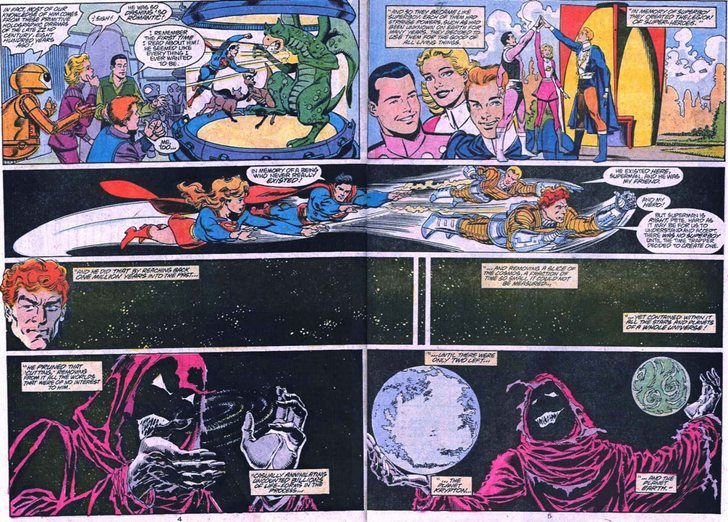
For example, a pocket universe might consist of only a few planets and operate under artificial laws, often created and maintained by a powerful supervillain. It can be accessed through plot-specific means like time travel or dimensional rifts. For newcomers, here's an analogy: if the Multiverse is a vast library of books, with each book representing a different world, then a Pocket Universe is an illustrated insert tucked inside one of those books—a "pocket-sized cosmos" embedded within the main story.
The Pocket Universe in DC: Origins and Key Examples
The most famous appearance of the Pocket Universe in DC Comics was in the 1986–1987 "Legion of Super-Heroes" storyline. At the time, writers like Paul Levitz created it to resolve continuity issues stemming from the 1985 universe-altering event, "Crisis on Infinite Earths." The villainous Time Trapper was revealed to be its master.
In the story, the Time Trapper secretly "sliced off a piece of time" to cultivate a new mini-universe containing an Earth and a Krypton. It also featured a replica of the "Earth-Two" Kal-El—the original Superboy. In other words, this Pocket Universe's young Superman had the same identity and powers as the pre-"Crisis" version, just living in a separate, miniature world.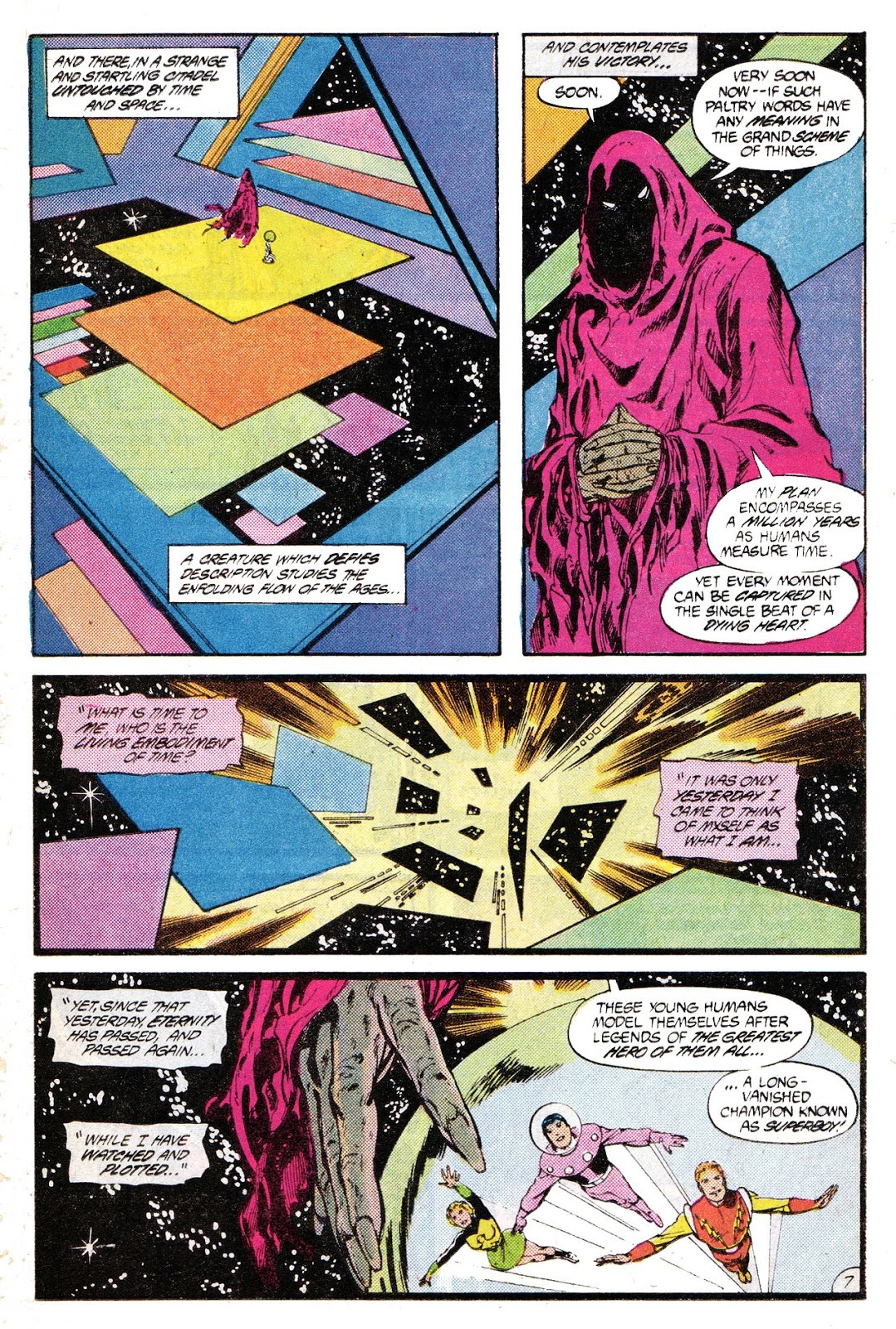
The Time Trapper's goal was to redirect the Legion of Super-Heroes' time travel trips into this Pocket Universe, ensuring the Superboy they always encountered was this isolated version.
A classic storyline from this era saw Superboy make the ultimate sacrifice. When heroes like Batman crossed over to confront him, Superboy saved his world by using his own body as an insulator to absorb a residual energy wave from the original "Crisis on Infinite Earths," successfully sending the heroes back to their time and protecting his small universe.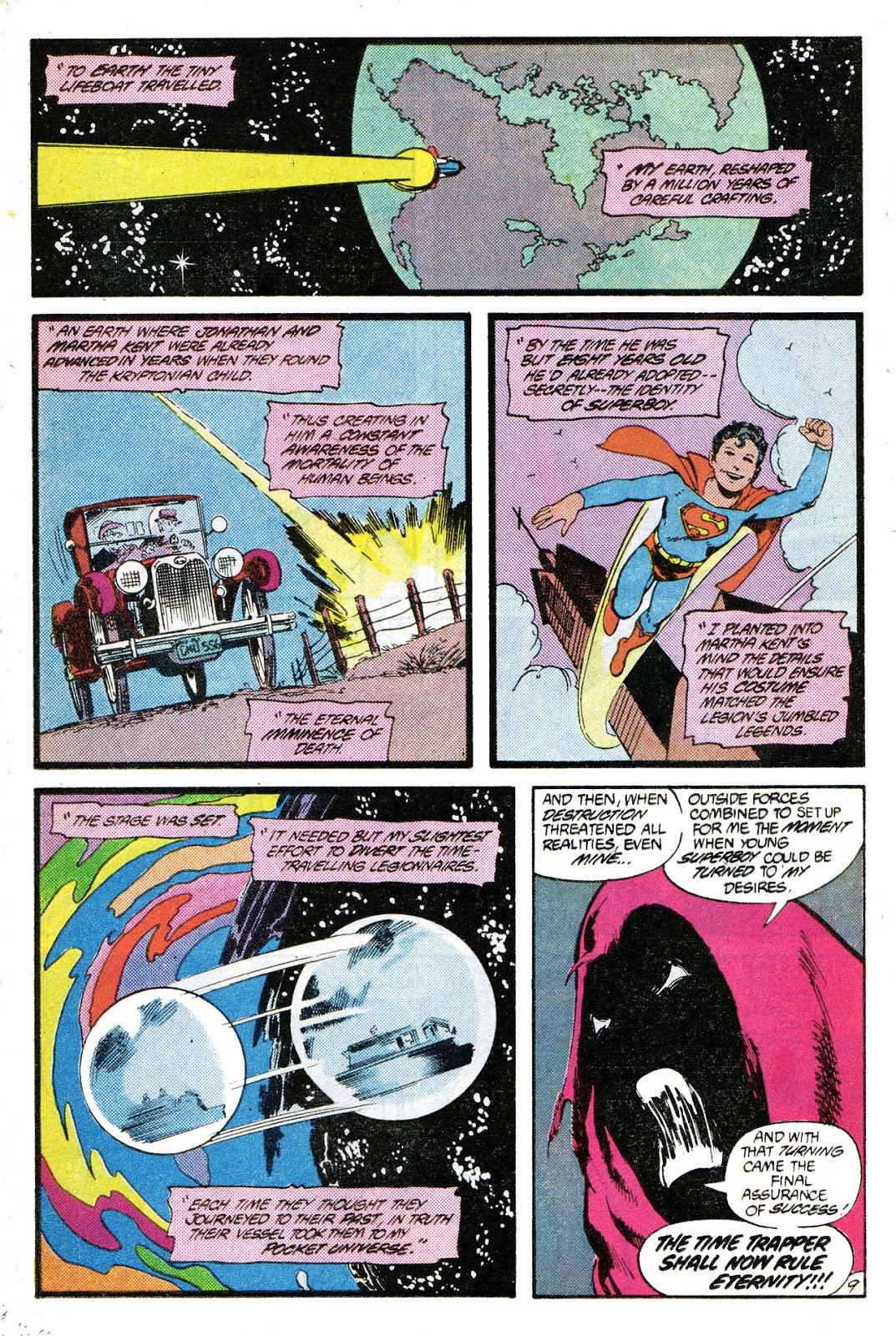
This moment cemented how the Pocket Universe worked as a continuity fix: Superboy's death was real and not erased by a time loop, preserving the history of past and future stories. Everything that happened in the Pocket Universe—including his sacrifice—was a real event in the DC cosmology, but it was contained within that independent world.
The concept also appeared in other stories, such as in 1988's "Superman Vol 2" #16, where Lex Luthor "created" the protoplasmic being Matrix (who later became Supergirl) within a pocket universe. However, the definitive Pocket Universe storyline remains intrinsically linked to Superboy and the Time Trapper, marking DC's first major "continuity patch" after its massive reboot.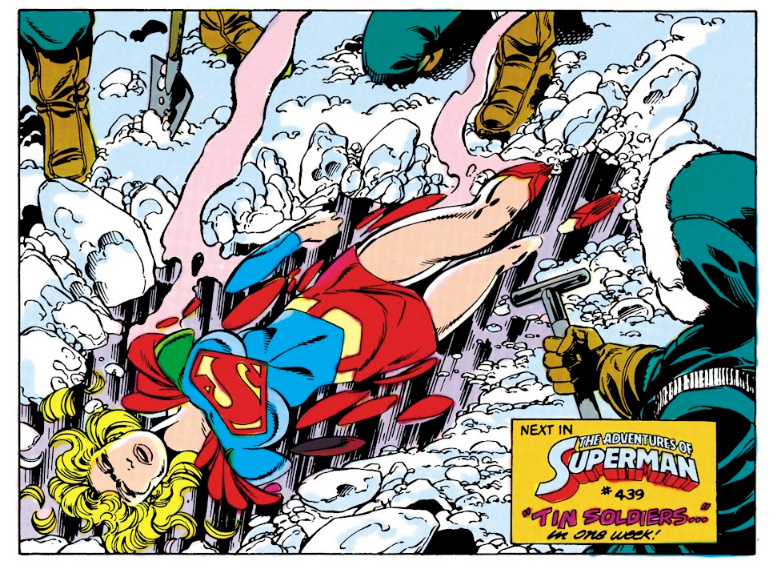
How It Differs from the Multiverse and Parallel Earths
The Pocket Universe is often compared to the Multiverse and parallel worlds, but they differ fundamentally in scale and nature. The DC Multiverse is a vast structure composed of numerous parallel universes.
Think of the Multiverse as a bookshelf filled with thick volumes: each "world" is complete with its own physical laws and history, existing alongside others while still allowing for interaction. In this framework, parallel worlds like Earth-1 and Earth-2 are major components of the Multiverse. They are grand in scale, with histories that can overlap or diverge, but they are essentially part of the same cosmic system.
▼ The known map of the DC Comics Multiverse
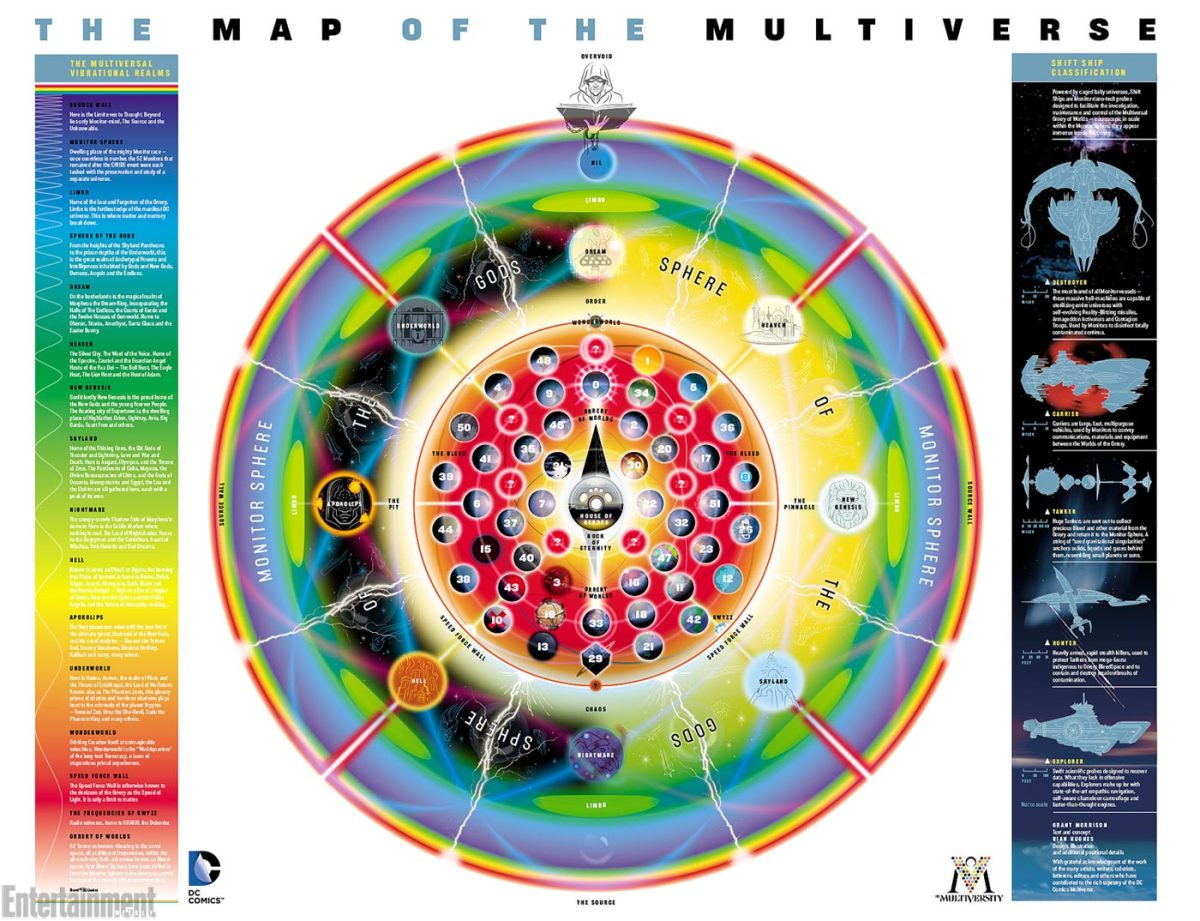
In contrast, a Pocket Universe is like a small notebook tucked away on that shelf for a special purpose. It's typically small in scale, sparsely populated, and might only contain a few dimensions or a couple of planets.
In short, a Pocket Universe is in a class of its own and isn't on equal footing with a main universe. If the Multiverse is a skyscraper where each floor represents a different world, a Pocket Universe is a small closet or storage room within that building—it may only exist for a specific storyline and isn't on the original multiversal map.
Therefore, when a DC character stumbles into a Pocket Universe, they've entered a new dimension entirely different from a standard parallel world. For instance, the Time Trapper's creation only had two main planets (Earth and Krypton) and lacked heroes like Green Lantern or Wonder Woman, setting it far apart from the fully-formed parallel worlds of the DC Multiverse.
The Importance of the Pocket Universe to DC's Worldview
The Pocket Universe was introduced into DC lore primarily as a tool to solve narrative reboots and continuity conflicts. It served to "preserve old settings," placing legacy stories into a self-contained space to keep them canon without affecting the main timeline. It also acted as a "safety cushion" for time travel stories, patching up timeline discrepancies.
Furthermore, it gave stories greater flexibility, creating a small stage almost completely isolated from the main continuity where events were only valid within that universe. The concept's lasting impact on DC's worldview lies in its success at balancing old, beloved settings with a new, rebooted universe.
For DC at the time, this approach was invaluable. The company needed a way to retain fan-favorite elements from the Golden and Silver Ages (like Superboy) while moving forward with a fresh timeline, especially amidst legal disputes over the rights to Superman's creators.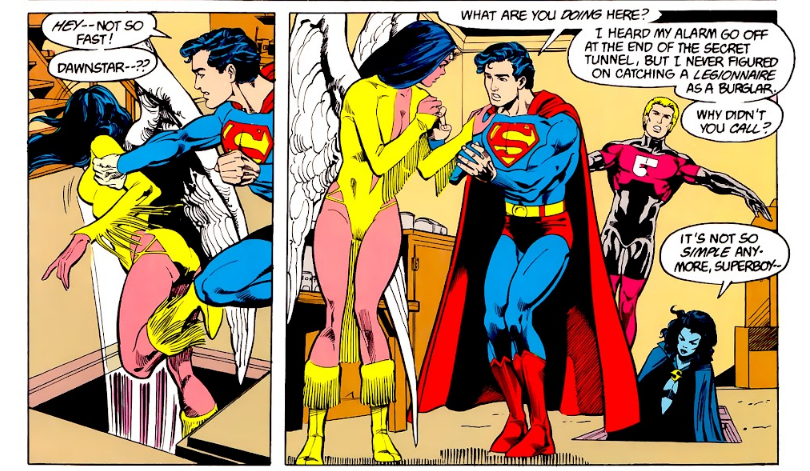
The Pocket Universe also showcased the complexity of DC's cosmology, allowing two universal histories to coexist: the rebooted history of the main world and the preserved history of the pocket dimension.
This highlighted the layered structure and narrative elasticity of the DC Universe. For readers, the Pocket Universe became a symbol of DC's "big event" era of the late 20th century, representing the editorial team's clever solutions to continuity challenges. Even as later reboots and multiversal concepts emerged, its existence remains a landmark piece of history, demonstrating how writers sometimes need a stroke of genius to create new dimensions to house seemingly contradictory old stories.
The 'Pocket Universe' in a New Form
Over time, the term "Pocket Universe" has been used less frequently in DC Comics. As a concept designed for a one-time fix, it effectively vanished along with the Time Trapper in the 1990s.
Beginning in the 2000s, DC shifted to a more open multiversal model, including the 52 parallel Earths and the "Hypertime" concept proposed by creators Grant Morrison and Mark Waid. Hypertime was described as a vast network woven from the timelines of all realities, acknowledging every different timeline as a "real" and valid thread, thereby explaining contradictions in early stories.
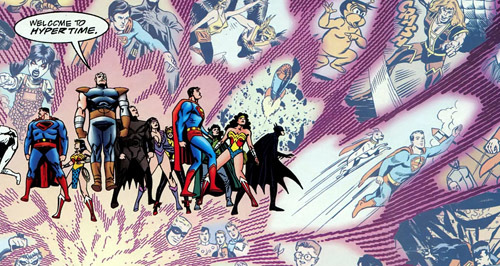
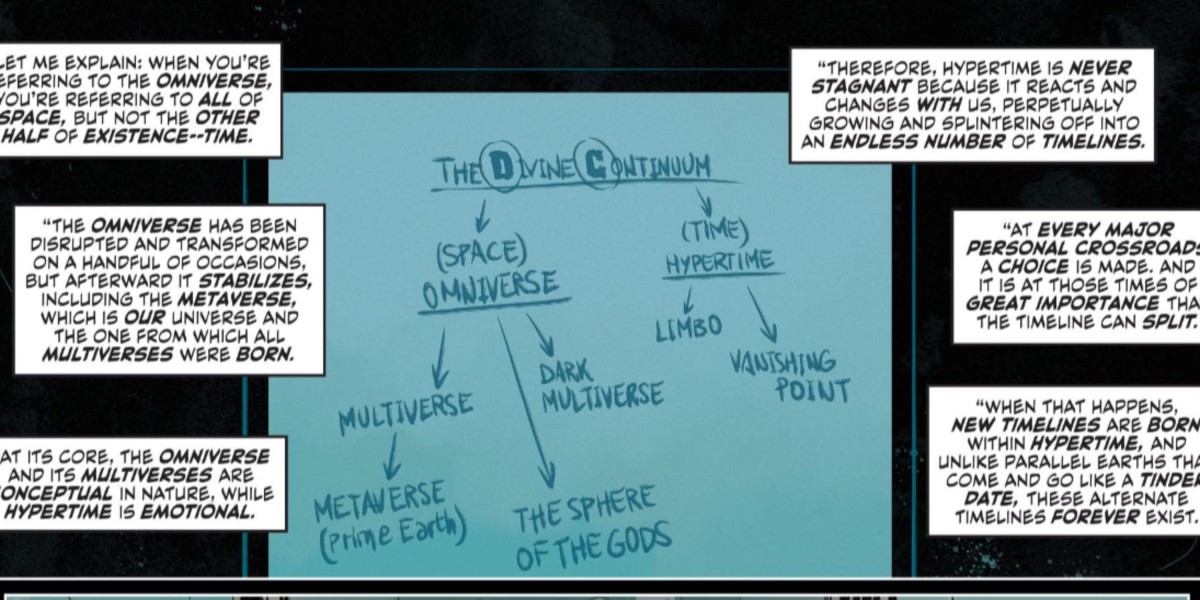
In a way, the spirit of the Pocket Universe solution lives on. DC still allows various versions of its stories to exist simultaneously (as seen in the 52 Earths established in the "52" event and later multiversal storylines), but it no longer needs to isolate them in a separate "pocket."
Although the classic "Pocket Universe" setting is now rare in the comics, its explicit mention in the new "Superman" film marks its first on-screen name-drop. While it's unclear how this concept will be used in the DCU, it may be more than just sci-fi flavor—it could be a master key for the creative team's future plans.
After all, with the DCEU concluded and the CW's "Arrowverse" wrapped up, many fans are wondering if the new DCU will connect with these old universes or make a clean break. The Arrowverse already established a multiversal map in its "Crisis on Infinite Earths" event, which famously featured a crossover between the film and TV versions of The Flash. This was more than an Easter egg; it was a declaration that different universes can and will interact.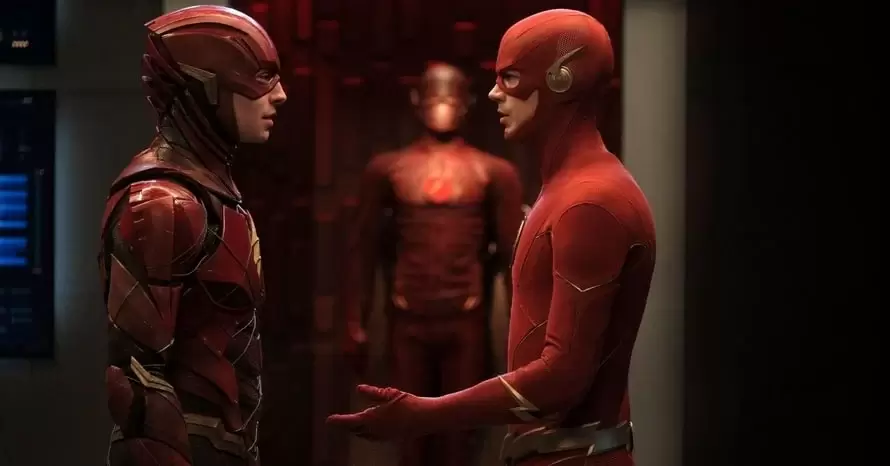
If the "Multiverse" is the backbone DC uses to connect its macro-level worldview, then the "Pocket Universe" is the precision toolkit for delicate narrative surgery. It can temporarily remove characters from the main plot or give old stories a new home.
Should the DCU choose to reboot, integrate, or pay homage to its past through a new "Crisis" event, these former universes—including the echoes of the DCEU and the multiple Earths of the Arrowverse—could be given a grand return under the banner of a "Pocket Universe."