
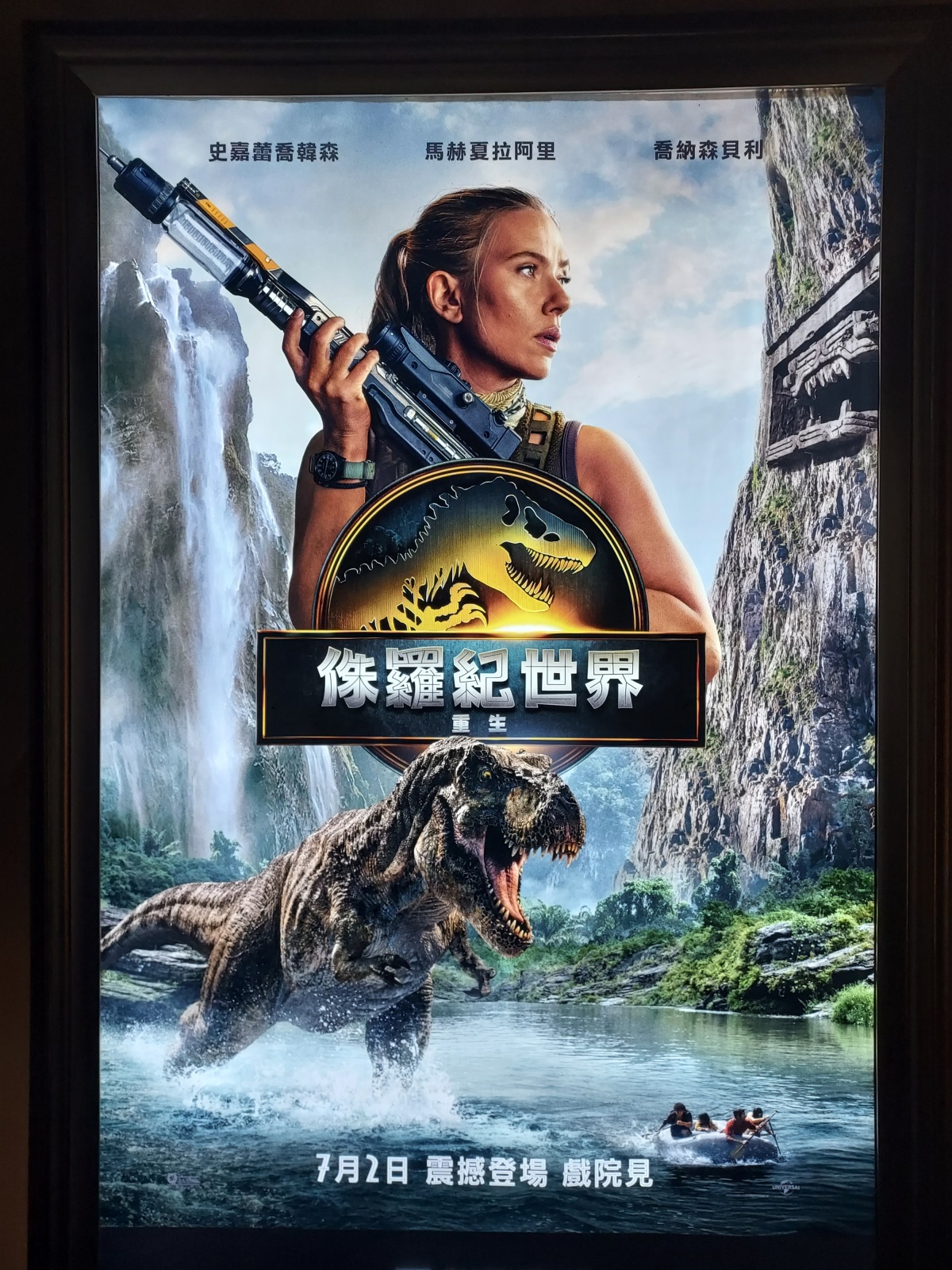
After three decades, with the new trilogy itself now a decade old, the summer of 2025 brings a new chapter meant to reboot the Jurassic era. Helmed by the director of 2014's "Godzilla" and starring Scarlett Johansson—fresh off her voice work in "Transformers One"—this latest installment in the iconic film series was already generating significant buzz long before its release.

However, as audience reactions began to trickle in post-release, it became clear that this attempt to restart the franchise couldn't escape the downward trend that plagues most sequels. As shown in the trailers, the story kicks off with an accident at a genetic technology lab. A single dropped chocolate wrapper sets off a butterfly effect of chain reactions that feels more like a scene out of "Final Destination." It immediately highlights the company's laughably poor management and allows this film's boss-level hybrid dinosaur to loom menacingly behind a trapped employee, delivering its first kill in a gruesome "human windmill" display.
Just as the audience is settling into the thrilling atmosphere, the film abruptly cuts to a sequence of white text on a black background, explaining how dinosaurs in the post-"Dominion" timeline are failing to adapt to the modern world's environment. This text-heavy, visual-free presentation feels like the director is either padding the runtime or cutting costs. The exposition even includes a self-deprecating jab, admitting that dinosaurs are now outdated—no longer the darlings of an era that sparked wonder, but rather common roadblocks causing traffic jams and public annoyance. It seems to be a meta-commentary on the current state of this man-made entertainment product.
Compared to the previous three "World" films, "Rebirth" seems to aim for a return to the style of the original "Jurassic Park." The frequency of dinosaur appearances is dialed back, giving more screen time to character development to drive the plot. Unfortunately, the character-focused scenes in the film's first act are difficult to sit through. Scarlett Johansson plays Zora, a mercenary hired by pharmaceutical representative Martin. Their mission is to travel to a restricted equatorial zone and collect blood samples from various giant dinosaurs—land, sea, and air—to develop a new drug that can extend human life. Lured by a massive payday, Zora joins the team. Martin then takes her to a museum filled with fossils to find Dr. Henry, a protégé of Alan Grant, and invites him to serve as a consultant on the dangerous journey. As Dr. Henry weighs the risks against his museum's operational needs, the theater fills with the crisp sound of him crunching on mints. This seemingly comical scene feels incredibly drawn out. Just as I began to wonder how many mints he could possibly fit in his mouth, he finally gives the obvious "yes." This kind of scene, which attempts to build emotional weight but falls completely flat, appears far too often, dragging down the narrative pace.
Fortunately, once the team is fully assembled, the main story finally kicks into gear. The classic, nostalgia-filled score swells as Zora and the smuggler captain, Duncan, team up to force the pharma rep to double their pay. With the deal settled, the group sets off by boat toward their first target: the Mosasaurus. As the setting shifts to the open sea, the Reuben family is introduced into the plot. While crossing the ocean, they inadvertently stray into the restricted zone, and their boat is capsized by the whale-sized Mosasaurus. Luckily, Captain Duncan receives their distress signal and comes to their rescue. Zora's team later tracks the Mosasaurus again, and with Dr. Henry's help, successfully collects a blood sample. Just as they prepare to move on to the next target, several yellow-and-black dorsal fins rise from the water, speeding directly toward their ship...
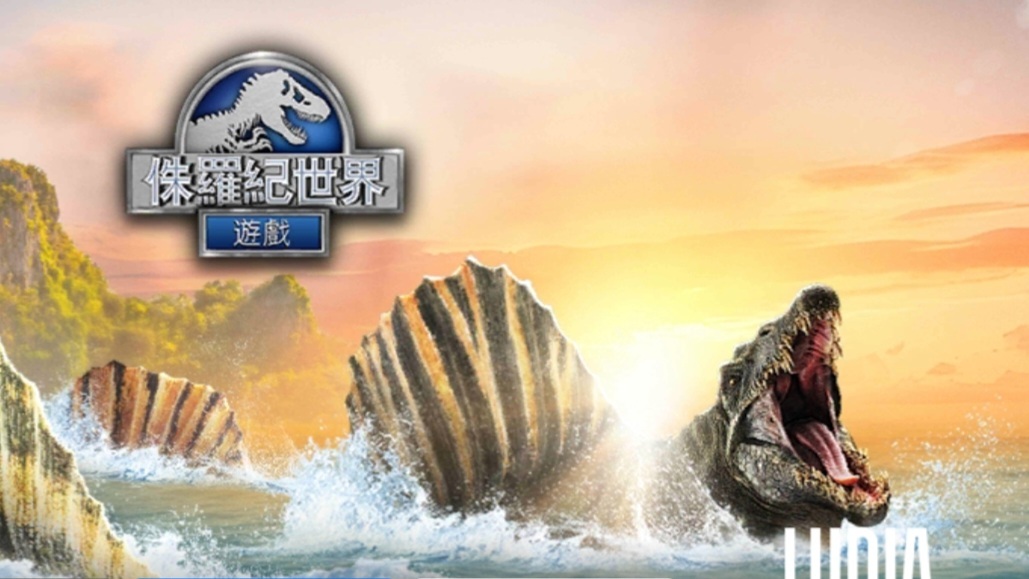
The Spinosaurus hunting sequence at sea is a first for the Jurassic series. Compared to its appearance in "Jurassic Park III," this Spinosaurus has been updated based on more recent fossil research, featuring webbed feet and a flatter tail better suited for aquatic movement. The film also imagines new dinosaur behaviors; Dr. Henry observes a symbiotic relationship between the Mosasaurus and the Spinosaurus, posing a massive threat to the team. Sure enough, a mercenary is immediately dragged into the sea by a Spinosaurus from behind. To evade the pursuing Mosasaurus, Captain Duncan steers the boat toward shallow waters. Just before hitting the reefs, everyone abandons ship. The logic here is questionable: is jumping into dinosaur-infested waters really safer than staying inside a sturdy boat? Unsurprisingly, after reaching the shore, a female team member is busy hauling equipment with her back to the perilous sea. A Spinosaurus that had washed ashore slips back into the water, circles around, and with a blood-curdling scream, she too vanishes beneath the waves. Watching the bloodstains spread across the sand, it's hard not to start counting how many of the remaining crew will meet their end in the jaws of a dinosaur, especially since two characters whose names we barely learned are already gone.
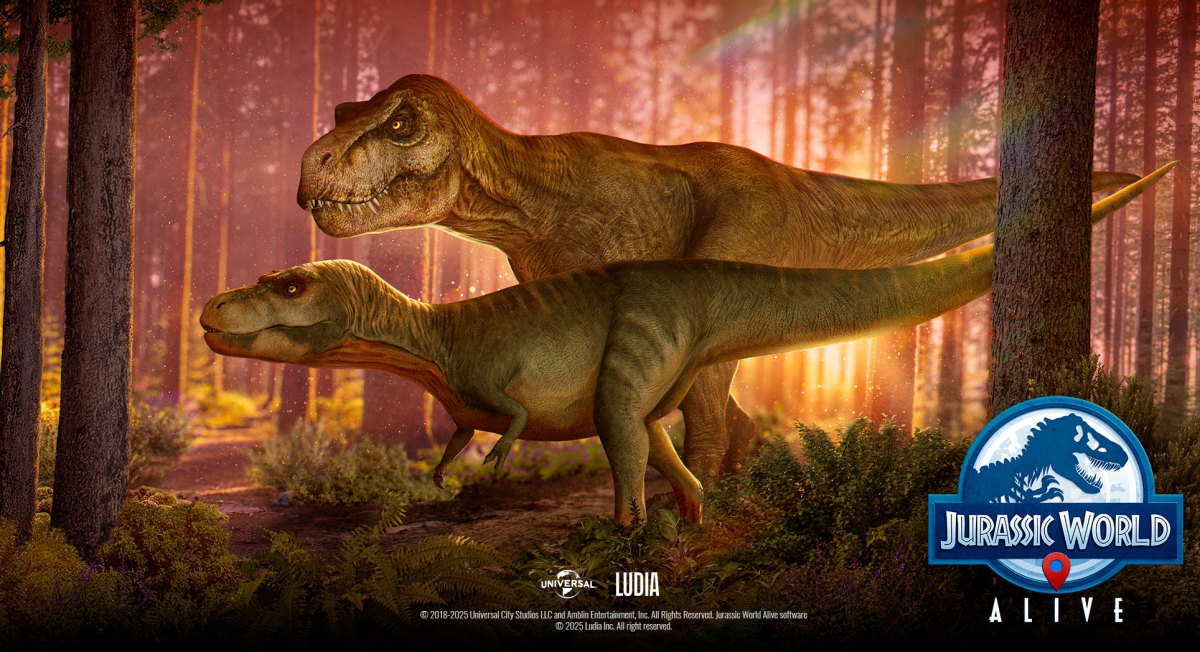
Meanwhile, the four members of the Reuben family, having jumped overboard after their eldest daughter fell in, have split from Zora's group to embark on their own side adventure. They land on Ile Saint-Hubert, a fictional island. However, most of the jungle and swamp scenes were filmed on location in harsh environments. The misty air, damp soil, and tangled tree roots, all shrouded by dense vegetation, create a palpable sense that a dinosaur could leap out at any moment. This adds a layer of terrifying realism and immersion that contrasts sharply with the more artificial-looking sets of the previous "Jurassic World" films. A standout sequence involves the family's thrilling escape from a T-Rex along a river, which is one of the most exciting highlights of the entire series. The writers adapted a segment from Michael Crichton's original novel, finally bringing to life a scene that was impossible to achieve with the CG technology of 30 years ago.
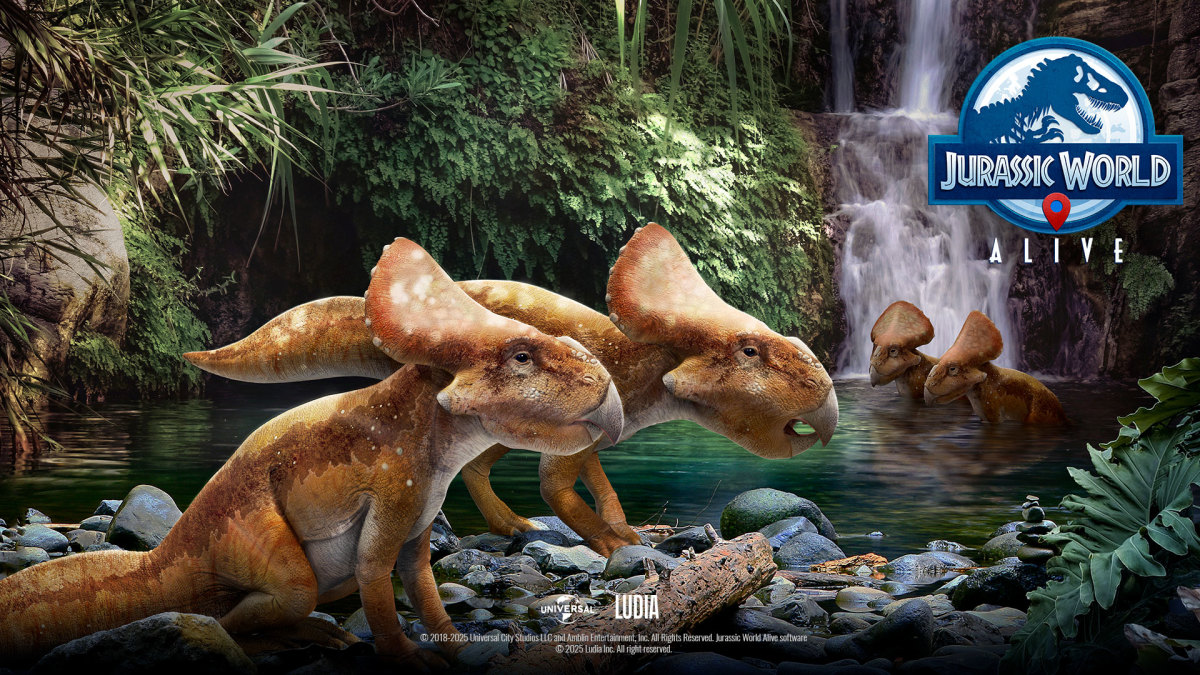
Furthermore, children and humor have always been essential elements of the Jurassic franchise. For instance, whenever this film's cutest dinosaur, the small Aquilops, scurries out from the bushes and looks at the younger daughter, Isabella, with its big, watery eyes, whispers of "so cute" ripple through the theater. In another scene, the older daughter's clueless boyfriend wanders into the woods at night to relieve himself. A hybrid dinosaur, the Velociwing, suddenly swoops down from behind and kills a Velociraptor that was about to ambush him. The boyfriend freezes in terror before realizing his life was just saved and then hilariously continues what he was doing. One has to wonder how many gentlemen in the audience tried to see if they could replicate that "human auto-pause" function in the restroom after the movie.
Returning to Zora's main storyline, after trekking through the wet and muddy jungle, the group arrives at a field of tall grass, reminiscent of the Velociraptor ambush in "The Lost World." Steam rises from the ground, and strange animal calls echo all around. In this tense moment... of course, the mint-chewing continues! Suddenly, a long, slender tail curls up from the grass, and a hidden creature slowly rises to a colossal height, filling the entire screen. A pair of Titanosaurs stands majestically before them, recreating the same sense of disbelief and awe that Alan Grant and Ellie Sattler felt when they first saw the Brachiosaurus in "Jurassic Park." The nostalgia is fully unleashed in this moment. When Dr. Henry touches the Titanosaur's trunk-like leg and tearfully wipes his eyes, many in the audience likely felt their own eyes welling up. It’s the pure, primal感動 of witnessing these ancient giants—an experience that words can't fully describe and perhaps the very reason the Jurassic series has not been forgotten after all these years.
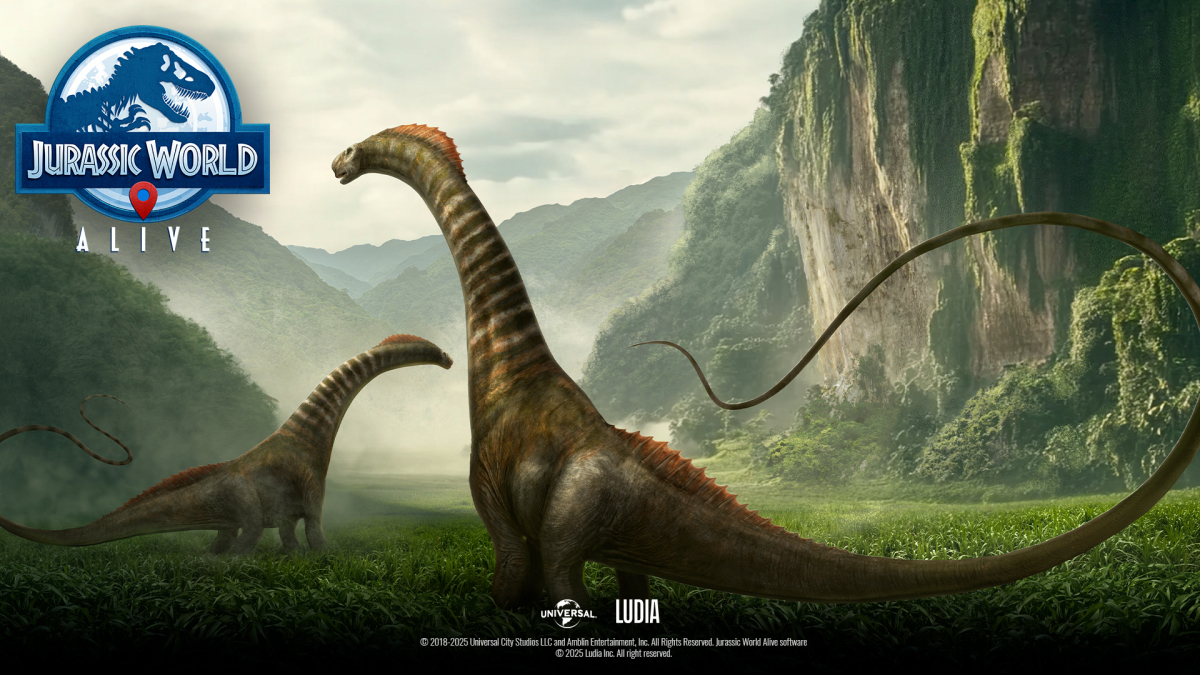
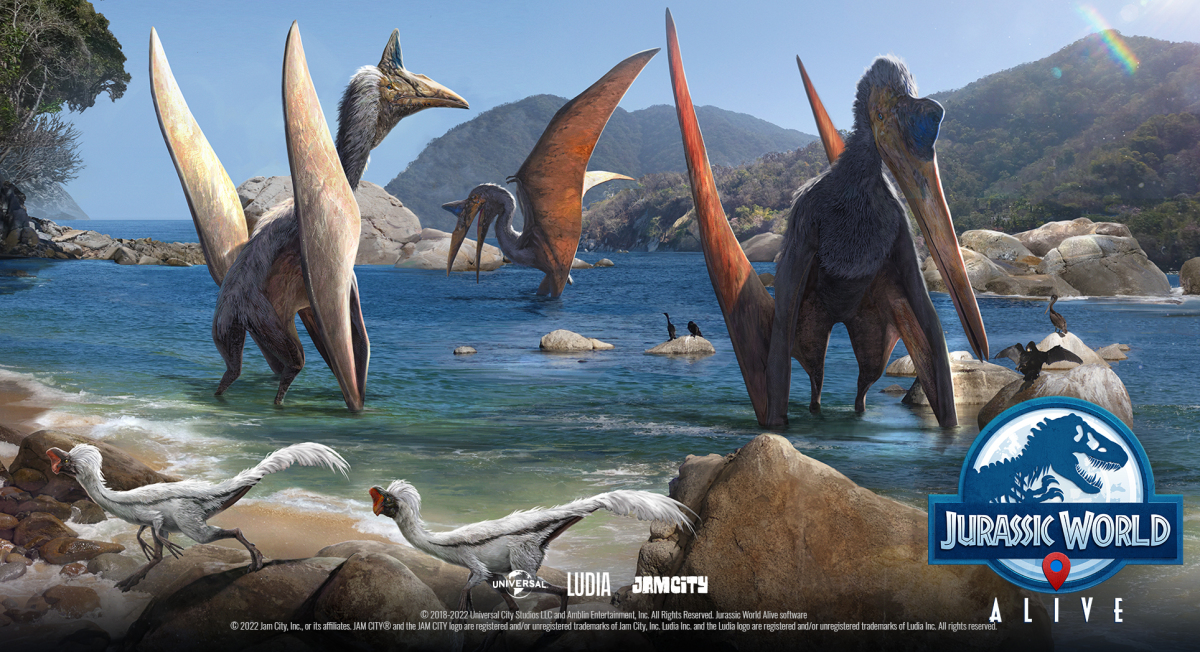
With a pull of the trigger, Zora effortlessly obtains the Titanosaur blood sample, and the team heads toward their final target: the Quetzalcoatlus nest on a cliff. This location pays homage to another Steven Spielberg classic, "Indiana Jones," but the sudden appearance of ancient ruins in a natural park environment feels a bit jarring and is left unexplained, coming off as an homage for homage's sake. When the Quetzalcoatlus, soaring through the canyon, discovers its nest has been invaded, a brutal slaughter on the cliffside becomes inevitable. The encounter ends with the Quetzalcoatlus swallowing an unlucky team member like a pelican. Fortunately, Dr. Henry manages to safely retrieve embryonic tissue from an egg, finally completing the collection of all required specimens.
However, one final mission remains: escaping the island alive. Just as the separated family coincidentally reunites with Zora's team in front of an abandoned base, the geothermal power source automatically restores electricity to the facility. As the song "Stand by Me" begins to play over the speakers, the ultimate hybrid dinosaur threat is just beginning to unfold... I'll leave the ending unspoiled for you to experience in theaters. While many viewers have criticized the finale for lacking an epic-scale confrontation, in my opinion, the Jurassic series isn't a traditional monster movie. It's a work of science fiction based on partial scientific evidence. Perhaps, as Dr. Wu said in "Jurassic World," normal dinosaurs are no longer enough to satisfy modern audiences. People want bigger, scarier, and more teeth. But that doesn't mean a creature's purpose in a story should always be to serve as a tool for on-screen entertainment, fighting to the death for our amusement.
So, in today's over-saturated entertainment landscape, are traditional dinosaurs truly a thing of the past? As the movie ended and the crowd began to file out, a small child next to me excitedly told his parents he wanted to see another Jurassic movie. In that moment, it felt like as long as there are people in this world who still hold a passion for creatures like dinosaurs, this series will always have a chance to find its path to rebirth and become a shared memory for every generation.