

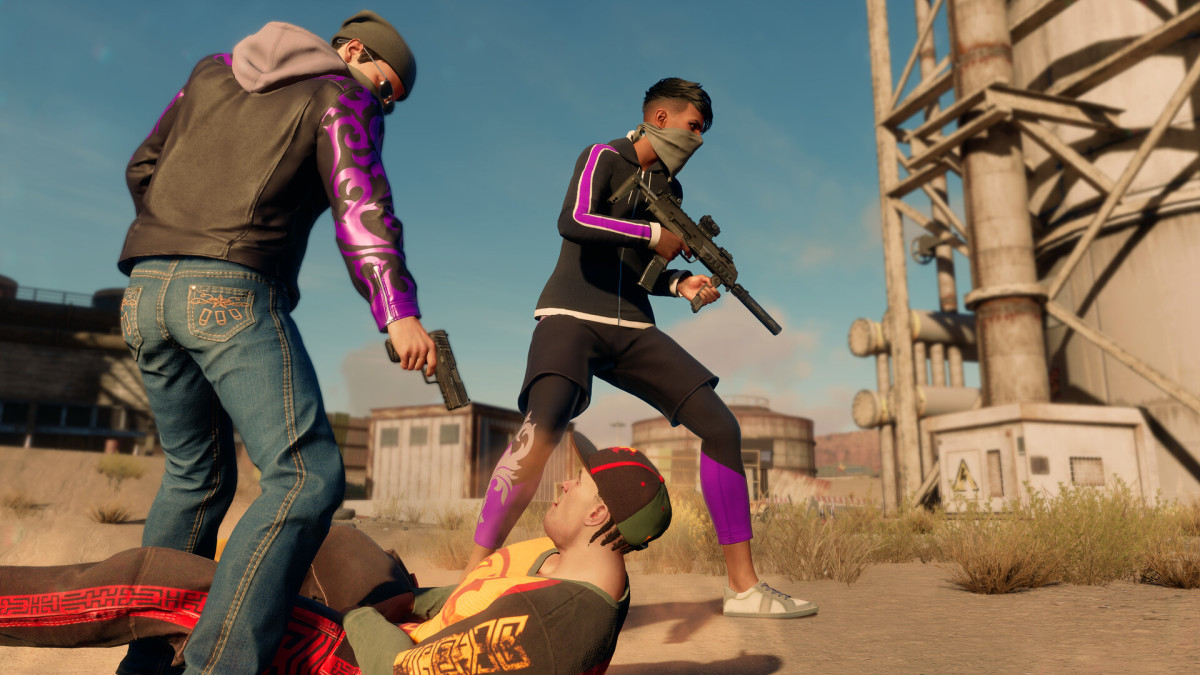
A recent push by several payment platforms to pressure digital game storefronts into delisting titles containing adult content has sent shockwaves through the industry. However, the controversy isn't limited to sexually explicit material. According to ZOOM Platform, which spoke to outlet GamingOnLinux, a range of mainstream titles, including "Grand Theft Auto," "Duke Nukem," and "Saints Row," have also been flagged by payment providers as "potential delisting risks."

ZOOM Platform confirmed that these specific game titles were explicitly mentioned during their discussions with payment processors. While no actual delisting actions have occurred yet, this development has sparked widespread concern that future censorship standards will extend far beyond what is traditionally defined as "adult games."
In response, ZOOM has firmly stated its refusal to comply with any delisting demands. The platform declared, "We have no plans to delist anything and will do everything in our power to prevent such censorship. We stand firm in our support of creative freedom."
The platform is now exploring new payment mechanisms, such as a prepaid wallet system, which would allow players to top up funds and then freely purchase any content available on the store. In a related act of protest during this controversy, another platform, GOG, briefly made several adult games available for free download for 48 hours.
The catalyst for this escalating controversy can be traced back to the Australian political organization Collective Shout. Founded in 2009 by anti-pornography activist Melinda Tankard Reist, the group is dedicated to combating the objectification of women in media.
In 2014, Collective Shout successfully pressured multiple Australian retailers to cease selling "Grand Theft Auto V" after protesting the game for "encouraging violence against women." The group also launched a petition demanding a complete ban on "Detroit: Become Human" due to its depiction of domestic violence.

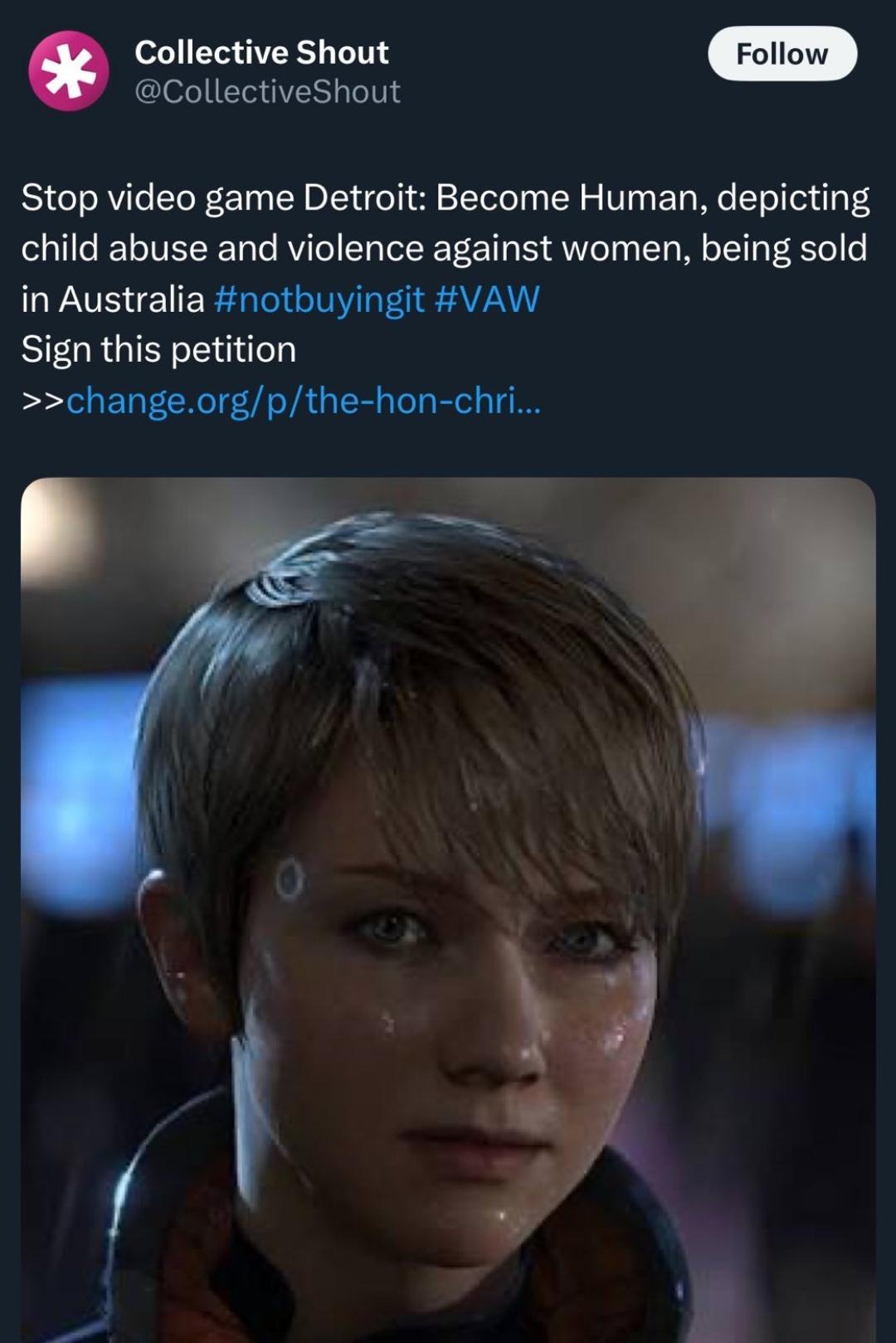
The organization has now been identified as a primary force driving the actions of payment platforms. This has put games previously targeted by Collective Shout — particularly those featuring violence, gender-related themes, or controversial content — at an elevated risk.
Independent developers, with their limited resources, face significant challenges in resisting pressure from payment giants. Even large companies like Take-Two, equipped with substantial funding and legal teams, are not guaranteed immunity from a broader wave of censorship in the future. This controversy has clearly expanded beyond adult games, becoming a critical battlefront for creative freedom across the entire gaming industry.
via: TheGamer