

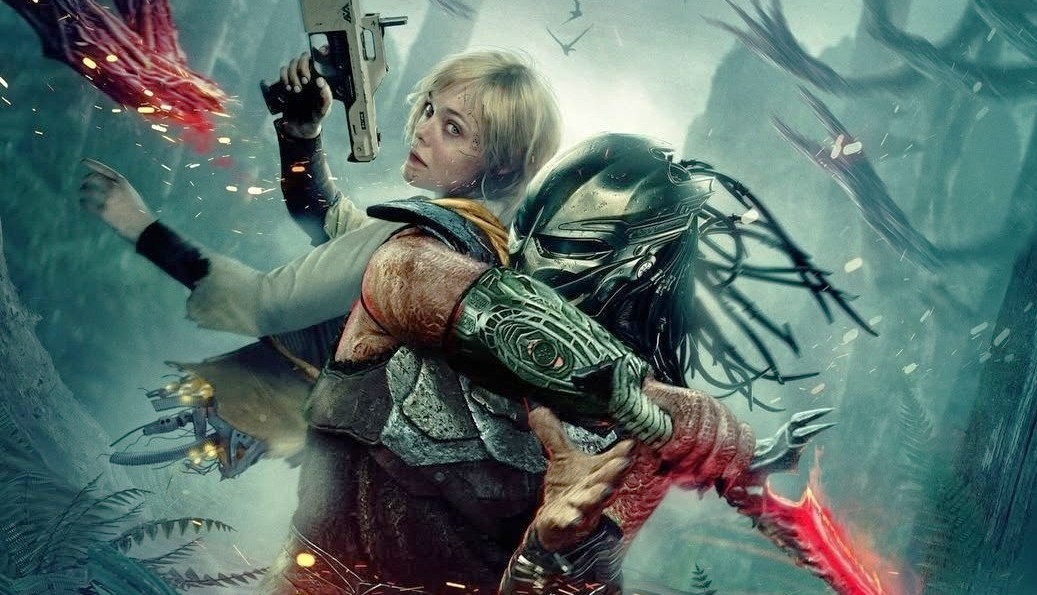
 (Image: 20th Century Studios)
(Warning: This article contains spoilers.)
Three years ago, "Prey" wasn't just a renaissance for the "Predator" franchise; it was arguably the series' first truly successful sequel. Looking back, its predecessors—"Predator 2," "Predators," and "The Predator"—all launched to mixed reviews (with "The Predator" leaning heavily toward negative). While each has since cultivated its own cult following, none achieved widespread critical acclaim or box office success, giving the franchise a sense of diminishing returns and niche appeal.
The biggest difference between "Prey" and the first four films was its departure from the hardcore, B-movie slasher formula. It was no longer just about lining up victims for the Predator to hunt. The film became more accessible, focusing on character development and even heartfelt emotion—the kind of movie critics often describe as an "action blockbuster with heart." While some die-hard fans may have rejected this shift, feeling the series' "bloodlust" was diluted or that it had "gone soft," this evolution was essential. It was time for a new path forward.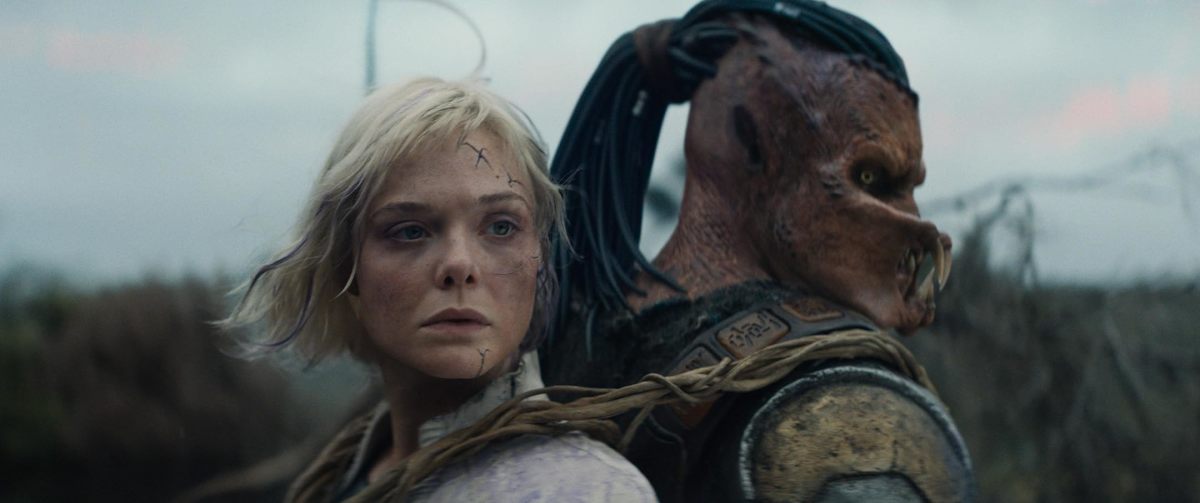
(Image: 20th Century Studios)
It was a necessary and successful transformation. "Prey" delivered a genuinely warm sibling relationship and a thrilling underdog story about a protagonist defying expectations. Most importantly, it deeply reflected on the Predator's essence as a "hunter," using that spirit as a foundation to explore every facet of the hunt and being hunted. While the previous four films often just focused on making the hunt flashier on a superficial level, "Prey" broke new ground by playing with the dynamic between predator and prey, contrasting different types of hunters, and examining what the hunt represented as a core value for its characters.
After testing the waters and finding success with "Prey," writer-director Dan Trachtenberg has secured even greater creative control over the franchise. Disney and 20th Century Studios have essentially handed him the keys to the "Predator" universe, and he's embraced the opportunity. Instead of immediately jumping into "Prey 2," Trachtenberg is taking a different approach: replicating the *formula* of "Prey's" success with entirely new characters. Typically, a franchise would carry over successful elements into a direct sequel, but Trachtenberg is charting a different course.
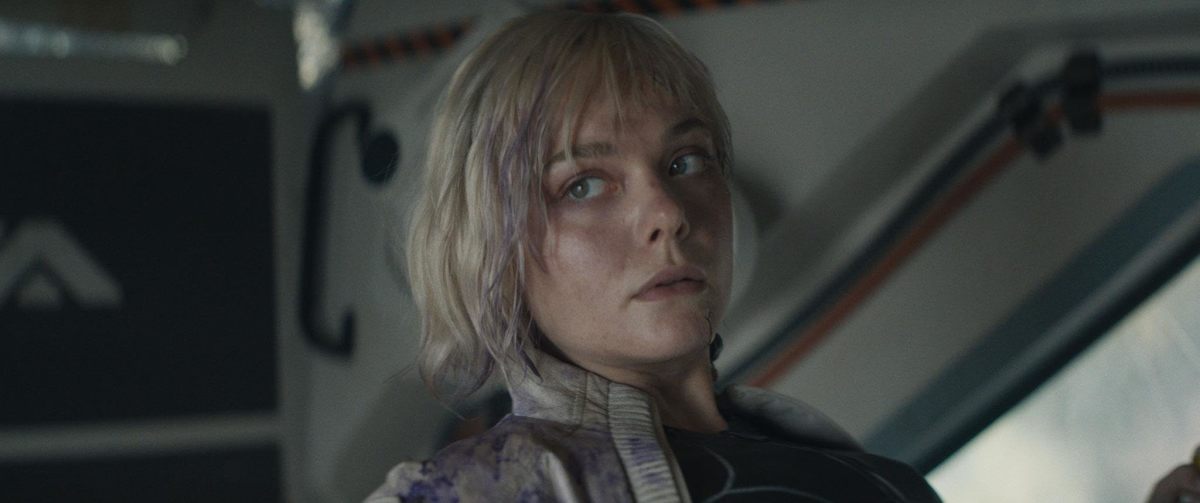 (Image: 20th Century Studios)
Trachtenberg has this freedom largely because the series has historically lacked strong continuity. This started when Arnold Schwarzenegger declined to return for a sequel, and subsequent installments never generated enough buzz to justify continuing their specific storylines. As a result, each film brought in a new cast and a fresh take, naturally evolving the franchise into its current anthology format. Given these circumstances, Disney and 20th Century have no compelling financial reason to force Trachtenberg into making a direct "Prey 2."
The "Predator" series has now become Trachtenberg's creative playground. Overflowing with passion, he's pushing out two new projects this year alone. First, through the lower-cost, broader canvas of animation, he's delivering the fan-service fantasy "Predator: Chrono-Hunters," which finally pits the Yautja against diverse warriors from different eras of Earth's history. Then, for the precious live-action slot, he's saved the franchise's boldest idea yet: making a Predator the first-person protagonist for the first time ever in "Predator: Badlands."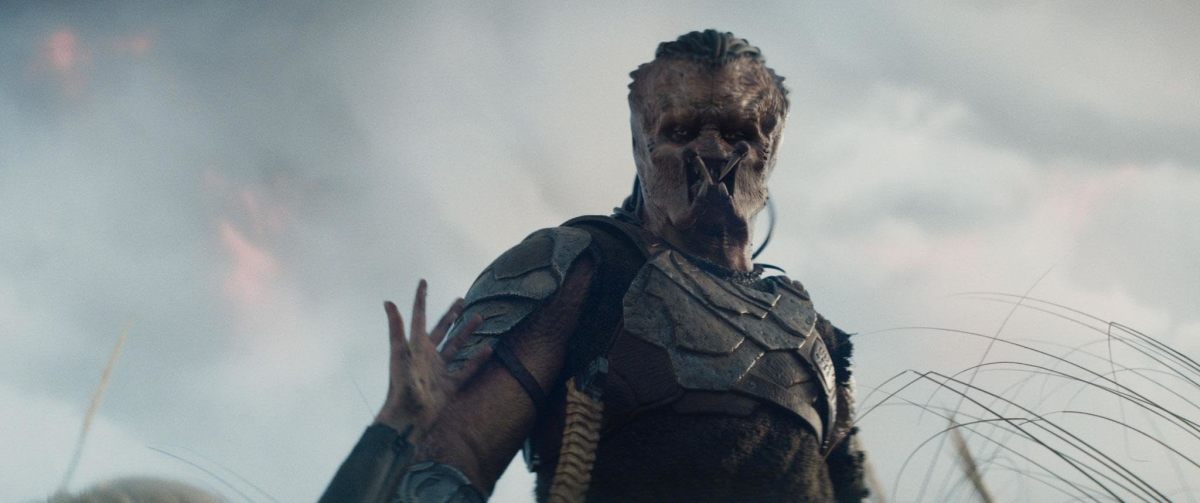 (Image: 20th Century Studios)
But don't be intimidated by Trachtenberg's ambition. While he's throwing out a variety of storylines, he's disciplined in sticking to the foundation laid by "Prey." Both "Predator: Chrono-Hunters" and "Predator: Badlands" maintain the same small-scale, character-driven focus on personal trials. Viewed together, these three projects form a thematic trilogy centered on underdogs. From the Viking leader's son who dies in battle in "Chrono-Hunters," to the samurai seeking revenge on his brother, to the WWII pilot who gets a chance to prove himself in a dogfight, and now to Dax, the Predator shamed by his clan in "Badlands"—they are all challengers, underestimated or plagued by self-doubt, desperate to prove their worth through a trial.
You can also see Trachtenberg's particular fondness for sibling dynamics. "Prey" had the Comanche brother and sister, "Chrono-Hunters" features samurai brothers, and "Badlands" deliberately includes two parallel pairs: synthetic sisters and Predator brothers. In these relationships, the older sibling often acts as a mentor, a rival to be surpassed, or even the final villain. Trachtenberg may be using different characters on different missions, but he's ultimately telling the same core story. Yet, despite this repetition, the formula never feels stale; each iteration is packed with just the right amount of tension and emotional impact.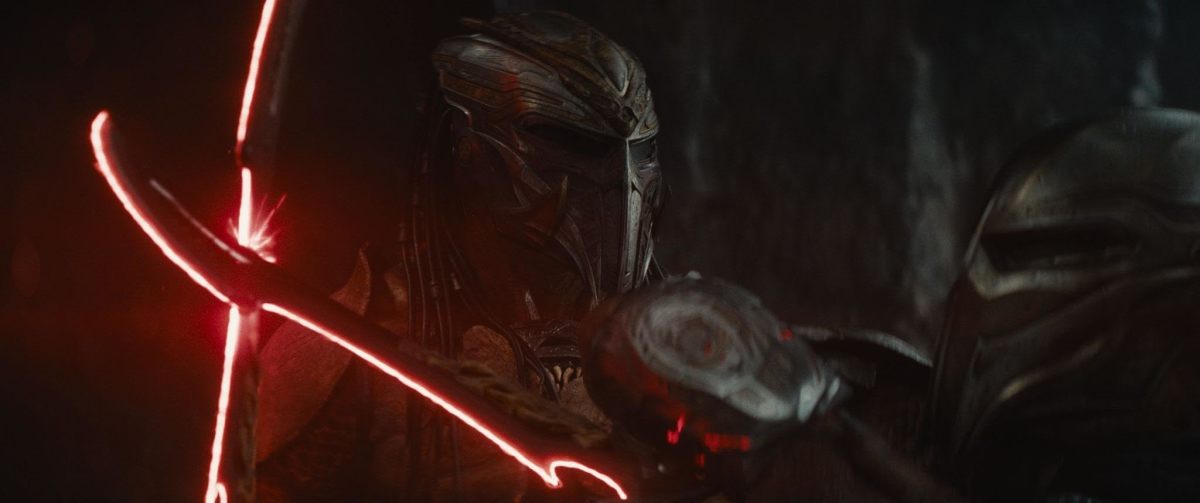
(Image: 20th Century Studios)
But "Badlands" is more than just an underdog story; it's about subverting systems and defying tradition. Both Dax and his synthetic companion, Cya, initially seek approval from their kin, only to realize that the very figures they look to for validation are the ones holding them back. In the end, Dax and Cya each complete their trials through a form of kin-slaying, forging their own path by starting a new clan together (in other words, a mini-"Guardians of the Galaxy"). I doubt most audiences ever expected to see the classic Hollywood "found family" trope in a "Predator" movie, but it's here, and Trachtenberg delivers it with a potent mix of warmth and brutal coolness.
Of course, the film's greatest "trial" was making audiences empathize with Dax. The Predator has always been positioned as an intelligent monster or a horror movie slasher. This is the first time in film history that a Yautja has been given true characterization, complete with extensive dialogue in their own language. The challenge was to do this without making them too "human" or goofy, maintaining the sense of mystery and alien otherness. The film had to preserve their ferocity and the solemn, dangerous aura of their species. I believe "Badlands" strikes this balance perfectly. The Predators are as cool as ever, but now they have more depth and even a touch of warmth.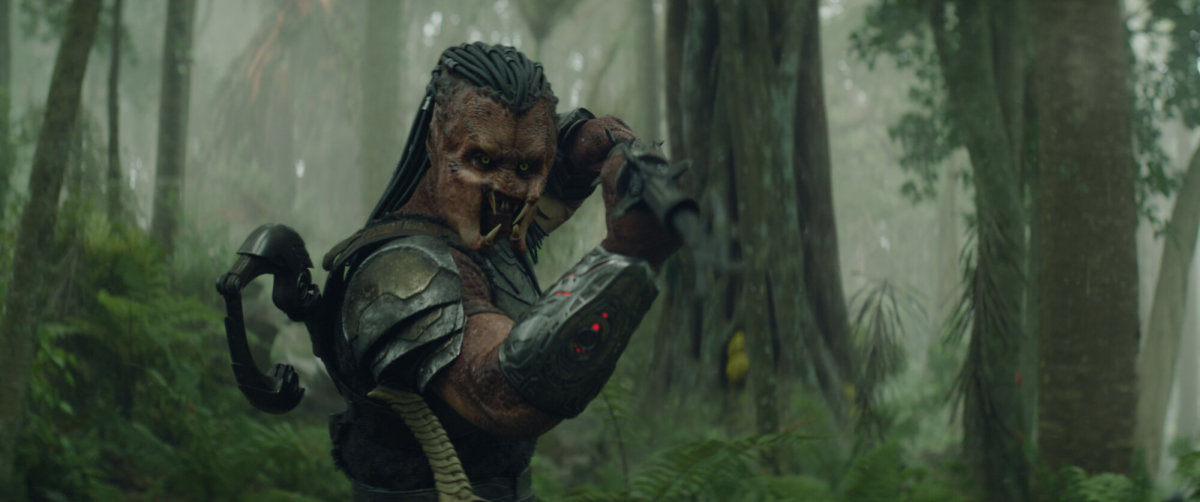 (Image: 20th Century Studios)
Without a doubt, the "Predator" franchise is thriving under Trachtenberg's careful guidance. Three consecutive entries have brought fresh ideas and high quality. Even the score stands on its own, no longer needing to lean heavily on Alan Silvestri's classic theme from the original film; the new Yautja vocal chants are incredibly cool and stylish. And while "Predator" may be an anthology series, Trachtenberg is clearly playing the role of its Kevin Feige, quietly setting up a larger game. From "Prey" to "Chrono-Hunters" and now "Badlands," each ending has left a tantalizing breadcrumb trail. Whether these threads will eventually converge or lead somewhere else entirely, I can't wait to see what comes next.
P.S. I have to commend the world-building in "Badlands." Outside of the "Avatar" series, this is one of the most interesting, original, and complete alien ecosystems in recent memory. The various species have unique strengths and functions, which Dax later cleverly incorporates into makeshift primitive gear for his counter-attack, echoing Schwarzenegger's tactics in the first film. It's not just cool for cool's sake; it's fully integrated into the plot.