

Valve is making a significant return to the "living room console" arena, but this time, the Steam Machine isn't a hybrid PC developed in collaboration with other manufacturers. Instead, Valve has personally crafted this next-generation mini-console, specifically targeting the 4K gaming market.
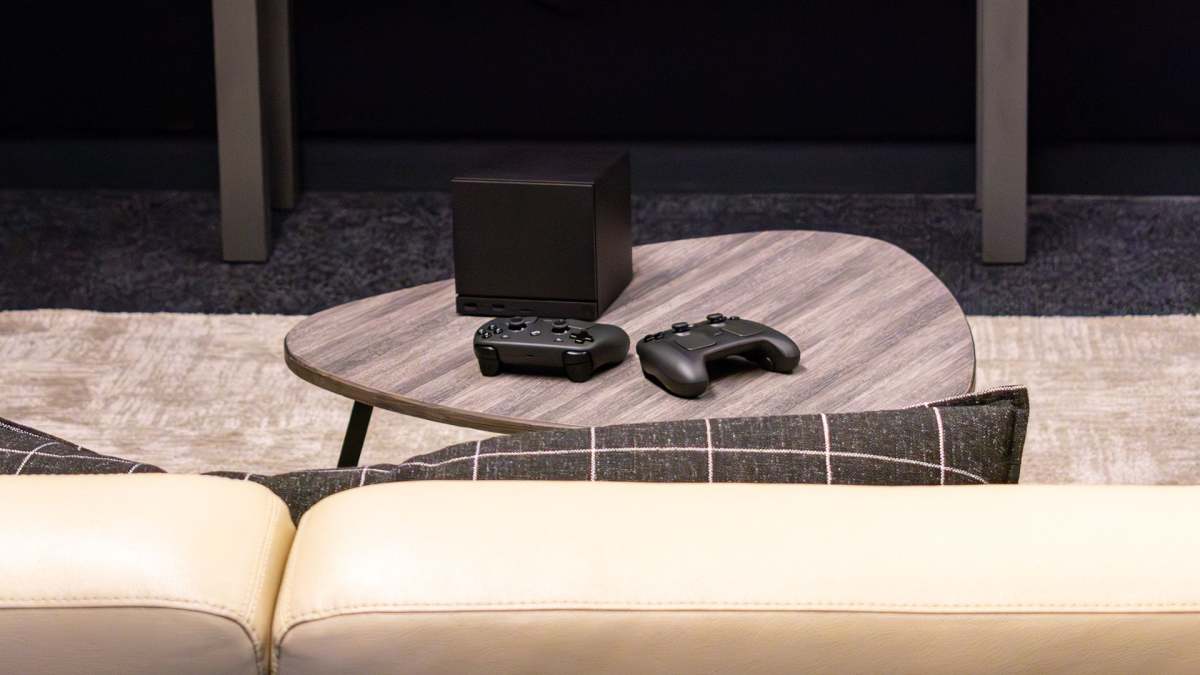
IGN noted that the biggest difference from the original model a decade ago lies in the maturity of SteamOS and the evolution of the Proton compatibility layer. This advancement frees the Steam Machine from the limitations of scarce Linux games and compatibility issues, allowing it to smoothly run most Windows games available on Steam.
IGN reported that the new Steam Machine features a custom chip co-developed by AMD and Valve, utilizing an RDNA 3 GPU (roughly equivalent to a mobile RTX 4060 or RX 7600) paired with a 6-core Zen 4 CPU. While the specifications don't aim for top-tier market performance, they are sufficient to support its primary focus on 4K gaming with FSR upscaling.
During a hands-on session at Valve, the outlet confirmed that "Cyberpunk 2077" maintained fluid performance even on Ultra presets combined with FSR Performance mode. Even with ray tracing enabled, the visuals remained stable, demonstrating considerable power.
IGN also pointed out that some demanding titles, such as "Silent Hill f," struggled noticeably in 4K Ultra + TSR mode, achieving only about 15-20 frames per second. To achieve smooth gameplay, settings had to be reduced to 1440p, medium, and paired with FSR upscaling. The outlet suggested this reflects that while the Steam Machine offers console-like ease of use, it remains a PC at its core, requiring players to make some graphics adjustments rather than a completely "plug-and-play" experience.
In terms of design, the Steam Machine is "nearly GameCube-sized," featuring a minimalist black shell with magnetic, interchangeable faceplates. Valve plans to provide 3D printing files, enabling players to create their own custom panels, further enhancing its personalization appeal. The front of the device includes USB-A and MicroSD ports, while the rear offers DisplayPort, HDMI, USB-A, USB-C, and a built-in power connector. With an integrated power supply, users won't need to deal with a bulky external adapter.
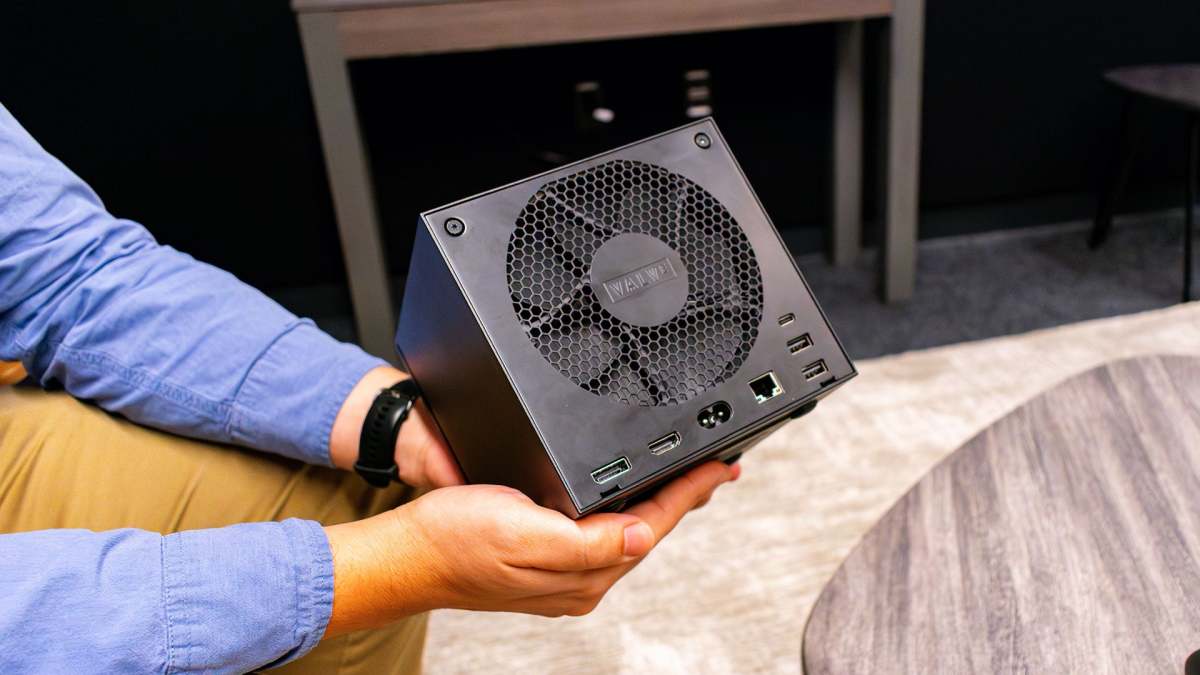
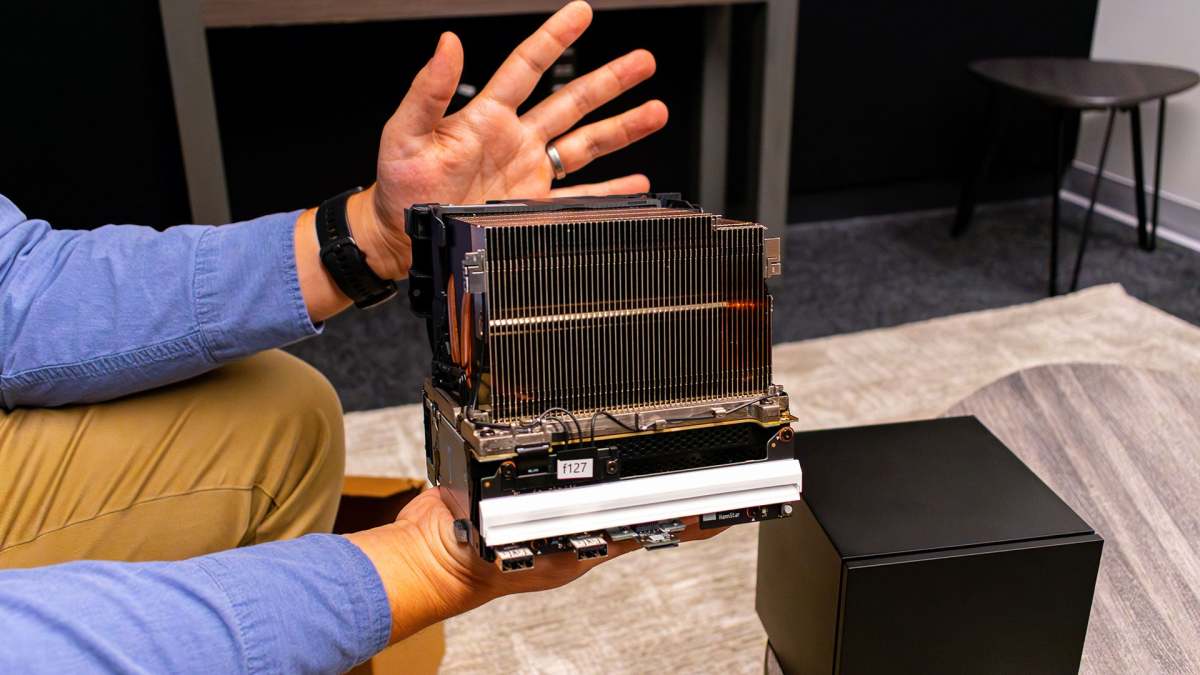
Regarding thermal design, the Steam Machine's interior is largely occupied by a massive heatsink and a rear-mounted fan, with airflow drawn from the front bottom and exhausted out the back. Given the GPU's TDP of 110-130W, IGN believes thermal performance will be crucial for this mini-console, and full performance and temperature metrics will only be known after official review units are sent out.
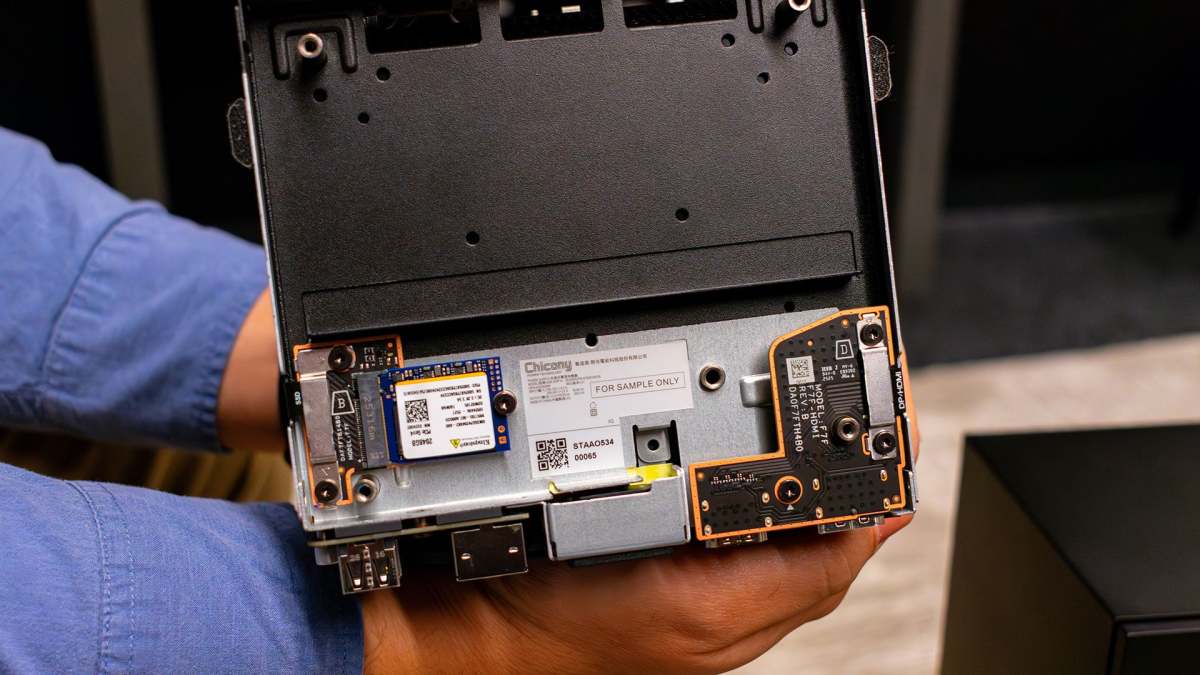
The storage solution is designed with player needs in mind, featuring an easily replaceable NVMe SSD. While shipping with a 2230 version, the slot supports the more common 2280 size, making expansion more convenient and cost-effective. However, IGN also noted that other hardware components are soldered, preventing self-upgrades, which might be a disappointment for hardware enthusiasts.
For controllers, IGN revealed that the Steam Machine will be sold with a new Steam Controller, and the console will have a built-in wireless receiver, eliminating the need for an additional USB port. The controller also includes an extra dongle, which can be used with other systems or for wireless charging, enhancing convenience in a living room setting.
As for its positioning, the Steam Machine's target audience isn't high-end PC gamers. Instead, it aims for new players who were introduced to the PC ecosystem by the Steam Deck and wish to elevate their gaming experience from a handheld to a large living room screen. With the Steam Machine boasting six times the performance of the Steam Deck, it can effectively prevent issues like "Baldur's Gate 3" stuttering to a crawl in Act Three, making it highly appealing to this demographic. 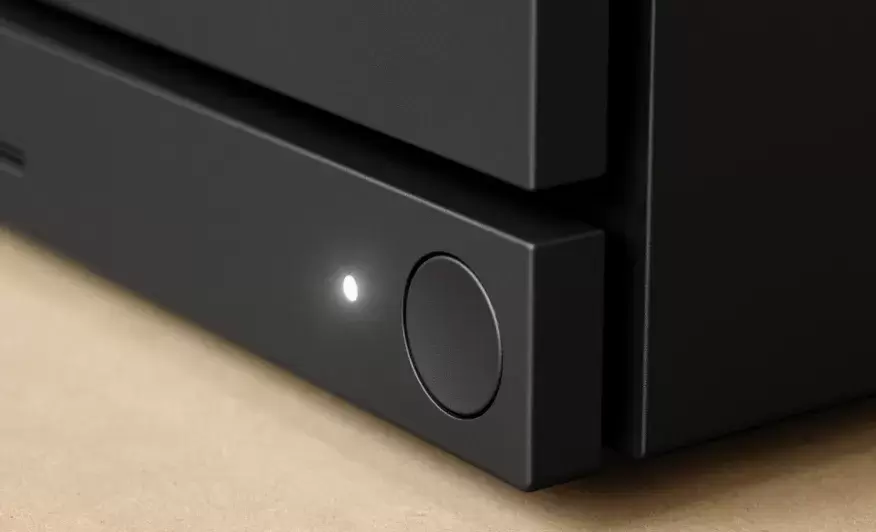
Pricing remains the most significant concern for many. IGN highlighted that 2025 has seen widespread price increases across PC and console hardware, including the RTX 5080, ROG Ally X, Switch 2, and even the PS5 and Xbox Series X. Valve has yet to announce a price, only emphasizing that it will be "competitive." For the Steam Machine to directly compete with Xbox and PlayStation, its price will likely need to stay below $1,000.
Overall, the Steam Machine demonstrates strong potential to enter the living room market, especially with the significantly improved maturity of SteamOS and Proton. It could become a key representative of the next generation of "console-like PCs." However, a final evaluation will require waiting for official review units to comprehensively assess its performance, thermals, and software experience.
via: IGN