

Valve recently unveiled its new gaming console, the Steam Machine, revealing a crucial pricing strategy: the new hardware will be priced "like a PC, not a game console." This signifies that Valve will not adopt the traditional console business model, common to PlayStation and Xbox, which involves "low-priced hardware subsidized by game sales." Instead, the company views the Steam Machine as a complete desktop PC, meaning its price could be higher than players anticipate.
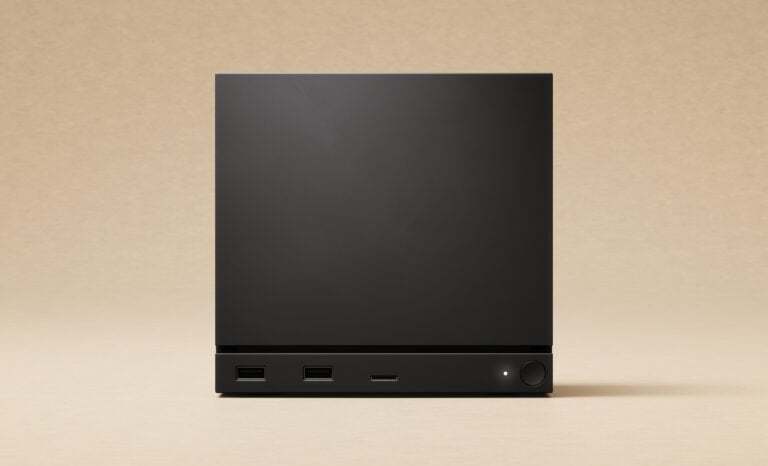 During a discussion with "Linus Tech Tips," Valve stated it couldn't yet disclose specific pricing due to "rapidly changing market conditions." However, according to host Linus Sebastian, Valve made it clear that the Steam Machine's price structure would be "highly competitive within the PC market," but unlike the PlayStation 5, PlayStation 5 Pro, or Xbox Series X, it would not feature subsidized hardware costs absorbed by a broader game ecosystem. This implies that players should not expect the Steam Machine to launch at console-level prices around $500.
The current home console market generally absorbs a portion of hardware costs to drive sales. For instance, the PlayStation 5 is priced between $500-$550, the PlayStation 5 Pro at $750, and the Xbox Series X starts at $600. Despite rising hardware expenses, both major platforms continue to maintain consumer-friendly prices through what are essentially "subsidies."
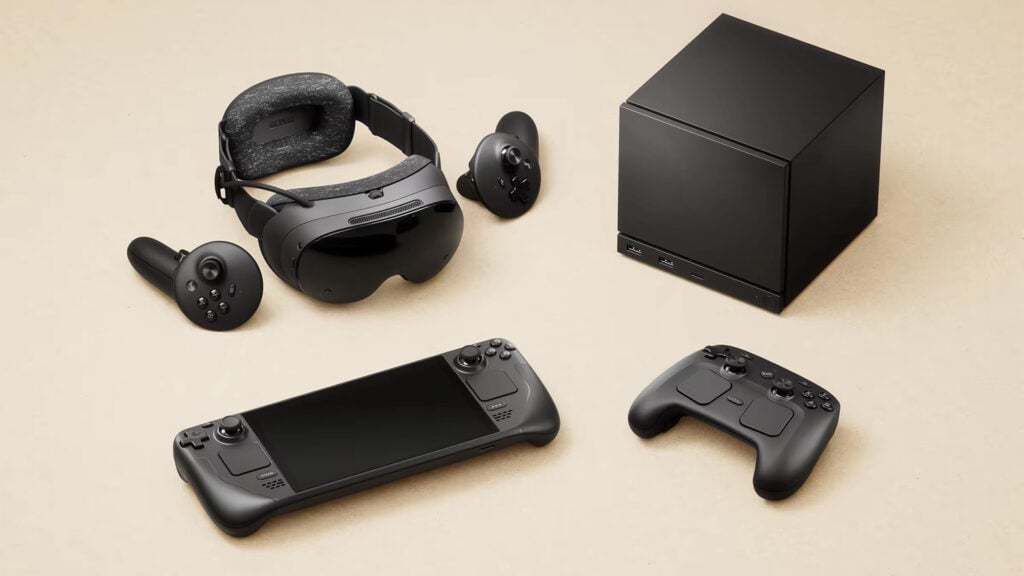
Valve's decision to adopt PC-style pricing is speculated to stem from several factors: avoiding pressure on Steam platform partners' profit margins, maintaining profitability for its hardware division, and acknowledging that the Steam Machine is fundamentally a complete PC. Even if companies purchase units in bulk, Valve cannot assume this will automatically boost game sales, thus requiring the hardware to be self-sustaining.
Industry analysis firm Ampere Analysis noted that the Steam Machine's fate will largely be determined by its price point. Analyst Katie Holt stated that the potential buyer demographic for the Steam Machine primarily consists of existing Steam users and consumers who are still hesitant about "high-priced PCs," a group highly sensitive to cost. If the Steam Machine is priced similarly to high-end mini-PCs or mid-range desktop computers, its appeal could be diminished. However, if it can be positioned within a reasonable price range, it has the potential to replicate the Steam Deck's success, achieving "low millions" in sales over several years.
Regarding performance, Valve only emphasized that the Steam Machine boasts over six times the power of the Steam Deck. It features a semi-custom AMD desktop CPU and GPU, supports FSR (FidelityFX Super Resolution), and is capable of delivering up to 4K/60fps gaming on a TV, alongside cross-device streaming capabilities.