

※WARNING: The following content contains spoilers for the fifth and final season of "Stranger Things." Proceed with caution.※
※WARNING: The following content contains spoilers for the fifth and final season of "Stranger Things." Proceed with caution.※
※WARNING: The following content contains spoilers for the fifth and final season of "Stranger Things." Proceed with caution.※
.
.
.
.
After nearly a decade, "Stranger Things" has officially concluded its run. The final episode, "The Rightside Up," aired on New Year's Eve, bringing the 80s adventures in Hawkins to a close. However, it left audiences with the show's most crucial and debated question: Is Eleven truly still alive?
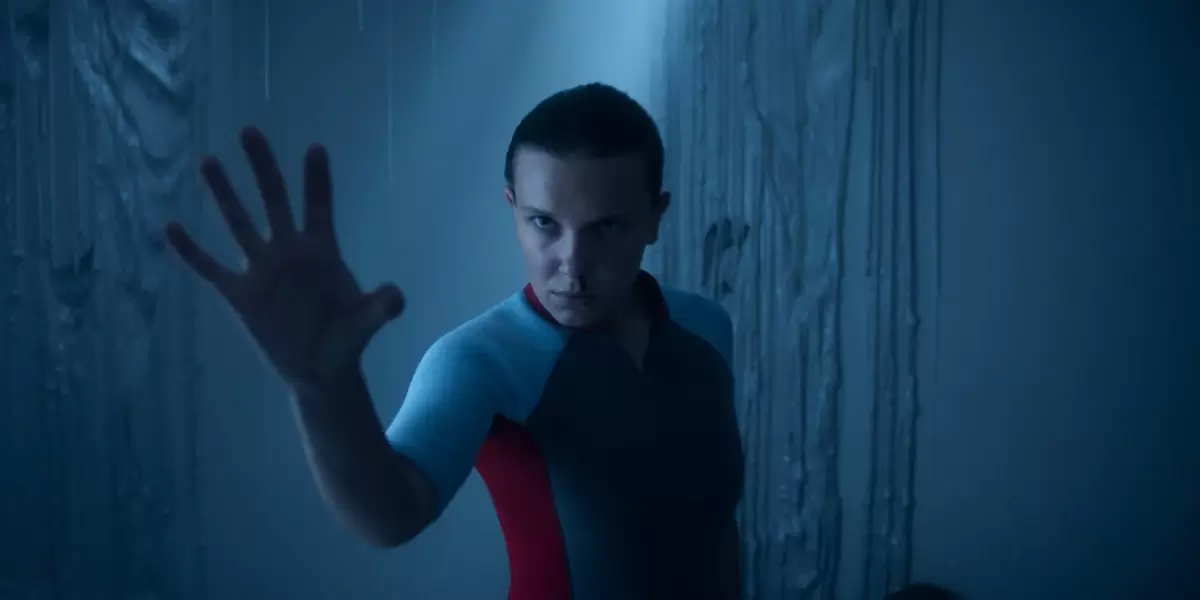
Addressing this, creators Matt Duffer and Ross Duffer, in two post-finale interviews, repeatedly emphasized that this wasn't an ambiguous ending but rather "a blank space that had to be preserved."
In the finale, the Upside Down was destroyed, and Eleven vanished at a critical moment. Whether she sacrificed herself to prevent the military from weaponizing her blood for future experiments became the central point of audience discussion.
Matt Duffer stated directly, "The ending was intentionally ambiguous. The story is told from Mike and his friends' perspective, and they don't know the truth, nor should the audience."
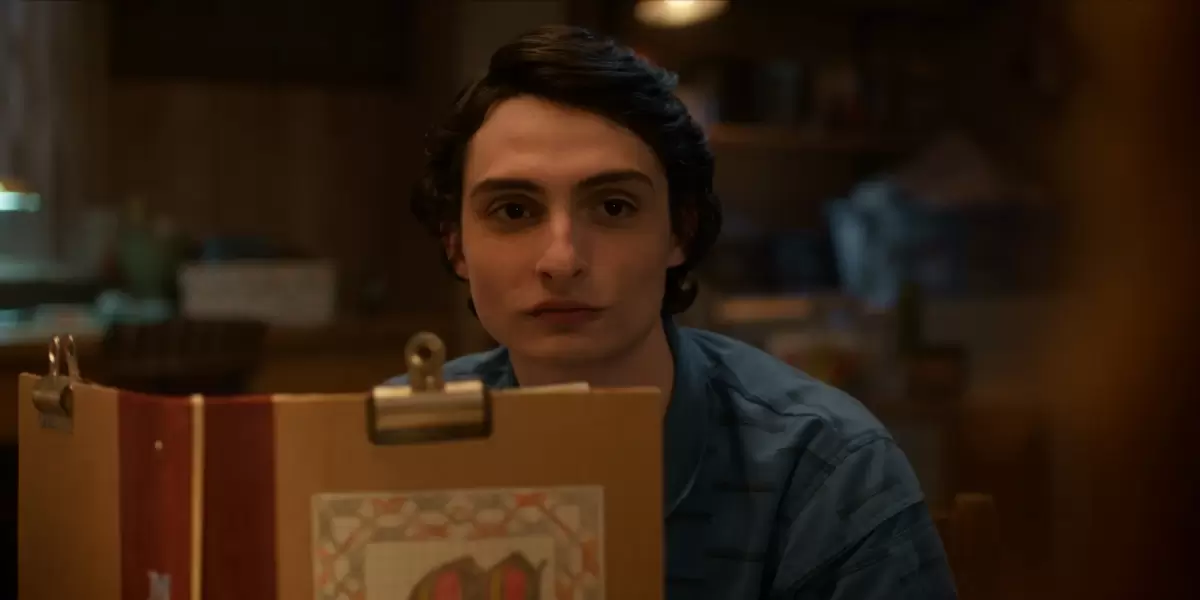
Addressing various online speculations, including whether Eleven had privately communicated her plan to Mike, Matt Duffer explicitly denied this, stating, "The only thing I want to clarify is that Eleven did not communicate with Mike in any form."
However, he further pointed out that Mike noticed a key contradiction at the graduation ceremony: "He heard the principal's microphone distort due to anger, and that moment reminded him of the existence of 'Kryptonite.' He then realized, 'How could she have walked all the way from the truck to the gate? And how could she have used her powers to bring him into the void?'"
This also made the return of Kali (Number Eight) a crucial clue for interpreting Eleven's fate. Matt Duffer stated that bringing Kali back wasn't just for her illusion-generating abilities: "We always wanted that storyline to have meaning, not just exist pointlessly, and we were always looking for a reason to bring her back. This year, we finally found it."
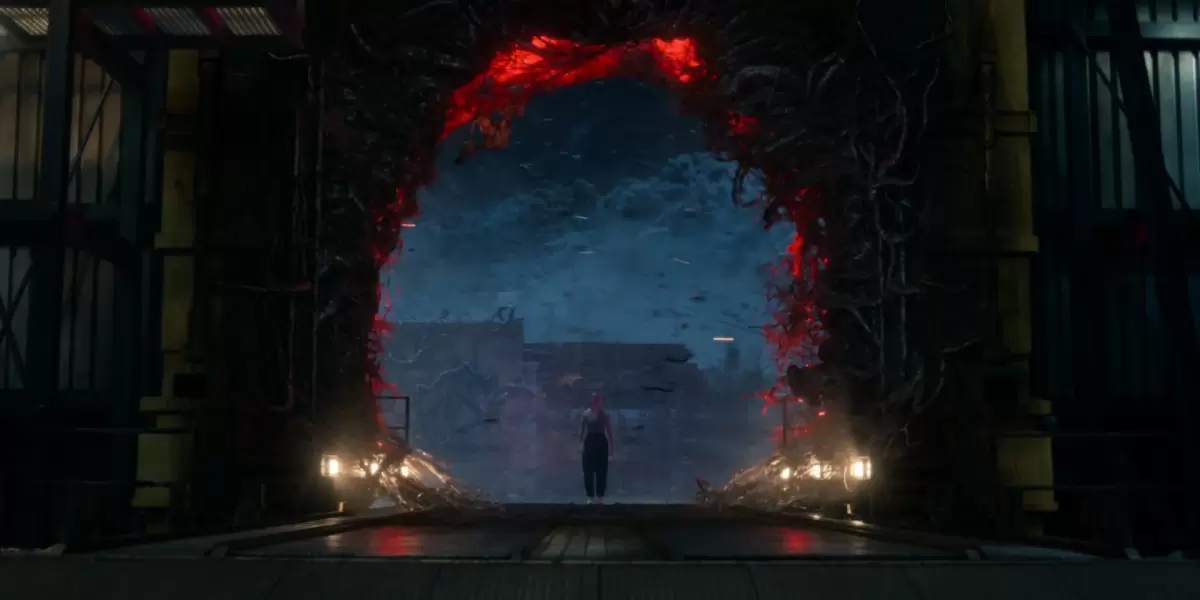
He further added that Kali's function as a character wasn't solely about her powers: "Hopper and Mike have a very close relationship with Eleven, and Mike is a dreamer and an optimist. I know many people were frustrated by what Kali said to Eleven, but what she said was actually correct on many levels. We needed someone who could articulate the dark and true reality behind another path."
As for fans' discussions about whether Eleven, if still alive, could reunite with her friends or family, Ross Duffer offered a relatively sober answer:
"If she were still alive, I think the answer is no. Any form of contact could re-expose her to the world and restart that cycle." He also stated bluntly that in the future Mike envisioned, "there isn't a version where they could reunite again."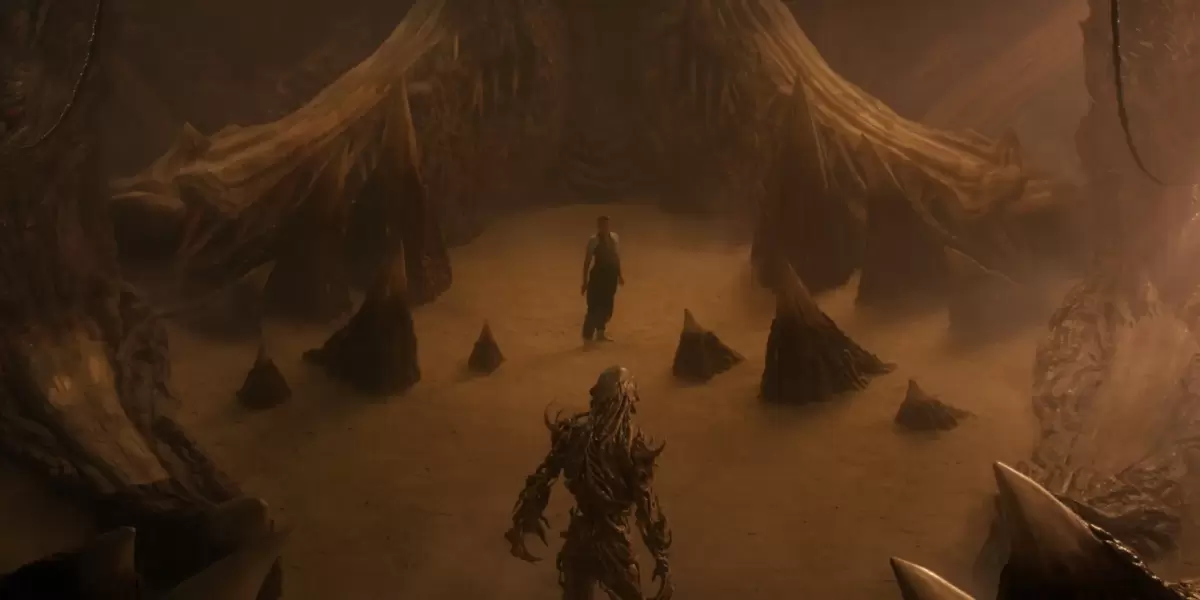
Facing some audience dissatisfaction with the ambiguous ending, the Duffer Brothers appeared quite unfazed. Matt Duffer countered, "Are a lot of people really angry about it? I actually don't know." He also mentioned that even during the airing of previous episodes, some viewers had misunderstood plot developments: "Some people didn't even realize Jonathan and Nancy had broken up. I just want to ask: What were you even watching?" Ultimately, the Duffer Brothers believe that rather than providing a definitive answer, it's more powerful to let the characters and the audience make their own choices. Matt Duffer stated, "We feel that allowing the characters to choose to believe something is powerful in itself." In his view, whether Eleven is alive is no longer just a plot mystery but a test of faith: "I saw most viewers choose to stand with the kids, choosing to believe."
via: Variety