

As real-time rendering rapidly permeates the film and television industry, Unreal Engine has become a crucial tool for visual effects in movies and series in recent years. However, this trend is also drawing criticism.
Gore Verbinski, director of the "Pirates of the Caribbean" franchise, recently voiced his strong criticism, stating that the widespread adoption of Unreal Engine is causing cinematic visual language to drift towards a video game aesthetic. He went as far as to call it "a major step backward" for the film industry.
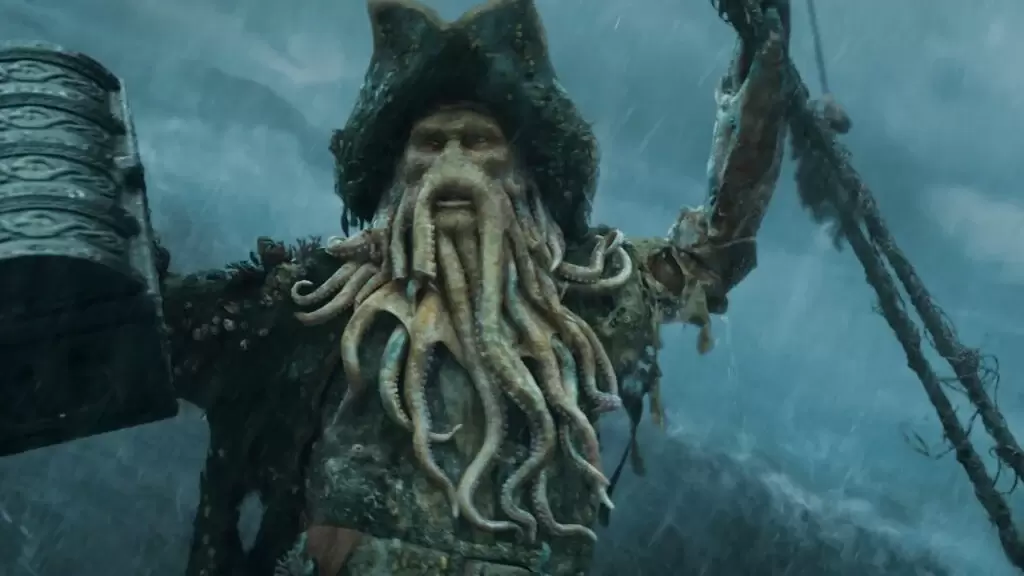
During an interview with "But Why Tho," Verbinski was asked why audiences generally feel that film visual effects over the past 15 years have become less realistic and impactful. He directly attributed the core issue to a shift in technological choices, explaining:
"I think the simplest answer is that you've seen Unreal, the game engine, officially enter the visual effects space," he stated. He pointed out that while a clear distinction once existed between Unreal Engine and film production, it is now being used to finalize visual effects shots. "Consequently, a video game aesthetic has begun to enter the world of cinema."
In his view, this transition has led some productions to sacrifice realism in pursuit of efficiency. He noted that while Unreal Engine can indeed generate visuals faster than traditional 3D tools like Autodesk Maya, there remains a fundamental difference in how it handles the physical reactions of light and materials.
"I don't think it handles light the same way. Its reaction to subsurface scattering, to light hitting skin and reflecting, is not the same as the real world," he added. He believes this is why creature and character animation often falls into the "uncanny valley" effect, similar to what's seen in video games.
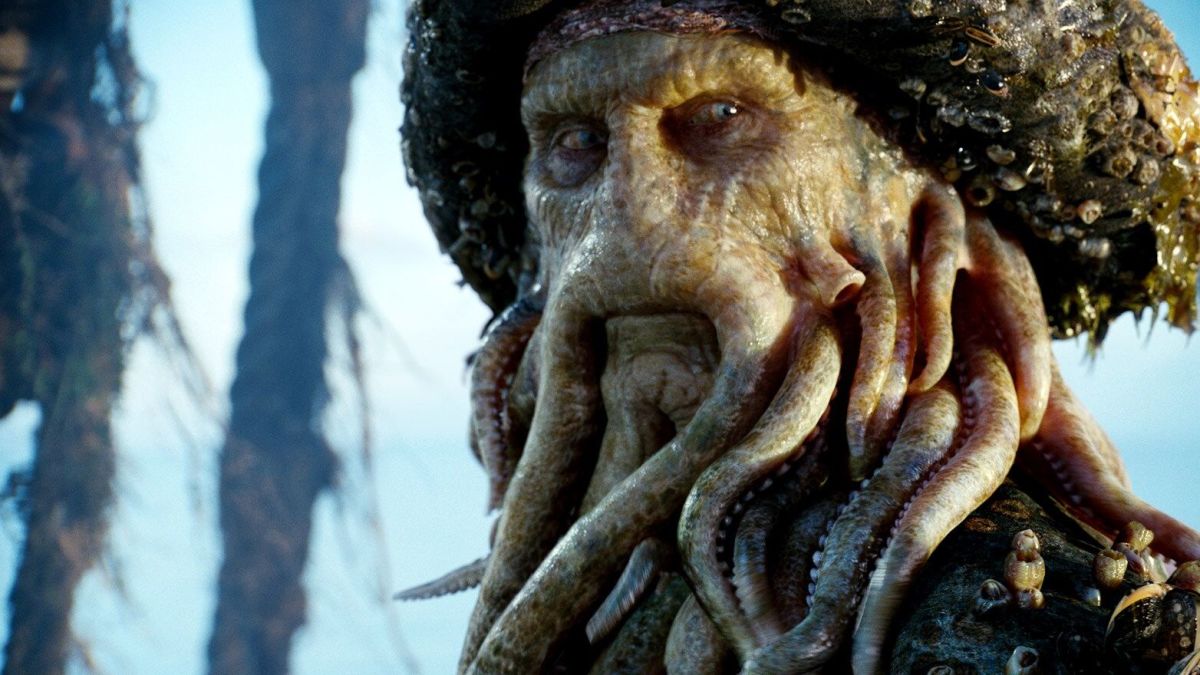
Verbinski further drew a comparison to film history, highlighting that Stanley Kubrick's work endures precisely because of its extensive use of practical models and matte paintings.
"That's a completely different aesthetic," he remarked, suggesting that such a style might work for Marvel films, which inherently don't aim for realism. However, he argued that problems arise when applying strict realistic standards. He also pointed to a shift in industry mindset, stating that some studio executives are lowering their expectations for detail.

"Now it seems like people think no one cares if a ship on the ocean doesn't look like it's actually on the water," he mused. He recalled that during the early "Pirates of the Caribbean" shoots, the crew genuinely went out to sea. "We were actually on a boat, not entirely relying on a virtual environment."
Discussing the essence of animation, Verbinski emphasized that no matter how realistic a single frame appears, it's not enough to convince an audience. "You can make a very realistic helicopter, but if it doesn't fly correctly, your brain will immediately know it's fake," he explained. He stressed that every turn and movement must be "earned logically," which isn't just about lighting or cinematography, but about whether the action itself aligns with human intuition.
Regarding the trend of Unreal Engine gradually replacing Maya as a core tool, he stated emphatically: "I think Unreal Engine coming in and replacing Maya as the foundation is the biggest step backward in history." In his opinion, speed and cost should not come at the expense of cinematic realism and visual persuasiveness; otherwise, the ultimate casualty will be the audience's trust in the film world.
via: But Why Tho