

Digital PC game platform GOG recently revisited the controversy surrounding its delisting of the Taiwanese horror game "Devotion" five years ago, publicly acknowledging for the first time that the decision and communication methods at the time indeed damaged the trust between the platform and its players.
GOG General Manager Maciej Gołębiewski stated directly when explaining the background that the experience "remains difficult to look back on," but the company has a responsibility to confront past mistakes.
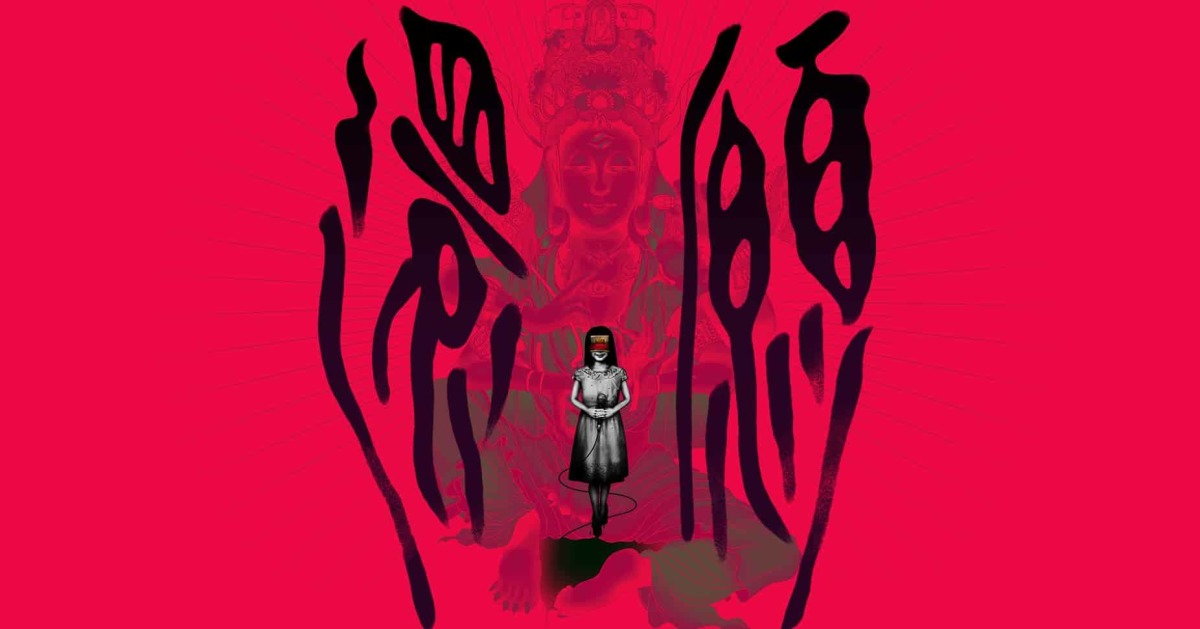
Developed by Taiwan's Red Candle Games, "Devotion" launched in 2019 to high international acclaim. However, it quickly sparked controversy due to in-game assets that allegedly referenced Chinese President Xi Jinping. The game was subsequently removed from Steam. Red Candle Games later clarified that the content was placeholder material used for testing, which they had since deleted and publicly apologized for.
In 2020, GOG initially announced it would list "Devotion," only to reverse the decision on the same day. At the time, the platform merely stated that "after receiving many messages from gamers, we have decided not to list the game in our store," which led to widespread questioning of its stance.
"That decision was made under very real commercial constraints and with insufficient understanding of geopolitics. Looking back, we must admit that this decision, and our way of communicating it, reasonably damaged user trust in GOG," Gołębiewski emphasized. He added that operating a global digital platform requires navigating legal, operational, and commercial realities. "In 2020, we chose what we believed was the best path for the company, but it came at the cost of our credibility."
Regarding GOG's recent decision to list other controversial independent horror games, Gołębiewski noted that these titles, following internal evaluation, did not pose any legal or political risks. He described it as "a judgment based purely on the game itself." 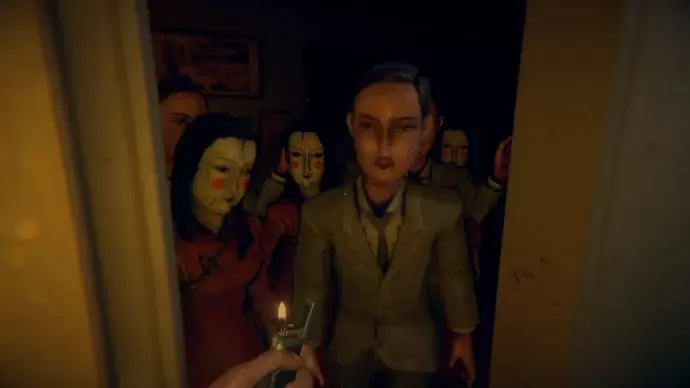
"Our willingness to stand up for the right values doesn't mean we won't make mistakes; rather, it means we are willing to clearly explain the reasons behind our choices when questioned," Gołębiewski further explained.
As GOG officially separates from CD Projekt to become an independent company, attention is now turning to its future direction. Gołębiewski stated that the new operational structure grants the company more autonomy, and it does not rule out venturing into indie game publishing in the future.
via: Eurogamer.net