

DC Comics President, Chief Creative Officer, and Publisher Jim Lee recently sat down for an interview with "Nikkei XTrend," where he directly addressed the powerful global presence of Japanese manga and anime. Lee asserted that their strength isn't merely due to differences in art style or format, but stems from a fundamental "narrative sensibility" and the cultural demands of younger generations—a crucial gap that Western comics have struggled to bridge.

During the discussion, Lee reflected on the depth of storytelling and emotional richness in Japanese manga and anime, which often makes him question the limitations of Western creative works. He stated, "The stories told in Japanese manga and anime are incredibly powerful. I often find myself wondering, 'What is missing in Western comics, and why aren't they able to achieve the same flavor?'"
He also admitted that American comics' long-standing, intense focus on superhero themes has led to overly singular sales and reader demographics, ultimately hindering their broader development.
In contrast, Lee believes Japanese manga holds a cultural position closer to "literature," unbound by age or genre. "In Japan, manga isn't just for kids; it's an art form that everyone can read. The subject matter can be cooking, sports, professions, or daily life—all of these can become the core of a story." He candidly added that the scale of the Japanese manga market far surpasses the American comic industry, stating, "This, to me, is a goal, and a direction worth learning from."

Lee further analyzed that the current anime boom is closely tied to the cultural psychology of younger generations. He explained that young people are eager to discover content that "truly belongs to them," rather than simply inheriting trends from previous generations.
"This is an inevitable phenomenon of generational change," he remarked, "Every generation wants its own cultural language."
Looking back at market history, Lee noted that the comic industry peaked in the 1990s but then rapidly contracted in the mid-to-late 2000s due to market oversaturation, declining quality, piracy issues, and the financial crisis, which also impacted the anime market and physical bookstores. However, with content adjustments and generational shifts, comic sales gradually recovered in the 2010s, experiencing explosive growth during the pandemic.
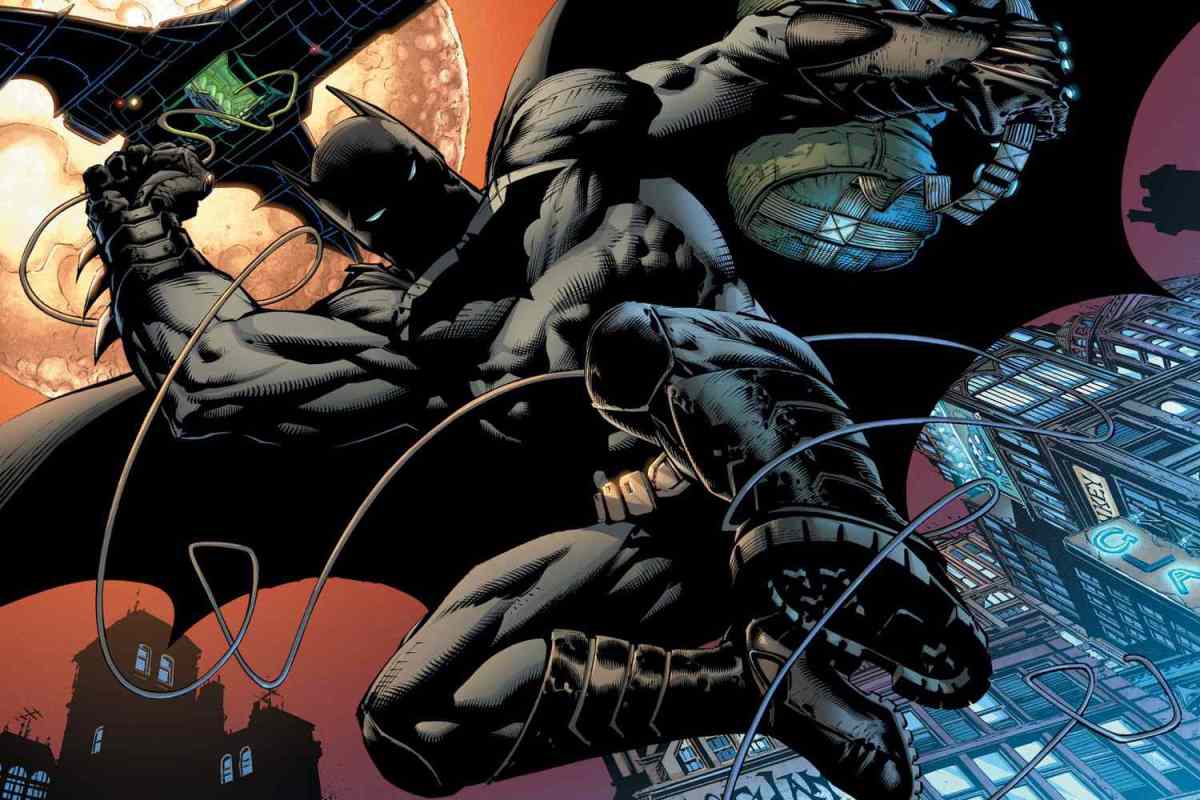
For Jim Lee, this isn't merely a matter of competition, but a long-term lesson in narrative, culture, and generational perception. He emphasized that for Western comics to advance to the next stage, they must fundamentally reconsider "who stories are truly being told for."
via: 日経クロストレンド