

 (Photo: 20th Century Studios)
(This article contains spoilers.)
Fans have been missing Sam Raimi for quite some time. After directing 2013's "Oz the Great and Powerful," Raimi’s focus shifted almost entirely to producing a variety of horror films, using his own genre roots to mentor a new generation of creators. This resulted in a nine-year hiatus from directing features. During that period, the Marvel Cinematic Universe exploded, which seemed like the perfect training ground for the man who arguably paved the way for the "Marvel craze" with his Tobey Maguire-led "Spider-Man" trilogy to get back in the game.
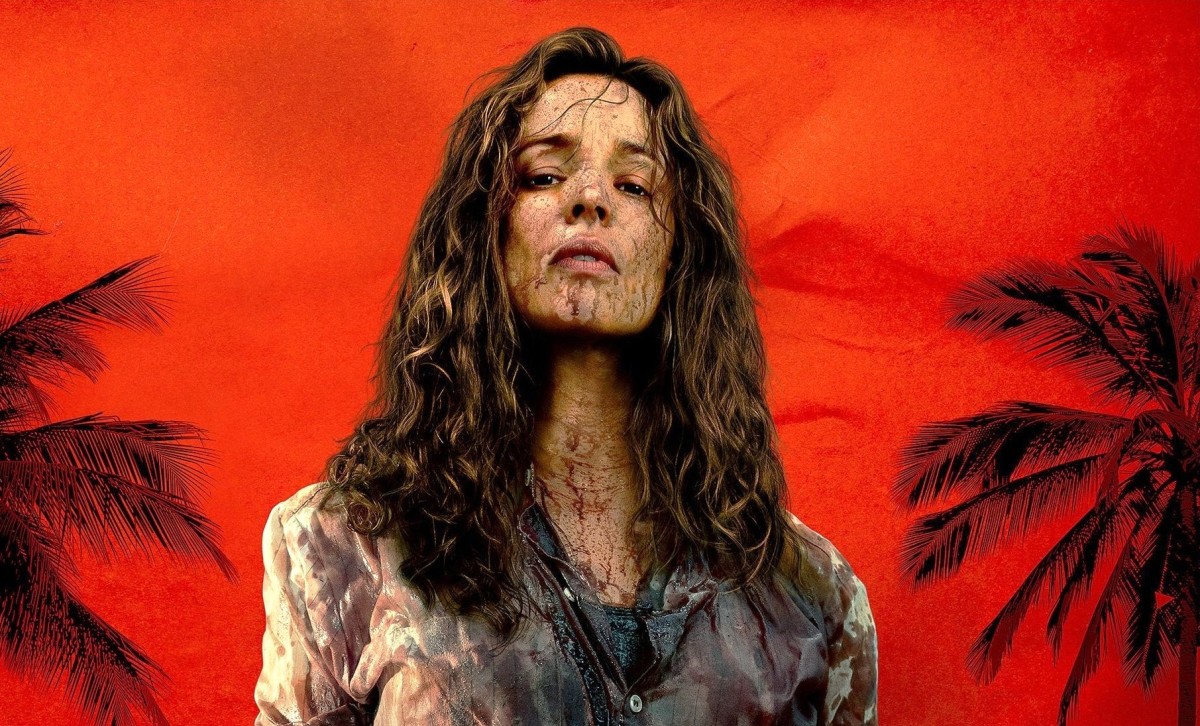
Unfortunately, as Deadpool puts it in "Deadpool & Wolverine," Raimi "bought low," returning to the MCU during a downturn with "Doctor Strange in the Multiverse of Madness"—a film with a script as chaotic as its title suggests. He wasn't able to fully stretch his creative muscles, often relegated to the role of a hired gun patching up Marvel's storylines and planting seeds for future installments. It wasn't until the arrival of "Captive Island" that Raimi's true prowess finally re-emerged. Bloody, thrilling black comedies are where he truly belongs, far more than the world of superheroes.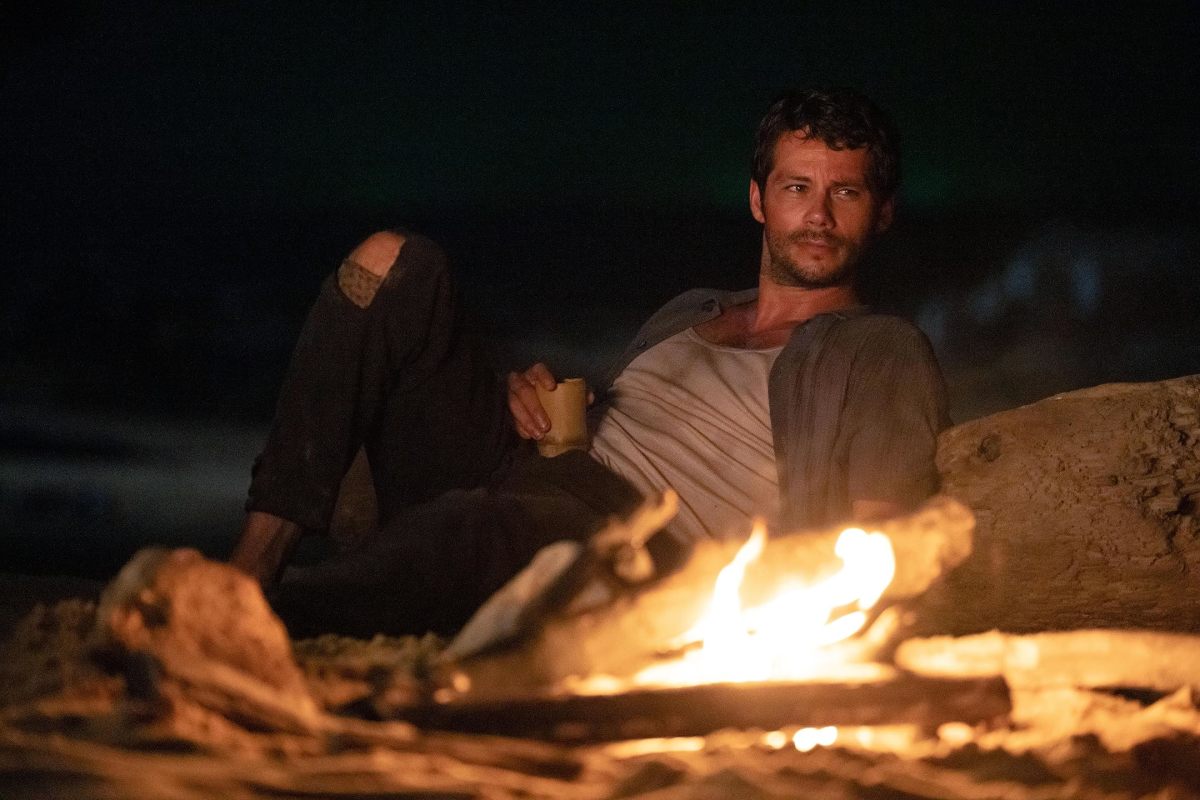
(Photo: 20th Century Studios)
"Captive Island" is Raimi's personal playground—low-budget, creatively free, and packed with his signature cynical humor. For him, filming it was likely as relaxing as a vacation. At first glance, the film appears to be a typical survival movie. Usually, these stories head in one of a few directions: the inspirational and moving route of "Cast Away" or "127 Hours," the brutal, humanity-testing path of "Lord of the Flies," or, in rare cases like "Six Days, Seven Nights" and "The Blue Lagoon," a romance fueled by sexual tension. But "Captive Island" rejects all of these formulas.
"Captive Island" operates with an "anti-genre" spirit. While protagonists in these stories are typically desperate to escape, Rachel McAdams' character is not; she's thriving more here than she ever did in the city. She could probably take over Bear Grylls' hosting duties with ease. And while calling for help from a deserted island is usually impossible, this island isn't deserted at all—a wealthy tycoon owns property on it, but one of the castaways refuses rescue. A man and a woman, stranded alone... sparks are bound to fly, right? The film anticipates this audience expectation and expertly manipulates it. Even when you know you're being played, the execution remains deeply satisfying.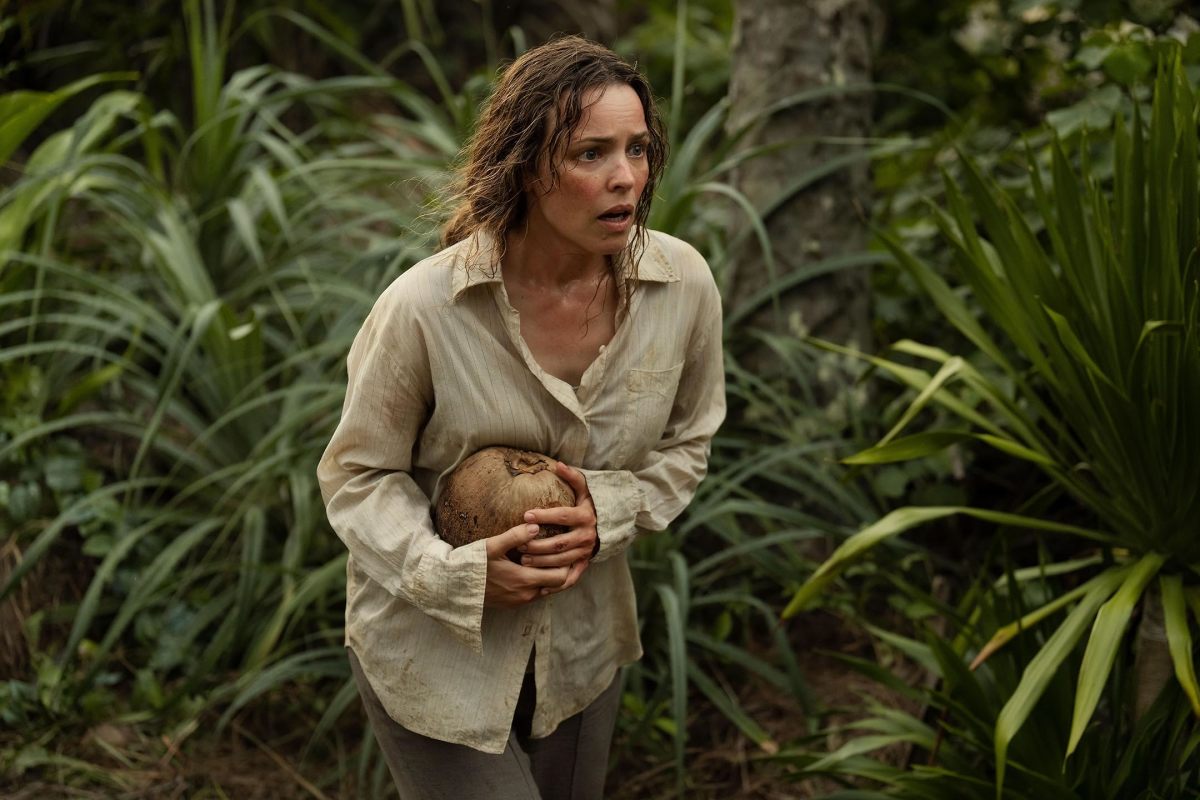 (Photo: 20th Century Studios)
The casting for "Captive Island" is also brilliantly anti-type. The typically sweet McAdams is cast as a homely, marginalized corporate drone. But no matter how well she performs, it's hard to fully buy into it, simply because McAdams is too naturally striking and her "sweetheart" image is so ingrained in the public consciousness. Without extensive practical makeup, her beauty can't be completely concealed, making the performance feel a bit like "acting." For the sake of verisimilitude, someone like Kristen Wiig might have been a more logical fit; her portrayal of "socially awkward" would have been effortless and doubly absurd.
I'm sure Raimi was aware of this, but casting McAdams carries its own gimmick—subverting an established image is always a selling point. And the major "turn" in the finale helps justify the choice, giving it a clear dramatic function. It’s similar to how Michelle Pfeiffer first had to play a meek, overwhelmed secretary in "Batman Returns," or how Uma Thurman had to be a socially inept scientist in "Batman & Robin," all to build contrast for their eventual transformations. In the end, McAdams' character undergoes a similar liberation. The beautiful actress is first made "ugly" because she is destined to be set free, reverting to her stunning "default settings."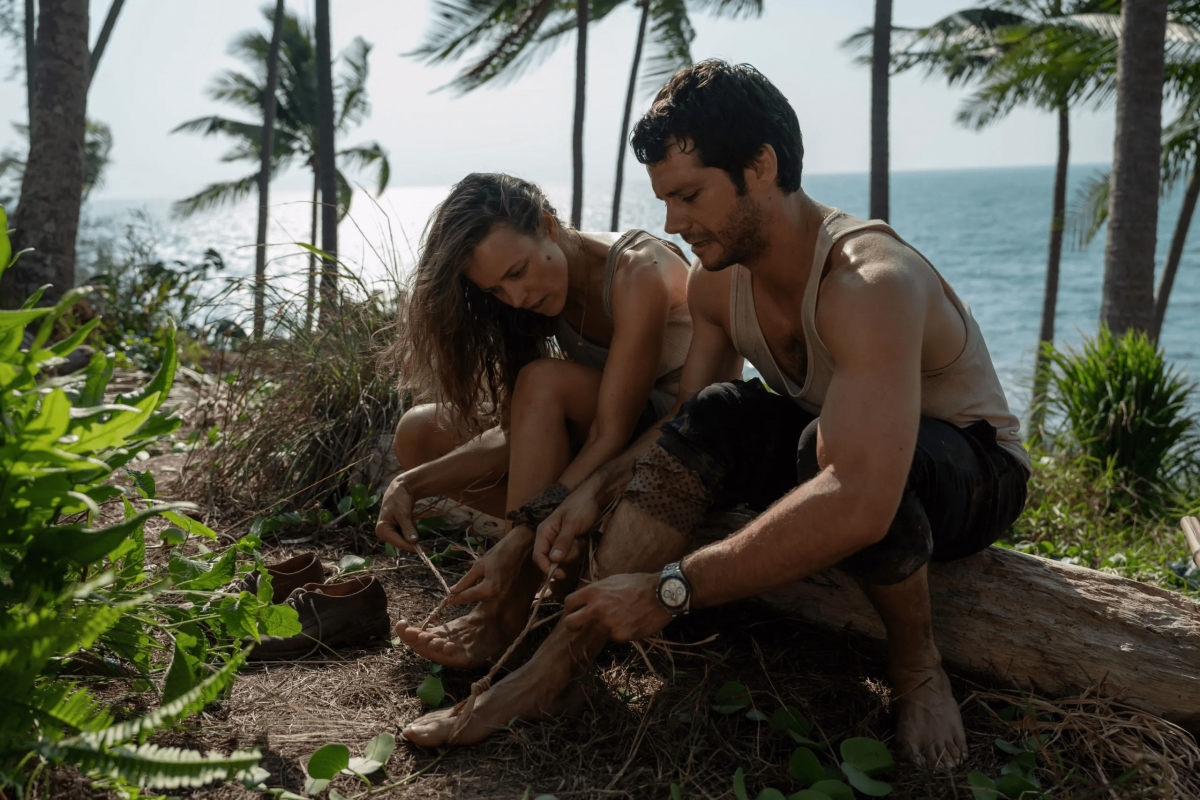 (Photo: 20th Century Studios)
Beyond the subversion of its star's image, the primary joy of "Captive Island" lies in witnessing a reversal of class hierarchy and the puncturing of its illusions. We often complain that bosses reap the rewards while employees do all the work. In this film, Dylan O'Brien plays that very boss, basking in the perks of his status. But once the ecosystem shifts to one where he's at a disadvantage, the master-servant relationship is inverted. Ironically, McAdams' character eventually succumbs to the intoxicating taste of power herself, willing to commit murder to protect her newfound favorable status. She achieves a class revolution, but only by sacrificing a piece of her own humanity.
Fans familiar with Raimi's work know that whether he's directing a Marvel blockbuster or a Disney fairytale, he always finds a way to inject his personal horror quirks—B-movie gore, unsettling visuals, and jump scares punctuated by flamboyant camerawork. "Captive Island" is full of these moments, and you can tell both Raimi and McAdams are having a blast. During the press tour, Raimi shared a particularly memorable anecdote: while filming "Multiverse of Madness," he spontaneously added some ridiculous action beats and worried McAdams would dismiss them as silly and illogical. Instead, she immediately began meticulously calculating the blocking with him. He was stunned, thinking to himself, "Now this is an actor I could work with forever." That rapport is likely a key reason he wanted her for this film. It's crucial for an actor to understand what a director is going for.
More than horror, I hope Raimi directs more pure comedies in the future. The newsroom scenes in his "Spider-Man" trilogy were unforgettably hilarious—their brilliance needs no further praise. His sense of humor is just absolutely, wickedly fantastic.