

The New York State government recently filed a lawsuit against Valve, the parent company of the Steam gaming platform, alleging that the "loot box" mechanics in its games constitute illegal gambling. Valve promptly issued a lengthy public statement, expressing "disappointment" and asserting that its mystery box system does not violate New York State gambling laws.

The lawsuit, initiated by New York Attorney General Letitia James (pictured below), contends that the randomized box mechanics in Valve's games, such as "Counter-Strike 2" and "Dota 2," are inherently similar to gambling and thus potentially violate relevant laws. In its statement, Valve noted that the company had received inquiries from the Attorney General's office in early 2023 and had already provided a detailed explanation of how the mechanism operates. 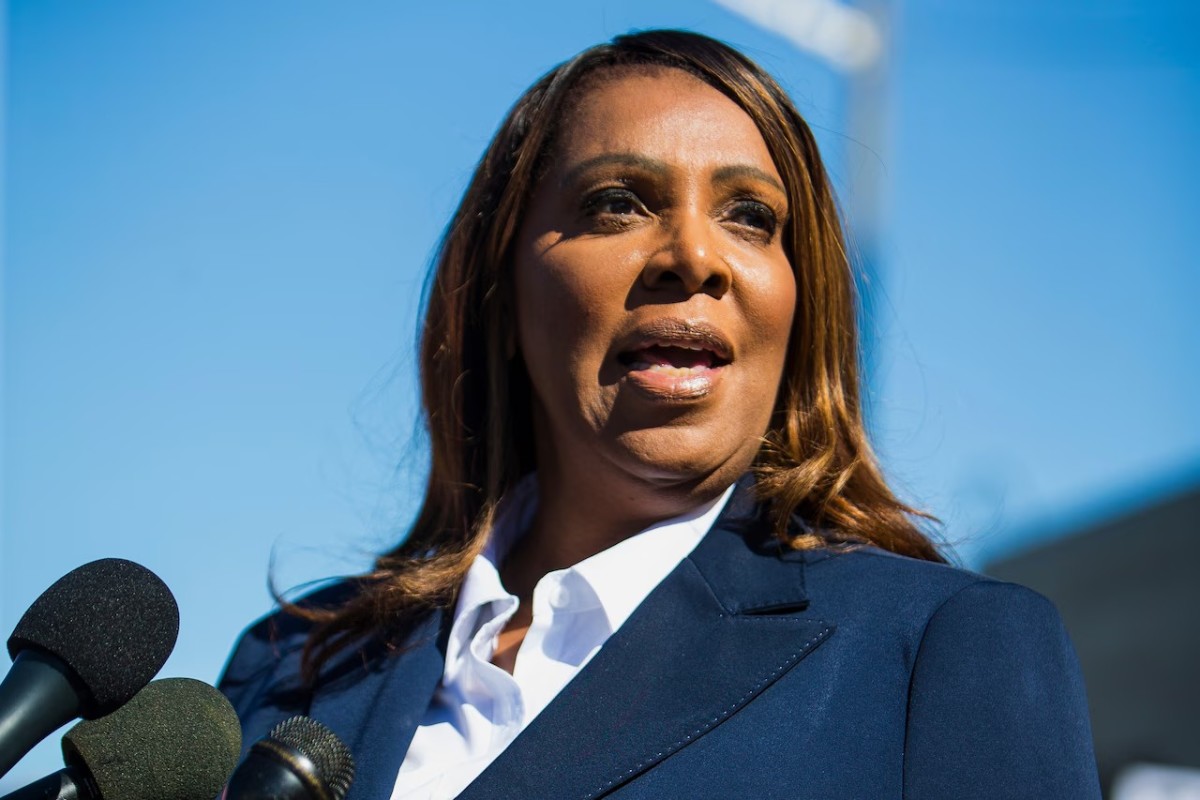
Valve pointed out that the so-called "mystery boxes" are not a mechanism unique to the gaming industry but rather a business model that has long existed in the real world. Valve stated, "These types of boxes are widely used, not just in video games but also in the real world. Generations of people have purchased baseball card packs, blind boxes, or blind bags, then traded or sold the items they received."
The company further illustrated how similar mechanisms are already prevalent in the physical goods market. "Products like baseball cards, 'Pokémon' cards, 'Magic: The Gathering' cards, and even collectible figures like Labubu are all sold through randomized packaging," Valve said, also noting that similar digital systems have been present in the gaming industry since as early as 2004.

Valve also emphasized that players are not required to purchase or open mystery boxes to play games normally. Valve stated, "In fact, most players do not open boxes at all; they simply play the games. The items within the boxes are purely cosmetic and do not affect game balance, ensuring that players who choose not to spend money are not at a disadvantage."
Regarding concerns about gambling websites, Valve stated that the company has long taken measures to prevent third-party platforms from using Steam game items for illegal gambling. Valve affirmed, "Valve does not partner with gambling websites." The company noted that it has already blocked over 1 million Steam accounts involved in gambling, fraud, and theft.
Furthermore, Valve has introduced several system features to mitigate risks, including trade rollbacks and trade cooldowns, to prevent gambling websites from exploiting player accounts for transactions. The company also prohibits any gambling-related businesses from sponsoring or participating in its esports events.

Valve also expressed strong concerns regarding some of the reform demands made by the New York Attorney General. These include a demand to make items within loot boxes non-transferable. Valve argued that the transfer mechanism for digital items is no different from trading real-world collectibles. Valve stated, "Players can transfer items through Steam trading or the Community Market, just as people can sell or exchange Pokémon cards or baseball cards."
Valve further stressed, "Transferability is beneficial to consumers. We believe this is a right that should not be taken away, and therefore we refuse to remove this feature."
Beyond the trading system, the New York Attorney General also demanded that Valve collect more player data to identify whether New York users are concealing their location via VPNs. Valve stated that implementing such measures would mean introducing "highly intrusive technology" for all users worldwide. Valve believes such an approach not only impacts privacy but also conflicts with the company's consistent data protection principles.
Valve stated that most payment methods already include age verification mechanisms. Therefore, there is no need to collect additional personal data. The company noted, "We know players highly value personal information security, so collecting only the minimum information necessary for operation and legal compliance is in the best interest of both the company and its users."
Valve concluded its statement by saying that if the New York State legislature formally enacts laws specifically targeting loot boxes in the future, the company will, of course, comply. However, Valve also stressed that the Attorney General's current demands "far exceed the scope of existing laws" and could even extend beyond New York State.
Valve stated, "Ultimately, the courts will decide whose position is correct — ours or the New York Attorney General's." The company also urged players to follow the case's future developments, as the outcome could impact the gaming experience for players in New York and other regions.
via: Eurogamer