

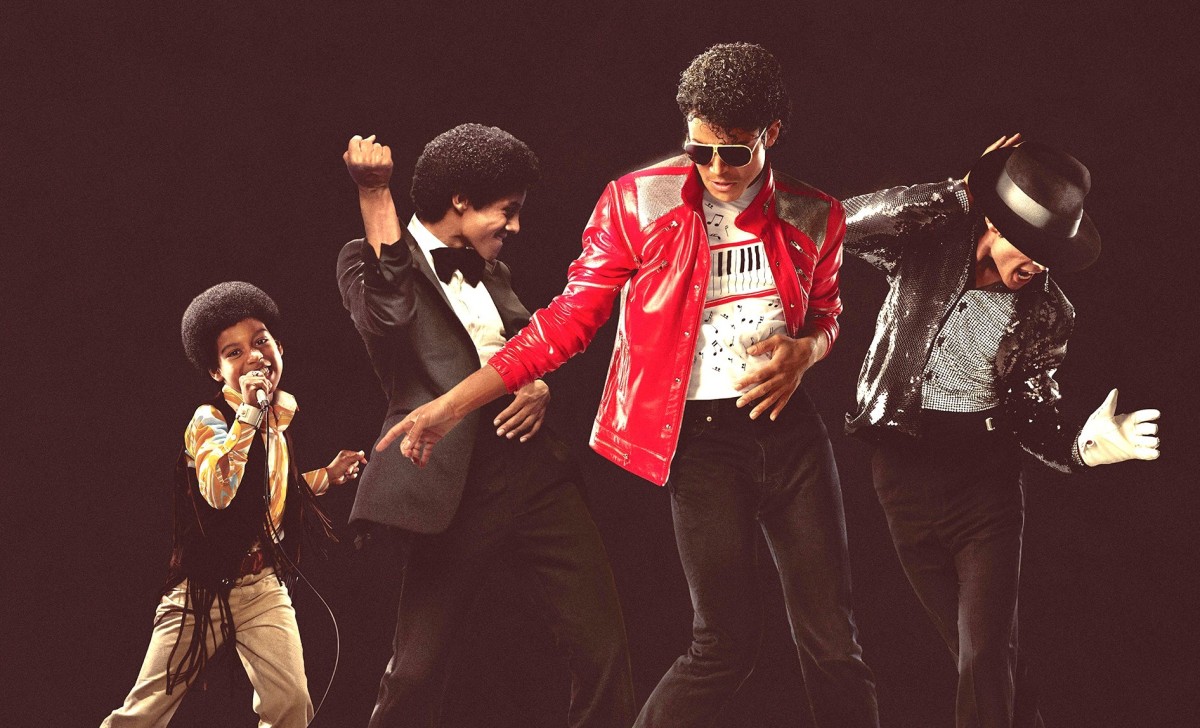
 (Image Source: Lionsgate)
I'm a Michael Jackson fan (who isn't?), but I had absolutely no anticipation for this film. And before you ask why I'd watch a movie I don't anticipate, my rationale is simple: I need to see it to judge it – a concept I call "verification." My low expectations began the moment the project was announced. When it was revealed that Graham King, the producer behind "Bohemian Rhapsody," had secured the rights, I knew he aimed to replicate that film's success, perhaps even surpassing it – not in quality, but at the box office. As a Queen fan myself, I loathed "Bohemian Rhapsody," which gave me a clear indication that King would likely double down on that film's formula.
If you enjoyed "Bohemian Rhapsody," you're probably already heading to the comments section to blast me. But if you, like me, despised it, then you'll understand exactly what I mean. "Bohemian Rhapsody" hit every biopic pitfall: a meandering, unfocused narrative that glossed over the most dramatic and sensitive aspects of its subject's private life, ultimately saying much without revealing anything substantial. Its global success, grossing over $900 million, was purely due to its clever reliance on nostalgia, using unnecessarily long musical montages to compensate for its anemic storytelling. It wasn't a film; it was an oversized karaoke session, a tribute band performance with a bigger budget. 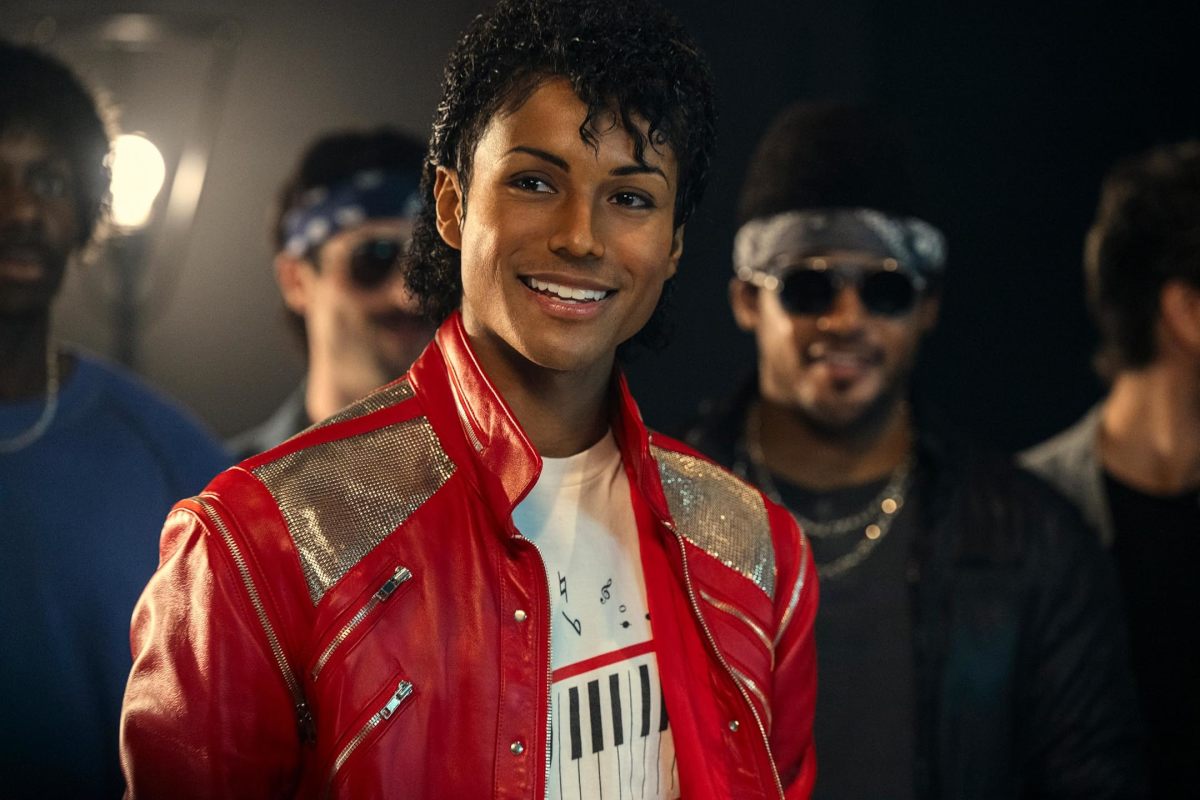
(Image Source: Lionsgate)
The criticisms leveled against "Bohemian Rhapsody" apply equally to "Michael Jackson." Even the trailer clearly showcased a heavy emphasis on musical numbers and lavish, often artificial-looking CG sets. These aren't typical for biopics, which are usually mid-to-low budget productions without the resources for such grand spectacles. Yet, "Michael Jackson" features not just many, but an excessive and fragmented array of them. For me, this was an undeniable red flag. If your sole desire is nostalgia, or if you're content with a tribute band-style imitation, then you can stop reading here. We're not on the same wavelength, and the rest of this article won't be what you want to hear – especially if you're a sensitive MJ fan, as finishing it might just make your eyes bleed.
Unsurprisingly, the film fully confirmed my initial suspicions. Every dramatic scene felt like a mere interlude, designed solely to bridge the musical performances, with no discernible intent to delve deeper into his story. I know Michael loved "Peter Pan," that he had a chimpanzee, that he had plastic surgery on his nose, and that his fondness for "The Wizard of Oz" led him to star in a film adaptation. However, these details were presented like random trivia points from an IMDb artist page, never coalescing into a coherent, interwoven narrative. They were simply included because they happened, not because they served the story. 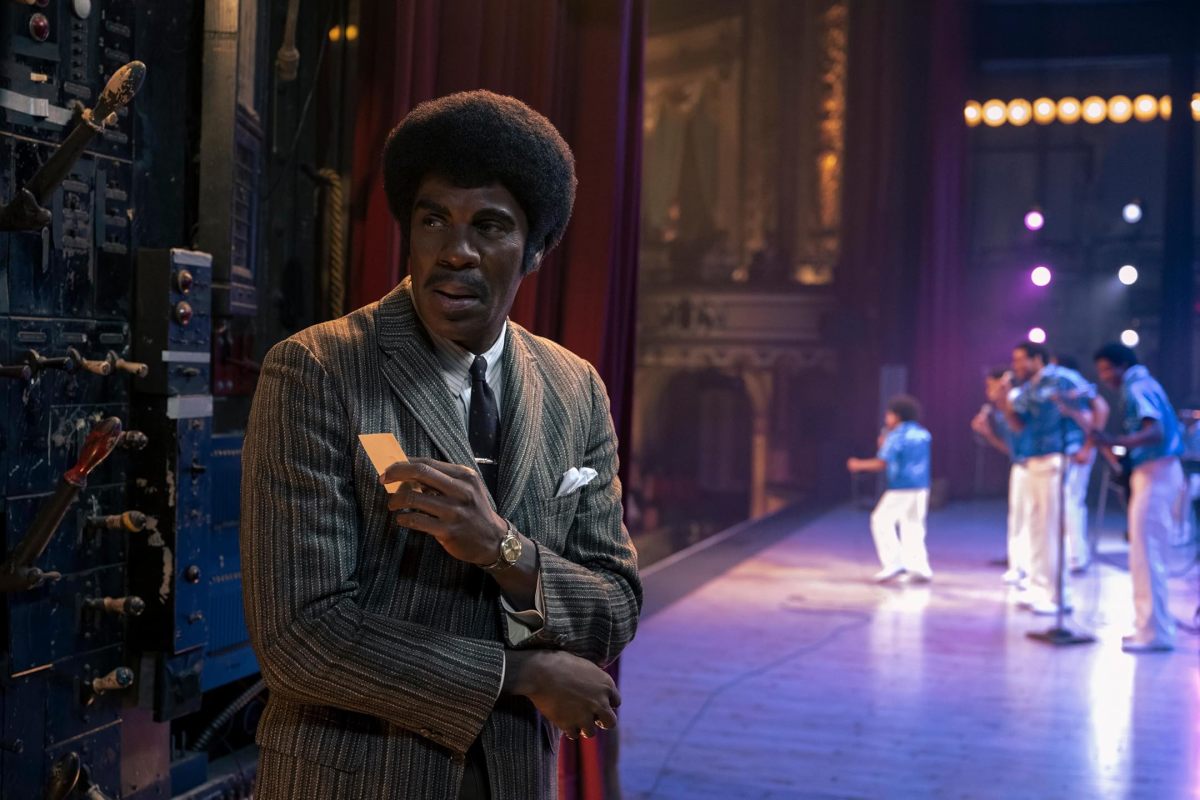 (Image Source: Lionsgate)
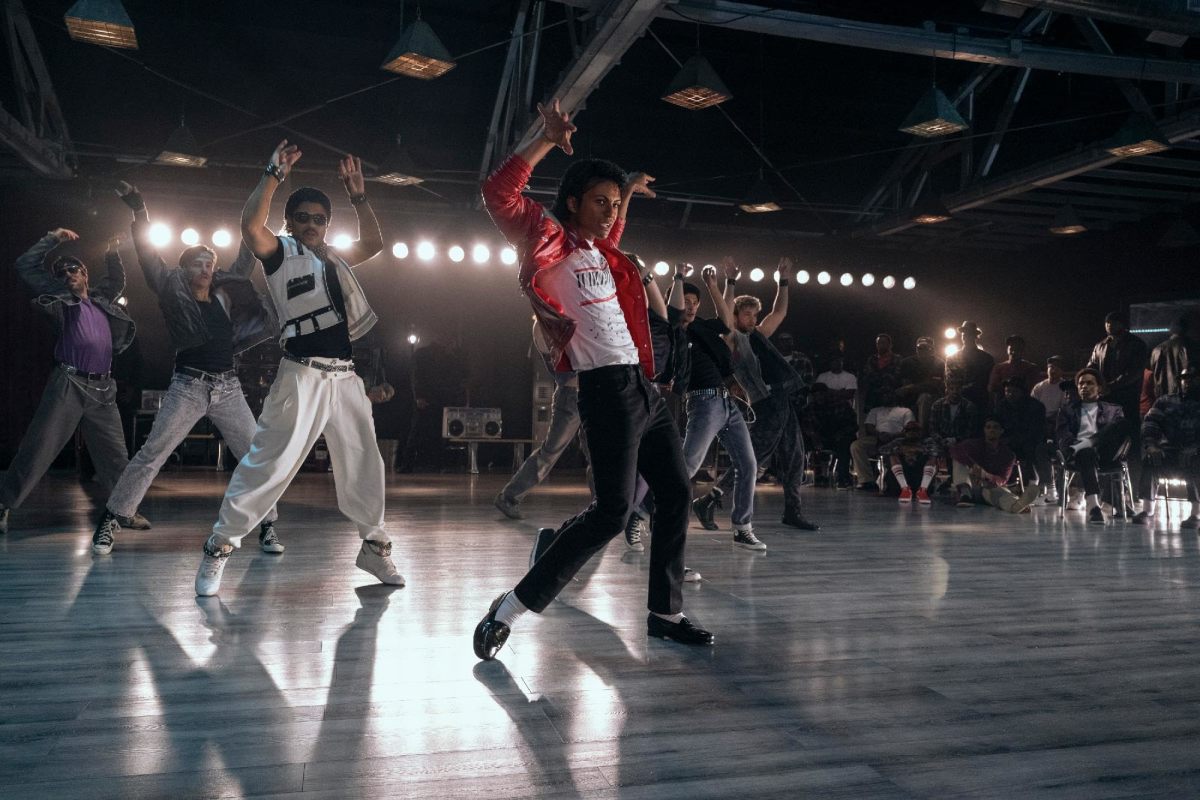
What about depicting Michael's creative process? That too was merely touched upon. The only method the filmmakers seemed to conceive was showing Michael experiencing a divine spark of inspiration whenever he saw an interesting news report or film on TV. Once might be acceptable, but repeating this two or three times, focusing only on the sudden flash of insight without any further detail, felt cheap and perfunctory. At best, the rehearsal process for "Thriller" offered a slightly deeper look, but even that, when viewed alongside other segments, failed to generate any real tension. While it might superficially satisfy an audience's voyeuristic desire for a glimpse behind the scenes of a legend, that satisfaction is fleeting and quickly fades. The entire sequence lacked any dramatic substance or emotional resonance, rendering it an empty shell.
Perhaps some might argue that Michael was simply that brilliant, that his creative process was effortlessly genius, with every stroke a classic, encountering no obstacles and proceeding smoothly. Whether that's true or not, even assuming it is, if his creative journey was so uneventful as to be boring, why dedicate so much screen time to it? Why not condense it and instead focus more on his fraught relationship with his father? As the final product stands, this segment, which should have been the most compelling and emotionally rich, was handled quite blandly and without impact. The struggle, the tension, the desire to break free yet finding it difficult – none of that power was effectively conveyed. 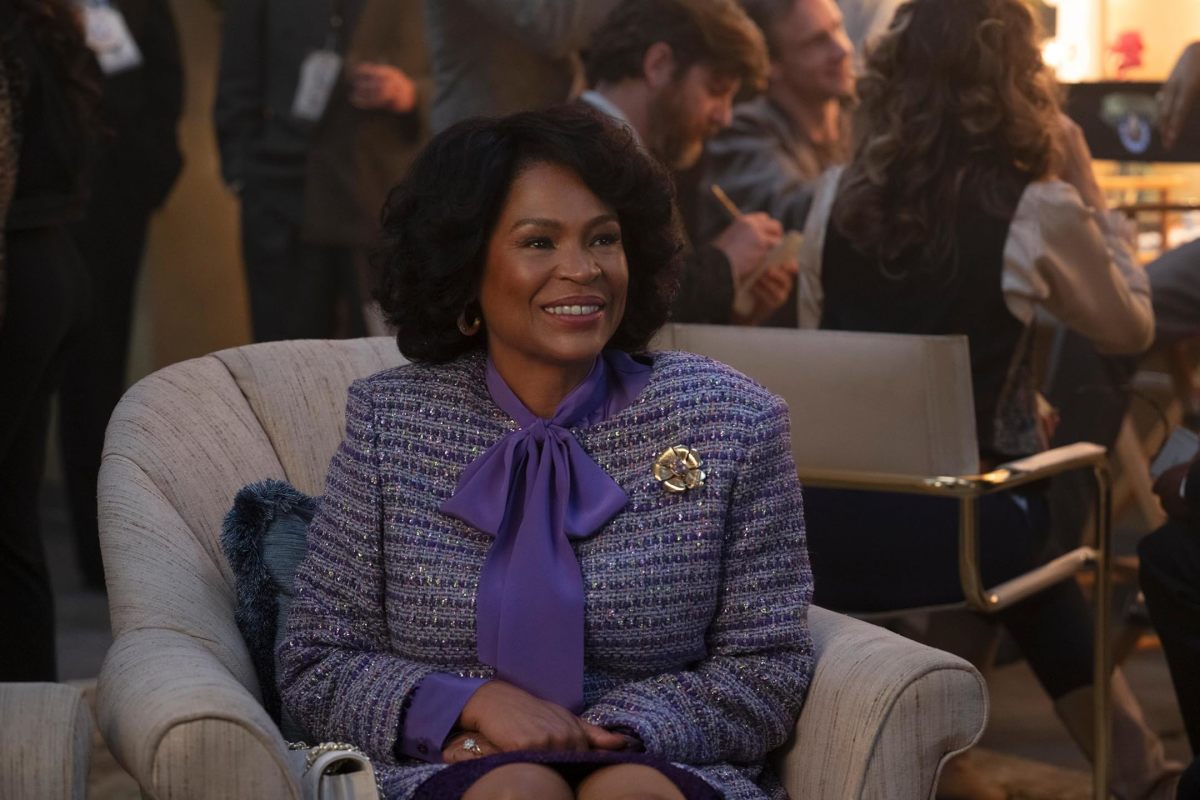 (Image Source: Lionsgate)
Ideally, Joseph Jackson's presence in this film should have been a constant, haunting shadow. Michael should have been the prisoner, and Joseph the most ruthless jailer in the entire institution. In a way, "Michael Jackson" shouldn't be a traditional biopic; its genre positioning should be that of a prison movie. Much like Christopher Nolan described "Oppenheimer" as being filmed with the logic of a "heist movie," identifying the inherent genre framework of the subject matter is crucial for storytelling. For "Michael Jackson," its essence is a prison break film, and only by approaching it that way could it truly convey Joseph's control over his children.
"Michael Jackson," however, fails to find its genre identity, let alone a clear theme. I know some will argue, "The film's theme is charting the journey from the formation of the Jackson 5 to the release of 'Bad'." That's not a theme; that's a damn timeline. Would you say the theme of "The Lord of the Rings" trilogy is "the Third Age"? I believe most would agree that "escaping a toxic relationship" is the true theme of this film, yet it barely develops this storyline. The movie often gets lost in a superficial, fragmented review of Michael's brilliance and achievements, like quickly flipping through an old photo album. Only occasionally does it seem to realize it's been too engrossed and thinks, "Oh right, Michael's dad's progress bar has been stuck for too long; let's have him exploit his son again."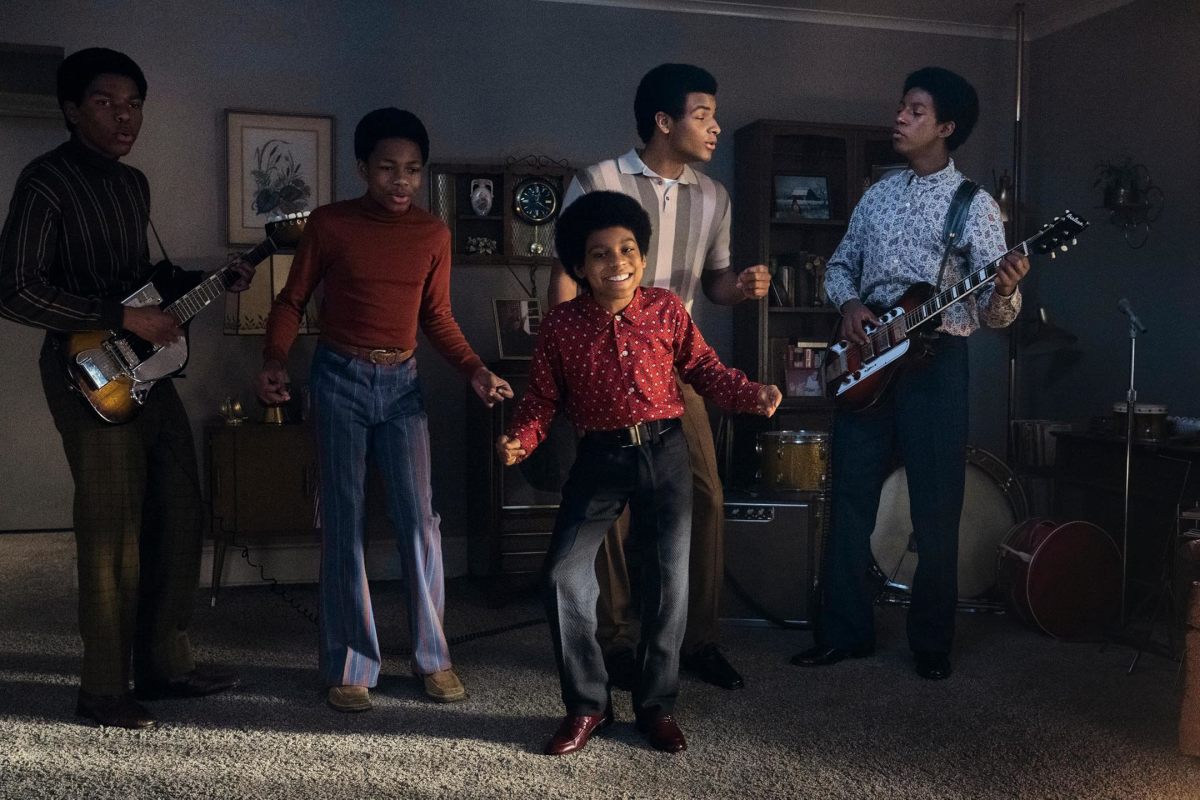
(Image Source: Lionsgate)
This method of character development made it impossible for me to empathize with the oppression Michael felt. I only found his father's demeanor and actions comical. The Joseph I pieced together in my mind from news reports, old interviews, various biographies, or even just Wikipedia, was a hundred times more loathsome than what the film presented. I know there's another type of person who will defend it with the excuse, "The movie is only two hours long; it can't cover everything." Anyone who says that clearly hasn't watched many movies, and certainly not many biopics.
Such people assume biopics can only be chronological accounts, completely unaware of the popular approach now: "focusing on specific events." More precisely, it involves interpreting a small segment of the biographical subject's life that "best defines who they are, best showcases their values, and best embodies their beliefs and spirit." Examples include Gary Oldman's Oscar-winning "Darkest Hour" and Michael Fassbender's "Steve Jobs." The latter might be the most direct reference for "Michael Jackson"; just as Jobs' life was defined by three crucial presentations, Michael's could be defined by three pivotal concerts. 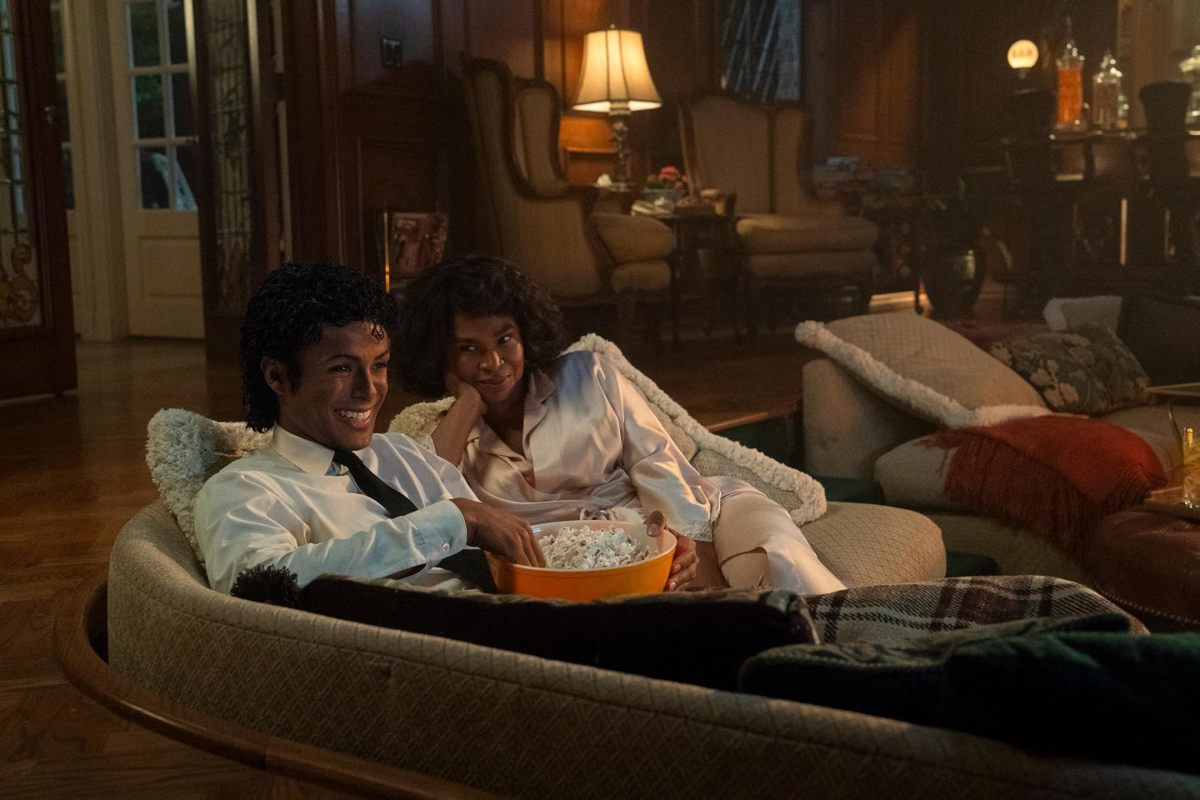 (Image Source: Lionsgate)
Even among chronological musician biopics, there have been recent successes, "Rocketman" and "Better Man" being two. "Rocketman" wasn't entirely chronological; it used Elton John's time in rehab as a starting point to weave together his rise to fame. The case of "Better Man" is more unique; it is a genuine chronological account, and even more like a greatest hits medley than "Michael Jackson." However, its wildly imaginative director pulled out all the stops, using magical song and dance and surreal transitions to connect Robbie Williams' most private, romantic, and ugly life moments, all while neatly organizing the story's key points.
So many biopics know how to tell a good story, so why couldn't "Michael Jackson"? Doesn't Michael deserve a comprehensively excellent biopic? Must his biographical film merely peddle cheap, vulgar nostalgia? I can probably guess the taste and logic behind this. Those truly in charge of the production likely thought, "Michael's movie can't be like those small-budget dramas, filmed as a small-scale awards season indie. If we're going to do it, we're going big. Everything must be epic, with a vast narrative scope, covering a bit of everything to make it seem like a blockbuster."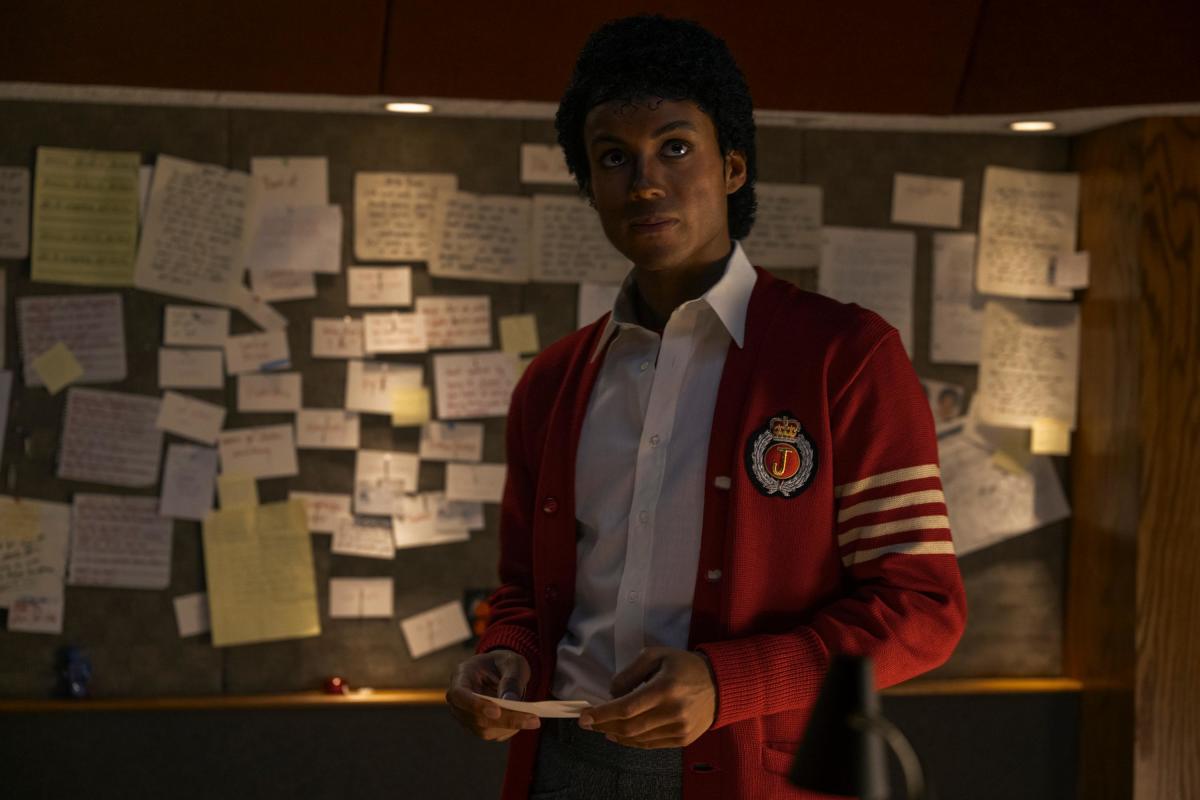 (Image Source: Lionsgate)
Stepping back even further, "Michael Jackson" was arguably doomed from the start. The horde of "vampires" in the Jackson family (excluding Janet and Paris, who respectively refused to authorize an actor to portray her and bluntly criticized the film's content as lies, both boycotting the premiere) undoubtedly offered "a lot of suggestions." Furthermore, due to the terms signed with the families who accused him of sexual assault, the film was prohibited from dramatically portraying the child molestation allegations. This meant the movie was half-crippled from its inception, virtually stripped of much of its potential.
The sexual abuse trials would have been a powerful narrative entry point—the very moment that, as I mentioned earlier, "best defines him as a person." Those legal battles connect to so many crucial origins in Michael's life: his quest to reclaim a lost childhood, his reasons for maintaining a Peter Pan-like innocence, and how these factors influenced his career, his art, and the misunderstandings that ultimately plagued him. It's like if I were to make a Johnny Depp biopic; I would absolutely use his trial with Amber Heard as the starting point. That case was intrinsically linked to every experience in his life. Watching the nearly two-month-long courtroom livestream was like witnessing a complete history of his rise and fall, from birth to his public image's implosion.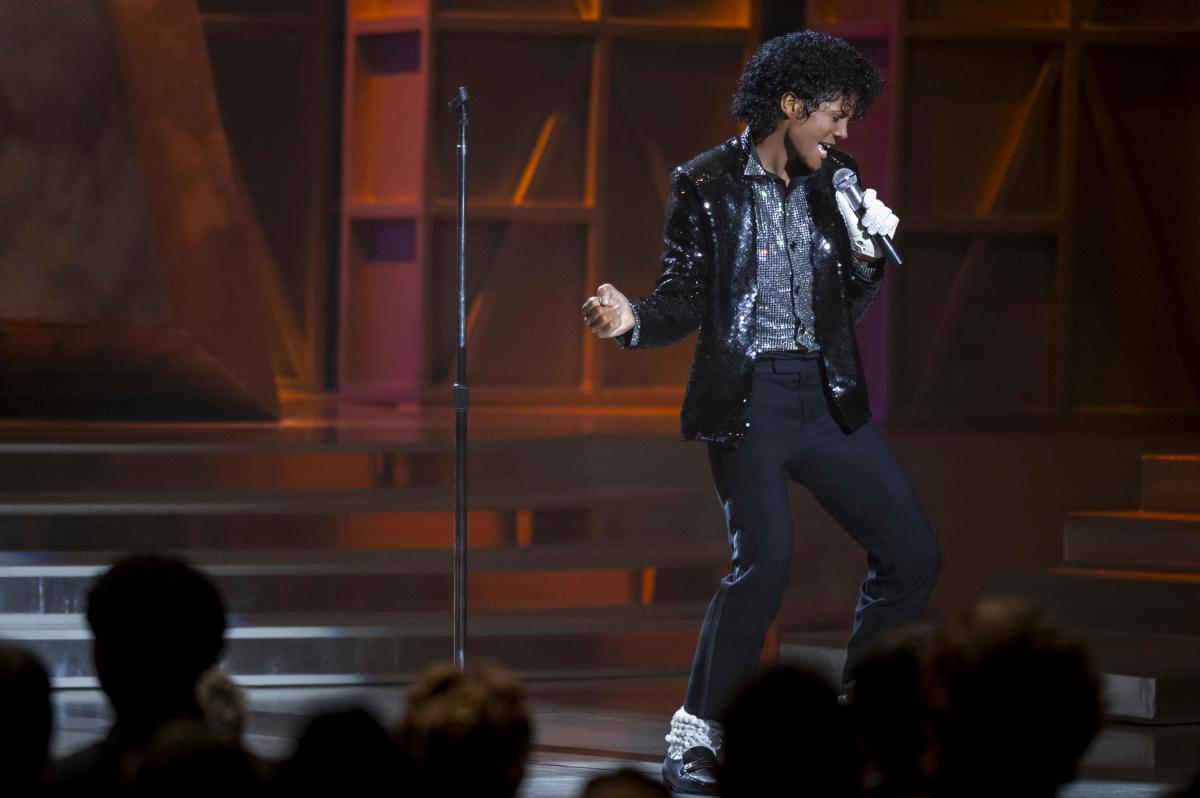
(Image: Lionsgate)
I know some Michael Jackson fans are incredibly sensitive, almost to the point of trauma, reacting as if the slightest touch could lead to pregnancy. The moment they hear someone suggest that omitting the sexual abuse trials is a missed opportunity, they're immediately up in arms, ready to attack. To them I say: take a cold shower and cool off. My point isn't to support tarnishing or whitewashing Michael's legacy. I simply believe the trials are excellent creative material. To truly dissect Michael Jackson, that is the most fitting place to make the first incision. Regardless of one's stance or motive, that is where the most valuable story lies.
If you're the type of person who will defend to the death the decision not to portray the sexual abuse trials, then I think you're no different from those who tried to silence people with gag orders back then. If you only want to see concert scenes for a quick thrill and then smear any critic who points out the film's narrative flaws as someone trying to attack Michael, then I'd argue you're not a loyal enough fan. Those critics are lamenting that Michael didn't get a better-quality biopic, while you seem to think he only deserves this caliber of work. Their criticisms aren't far from what I've written above. And if you believe that pointing out these flaws is tantamount to accusing Michael of sexual abuse, then I can only say you're no different from those who accused him in the first place.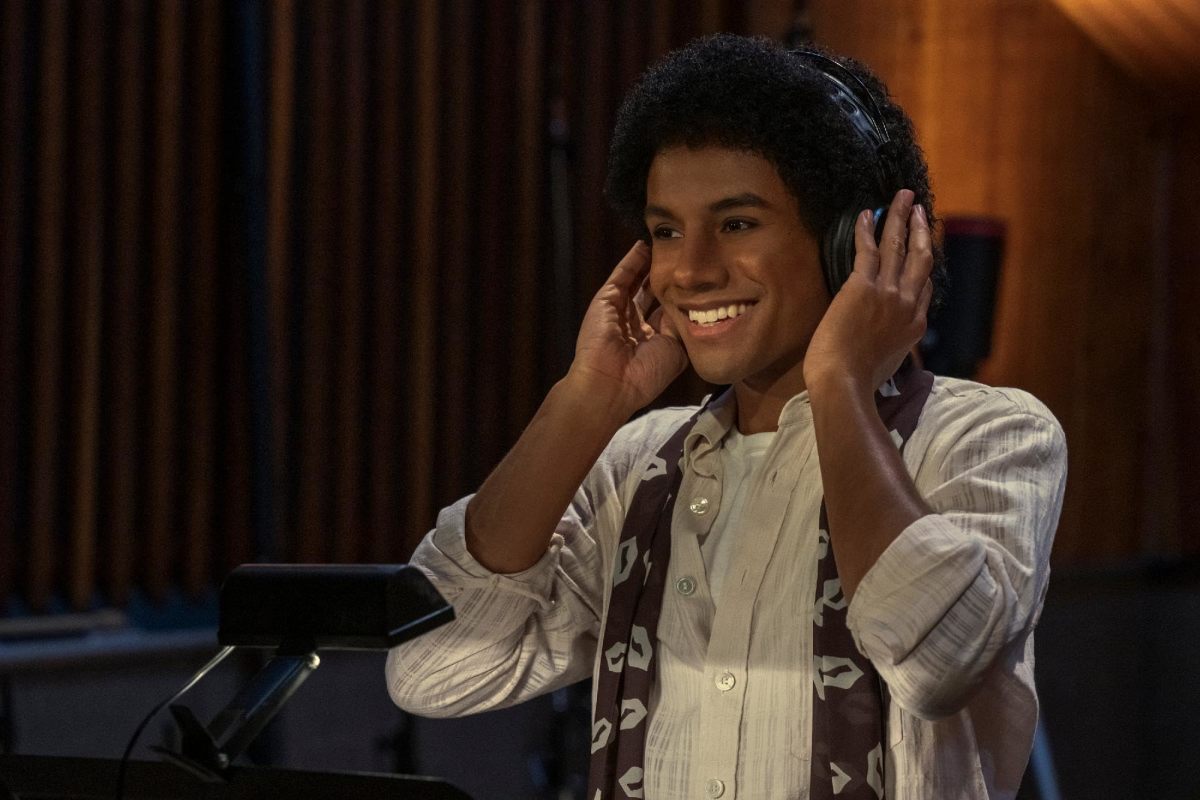 (Image: Lionsgate)
But I'm well aware that the vast majority of viewers who attack critics have never actually read their full reviews. Their understanding of film criticism is often limited to news headlines, out-of-context excerpts, and Rotten Tomatoes score screenshots. The only foreign media outlet they probably recognize is IGN (and maybe The Guardian, thanks to "Glee"). My point isn't that reading their full articles will convince you, but if you don't, you'll just misinterpret them and lash out blindly. It's like if you told me Marvel's "Secret Invasion" was great but couldn't explain why; I'd think you were full of it. But if you could articulate a coherent argument, I would respect it even if I disagreed. At least I'd know you weren't just talking nonsense. But if you refuse to understand the full context behind a critique (and understanding doesn't mean agreeing), the only rebuttal you can offer is hate.
A good biopic—or any film truly worth watching—has a point of view, a vision, a specific angle. Just like a film review, the most thought-provoking pieces (even those that provoke anger) are those with a clear perspective. A piece without a clear perspective is just a plot summary. In "Michael," I see no point of view, no vision. I don't see how the writers and director view Michael Jackson as a person. I see no passion or ideas about his life experiences. I only see that they had no idea how to adapt his life into an interesting story. Everything feels diluted, blander than plain water.
 (Image: Lionsgate)
The only part that isn't bland is Jaafar Jackson. He doesn't look much like his uncle, and his acting isn't particularly strong (the director sometimes uses extreme close-ups, seemingly to avoid showing his facial performance in static scenes). However, his physical movements and dazzling stage presence come incredibly close to Michael's. His soft vocal tone and mannerisms are also impeccably imitated, with detailed special effects makeup certainly helping. Whenever Jaafar starts dancing, it feels like the theater ceiling is about to collapse. Furthermore, the sound design is exceptional, creating an immersive experience that is second to none, especially during the final "Bad" concert sequence, which represents the film's audiovisual peak.
But thrills aside, from a purely cinematic standpoint, every scene after Michael Jackson takes the stage for the "Bad" concert could have been cut. There was absolutely no need to show or film the entire performance. The reason it was kept, however, is easy to guess: it's what the audience wants to see. It's the most entertaining, juicy part—the real box office draw. But I believe some discerning viewers already realized the perfect moment to end the film had already arrived: the shot of Michael's back as he first walked on stage. If the film had cut to black right there, with the title card appearing over the peak roar of the crowd, the impact of Michael breaking away from his father would have been far more powerful. Using that negative space to carry the emotional resonance would have been a much more sophisticated and effective technique.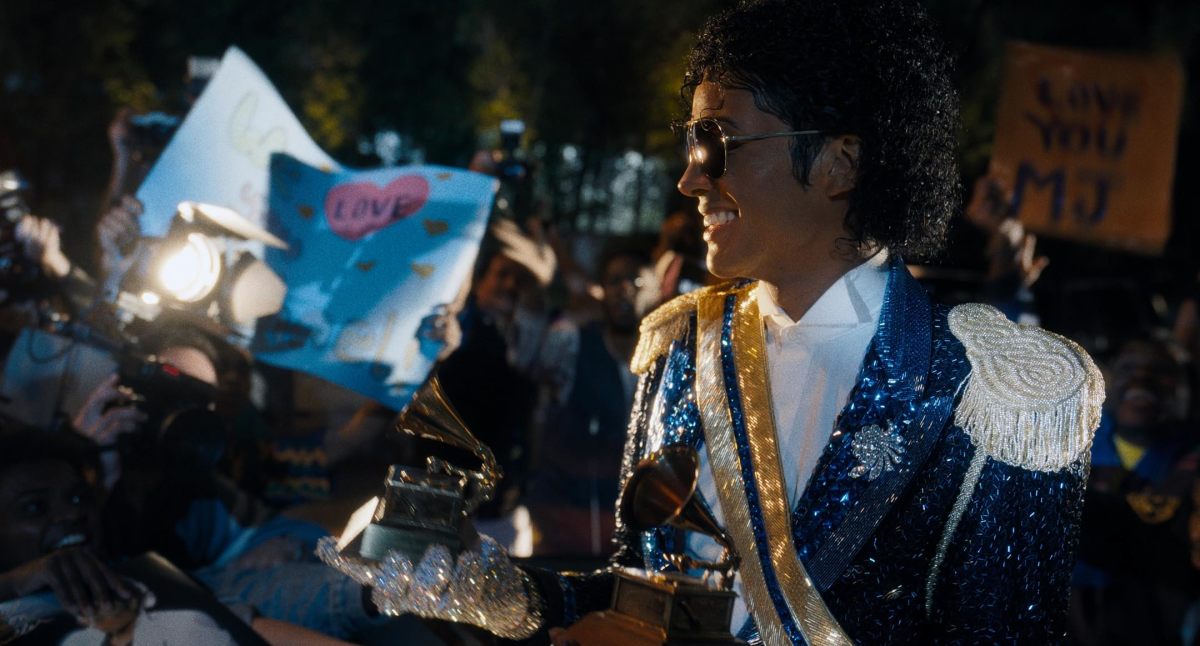
(Image: Lionsgate)
By actually playing out the entire concert, the film loses all its lingering impact. Sure, it's a blast to watch, but it creates a completely different emotional tone from everything the story had been building. It's not that showing the concert is impossible, but it would require a complete reconstruction of the ending. The performance itself would need to have its own narrative drive, a goal to work towards, rather than just being hollow, purely audiovisual stimulation. Trust me, the viewing experience would be infinitely better if there was a story unfolding behind the music. Take the final performance in "Whiplash"—would that ending have had the same powerful impact if it was just Miles Teller drumming his heart out for ten minutes? No. That finale is a mic drop moment precisely because his drumming is part of a tense power struggle with J.K. Simmons, a duel that culminates in a transcendent ritual that elevates both of them. But I know producer Graham King doesn't care. He did the exact same thing with "Bohemian Rhapsody," letting the entire Live Aid concert play out at the end. He knows audiences will choose spectacle over story, so he's pulling the same trick again.
Lately, I've seen a lot of MJ fans "proactively" spreading the word that "Michael" is a two-part film and that the sexual abuse allegations will be addressed in the second part, arguing it's unfair for critics to pan the first film for omitting them. Let me be clear: the whole reason "Michael" was split into two movies is because they *couldn't* film the sexual abuse trial! It was originally a single film, and the plotlines involving the trial were reportedly cut *after* filming because certain legal clauses were discovered. How could they possibly appear in the second half? The reason the first part's plot feels so diluted is largely the fault of the Michael Jackson Estate for not clarifying these issues before production began. This forced the crew not only to keep a lot of disposable content, stuffing the film with what feels like useless deleted scenes from a DVD's special features menu, but also to shoot even more filler just to connect the material that should have been cut in the first place.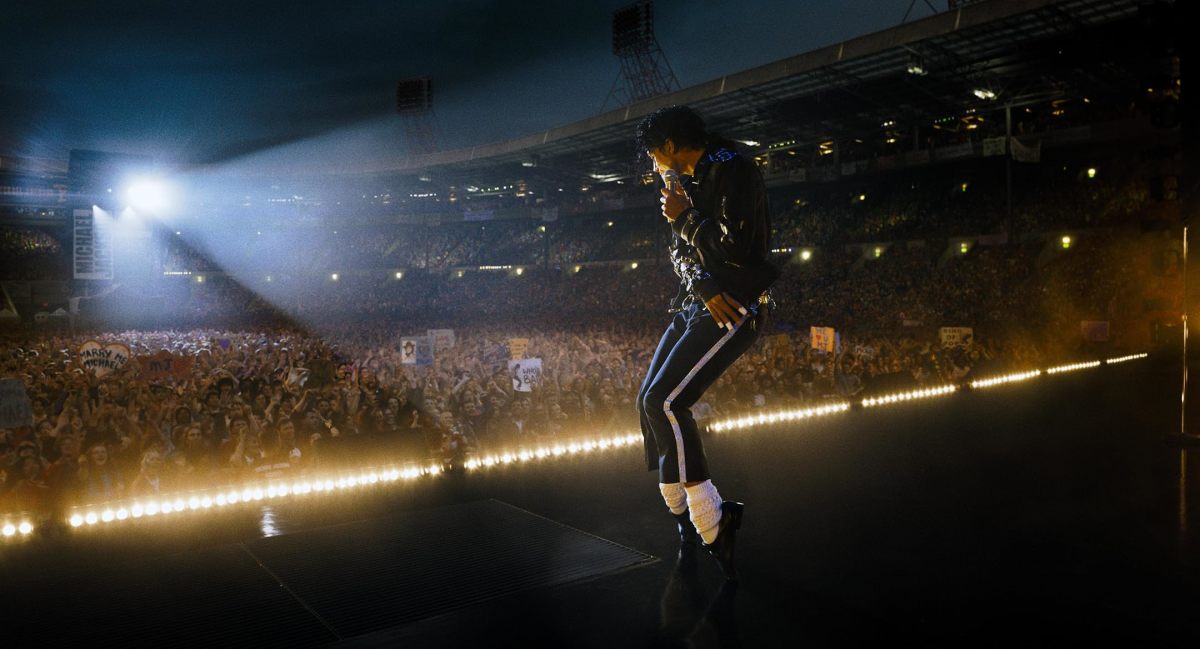 (Image: Lionsgate)
Let me reiterate: if you're just here for the nostalgia and don't care about the plot, you don't need to waste your time with my opinion. But if you're someone who believes this film deserved better, then you'll understand that many of the people involved in its production are simply spoiling it for everyone. When I saw the "His story will be continued" title card in the theater, my heart just sank. I'm not only disheartened that the second half will undoubtedly be just as bad, but also that the vampires in Michael's family couldn't even secure a decent film for him. They failed, and yet they continue to cash in on his name. How ironic that even after his death, Michael is being forced by his family to go on another concert tour—this time in movie theaters. I don't know about anyone else, but I can't be moved by this film. If it were good, maybe. But it's just plain bad. This isn't mediocrity; it's just bad. To have this many resources and produce something like this is simply bad.
And don't even start with the "box office will prove the critics wrong" argument. I hate to even bring it up, but look at how every "Avatar" movie gets slammed online for being "mediocre, terrible, melodramatic, and all style over substance" the moment it leaves theaters. You can't have it both ways. And don't give me the "it's a movie for the fans" line. This is a film about Michael Jackson. Acting as if he's some niche artist and using "fan service" as an excuse is just pathetic.