

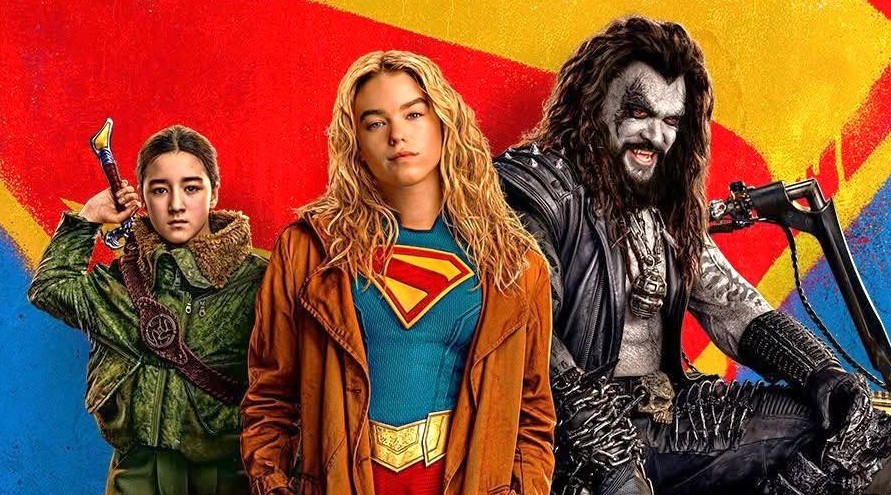
 (Image: DC Studios)
(This article contains spoilers. Read at your own risk.)
I absolutely loved James Gunn's "Superman," so naturally, my expectations for "Supergirl" were high. Gunn placed immense trust in screenwriter Ana Nogueira, a former actor who recently pivoted to writing. Despite her relatively new career as a screenwriter, Gunn quickly elevated her to a core creative mind in the DC Universe, entrusting her not only with "Supergirl" but also the new "Wonder Woman" and a live-action "Teen Titans." This level of confidence suggested she must have something special.
But after watching "Supergirl," I can't help but question if Gunn's faith was a miscalculation. To put it kindly, "Supergirl" is barely average. To be blunt, it had no business being this generic. The warning signs appear right from the opening scene, where the villain, Krem of the Yellow Hills, wipes out a family. The sequence is a blatant riff on the opening of "Inglourious Basterds," essentially a rehash of Colonel Landa's interrogation of the French farmer. However, the dialogue is so focused on dumping exposition that Krem's menace is only half-realized, and the family's terror never fully registers. When they are hastily killed off, leaving only the daughter alive, I felt none of her supposed rage or desire for revenge.
(Image: DC Studios)
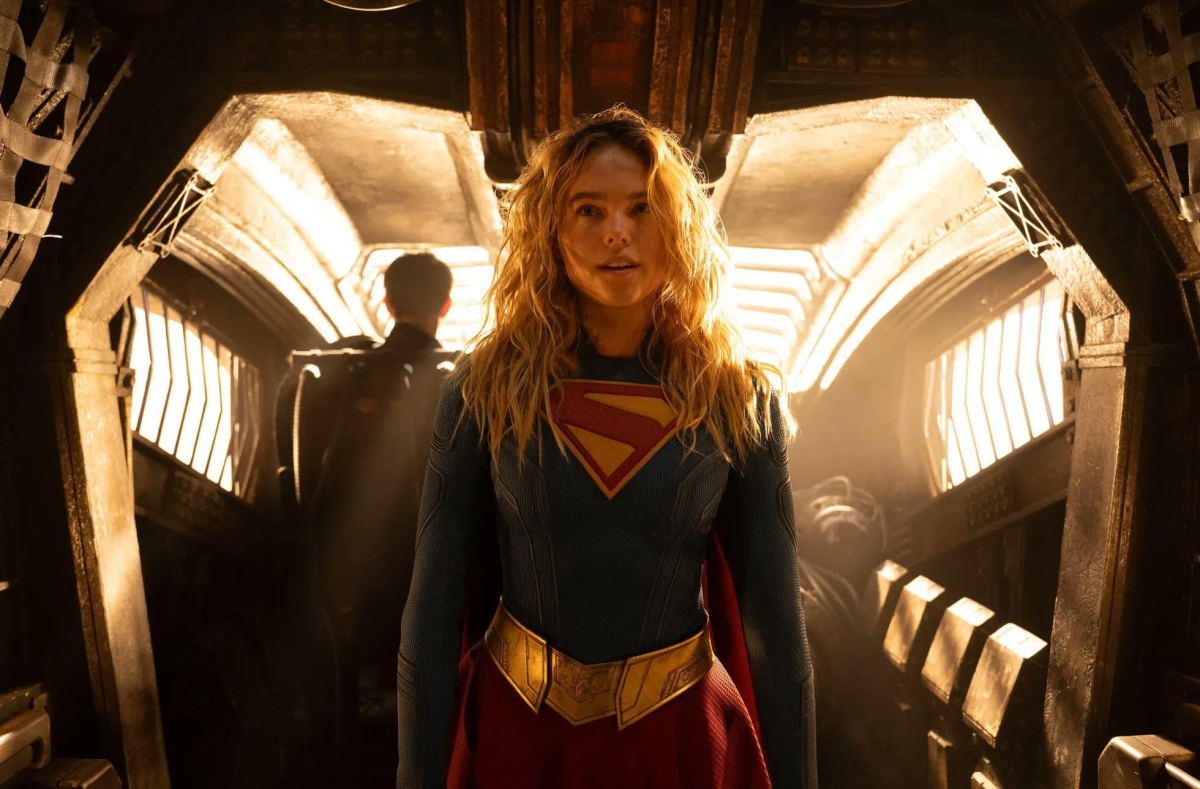
But I tried to lower my expectations, telling myself that the opening at least set up the plot and the real test would be Supergirl's character development. Unfortunately, I was being too optimistic. The portrayal of Supergirl is riddled with problems, the most significant being that I could never empathize with, or even understand, her state of mind. I get the backstory—parents dead, home world destroyed, her only relative is Superman—and I understand she's numbing the pain with partying and alcohol. But the film fails to establish this escapist mentality. It just presents her as a cool, quippy anti-hero, then expects a single heart-to-heart conversation and a flashback sequence to magically flesh out her entire origin and build a deep, compelling character.
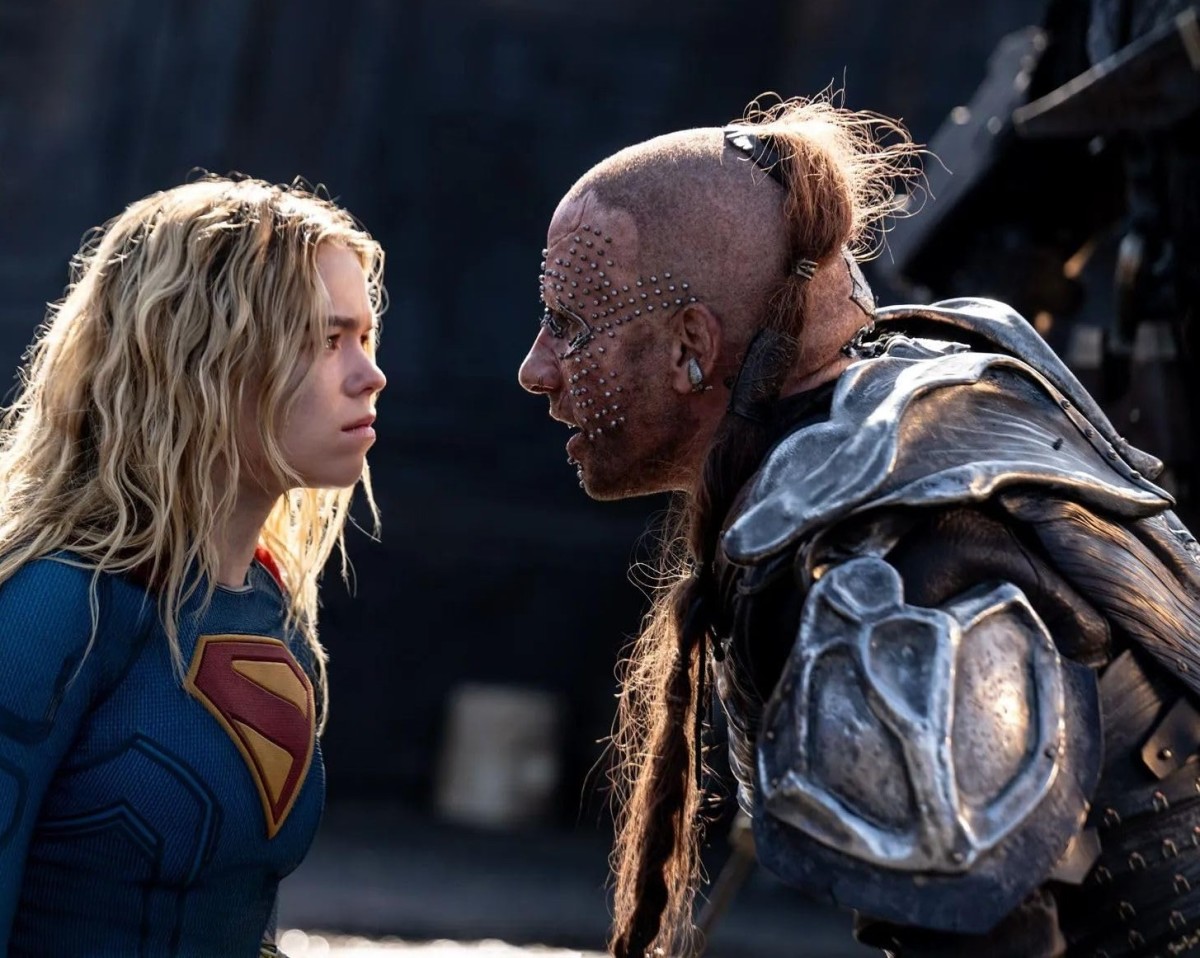
As a result, I found Supergirl unlikeable for the entire runtime. Her snarky jokes felt like a lazy application of a typical male hero archetype, and her moments of angst were so superficial that it was hard to genuinely sympathize with her plight. I couldn't even distract myself with the action, hoping for some thrilling spectacle. Frankly, the film has no memorable set pieces. The action is not exciting at all. Supergirl's powers are frequently nerfed, and Krem is hardly a formidable foe. He's little more than a thug with slightly better gear than the average henchman, and his outfit, which looks like an S&M gimp suit, often made me want to laugh.
 (Image: DC Studios)
This film is one of the few superhero movies to directly adapt a single comic book storyline. However, I suspect that readers of the original "Supergirl: Woman of Tomorrow" comic will have a far worse impression of this movie than the general audience (in fact, general audiences might even enjoy it, provided they aren't too picky about plot). The core issue is that "Woman of Tomorrow" is ill-suited for the compressed timeline of a typical blockbuster. Modern superhero films love to tell stories that unfold over just a few days, rarely allowing for a longer time frame (perhaps, in Marvel's case, to avoid complicating the overarching cinematic universe). But the original "Woman of Tomorrow" story spans several months.
"Woman of Tomorrow" is a space western inspired by "True Grit." In the story, Supergirl is essentially the John Wayne/Jeff Bridges figure, while the girl who hires her, Ruthye, is the Kim Darby/Hailee Steinfeld character. The comic explores the obsession with revenge, and this obsession undergoes a transformation over a long, drawn-out manhunt. We see Ruthye travel with Supergirl to various planets scarred by Krem, meeting his victims and the callous bureaucrats who refuse to help. Through this journey, we witness Ruthye's slow, meaningful growth, culminating in her finally letting go of her vengeful quest.
 (Image: DC Studios)
When this profound emotional journey is crammed into a few days of running and fighting, its weight is severely diluted. This is not something one can easily let go of in such a short time. The same goes for Supergirl's grief over her home world. In the comic, it's through this long pursuit that she realizes the reason she can't convince Ruthye to abandon revenge is because she herself cannot let go—a "Moby Dick"-esque moment of self-reflection. This is the kind of epiphany that can only be earned through a prolonged chase. The film's adaptation loses all of this narrative weight and literary flavor.
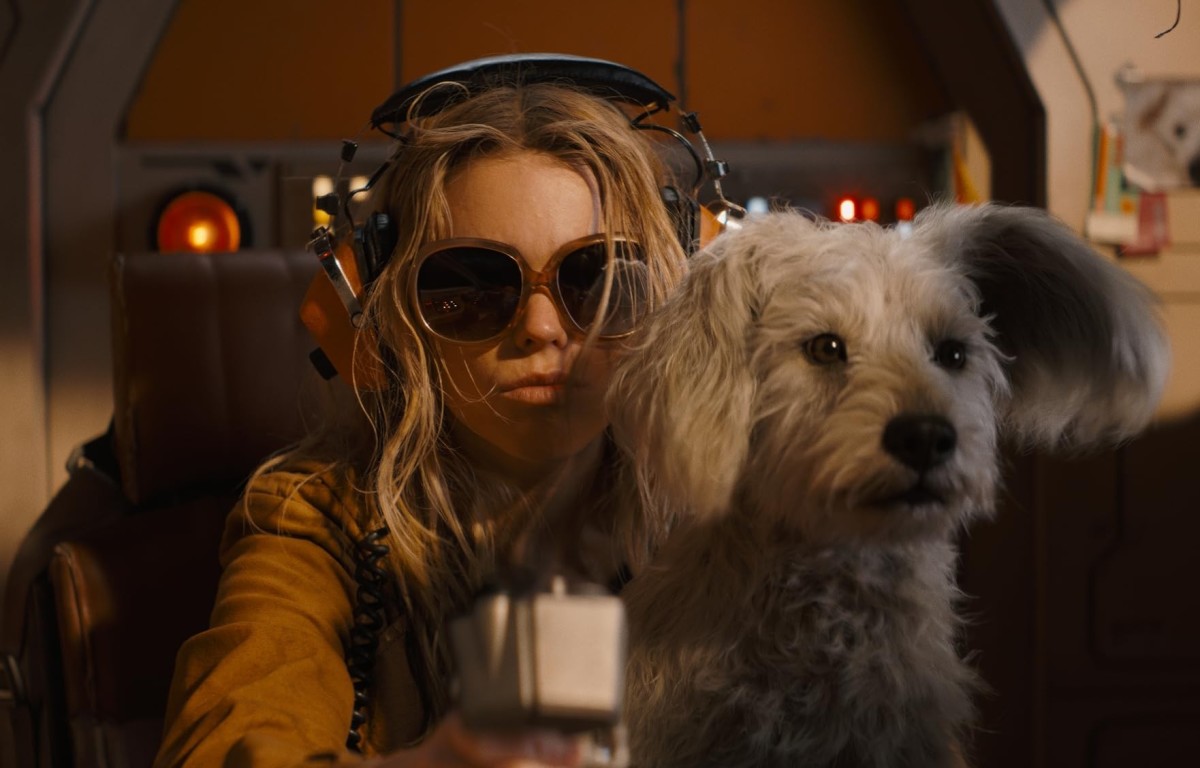
The movie also attempts to adapt the comic's already controversial ending, but manages to make it even more baffling. In a way, both the film and the comic have Supergirl bear the consequences of revenge, acting as a proxy for its execution. But in the comic, they never actually kill Krem; he's sent to prison. Ruthye later writes a memoir that leads people to believe Supergirl killed him. The film adjusts this: Supergirl secretly kills Krem to avenge Krypto, and no one else knows.

(Image: DC Studios)
In the comic, Supergirl's purpose in taking the blame is to protect Ruthye from future retaliation by Krem's associates. But in the film, Supergirl's motivation is simply that she's also furious about Krypto being poisoned and worries that letting Ruthye do the deed will cause her lifelong trauma. The problem is, she just finished lecturing Ruthye about letting go and how living a full life is the best revenge. Her own character arc is supposed to be about learning to let go, yet at the final moment, she fails to do so herself. This change not only distorts the comic's original message but also directly contradicts the moral the film itself tries to preach.
Of course, the film's adaptation missteps also stem from another insurmountable hurdle: "Woman of Tomorrow" is truly Ruthye's story. The comic works because it's told entirely from her perspective, with the reader witnessing Supergirl through her eyes as she grows. But since the movie has to serve as an origin story for Supergirl herself, the perspective is necessarily shifted to her. To make the hunt for Krem a personal matter for Supergirl, the film invents a subplot where Krypto is poisoned and dying, requiring an antidote from Krem. In the comic, Supergirl was simply guiding Ruthye, even lying to her at times, purely to teach her a lesson.
 (Image: DC Studios)
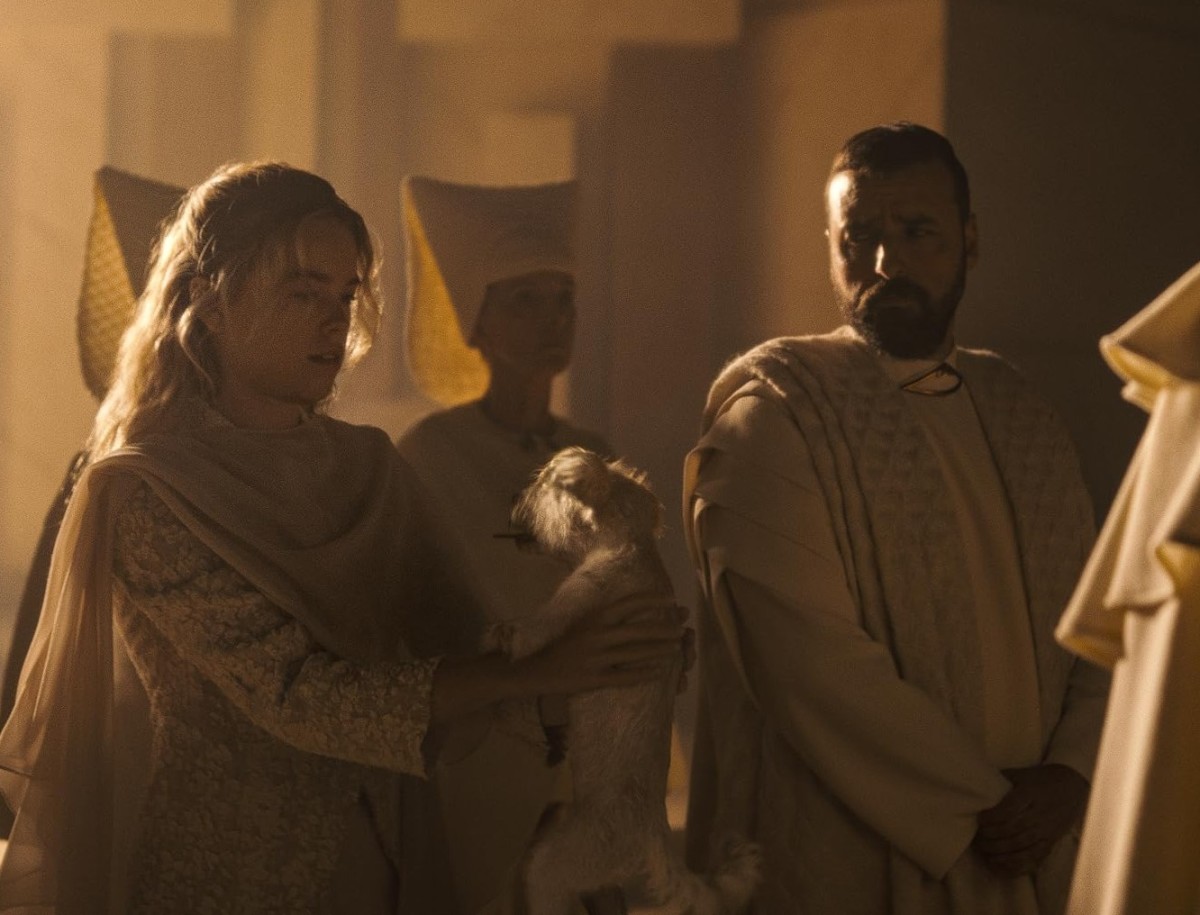
About the only thing worth praising in the entire film is the detailed practical makeup effects for the aliens. Jason Momoa as Lobo is cool, but Momoa is just being himself, and his natural persona happens to align perfectly with Lobo, so it's not exactly a stretch. In truth, Lobo feels shoehorned in as pure fan service. He wasn't in the "Woman of Tomorrow" comic, though author Tom King had considered including him. Now he's been forced back in without sufficient reason. Beyond providing occasional emergency firepower, he's completely disposable—a character who is there simply to "look cool," and nothing more.
I've gotten to the end and just realized I haven't mentioned Milly Alcock. I know many have criticized her appearance, but I have no issue with it and understand why Gunn cast her. Alcock's performance is also not the problem; it's perfectly stable. The instability comes from the script she was given.