


My trusty "Black Mamba" airbrush, a companion for many years, recently took a tragic dive off my workbench during a modeling session. In that split second, I saw the body separate from the grip—it had snapped clean in two. I primarily used that 0.5mm airbrush for heavy-duty tasks like spraying primer, surfacer, and clear coats. For finer detail work, I always reach for my beloved Harder & Steenbeck Infinity CR Plus 2-in-1. Once you use an H&S, there's no going back; it's been my main workhorse ever since, largely thanks to its self-centering "bullet-style" nozzle.
The demise of the Black Mamba left a 0.5mm void in my arsenal. Since that model is discontinued, I decided to find a replacement with a similar trigger-style grip, which led me to the GSI Creos Mr. Hobby PS-290 0.5mm.
I picked this one up as a set that included a grip handle, which was a great deal. However, after it arrived, I discovered that the grip from my old Black Mamba was perfectly compatible. So, the new grip went into storage, and I kept using the old one.
Many newcomers to the hobby ask me for airbrush recommendations. Which one is good? What should I buy?
Before I recommend anything, I first ask about their commitment—are they in it for the long haul or just trying it out? And what's their budget?
For those with no budget constraints, I always recommend the H&S Infinity. For modelers who want that Japanese-made feel but are watching their wallets, there are some excellent regional brands out there that can rival the performance of premium models like the GSI PS-289. I've had the chance to test some, and the build quality and trigger response are truly impressive. It's clear some manufacturers are putting serious effort into quality control.
I'd personally love to see more brands release a trigger-style airbrush like the PS-290. If they did, I'd buy one in a heartbeat, regardless of whether my current PS-290 is still kicking. In the world of scale modeling, you can never have too many tools, especially a good airbrush. A craftsman is only as good as his tools.
Below is a simple unboxing of the PS-290. I've also included the remains of my fallen Black Mamba for a moment of silence. Orz
The PS-290 is manufactured by Fuso Seiki, a top-tier Japanese OEM factory. This is the same company that produces precision airbrushes for GSI Creos. The metallic plating, the smoothness of the trigger action, and the ergonomics are all hallmarks of a first-class airbrush brand.
Some enthusiasts online have even done full teardowns of the PS-290. They've found that its core components—the nozzle, needle, air cap, and air valve—are identical to those used in Fuso Seiki's own RichPen "Apollo" and "Gun Piece" series airbrushes. The thread pitch, machining tolerances, and even the boring process for the brass nozzle are exactly the same. They're perfectly interchangeable because they all come from the same factory.
▼【Model Tool】Gunze GSI Creos PS-290 0.5mm Trigger Airbrush Quick Unboxing
▼No introduction needed for this one. A fellow modeler recently told me it's been updated, but this is my primary airbrush: the H&S Infinity CR Plus 2-in-1. If you know, you know. The key feature is its self-centering nozzle. The benefits are huge, as it completely solves the two biggest problems with traditional screw-in nozzles: the risk of stripping threads from over-tightening and the difficulty of cleaning. The tool-free, quick-teardown design is a dream, making cleaning and maintenance incredibly convenient thanks to the nozzle's self-sealing conical shape.
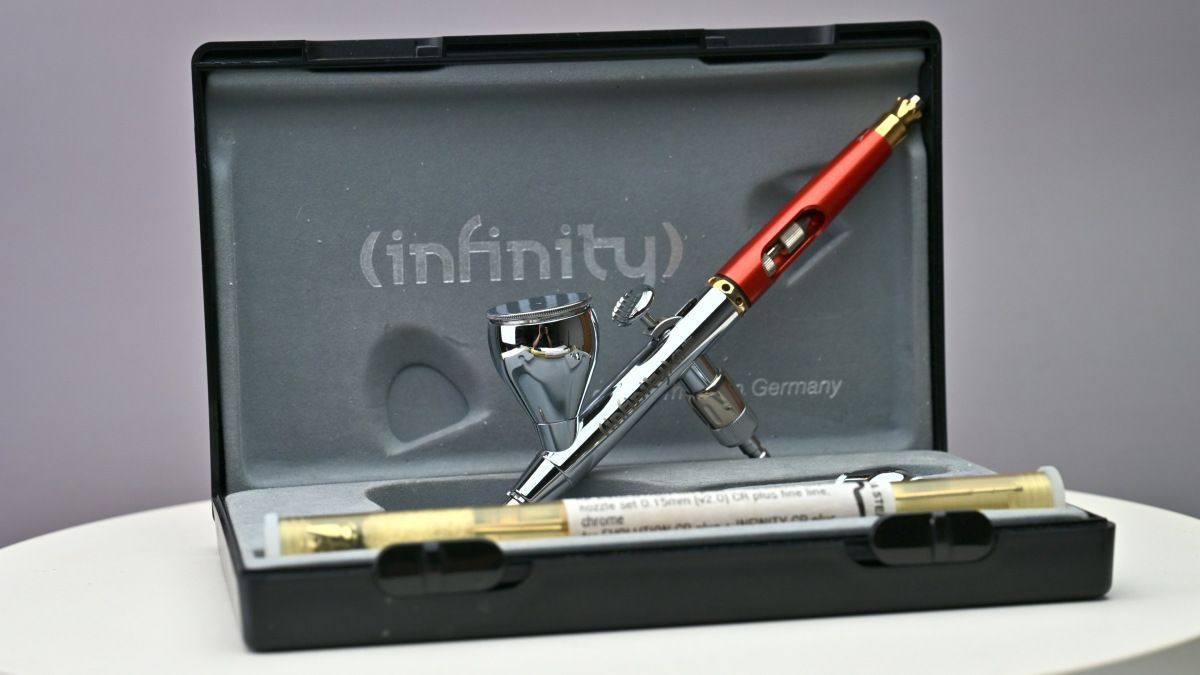
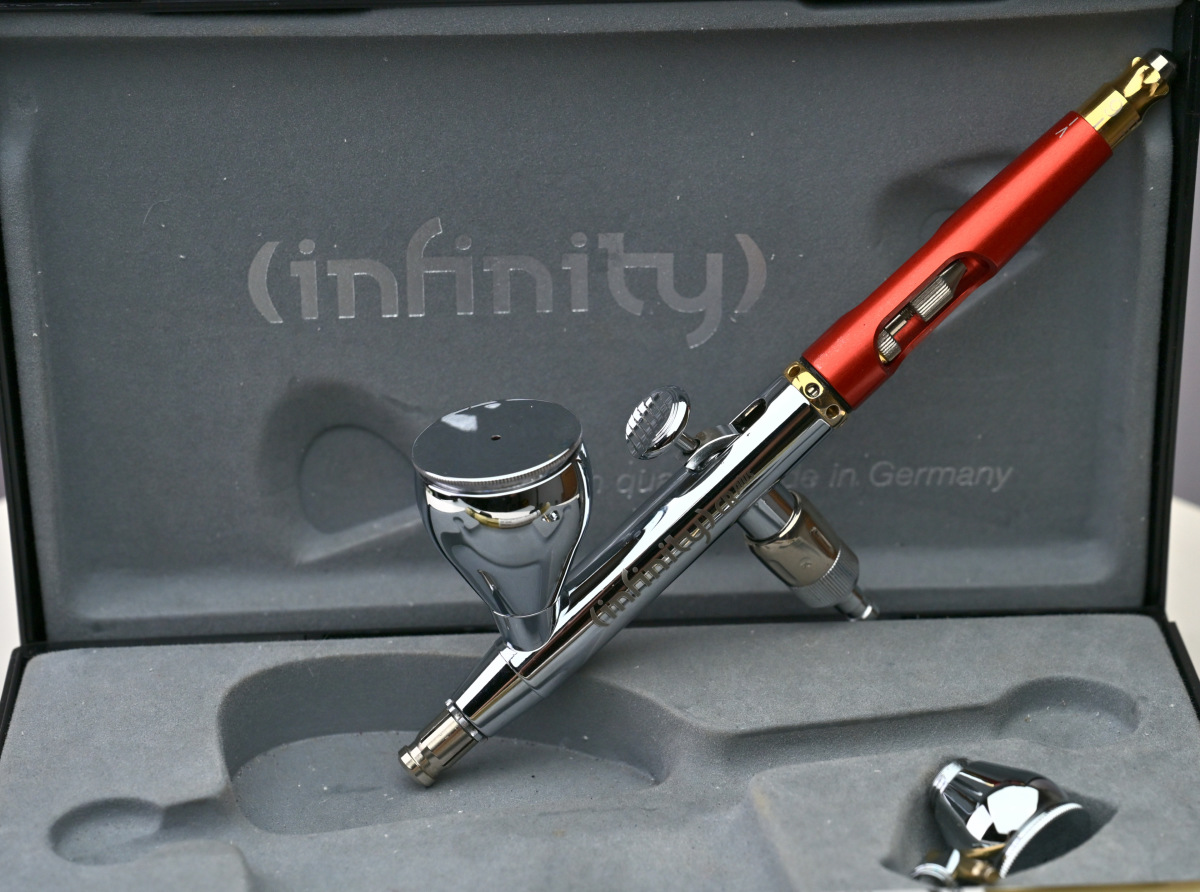
▼And here's the main event. The box has some minor damage, but it doesn't affect the airbrush itself.

▼The back of the box. This airbrush is made in Japan, so it's covered in Japanese text.
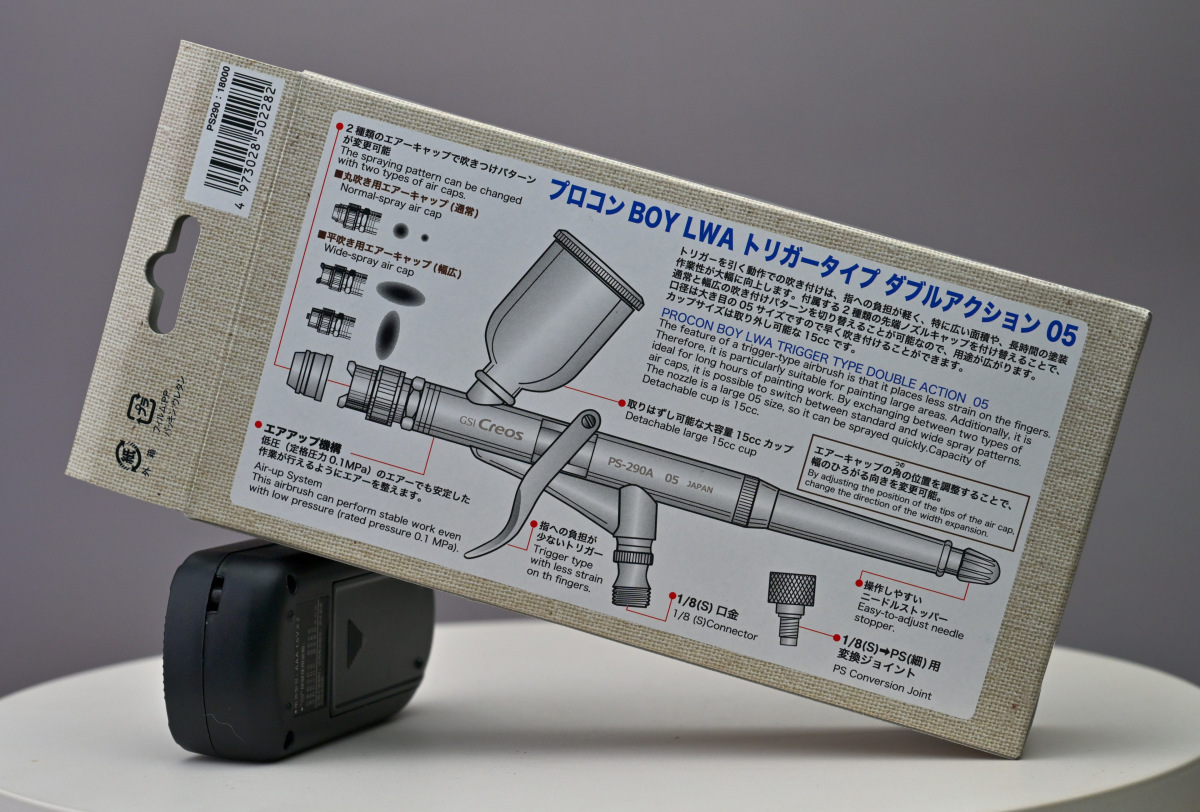
▼Standing tall.

▼The model number, PS-290, is visible in the top right corner.
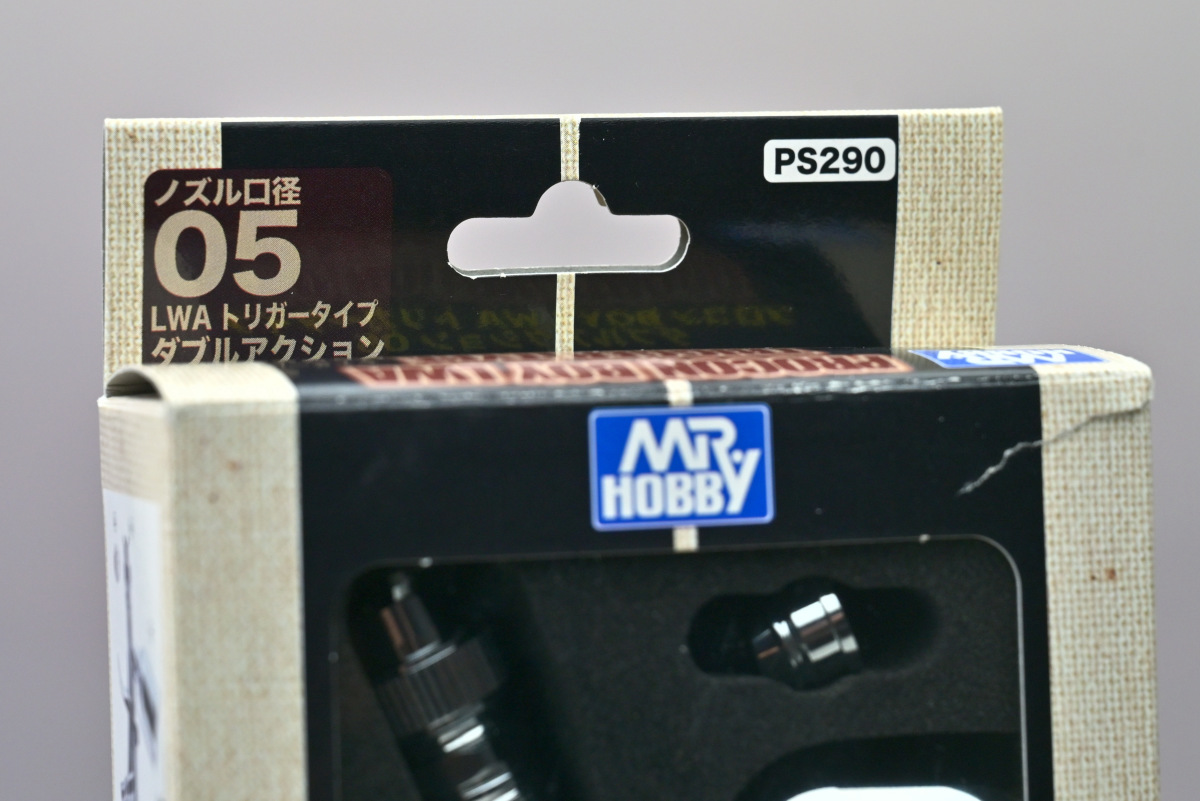
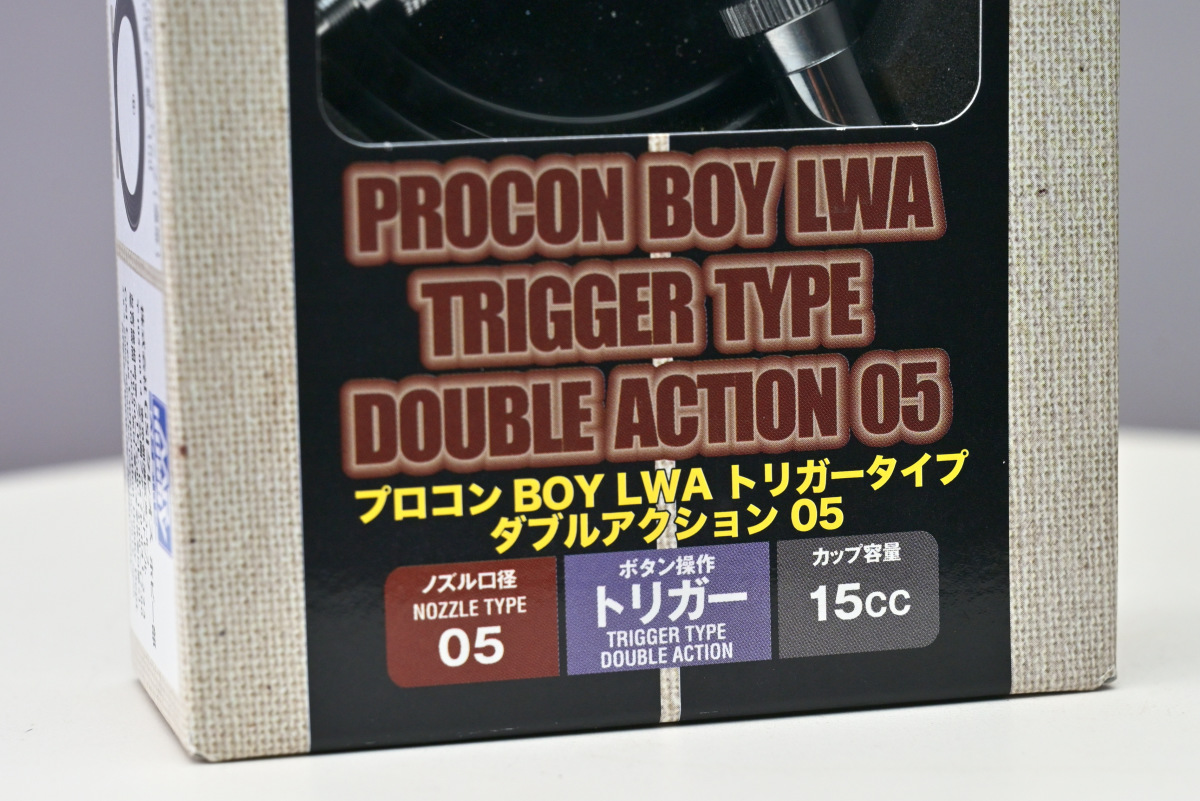
▼Grey box: 15cc paint cup capacity. Brown box: 0.5mm nozzle size. Purple box: Trigger Type Double Action.
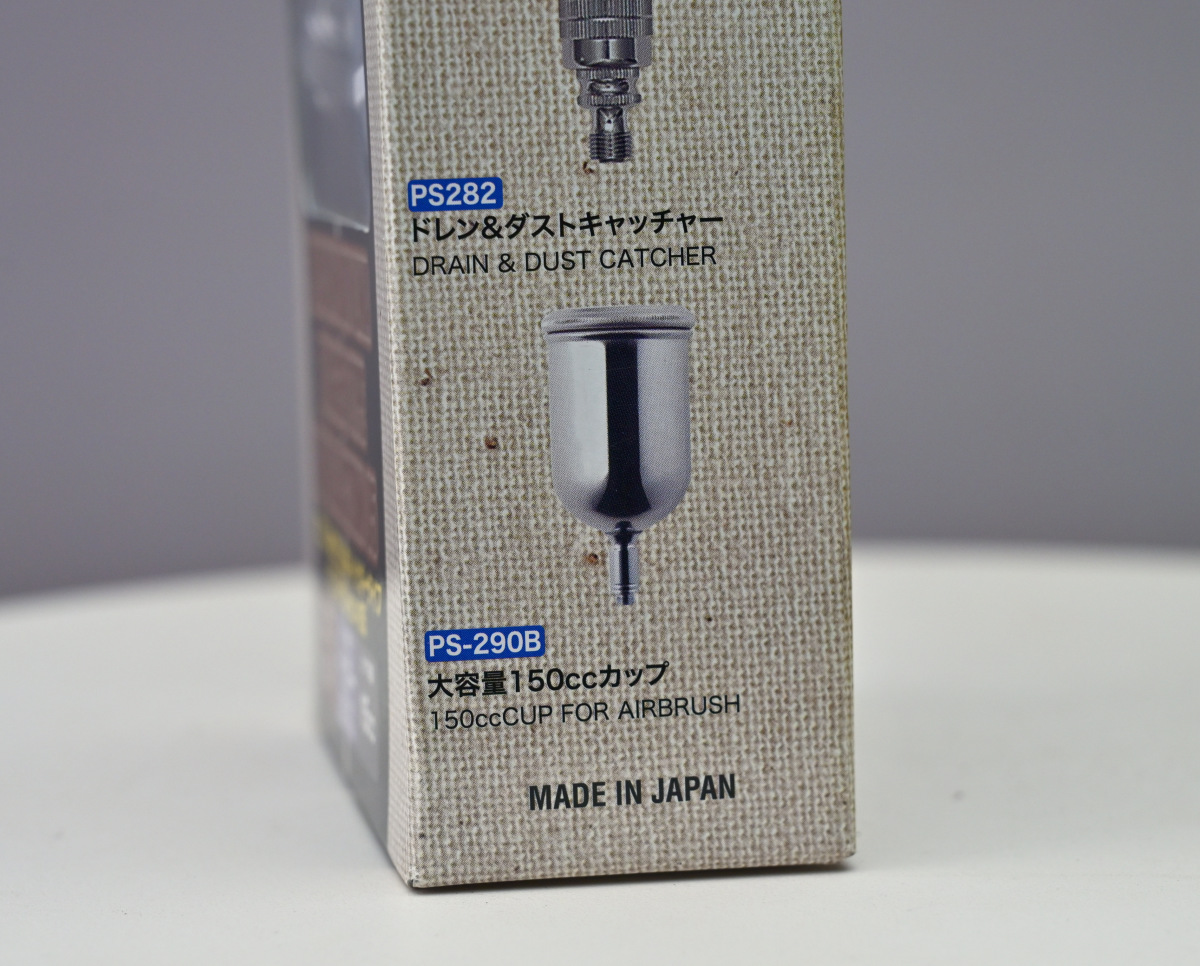
▼You can also purchase an extra-large 150cc paint cup separately.
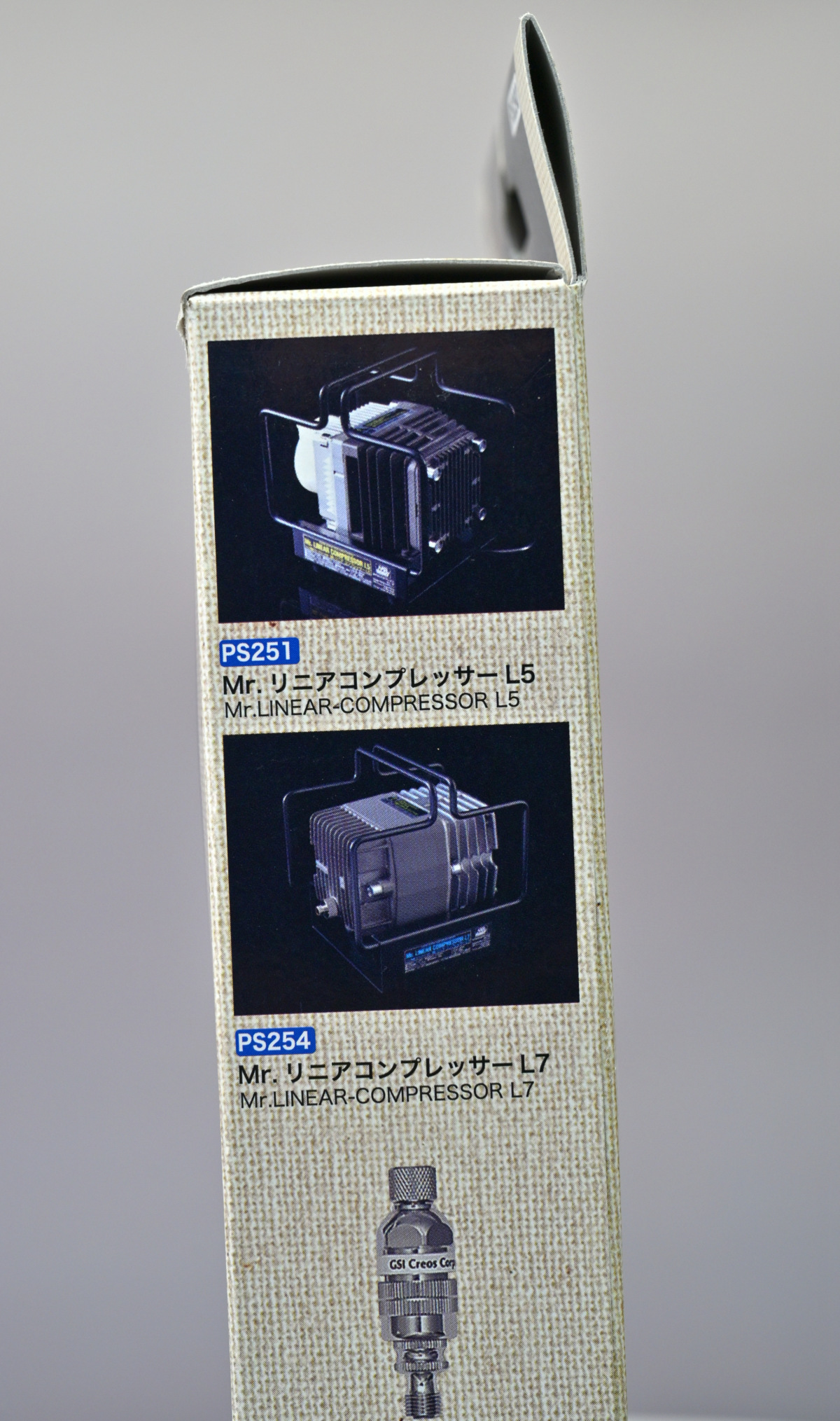
▼GSI Creos's own line of compressors. For that price, I'd just recommend buying a Sparmax.
▼The back of the box again.
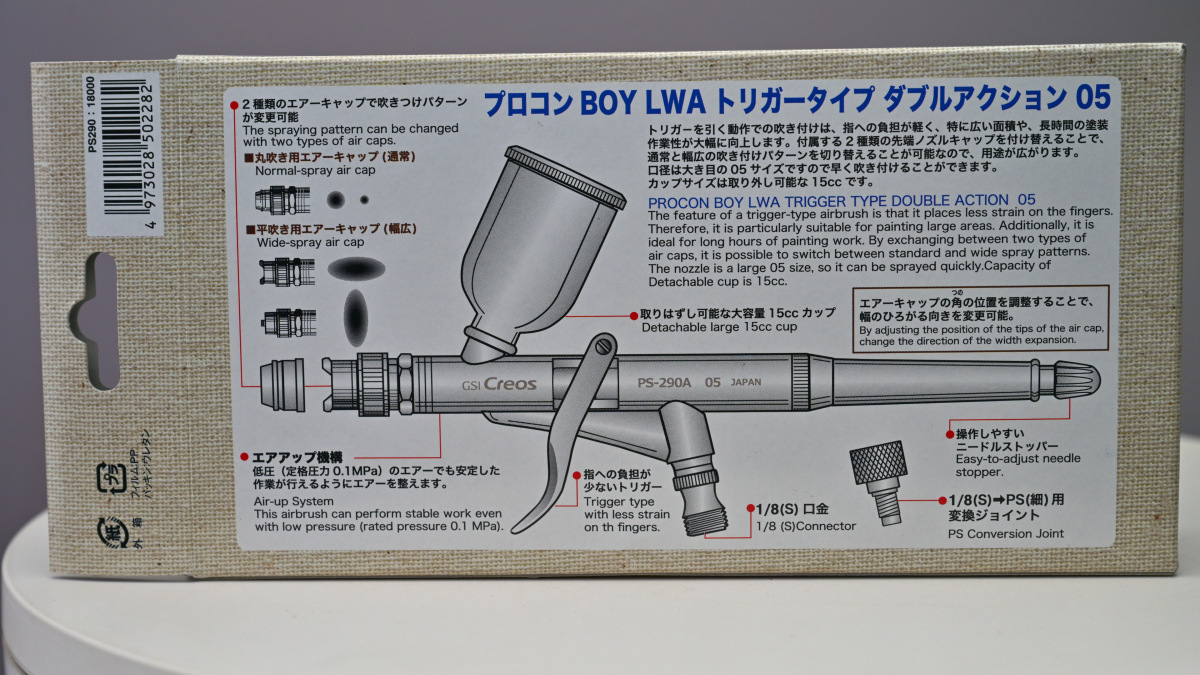
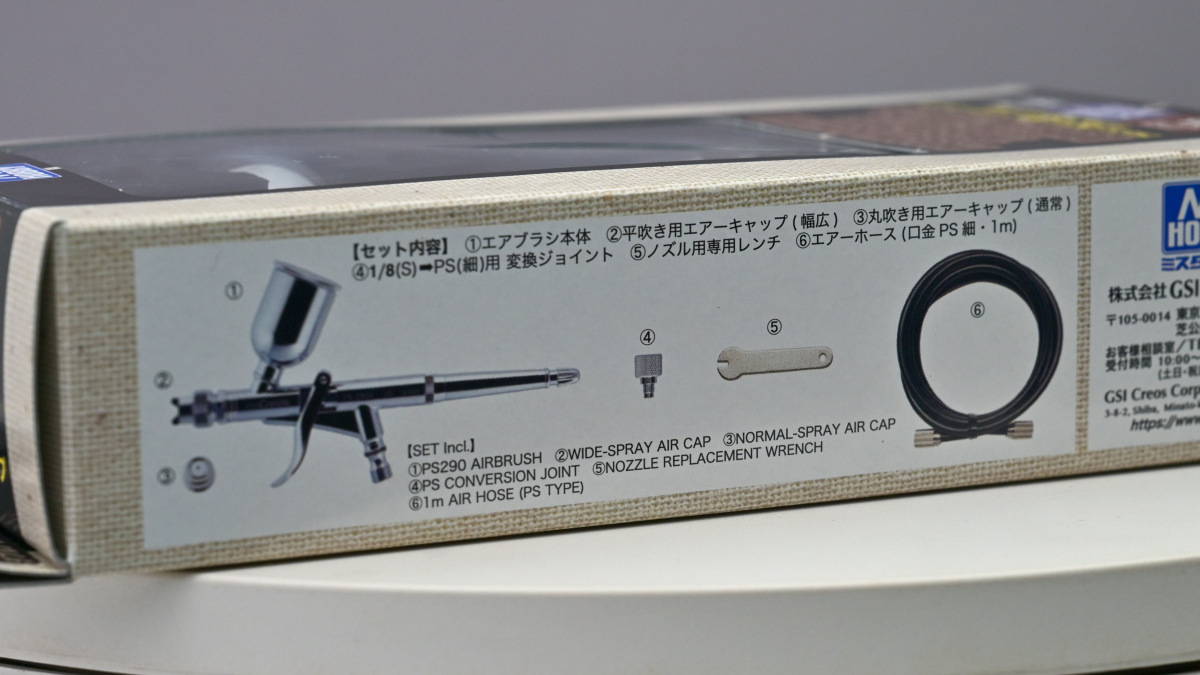
▼The PS-290 has two major features. It includes two interchangeable air caps, allowing you to switch between spray patterns depending on your project. The other core feature is its "Air-up System," a low-pressure stabilization design. Thanks to special internal airflow optimization, it maintains extremely stable air and paint flow even at a low pressure of 0.1 MPa (approx. 14.5 PSI). This helps prevent common airbrush issues like insufficient pressure, uneven spray, or paint spattering. Another benefit of a trigger airbrush is reduced finger fatigue during long sessions, especially when paired with a grip handle.
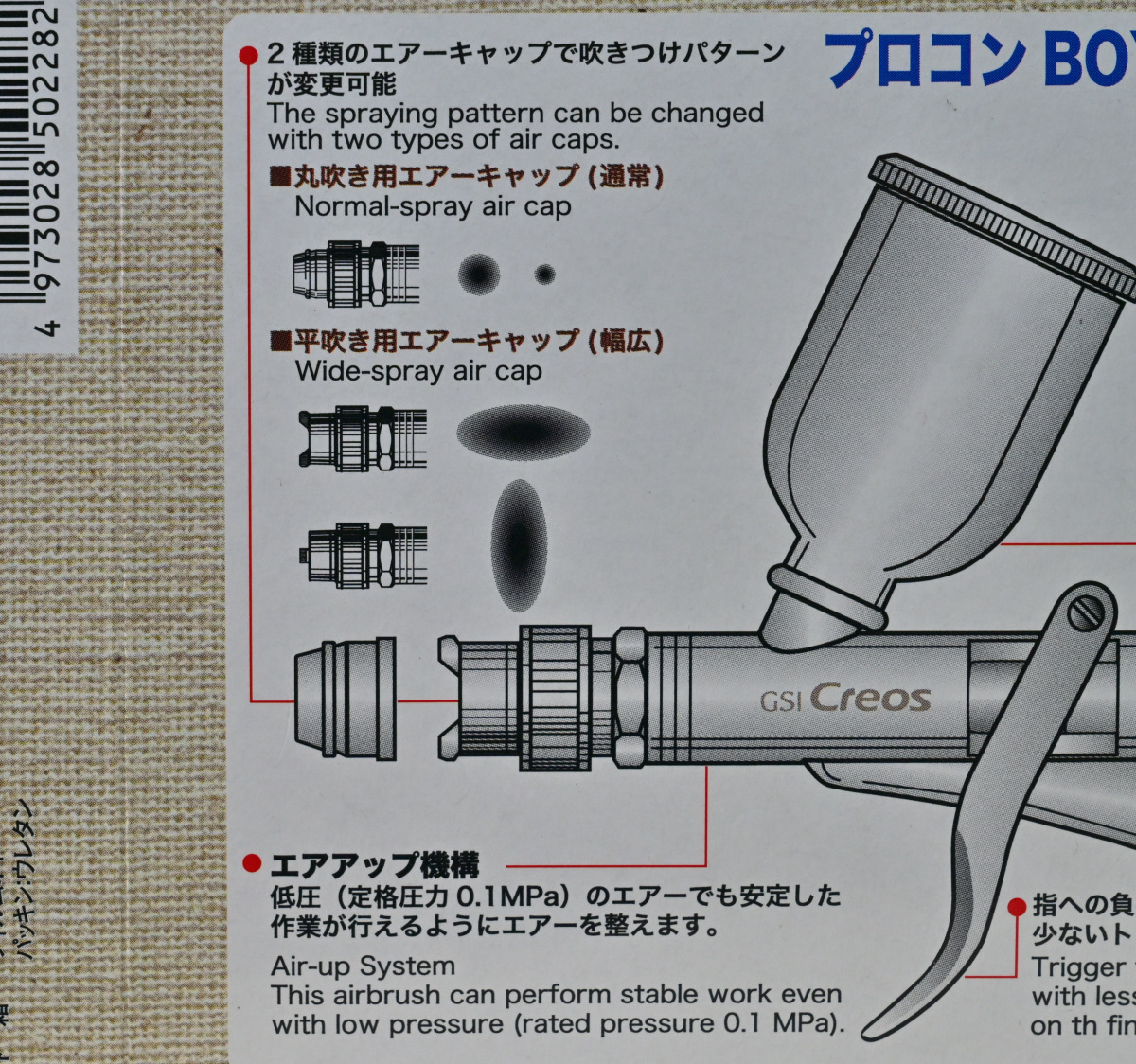
▼The knob at the rear is the needle stop, which allows you to preset the maximum paint flow. The airbrush uses the standard 1/8" fitting.
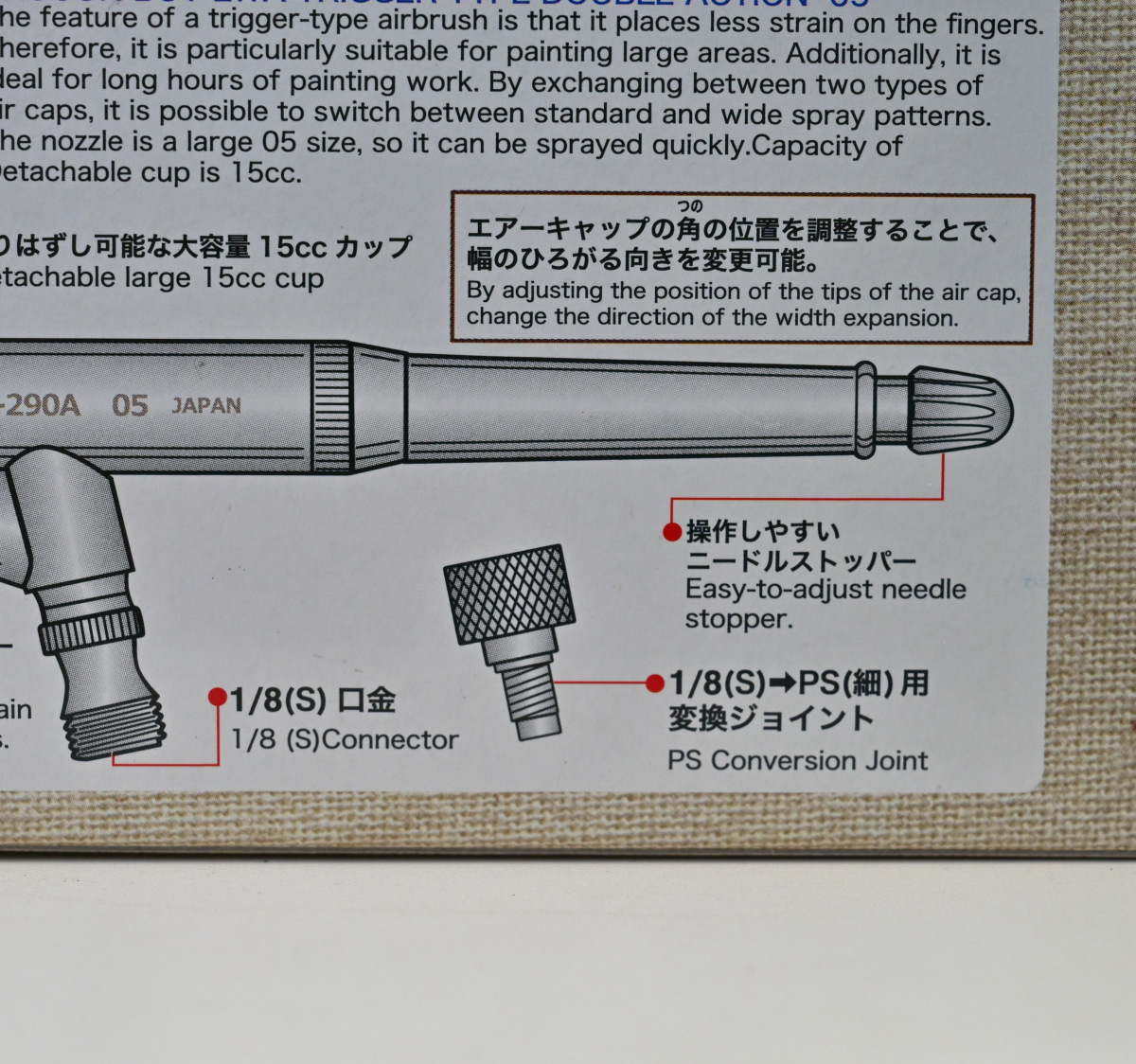
▼The side of the box shows the contents and all included accessories.
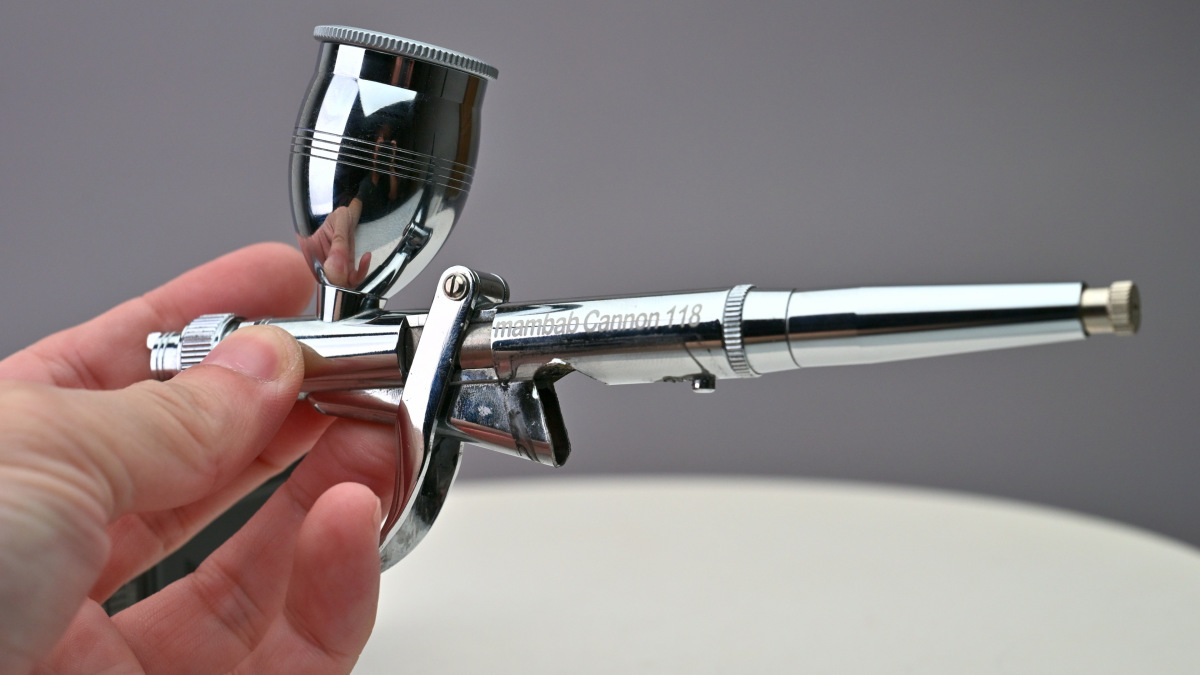
▼Here lies my companion for countless projects, the Black Mamba. The grip has completely snapped off the body. I have to say, this airbrush offered incredible value for the money and was fantastic for spraying large areas. It was comfortable and handled well. My only complaint was that the front air cap was extremely prone to paint buildup, which would disrupt the spray pattern. After every heavy use, I had to clean it in an ultrasonic cleaner. The O-rings on this thing were incredibly durable; I frequently cleaned and soaked it in toluene-free lacquer thinner, sometimes for a whole day. I even threw the entire thing into the ultrasonic cleaner. The O-rings never failed, right up until the grip broke.
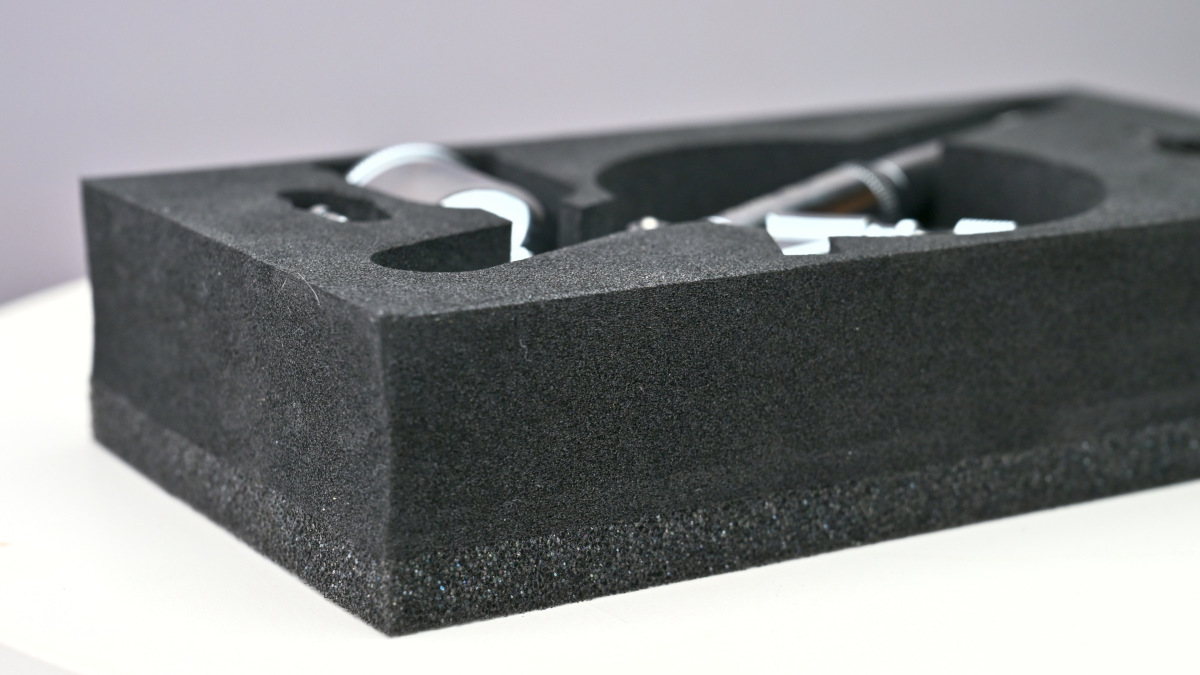
▼Classic Japanese foam packaging. Though, I still prefer the packaging on the WAVE HT-111.
▼The main body. The reflection under the studio lights is just gorgeous.

▼The standard round air cap. This cap produces a traditional circular spray pattern, suitable for general, even coverage.
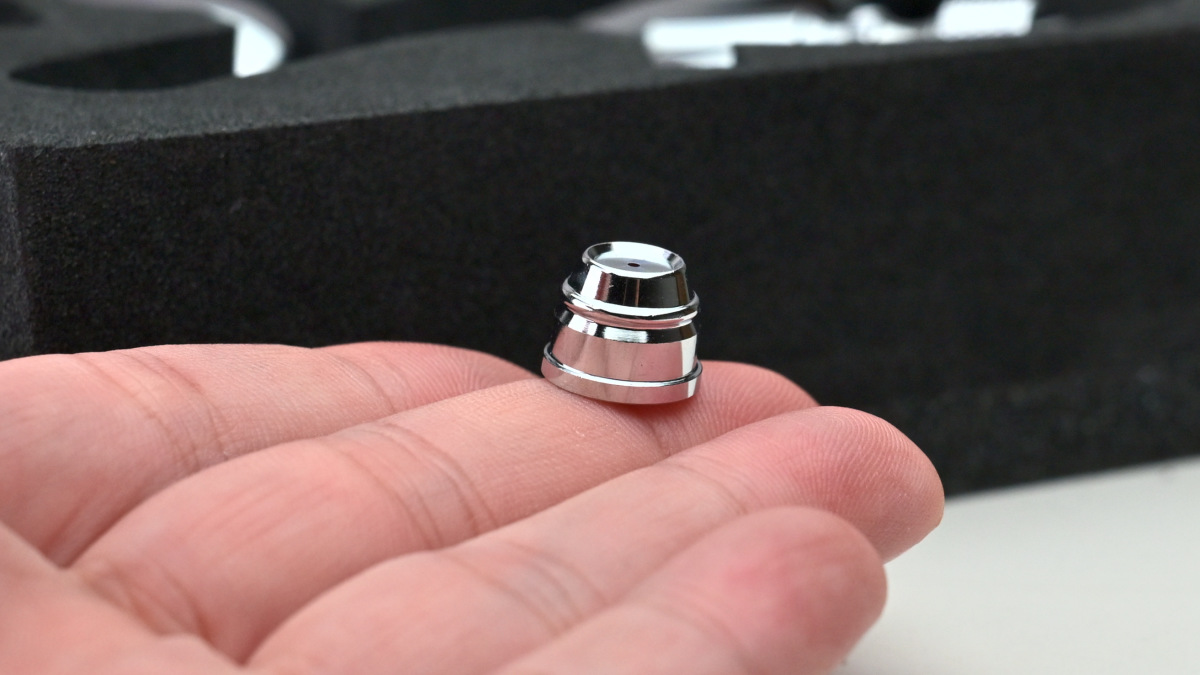
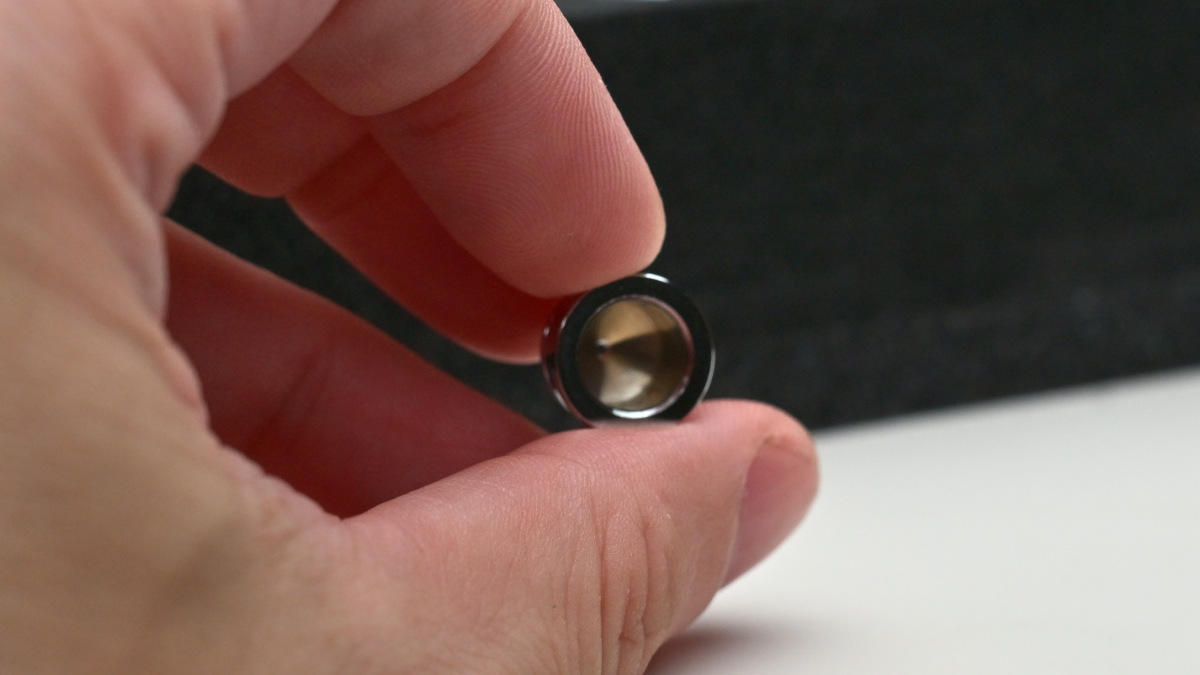
▼Inside the air cap.
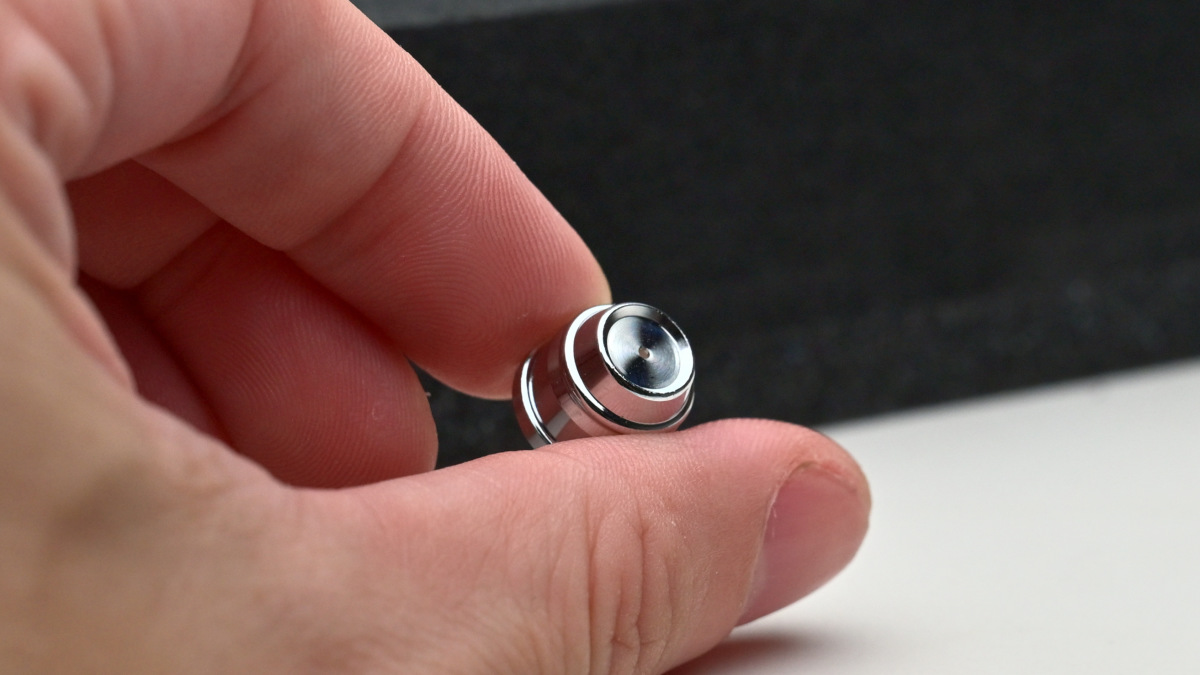
▼The 0.5mm nozzle.
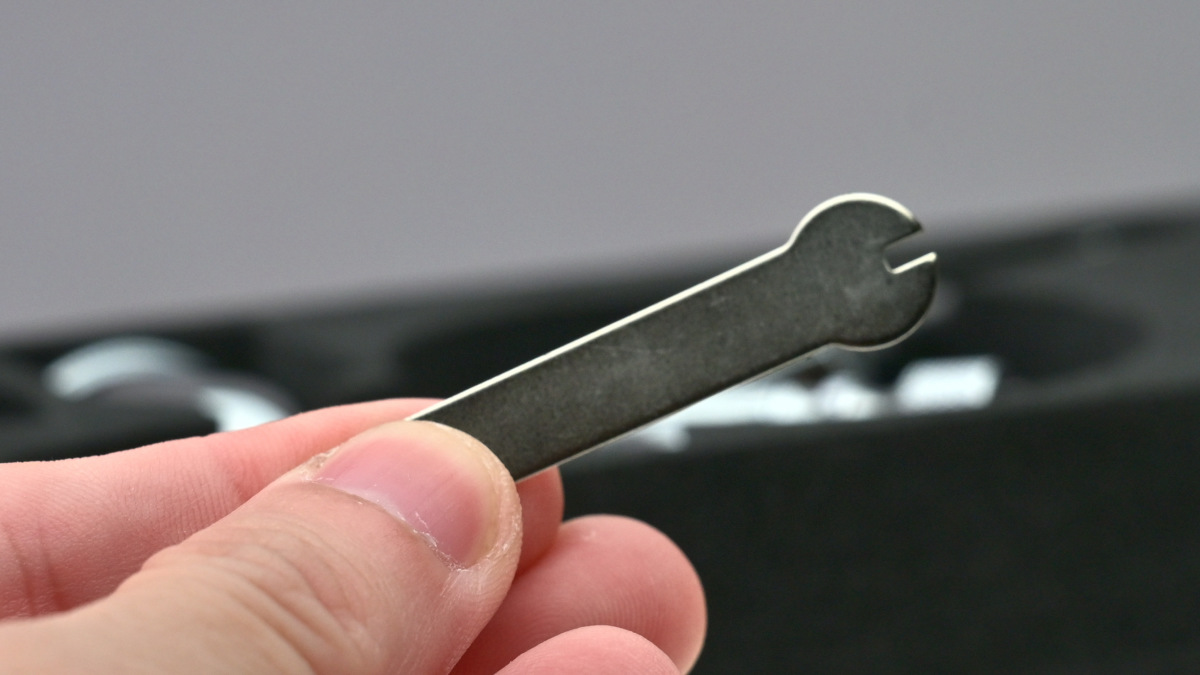
▼The small wrench needed for traditional screw-in nozzles. Be careful not to use too much force with this, or you risk stripping the threads. I've learned that painful lesson myself. You only need to tighten it until it's snug; the tolerances and sealing on Japanese-made airbrushes are excellent.
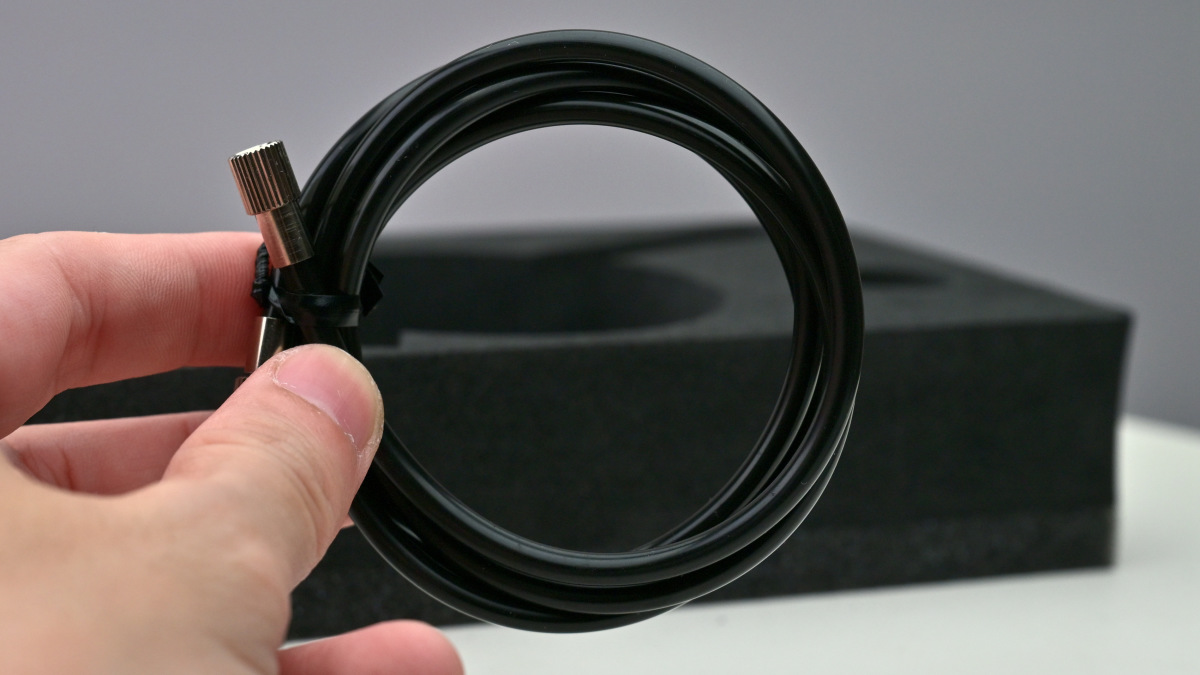
▼A hose for connecting to canned air. I've never used one; I went straight to a compressor from day one.
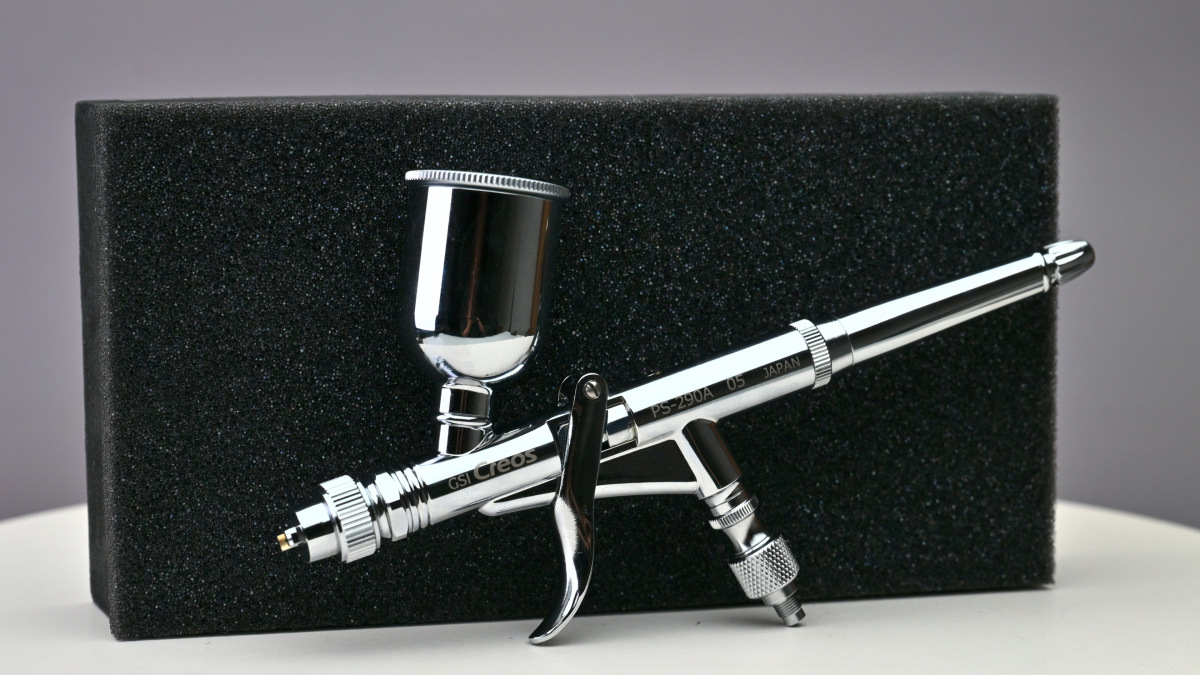
▼The airbrush itself. The paint cup is removable and can be swapped for the larger 150cc version if needed.
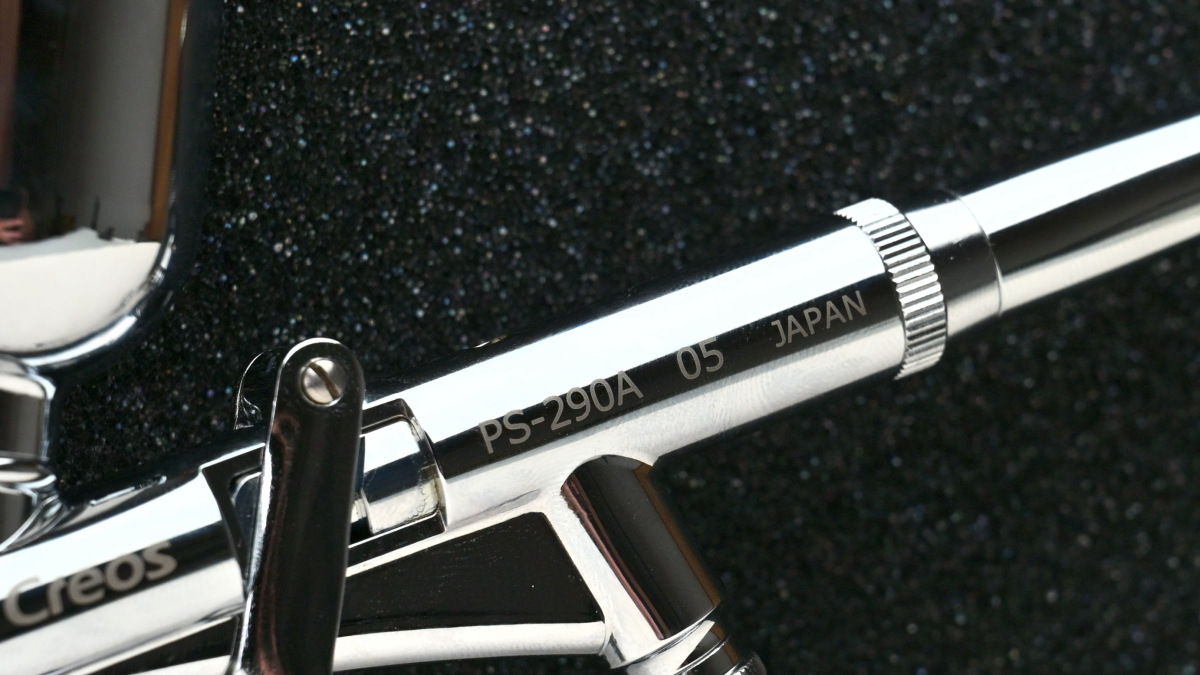
▼PS-290A is the model number, "05" signifies the 0.5mm nozzle size, and "JAPAN" is self-explanatory.
▼GSI Creos is the Japanese manufacturer, formerly known by the familiar names Gunze or Mr. Hobby.
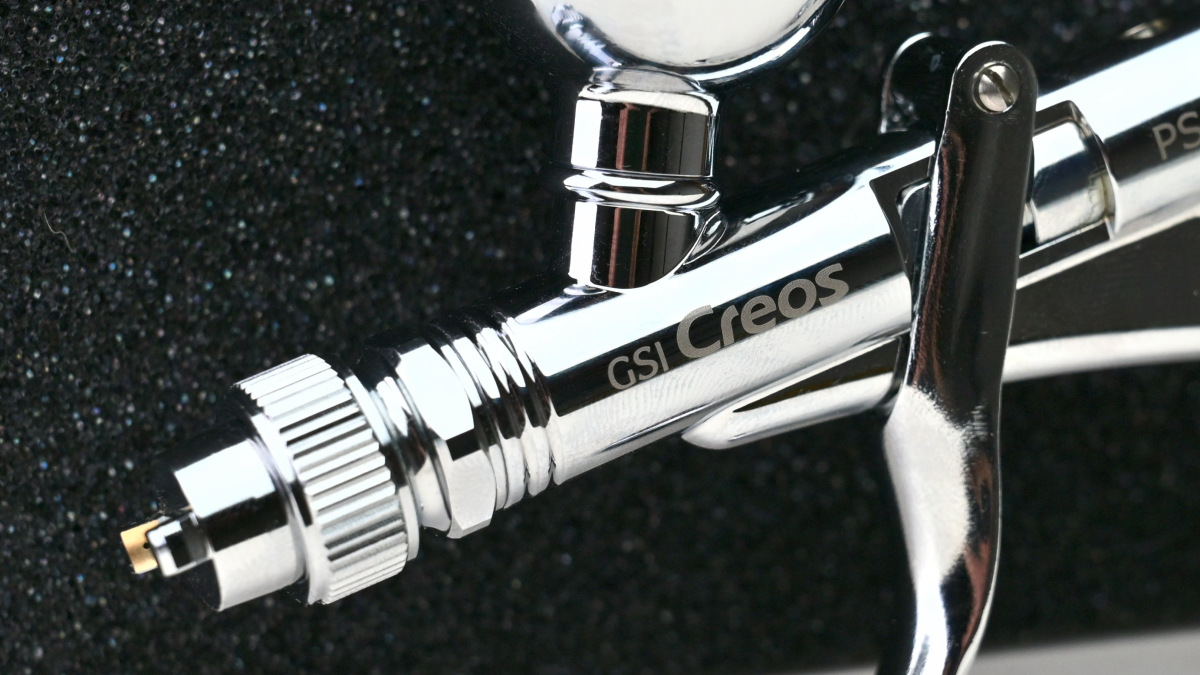
▼My favorite part, the trigger. It's a real time and energy saver during long painting sessions. Pair it with a grip handle for maximum comfort.
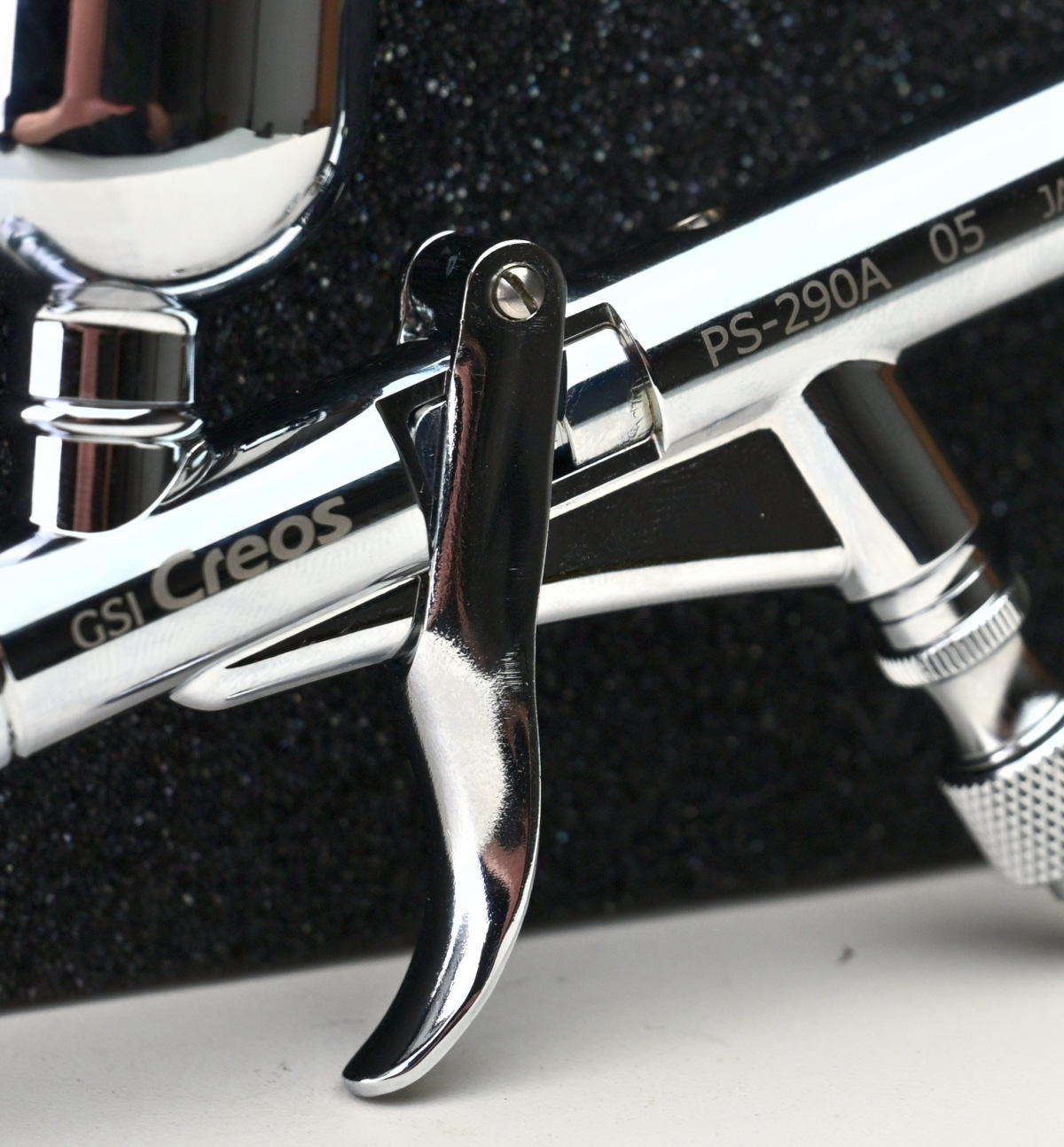
▼The 15cc paint cup is generally sufficient for my needs. When spraying primer on a Master Grade kit, I can usually cover the whole thing in about two refills. Of course, this depends on your paint-to-thinner ratio and personal habits.
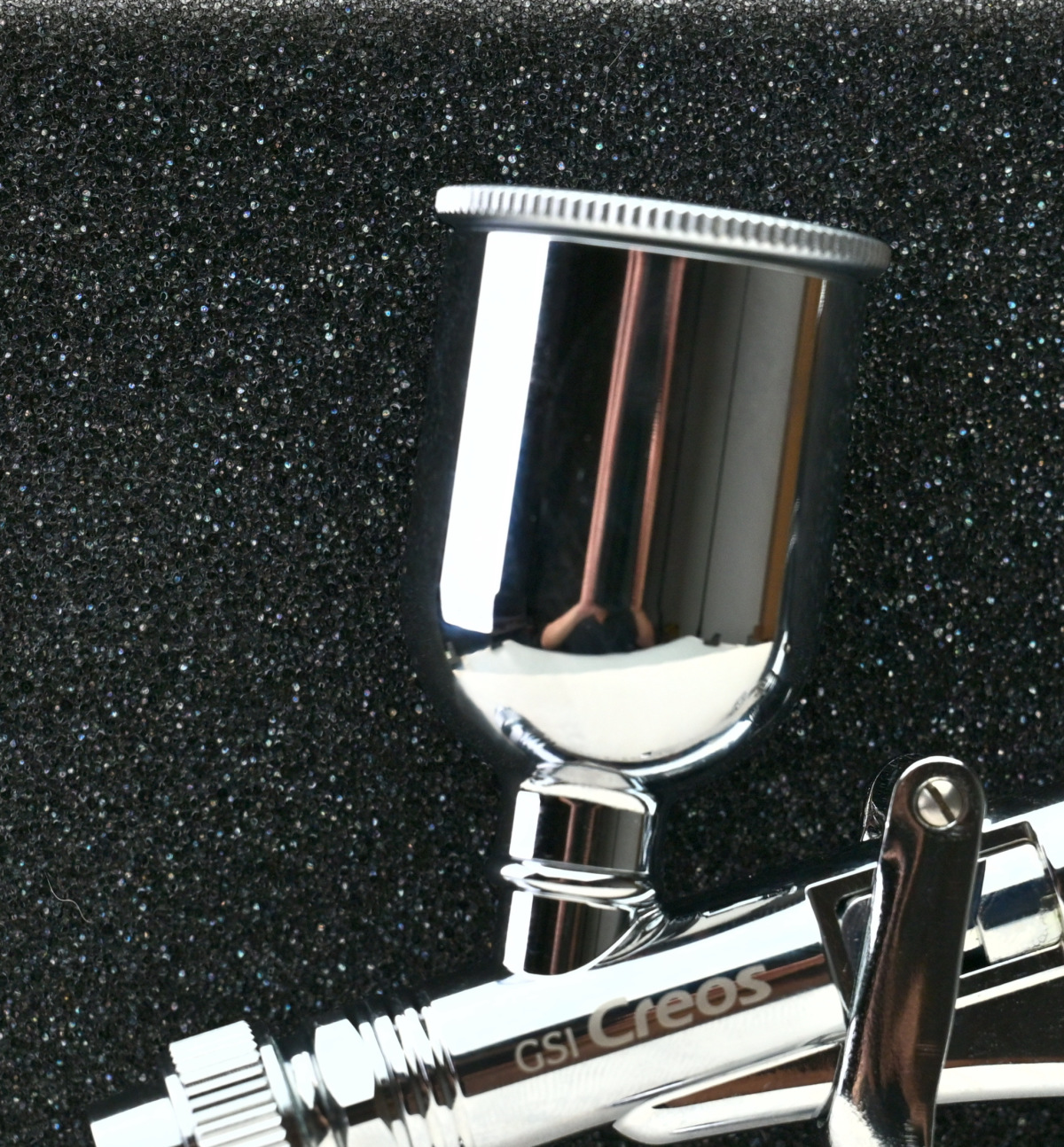
▼The needle stop knob, commonly known as the paint flow control.
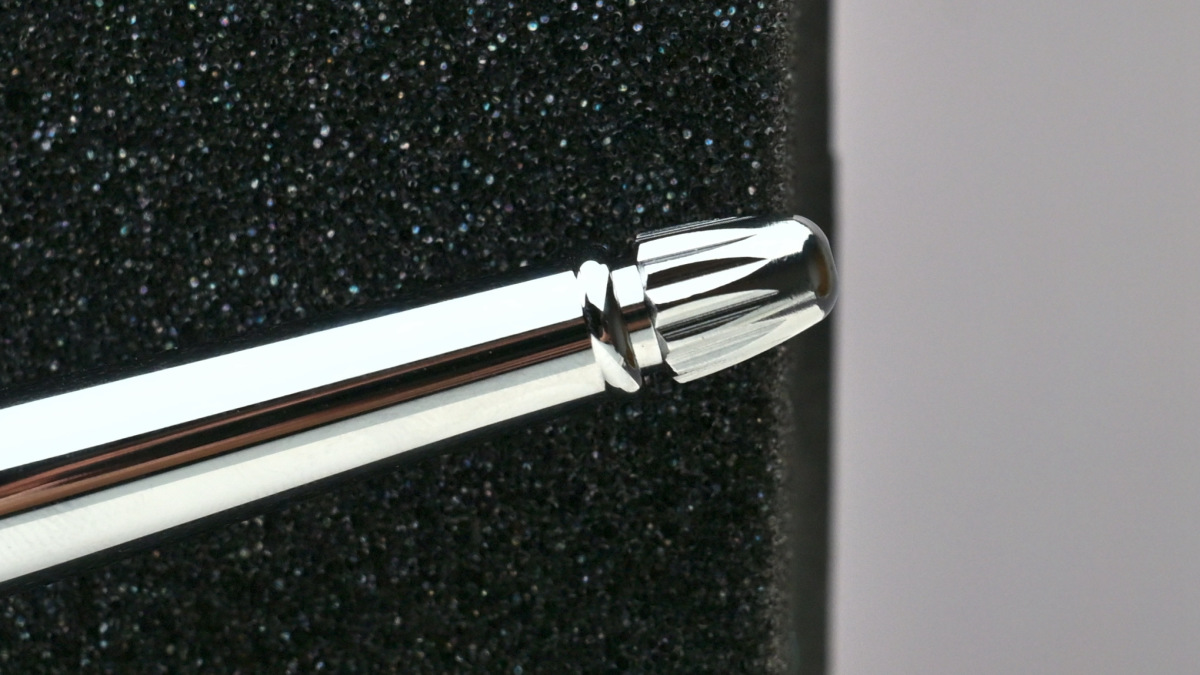
▼Back in the day, veteran modelers would tell us to just crank the needle stop all the way back and remove the handle entirely for maximum, unrestricted paint flow!
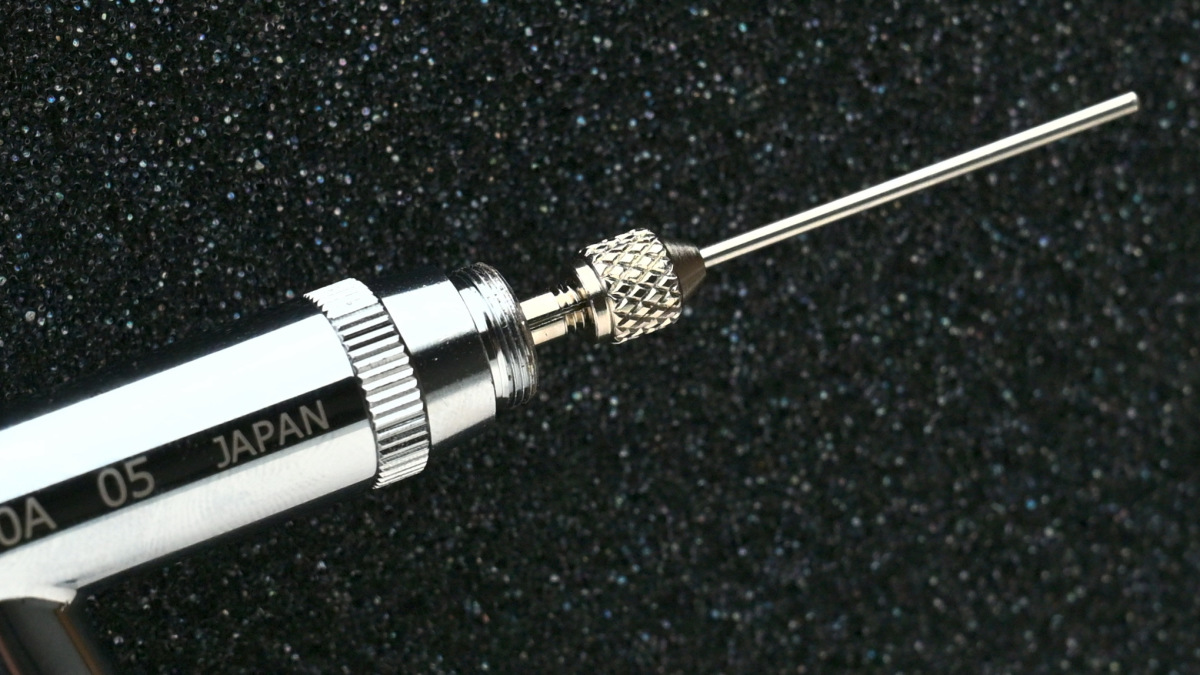
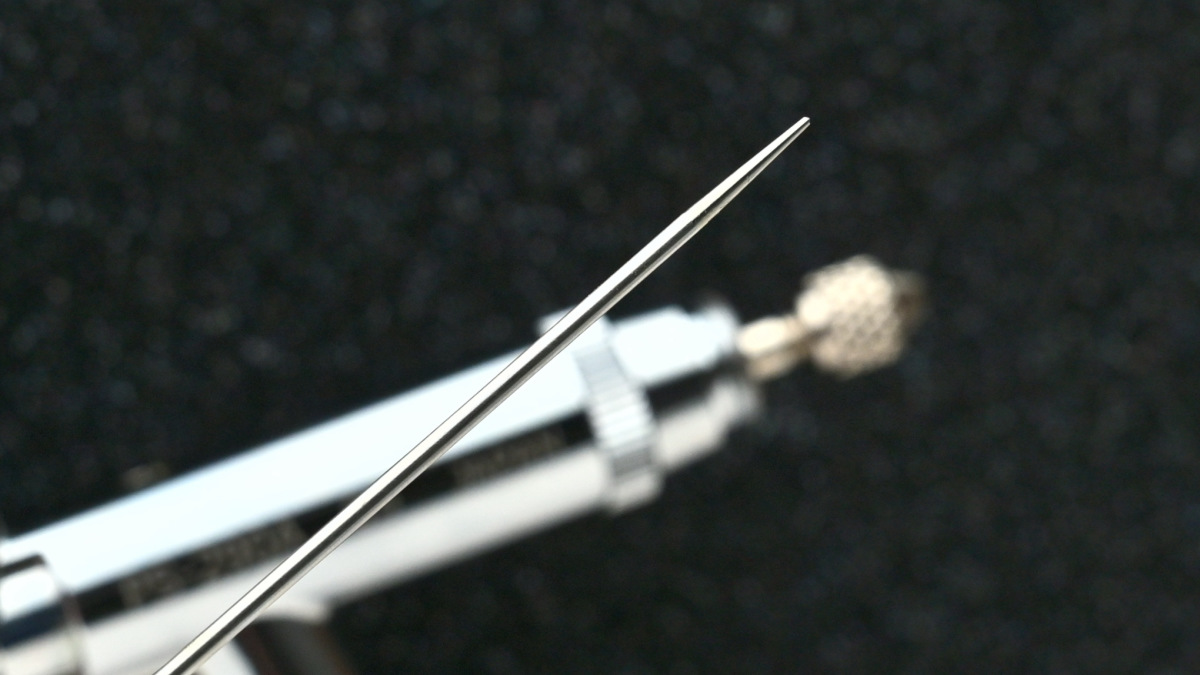
▼The 0.5mm needle. I always polish my airbrush needles before first use. A polished needle offers many benefits, which I can cover in a future article. For beginners, I recommend using the needle as-is. High-end Japanese airbrushes from brands like Iwata or GSI Creos already have finely machined components right out of the box.
▼This is my favorite air cap. It's a fan-pattern cap that can be rotated to spray either horizontally or vertically for efficient coverage of large areas.
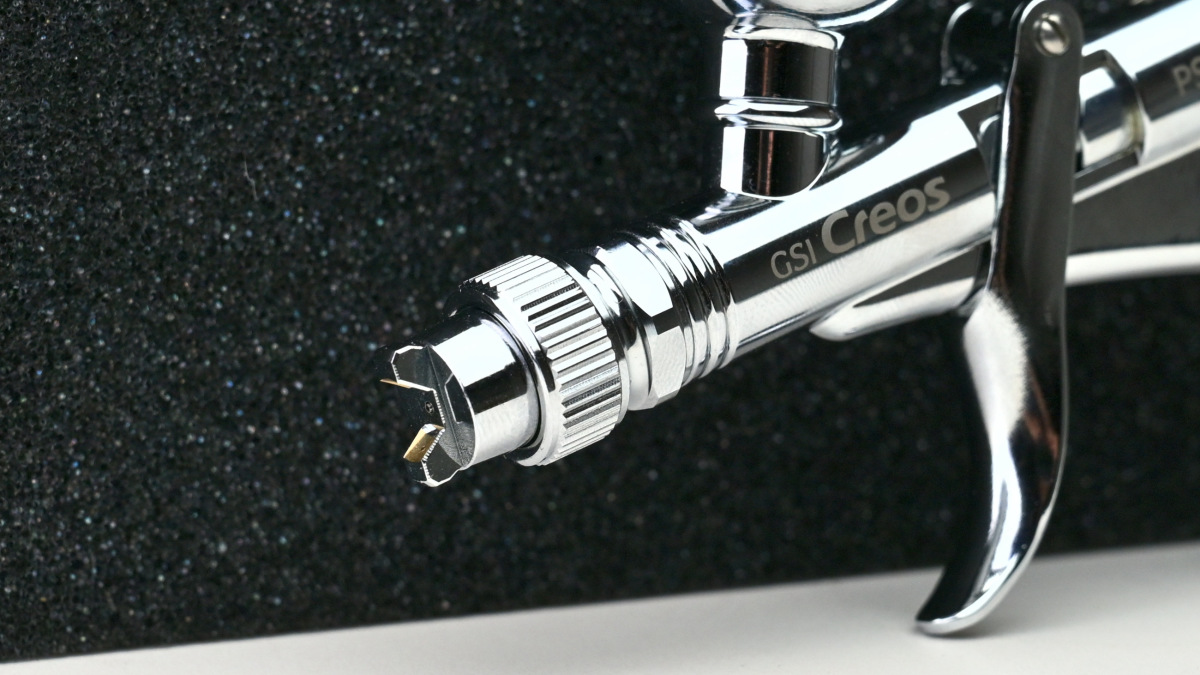
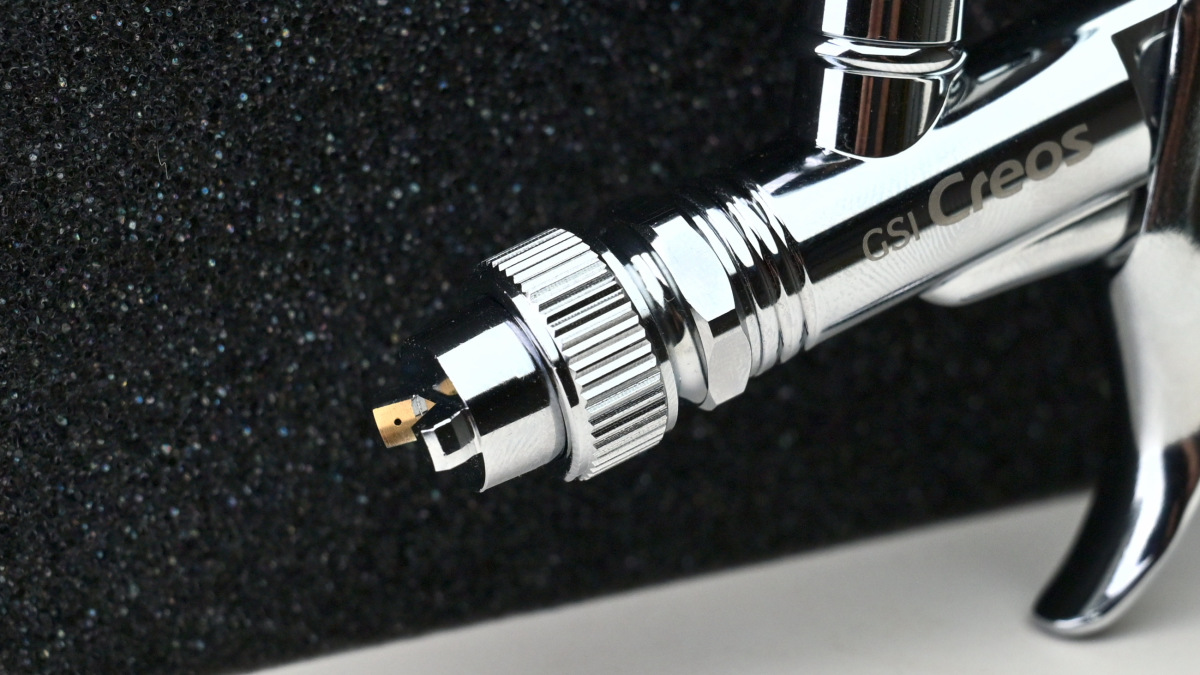
▼Swapped to the standard round air cap.
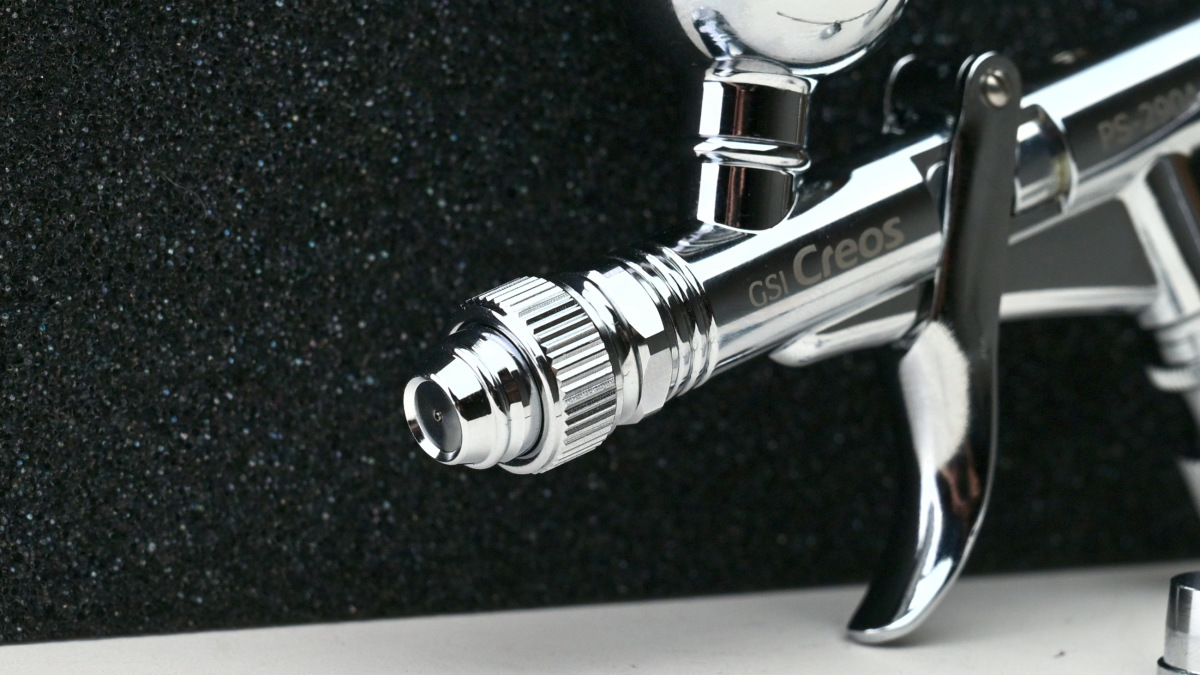
▼After a typical painting session, this is as far as I'll disassemble it for cleaning, unless I'm putting it away for a long time. At most, I'll take off the air cap. I try to avoid removing the nozzle unless absolutely necessary. If the nozzle really needs a deep clean, I'll use the ultrasonic cleaner. My rule is to leave the nozzle alone if I can. However, if I'm not going to use the airbrush for three months or more, I'll do a complete teardown, including removing the nozzle, for a full cleaning and maintenance session.
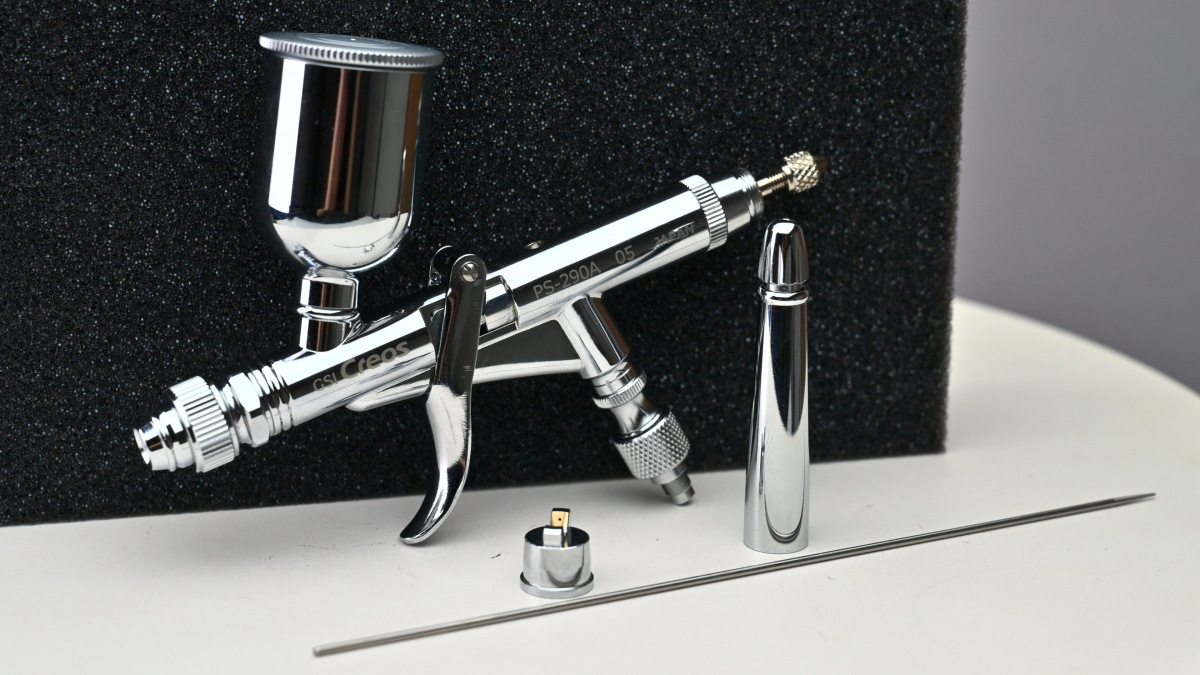
▼Now I finally understand why the old masters collected so many airbrushes. When you buy and hold one yourself, you realize that an airbrush is a work of art and craftsmanship.

▼The smooth inner wall of this paint cup is a beautiful sight. I've seen some airbrushes that look great on the outside, but when you open the lid, the inside of the cup is rough and unpleasant to the touch.
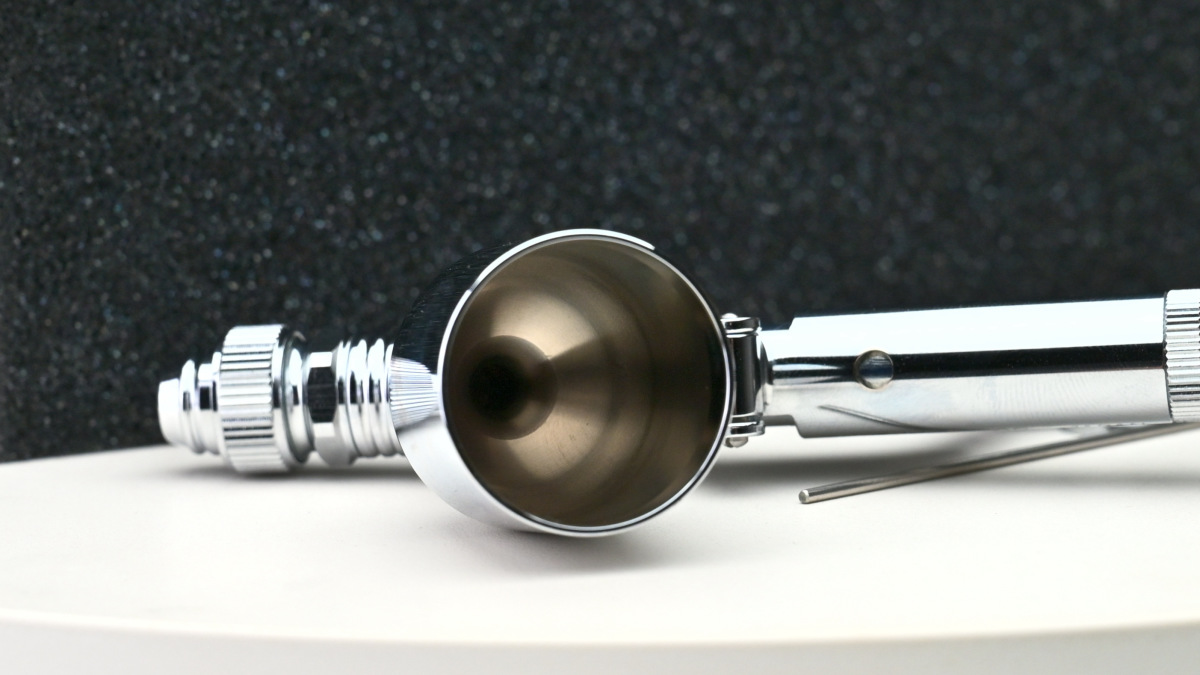
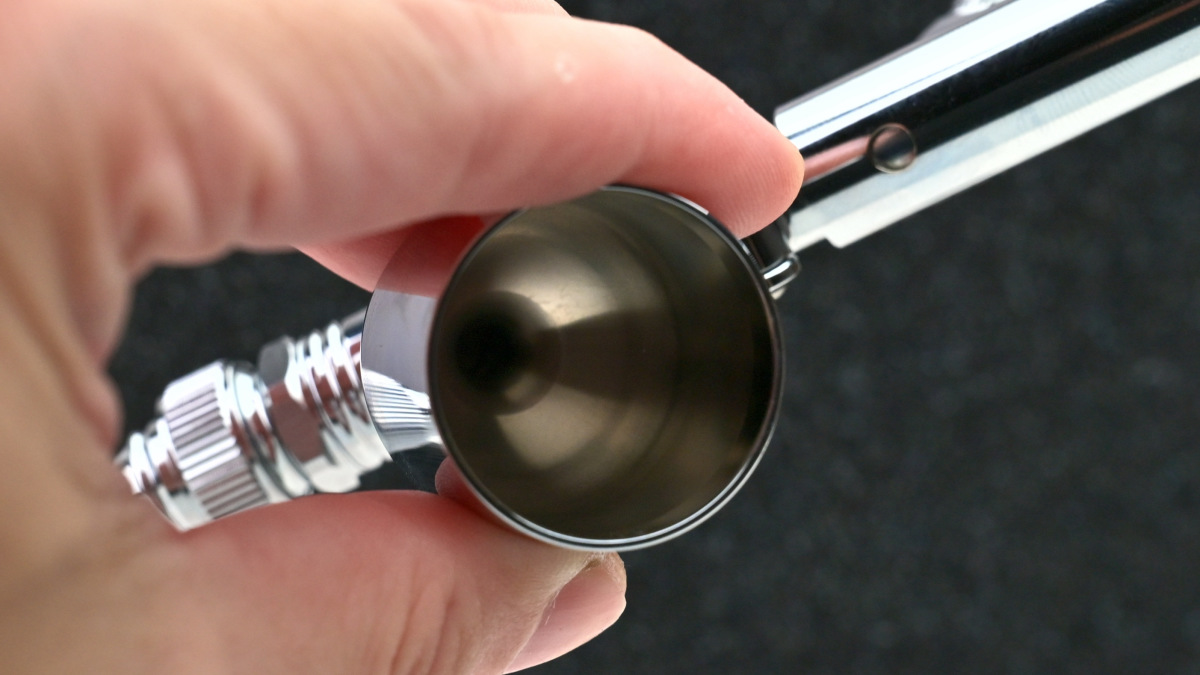
▼Finally, a send-off for my Black Mamba. Rest in peace, old friend. The only thing left of you is the grip, which I will transplant onto the PS-290. In a way, your spirit will live on with me, just in a different form!
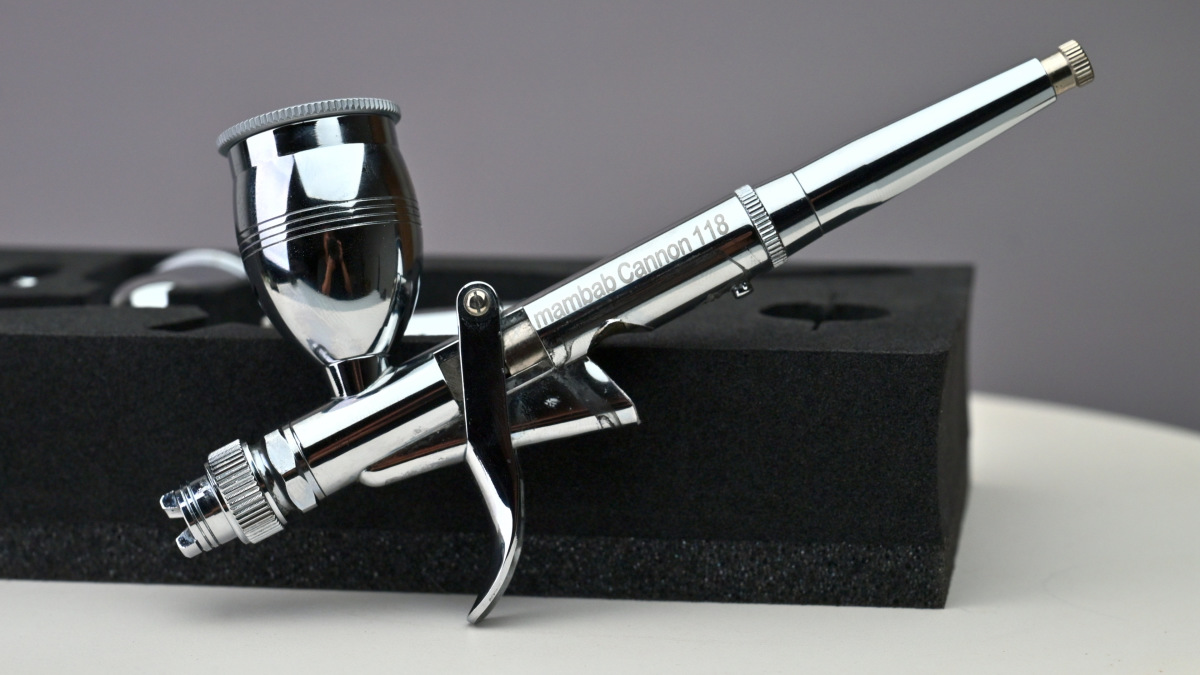
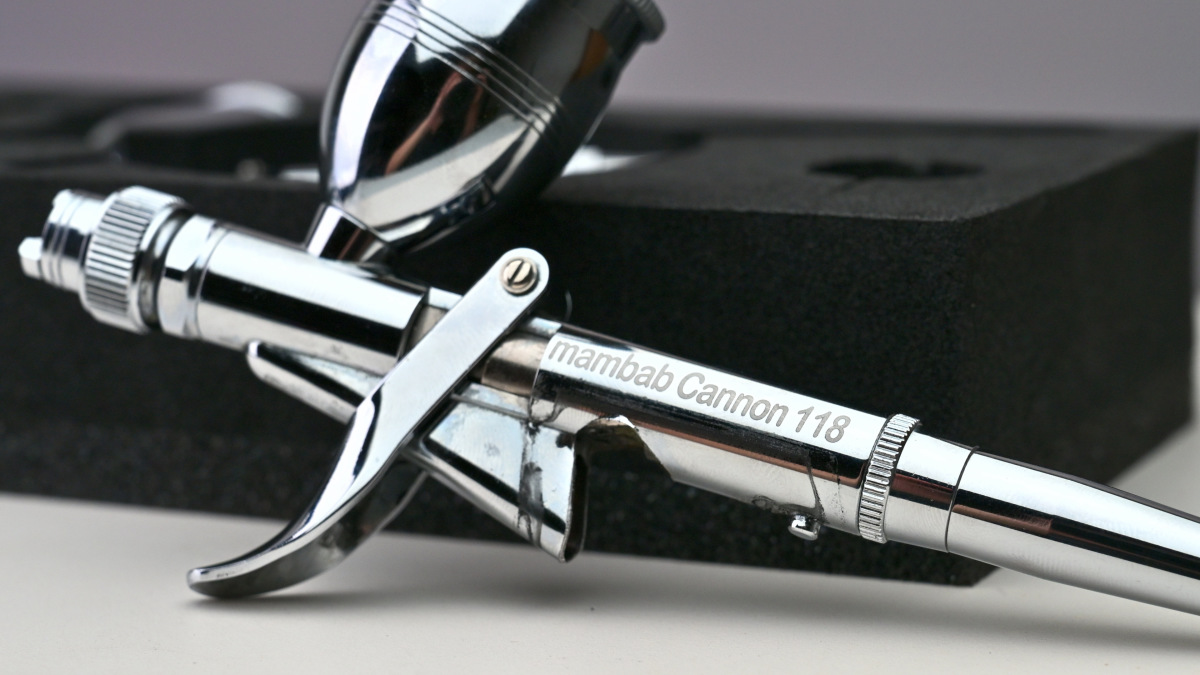
A good airbrush can truly save you a lot of time in the modeling process. The saying "a craftsman is only as good as his tools" is absolutely true. Back in May, a fellow modeler stopped by, and we got to talking about airbrushes. He mentioned that while he uses a certain brand's airbrush for his videos, he switches to his personal, more comfortable airbrush for his actual project work. I was a bit surprised to hear that, but as he said, "what you're used to is most important."
If you're looking for a large-nozzle, low-fatigue airbrush, the PS-290 is definitely worth considering. If you don't need a trigger-style grip and budget isn't a concern, the Iwata HP-CR is another excellent 0.5mm option. And if you are on a tighter budget, there are many quality regional brands that can deliver performance that rivals their Japanese counterparts.