

 (Image: Focus Features)
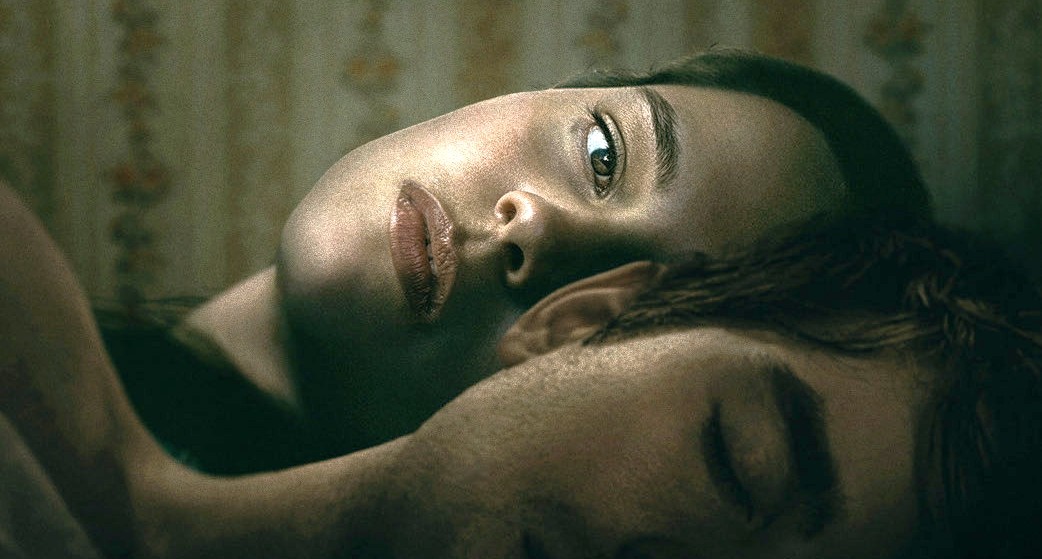
There is no question that this is the year’s most talked-about and highest-grossing horror movie—and almost certainly the one with the greatest return on investment. Made for just $750,000, it has earned nearly $500 million worldwide. It achieved that without movie stars, the resources of a major studio, the halo of a familiar franchise or any layer of postmodern homage, yet it still outperformed every comparable film that had those advantages. Having finally seen it, I cannot help feeling that the conversation surrounding it—and its place in film history—far exceeds the actual quality of the movie. It is an unlikely hero born from a perfect cultural moment. Even so, I like Obsession. This is solid, carefully constructed independent filmmaking. It may be poor, but it knows how to make every dollar count.
The two horror movies that most thoroughly blindsided Hollywood this year are Backrooms and Obsession. The latter did not merely earn more; it is also the more accomplished production. Both directors emerged from YouTube, and both made character-driven films that aim to do more than play with mystery, scares and creeping unease. Each wants to demonstrate a genuine commitment to characterization. Yet Obsession is clearly operating at a higher level. Curry Barker is simply the more tasteful and assured storyteller, and his command of directing is noticeably more mature.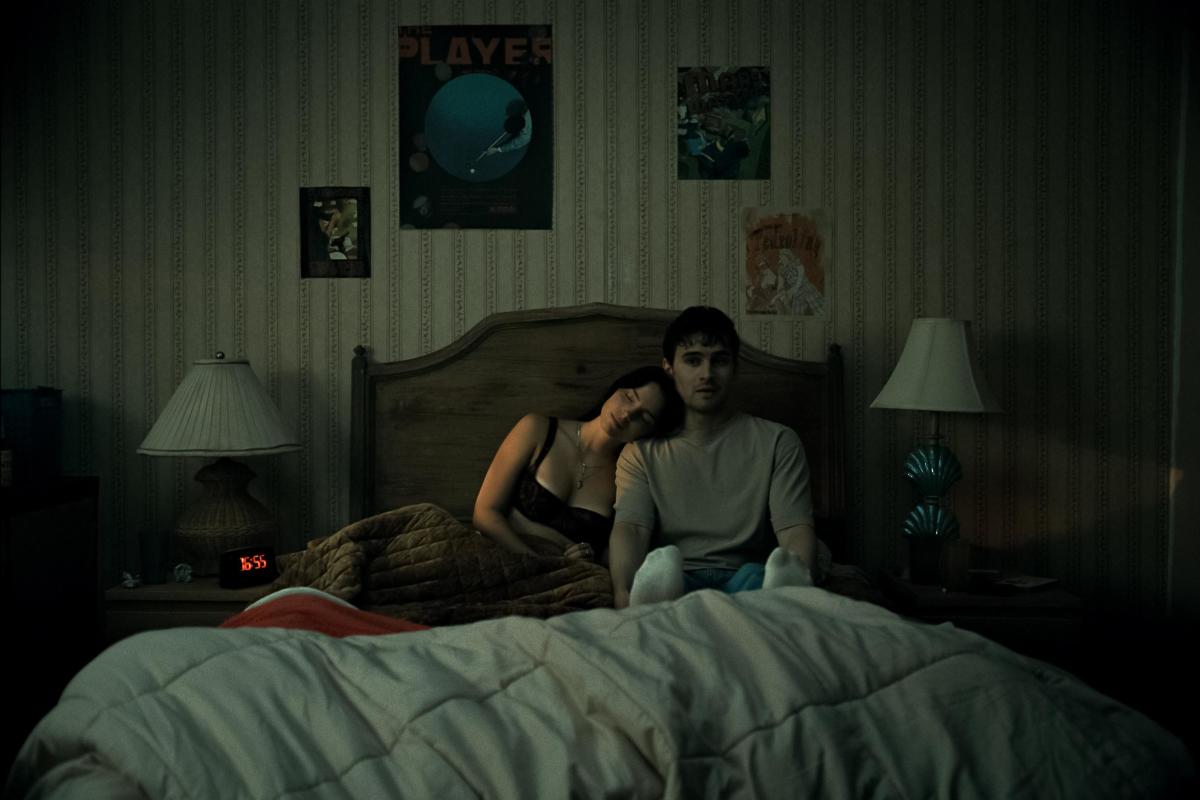
(Image: Focus Features)
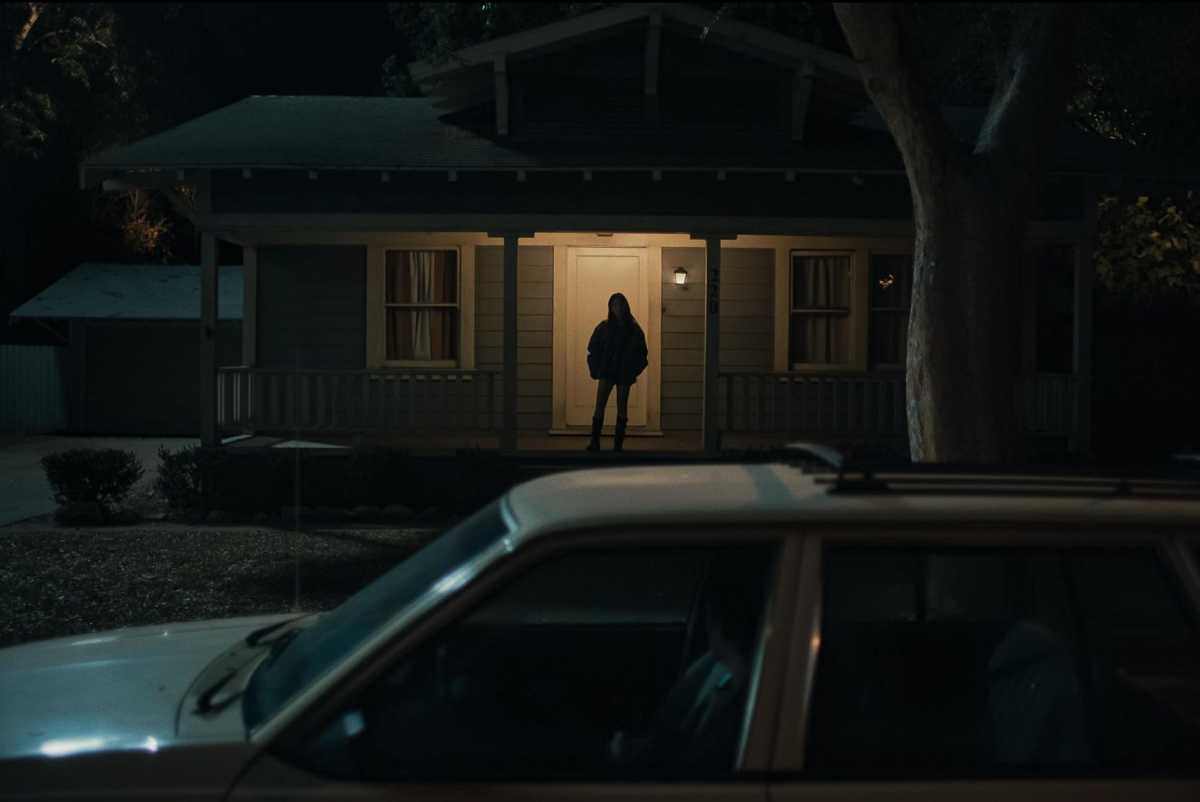
Much of the difference between the two filmmakers can be traced to their backgrounds. Before directing the feature version of Backrooms, Kane Parsons had primarily been making computer animation at home. Barker, by contrast, studied acting at the Los Angeles campus of the New York Film Academy and had already spent years working around the entertainment industry. He is an actor himself, and YouTube was only one part of what he did. It is no different from the many working actors outside the A-list who use social media to build their profiles, make short-form videos or take sponsored-content jobs for additional income. Barker therefore has a much clearer understanding of professional film production and knows how to control its various components. I would not call Obsession a towering masterpiece, but the filmmaker’s confidence in his material is unmistakable. Barker displays real talent in his staging and visual composition, and he pays close attention to the finer details of performance. Together, those qualities allow the actors and images to strengthen one another, creating tension that is both clearly defined and precisely controlled.
The central idea behind Obsession is not especially novel. Horror movies about wishes going horribly wrong have been around for decades. What distinguishes this film is the discipline of its construction. Its suspense generates enough curiosity to keep the audience watching, eager to find out what happens next. Its depiction of young people’s romantic lives is also unexpectedly relatable. Their entanglements and anxieties may seem ordinary, but within this particular story they acquire a distinctive emotional resonance. That may be one reason the film became a phenomenon across the United States. Its unusually effective marketing campaign certainly gave it a major boost, but marketing alone cannot persuade audiences to return for a second or third viewing. That requires a movie with genuine appeal. True to its title, Obsession has left millions of viewers thoroughly obsessed.
 (Image: Focus Features)
The film’s other major achievement, of course, is turning Inde Navarrette into a breakout star. She has become so popular that she could practically be described as America’s new sweetheart. The fact that she is also a committed gamer with a history of livestreaming has made her irresistible to a huge section of the online geek crowd. Her beauty and striking screen presence are beyond dispute. I would not yet describe her as an acting prodigy—in several scenes, highly specific lighting and camera placements add considerably to the force of her performance—but she is unquestionably a talent worth developing. Hollywood is not lacking in talented, beautiful women of color like Navarrette. What they often lack is the right opportunity. Sometimes all it takes is one perfect role to transform an entire life, like hitting the jackpot.
I originally expected the ending to reveal that Nikki really was unstable, and that Bear had merely convinced himself her behavior was connected to the wish. His mistaken conclusion would, in turn, have misled the audience. Had the movie followed that path, it might have achieved something truly exceptional. The twist would have been bolder, more subversive and more inventive. On the other hand, if the wish had no actual power, Bear might never have learned the lesson arising from his fear of rejection and his decision to avoid confessing his feelings. The wish needs to be real for Bear to face the consequences of making it. Perhaps a third option could have found a middle ground, allowing the wish to remain powerless while still forcing Bear to learn from what he had done. Nevertheless, the ending we have works well, and I can accept it.
Written by Joker