

Several recently surfaced patents from Sony Interactive Entertainment LLC (SIE) outline potential new PlayStation technology, including NFC-based data transfers and AI-powered system maintenance. If these concepts ever reach consumers, players could tap a credit card or phone against a controller to make payments, while AI could automatically diagnose console problems and write software patches.
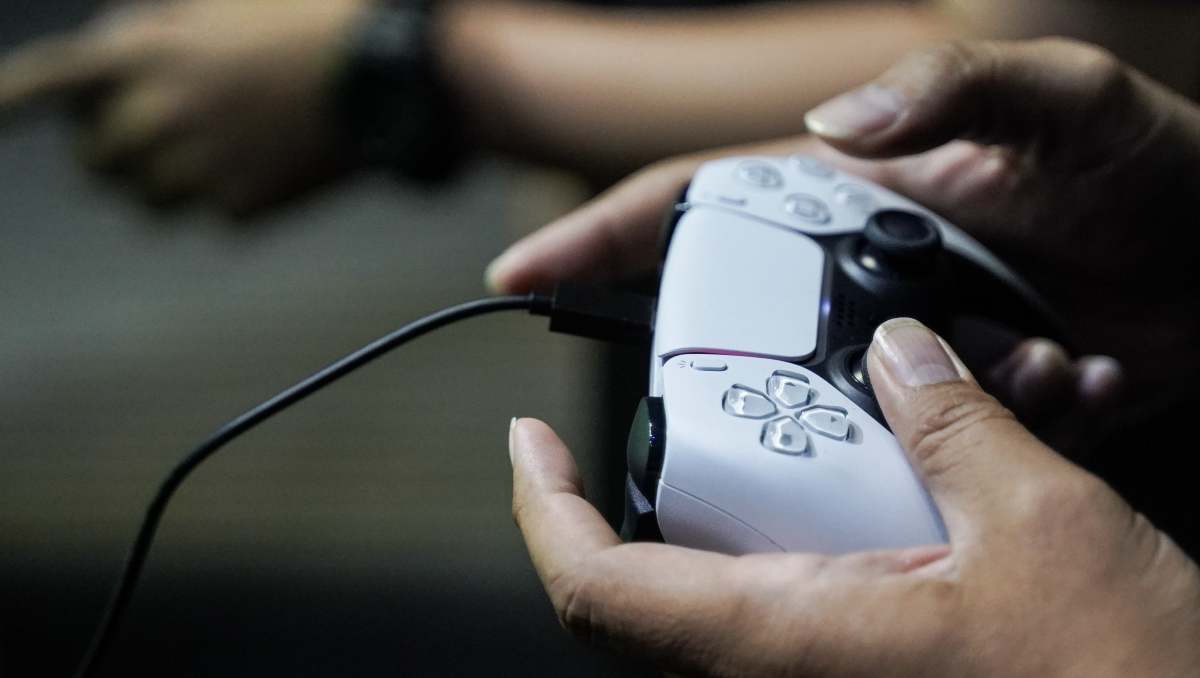
One patent, titled "Video Game Controller-Driven Information Transfer," describes an NFC-enabled controller that can relay data to the console when a player holds a phone or credit card near it. Beyond handling payments, the technology could allow users to quickly transfer their PlayStation account to a new console without typing credentials on an on-screen keyboard or scanning a QR code.
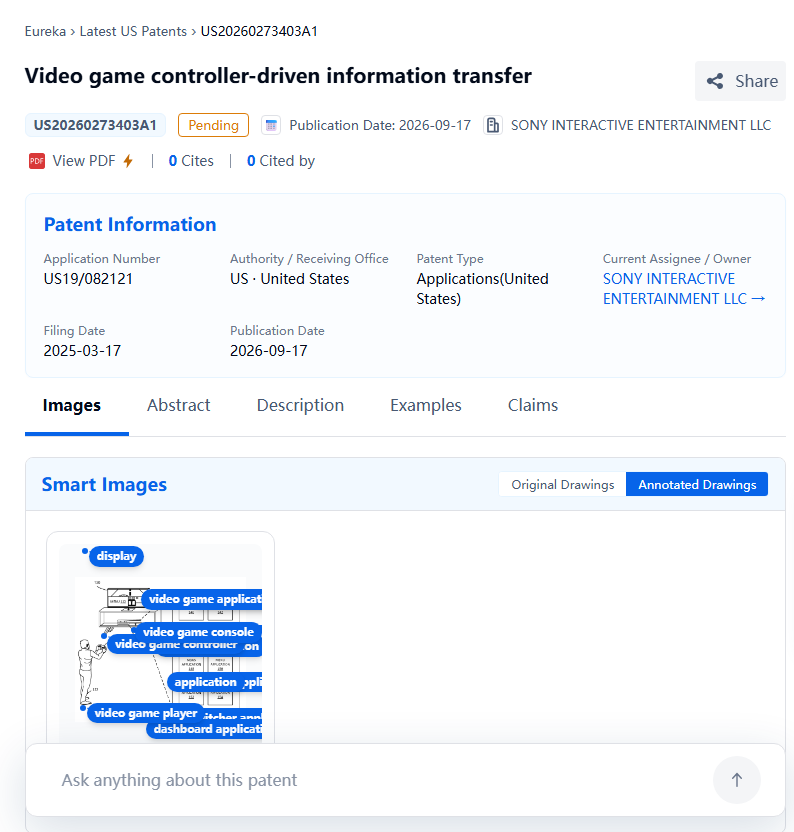
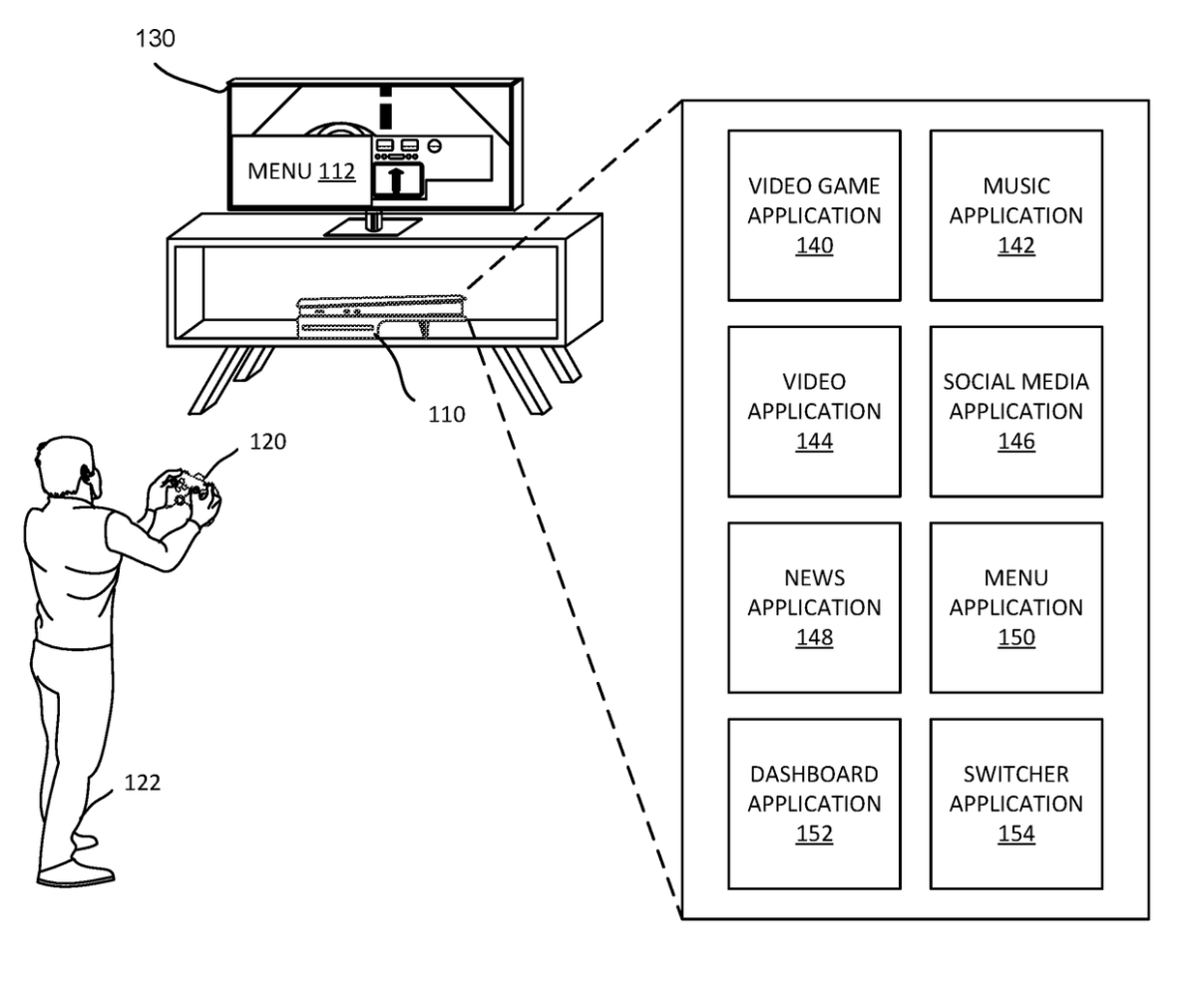
Sony said current data-transfer methods often require multiple devices and several steps, making the process cumbersome and potentially slowing console performance or causing certain operations to fail. Account transfers would still require additional authentication measures, however, to prevent someone from accessing an account simply by obtaining the user's phone.
The second patent is even more ambitious. Sony envisions AI continuously monitoring PlayStation systems for hardware or software issues, then using a large language model (LLM) to automatically write a patch that could resolve the problem before it escalates—or compile a report for engineers to review.
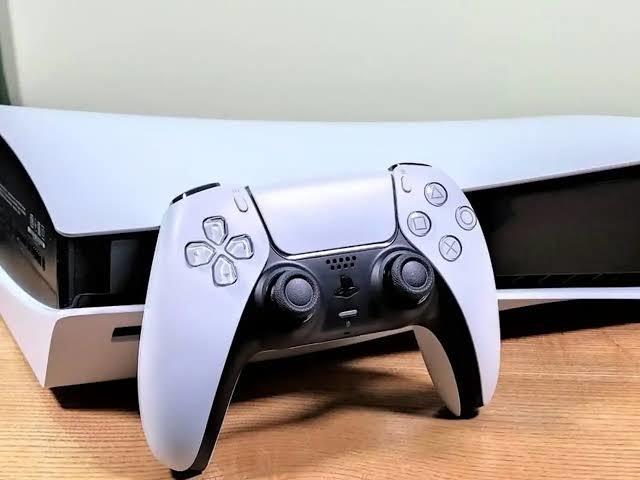
The concept also raises privacy and security concerns. Fully monitoring a system would likely require the AI to access extensive data and permissions. The patent itself acknowledges that strict safeguards would be needed before repair commands could be sent automatically, as an attempted fix could make a minor issue worse—or even brick the console.
Both technologies remain patent concepts, and neither is guaranteed to appear in PlayStation 6. Still, the steady emergence of Sony's technical filings is fueling speculation about how the next PlayStation could change controller interactions, automated maintenance and system connectivity.