

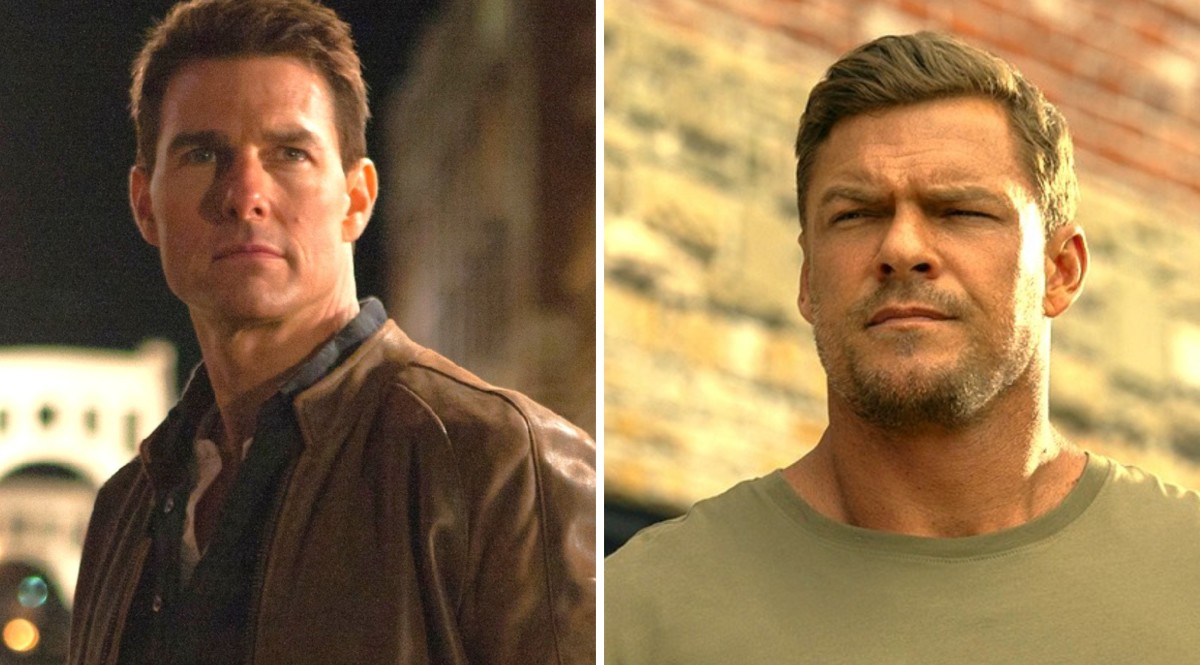
 (Image: Skydance Media/Amazon)
Tom Cruise’s Jack Reacher film series, released between 2012 and 2016, ended after only two installments. It has generally been assumed that the franchise was cut short because the sequel earned less at the box office and received a weaker response than its predecessor. Author Lee Child (pictured below), however, has now revealed that he was the person who chose to end the movie series.
Child explained in a recent interview with Collider: “I included a provision in the movie agreement that allowed me to veto any further films after the first two, and I ultimately exercised that right. The deal was signed in 2005, followed by an exceptionally long development process, and the two-film run had ended by 2017. The impact of the first movie was especially enormous. It opened in December 2012, and by January 2013—just one reporting cycle later—eight of my older paperbacks were simultaneously in the Top 10. That kind of exposure cannot simply be purchased, and it is impossible to turn down.”
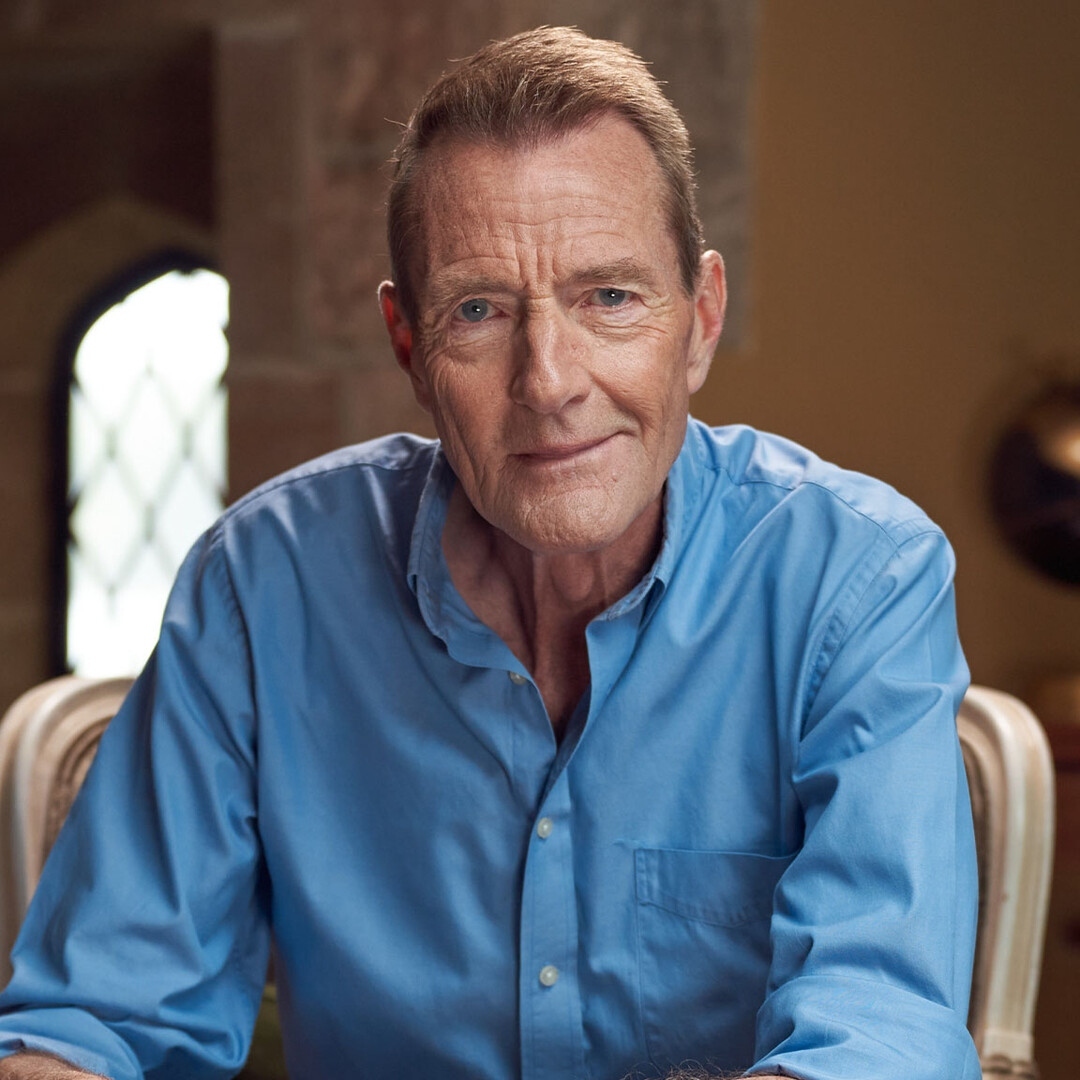
(Image: BBC)
Backlash from readers over the film adaptations, combined with the rise of streaming, subsequently convinced Child to revive Jack Reacher as a long-form television series. “I have always believed—especially since becoming a writer—that the book itself is paramount. It is the finished work, and there is nothing beyond it. A book is not a pupa or chrysalis waiting to turn into a movie. That is not how it works. The book is the final form, while a film is merely a separate side project. My view was, ‘The books are the books and the movies are the movies. A film is one version, one interpretation, and it does not truly change anything.’ Readers saw it very differently, however. Because the films did not reproduce the novels closely enough, they felt profoundly betrayed.”
Child continued: “By 2017, of course, the landscape had changed completely. Binge-watching had arrived, broadband was far more widespread and long-form streaming had become a genuine mainstream option. None of that existed when the agreement was made in 2005. Today, I doubt many people would choose a feature film over streaming television.”
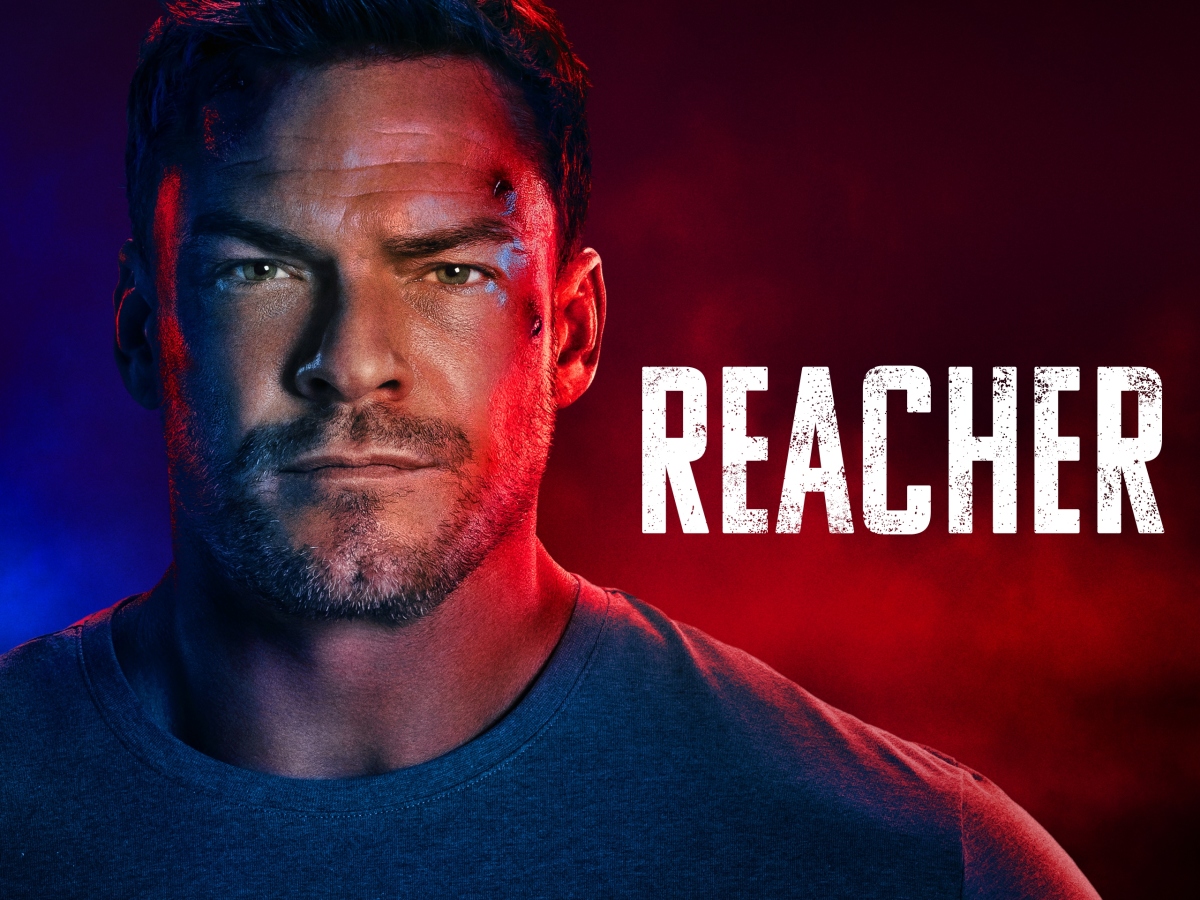 (Image: Amazon)
Child then outlined his reasoning: “There are two reasons. The first is running time, which is an extraordinary luxury. You can have eight hours, 10 hours or 12 hours—whatever the story needs. That allows you to tell the whole story, with all its light and shade, its quiet moments and its humor, instead of forcing everything into 90 minutes. The financing model is also entirely different. In film, the actor is expected to attract the investment, but how many performers can justify a $200 million commitment? In television, the platform provides the money, so you can cast anyone, including a complete unknown. A television star does not necessarily bring in either the audience or the financing, which gave us complete freedom in casting.”
via: Collider