Humanity's Sin and Punishment
There Is No Going Back to Zero.
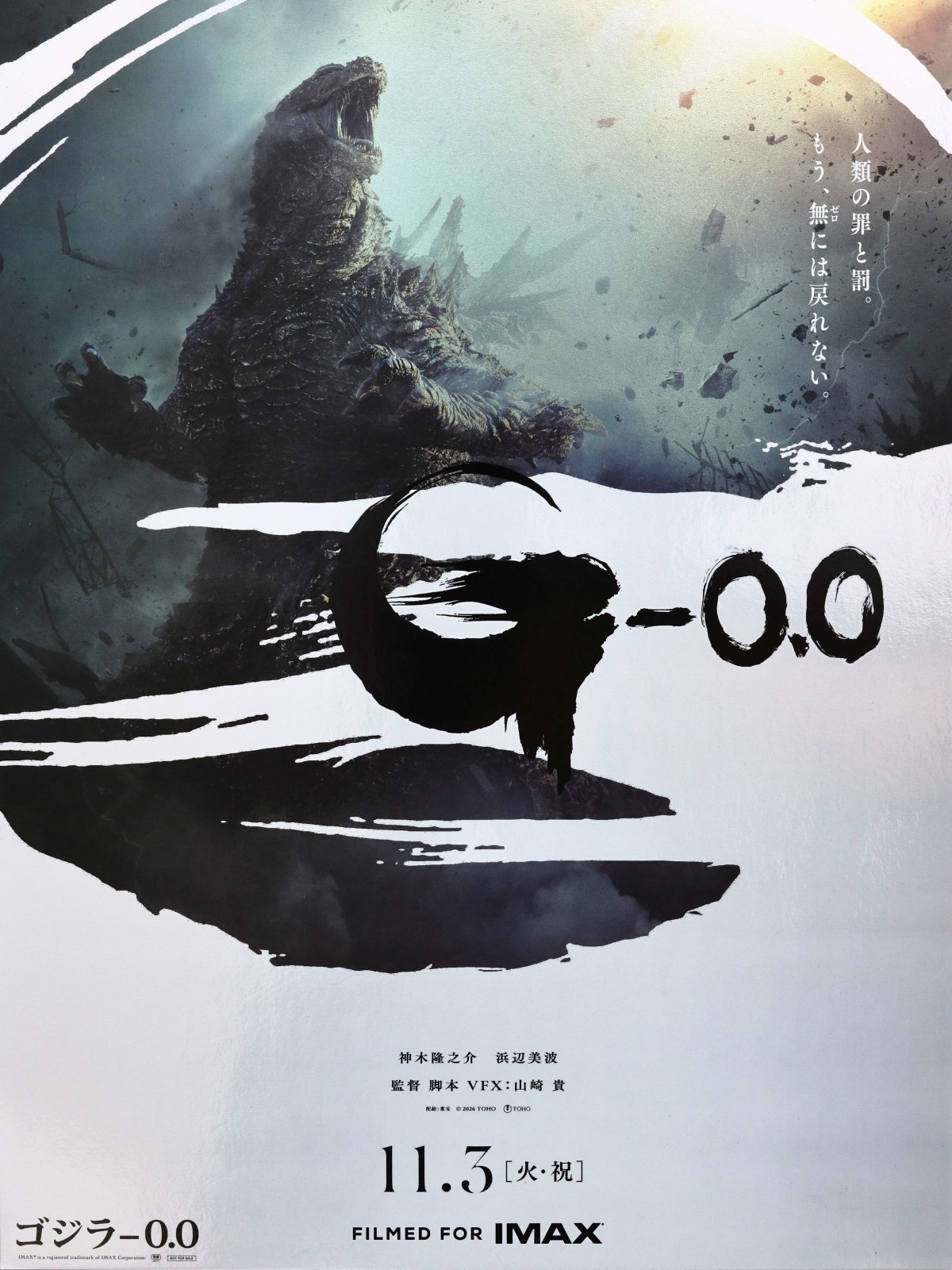
The most anticipated kaiju sequel of late 2026 has arrived. Two years after the God of Destruction was defeated during Operation Wada Tsumi, towering waves once again rise from Sagami Bay. Amid the churning spray, the immortal destroyer surges toward Tokyo in a rage! Written and directed by Takashi Yamazaki, who also handled the visual effects, "Godzilla Minus Zero" begins with a warm prerecorded greeting from the filmmaker and a brief recap of the previous movie. Then an overture erupts like an air-raid siren, echoing the cadence of "Ride of the Valkyries" as the curtain rises on an epic new chapter in the rebirth of the King of the Monsters.
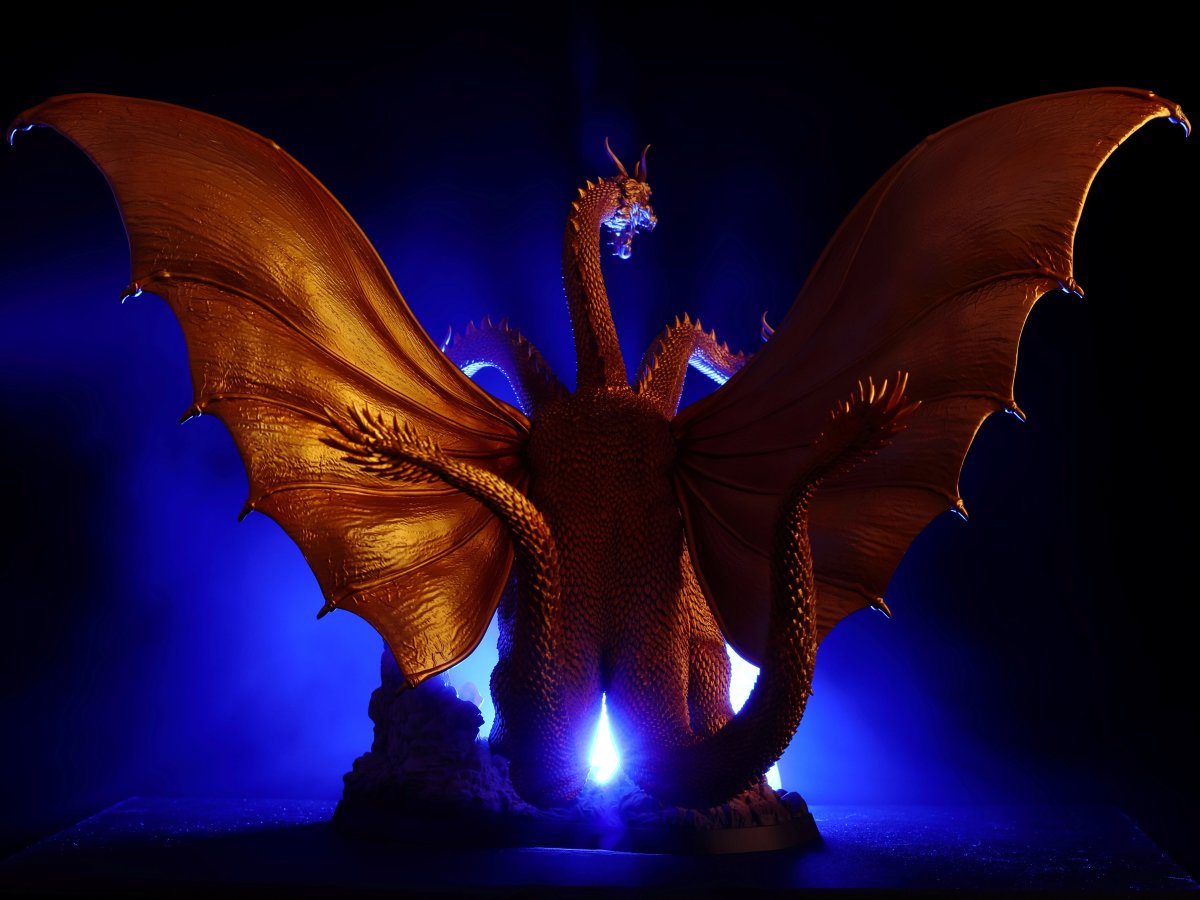
The movie wastes no time introducing its villainous kaiju—or arguably the true star of this sequel—right in the opening scene (honestly, I thought it was Tigrex at first). Its evolutionary process unfolds in striking detail, including an aerial battle dubbed Operation Narukami. Against the majestic backdrop of the Hida Mountains, Koichi Shikishima pilots a fighter plane while dodging deafening bolts of golden lightning crashing behind him. After weapons supplied by the U.S. military fail to stop the creature, humanity attempts to harness the weather itself to eradicate the threat. Murphy's Law inevitably strikes, however, and the plan backfires spectacularly, triggering a mutation that pushes the monster into an even more destructive ultimate form and sets an escalating tragedy in motion.
The movie offers an unflinchingly raw portrayal of the physical and psychological trauma left by catastrophe. Whether revisiting the 1945 atomic bombing of Hiroshima or the attack on Ginza two years later, the story confronts the tens of thousands killed or wounded in those disasters. Within this hellscape of mass suffering, ordinary people remain trapped in a mire of sin and punishment while those in power look on with chilling indifference.
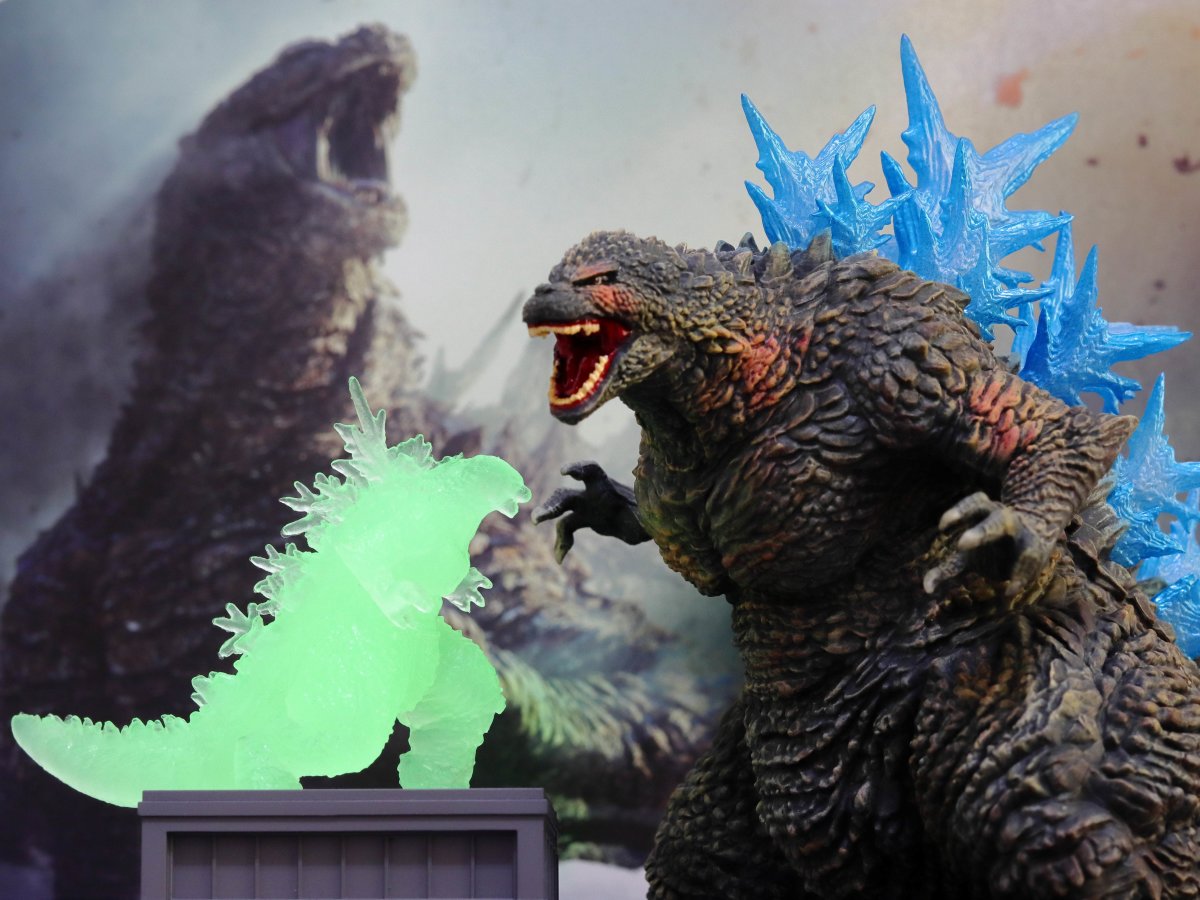
Godzilla, the movie's nearly forgotten actual lead, finally makes his thunderous return in the second half to the familiar pounding strains of his classic theme! The climactic battle, dubbed Operation Yahata, pits one monster against the other in a desperate attempt to fight poison with poison. Their final clash unfolds across a scorched landscape of shattered buildings, delivering what may be the most violent and bloody kaiju battle in the series to date. The sequence also pays tribute to several classic elements from Godzilla history, including the recreation of iconic 1991 poster imagery and the formidable regenerative abilities of Millennium-era G-Cells. Personally, however, this biomedical miracle felt more like a nod to a certain famous anime, with a general-purpose humanoid decisive battle weapon absorbing enemy tissue and rapidly regrowing its severed arm... Come to think of it, the face of that newspaper reader aboard a train passing through Matsumoto earlier in the movie looked awfully familiar.
The sequel's superb visual effects and immersive, thunderous score once again deliver a top-tier audiovisual spectacle. At more than two hours, however, the dialogue-heavy drama and overall pacing can feel slow and drawn out. Even so, the story follows a former kamikaze pilot who fled from battle as he rediscovers the courage to live for his family. Those same family bonds ultimately force him to once again choose between his personal happiness and what others demand in the name of his country. Amid a child's tearful cries, the movie offers a prayer for everyone still pushing forward against the headwinds of an uncertain world: may the road ahead be kind, and may they always travel safely.
Come home safe.