

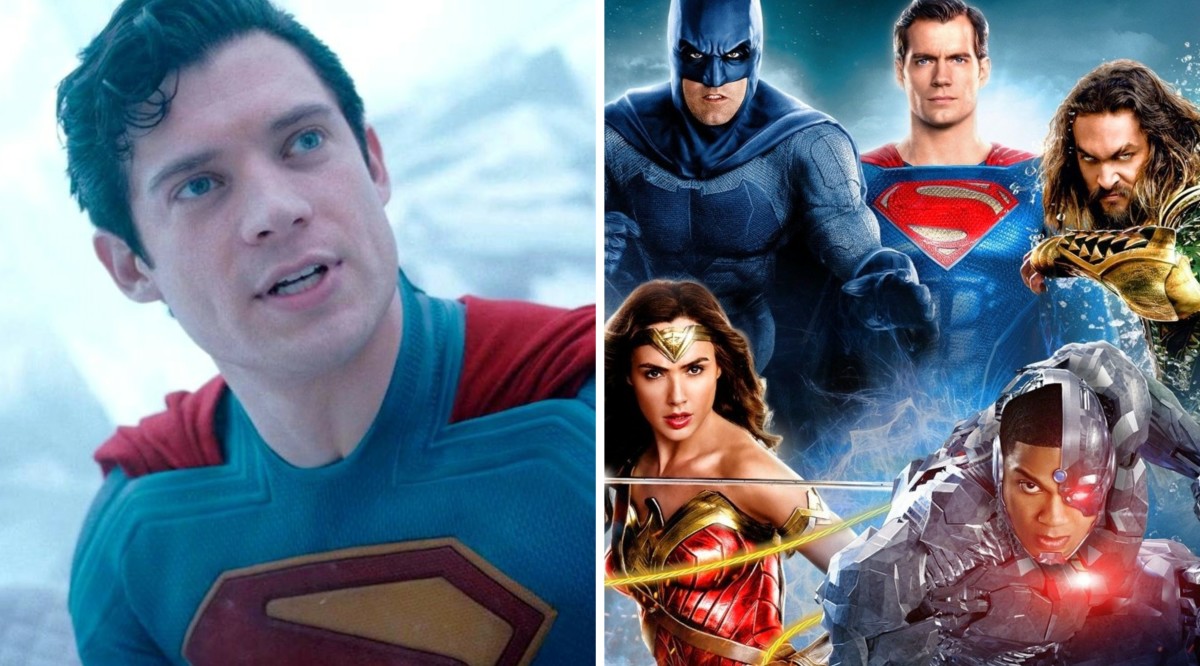
 (Image Source: Warner Bros. Pictures)
Skydance delivered Hollywood's biggest bombshell on Monday, ousting DC Studios co-CEOs James Gunn (pictured below, right) and Peter Safran (left) and tapping former Marvel Studios senior vice president of production and development Jeremy Latcham as the studio's new president and chief creative officer. However, Gunn and Safran are not leaving DC entirely. They are simply stepping away from their executive roles and will remain involved with select projects as producers, writers and directors. There are also currently no plans to reboot the DC Universe.
The announcement sent shockwaves through Hollywood, with reporters quickly revealing more behind-the-scenes details and updates on the DC Universe's future.
The Wall Street Journal entertainment editor Ben Fritz shared a series of updates on X:
Fritz also reported that Gunn and Safran were only informed of the leadership change several days ago, suggesting Skydance had already been in talks with Latcham for some time. Although the pair are not leaving DC completely, they may not remain within the newly restructured organization for the long haul. Fritz added that the DCU's first Batman movie, "The Brave and the Bold," could arrive in 2029.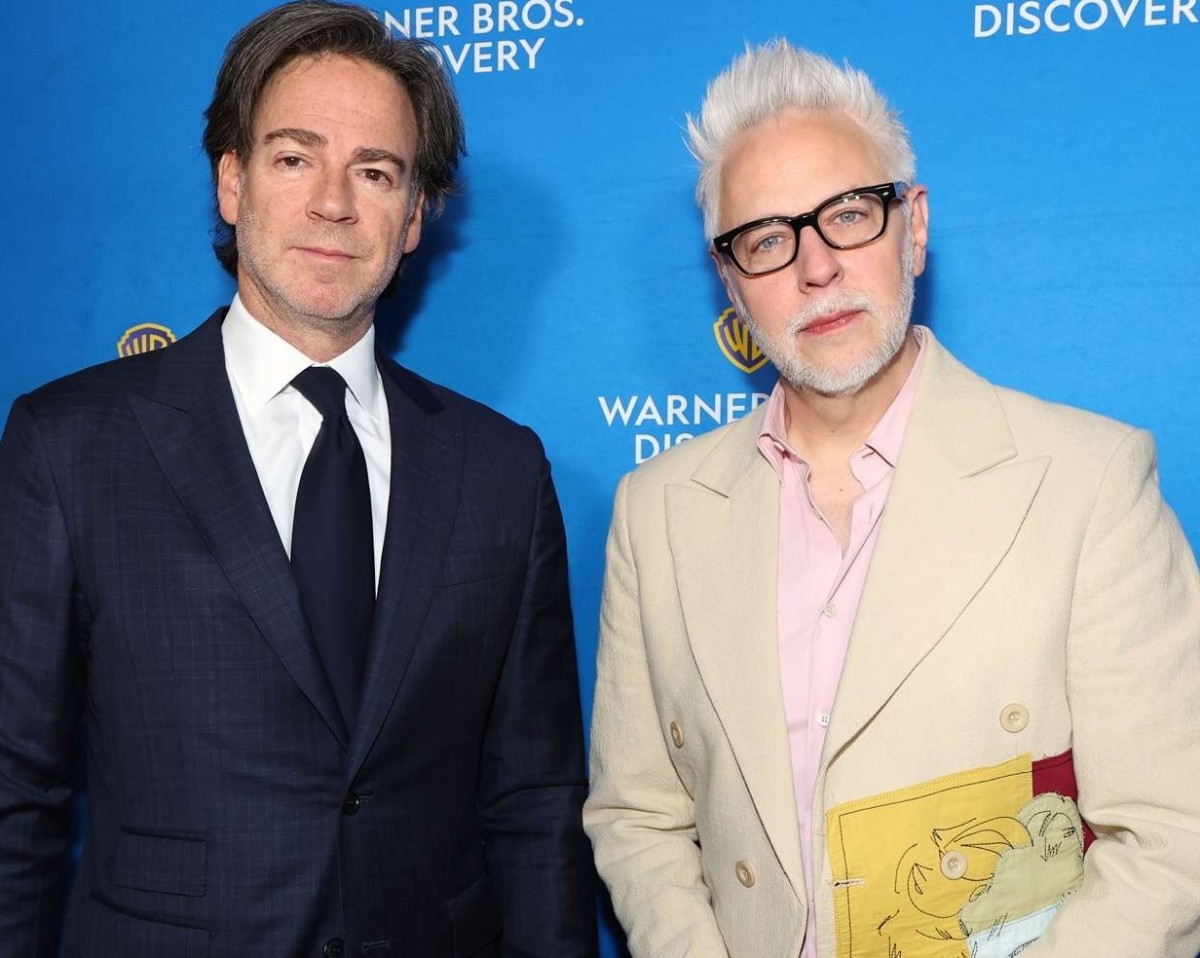
(Image Source: Pinterest)
Veteran entertainment reporter Jeff Sneider also wrote in his paid newsletter, The InSneider, that "Superman 3" had indeed evolved into a "Justice League" movie. According to Sneider, the project was also being considered as a two-part film, aligning with the 2029 and 2031 release years cited by Fritz.
Sneider and The Hollywood Reporter both reported that the leadership shake-up was driven in part by creative and operational tensions between Gunn and Safran and Skydance Motion Picture Group co-chairs Josh Greenstein (pictured below, left) and Dana Goldberg (right). Gunn and Safran previously operated DC with considerable autonomy and reported directly to former Warner Bros. Discovery CEO David Zaslav. They had hoped to continue reporting directly to Skydance CEO David Ellison, with their contracts reportedly requiring that arrangement to remain in place even if corporate leadership changed.
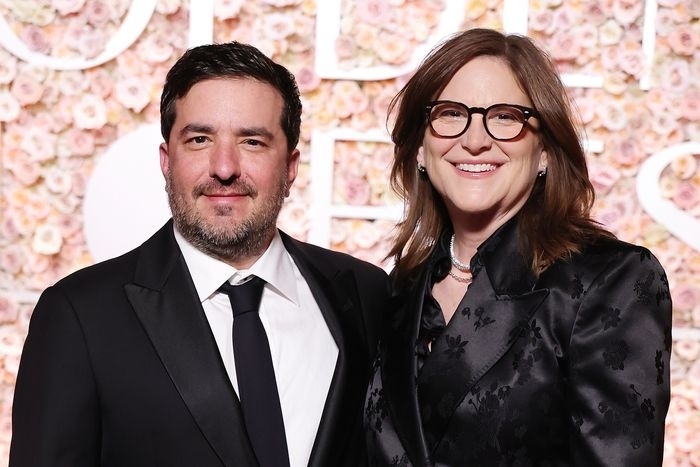 (Image Source: Pinterest)
Ellison, however, reportedly had no interest in becoming deeply involved in the internal politics surrounding DC and Warner Bros., while Greenstein and Goldberg wanted all film operations—including DC—to fall under their oversight. That arrangement did not sit well with Gunn and Safran, who were determined to preserve the studio's independence.
Another reason Greenstein and Goldberg reportedly wanted greater control over DC was their belief that "Superman" had fallen short of its box-office potential, while "Supergirl" was viewed as an outright disaster. They also felt DC was not developing enough projects. Sneider added that overseeing "Supergirl" had diminished Gunn's enthusiasm for the CEO role. As an executive, Gunn was expected to give notes to other filmmakers, but as a director himself, he reportedly felt uncomfortable telling his peers how to make their movies.
Sources for The Hollywood Reporter described Latcham as a practical executive who likes to supervise productions in person. His filmmaking tastes are reportedly closer to those of mainstream audiences, and he is not enamored with Hollywood excess. Latcham was also a key figure in hiring Gunn to direct Marvel Studios' "Guardians of the Galaxy," suggesting his arrival could bring a more balanced approach to DC's operations.