


"A lawyer friend of mine told me it's best to keep a distance from clients and not become friends with them."
"But your actions make me feel that this is nonsense; only by feeling their pain and understanding their situation can we know how to help them."
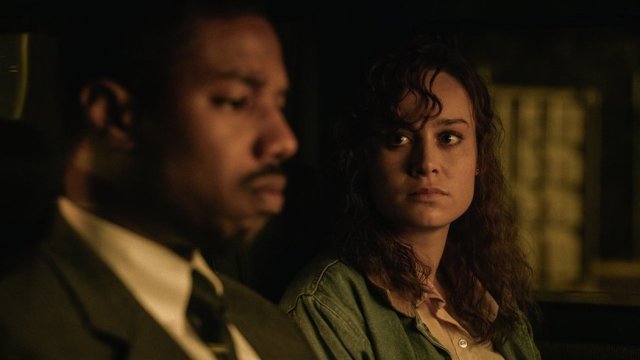
This line is said by the female lead, Eva Ansley, to the male lead, Bryan Stevenson, in Imperfect Justice. As a TV program planner, I find this statement quite touching. If we do not connect some parts of our lives with others, we can only interpret the world through our own prejudices, allowing our emotions to be blinded by illusions. When we candidly acknowledge our own imperfections, we can begin to accept the imperfections of others.
Bryan is a lawyer who defends death row inmates, and his actions are not recognized by the public. Those who defend the spirit of justice are harshly criticized, reminding me of James B. Donovan, who defended a Russian spy in Bridge of Spies, a knight guarding the spirit of the Constitution who endured overwhelming contempt.
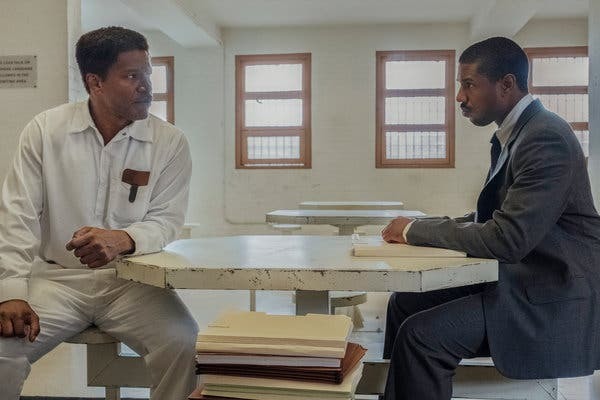
The English title JUST MERCY literally translates to "the mercy of justice." Mercy and compassion are the essence of justice, but modern society easily associates them with the guillotine. The original intention of the judicial system is for the perpetrator to pay the price and for the victim to receive compensation, but this system can also easily become a tool for those with ulterior motives. Those who defend the judicial system face attacks mainly because the general public does not understand the details of judicial operations. In the U.S., there is, on average, one wrongful conviction for every ten death penalty cases, and this probability of misjudgment raises concerns about the judicial system’s control over life and death. Imperfect Justice fully portrays the judicial process and interprets the significant impact of judicial personnel's subjective judgments on cases, allowing the audience to understand the flaws in the judicial process.
The essence of courtroom dramas lies in the resistance of individual fates against judicial shortcomings. The depth of personal emotions is a key factor in the success or failure of the film, as it highlights the rigid imperfections of the judiciary, creating strong tension. In the face of the gray areas of human nature, the judiciary ultimately has its limits. How the scales of justice tilt in the gray areas is the crux of the plot.
"The opposite of poverty is not wealth, but imperfect justice."
Justice is imperfect because humans are inherently imperfect, and our world ultimately needs those willing to confront limits. No one is perfect, but through the process of questioning one another, we can explore overlooked blind spots. An imperfect system forces us to pursue perfect humanity. Those who commit crimes should pay the price, but we should also reflect on whether these criminals have endured too much imperfection in the world. In the film, a Vietnam War veteran suffers from mental illness, leading him to commit heinous crimes, ultimately facing death alone. When a person is crushed by solitude, their fragility becomes an uncontrollable blade of wandering.
Imperfect Justice is a genuine courtroom movie with a straightforward plot that won't overwhelm viewers with too many complex legal terms. It's very relevant to current social issues in Taiwan, and I believe that Taiwanese audiences will resonate with it.