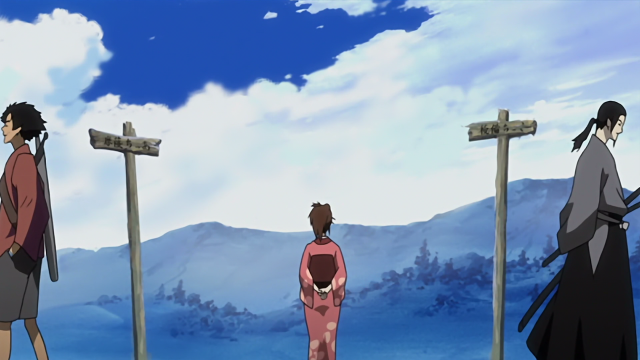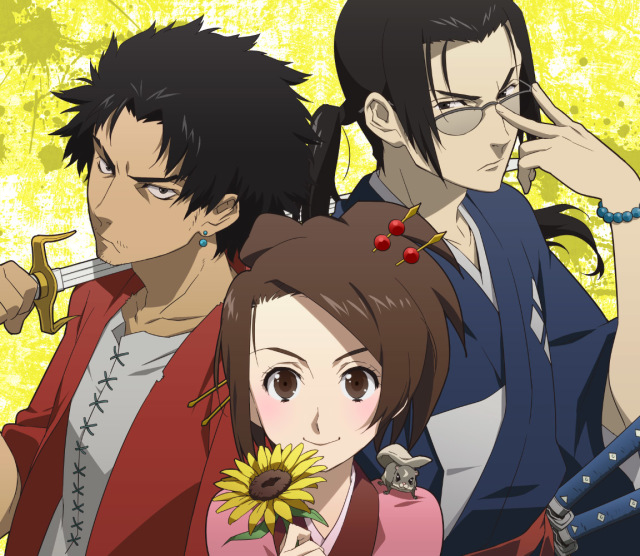
In 2019, I fell into the world of Shinichiro Watanabe's works. This year also marks the 25th anniversary of his work 'Samurai Champloo'. At the San Diego Comic-Con and various anime conventions, there were related commemorative events. I regretted not being able to attend such a grand event, so I started writing this piece in early 2020 to commemorate it.
The director of this work, Shinichiro Watanabe, may not be a name you know, but you have definitely heard of 'Cowboy Bebop'. This work is Watanabe's second project following 'Cowboy Bebop'. The trilogy of 'Cowboy Bebop', 'Samurai Champloo', and 'Space Dandy' is often referred to as Watanabe's 'road movie trilogy'. This comes from the style of the three works where the protagonists meet by chance and roam through the universe and Edo-period Japan, sometimes interspersed with their tragic pasts and sometimes facing the joys and sorrows of their journeys. With contributions from prominent musicians (Yoko Kanno, Nujabes) and famous voice actors (Koichi Yamadera, Kazunari Naki, Norio Wakamoto, Unsho Ishizuka...), it can be described as a fantastic collaboration.
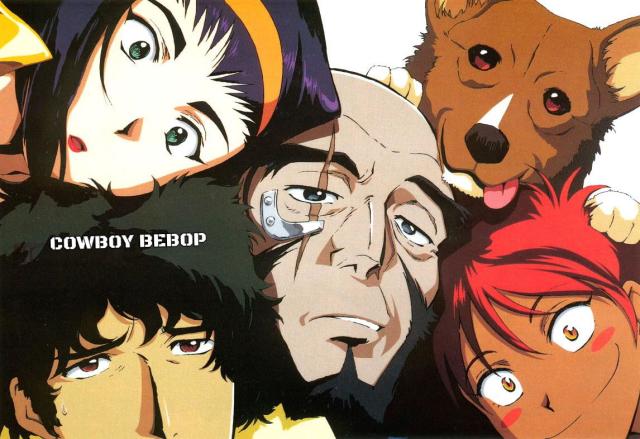
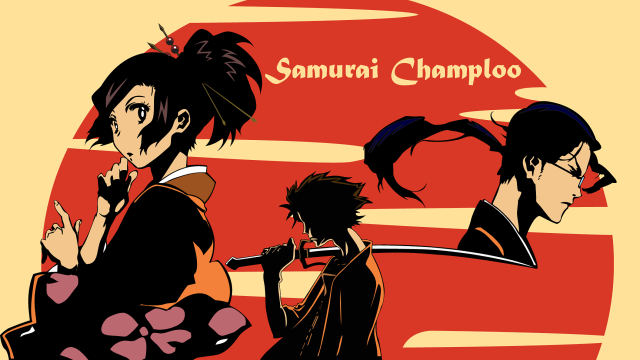
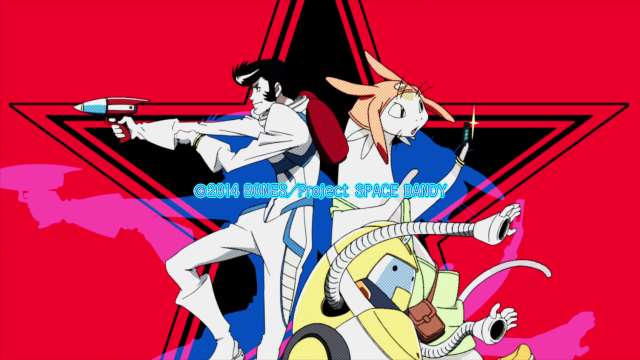
(Cowboy Bebop, Samurai Champloo, Space Dandy)
What connects these three works without a doubt is music. Watanabe himself started as a music director, and combining Hip-Hop with samurai and period drama might seem unrelated, but in this work, it offers a rich soup of various elements.
The story of this work is lighter than 'Cowboy Bebop' and feels more melancholic than 'Space Dandy', beginning with the meeting of the three characters Mugetsu, Jin, and Fuu, and concluding with their separation.
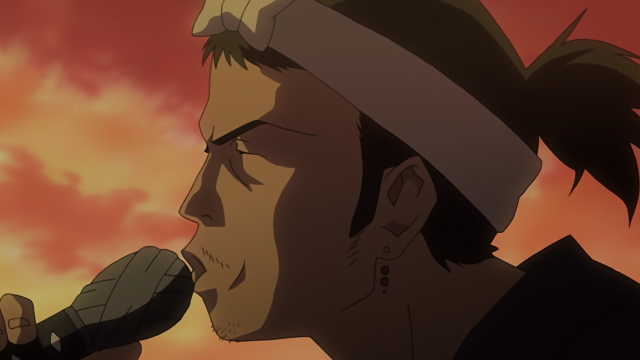
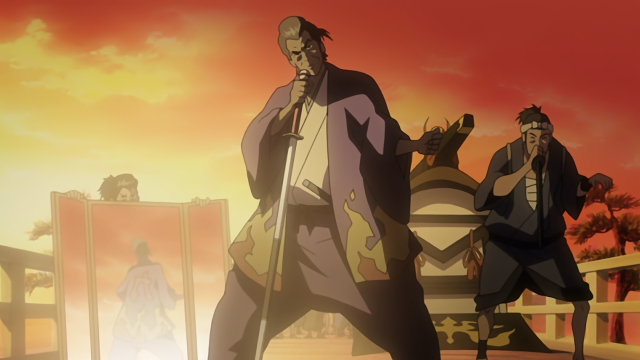

(Hip-Hop, Samurai, Period Drama)
Mugetsu and Jin act as the winds that accompany Fuu on her journey to find the samurai with the smell of sunflowers, traveling from Edo to Nagasaki. Although by the middle of the plot, one can guess that the sunflower samurai is Fuu's father, Watanabe does not hide this fact. The pasts of the three characters are gradually revealed to the audience throughout the journey.
Mugetsu's past comes from his birthplace, Ryukyu. After experiencing countless cycles of life and death, he develops a perspective that sees through life and death. In episodes 13 and 14, Mugetsu encounters his childhood sweetheart but faces betrayal, ultimately choosing to let her go in the end.
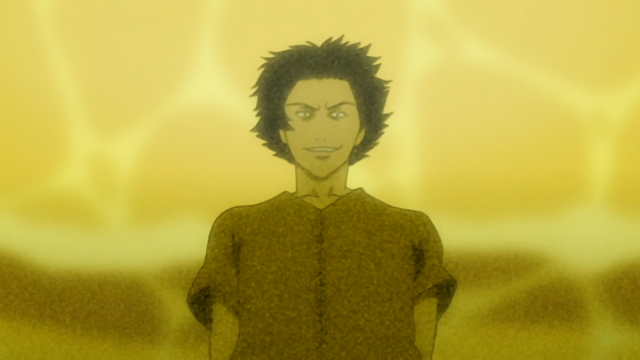
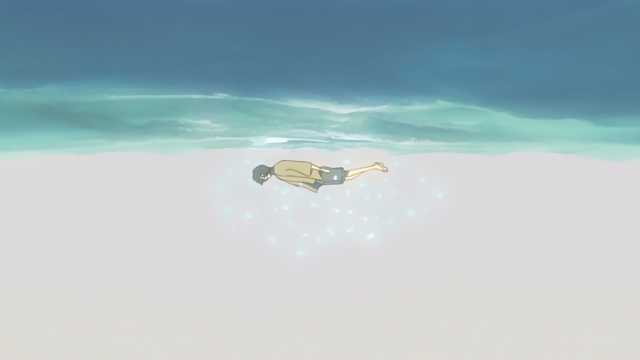
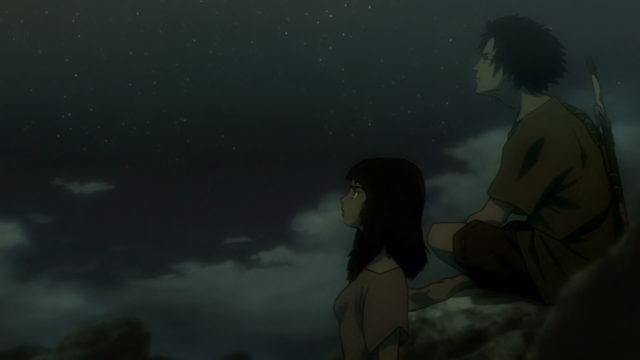
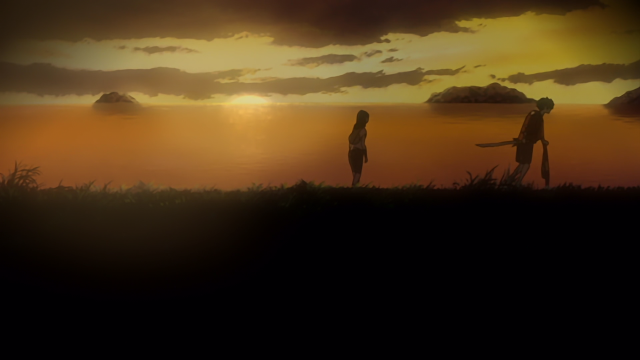
(Episode 14's classic song is 'Island Song', along with countless moments of Mugetsu's turmoil between life and death.)
Jin's past deals with the crime of killing his master and the last words entrusted to him by his master on his deathbed. He is continually searching for the reason behind his swordsmanship throughout the journey.
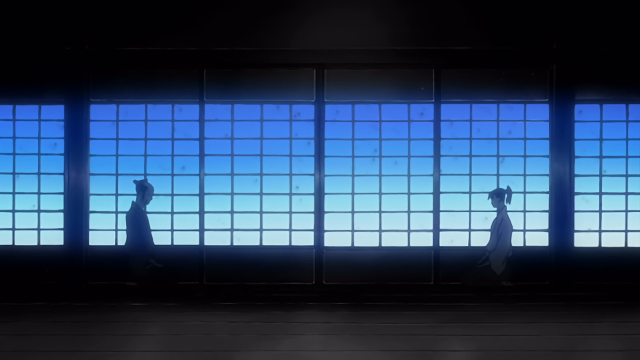
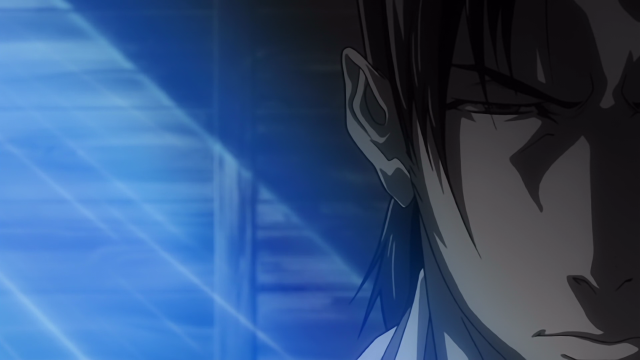
Fuu's past regarding the sunflower samurai, her father, involves her anger over his abrupt departure. It is only when she finally meets the sunflower samurai that she realizes his hasty departure was for the safety of his wife and daughter.
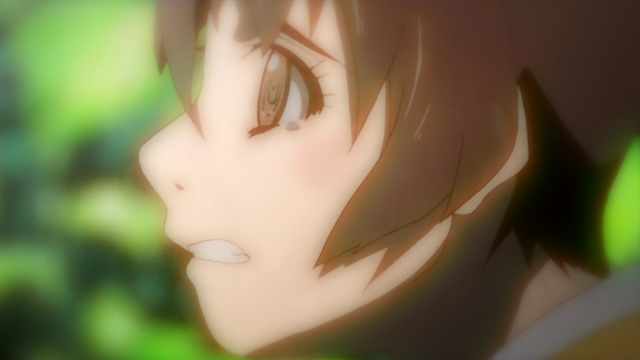
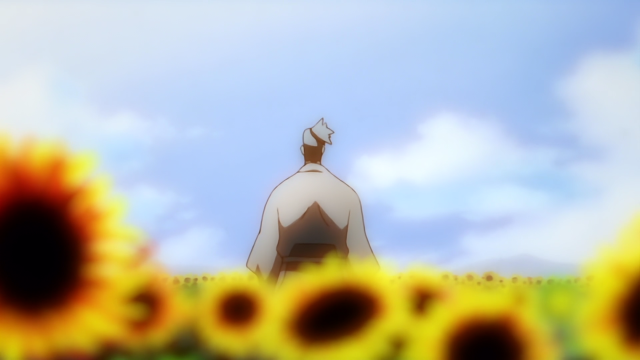
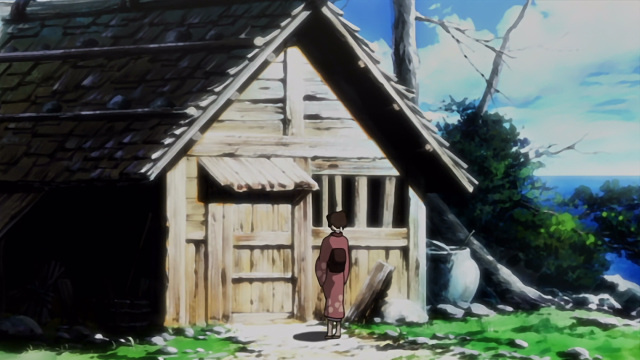
(Fuu's father self-exiled to a small island in Nagasaki to avoid implicating his wife and daughter due to the Shimabara Rebellion.)
In addition to the pasts of the three characters, the various events and people encountered on their journey appear in an episodic format, a common expression in road movies, from Jin's brief romance with the courtesan Sara, the story of an artist who travels west to seek painting skills, the blind musician pursuing the three on the shogunate's orders, to numerous ronin seeking the peak of martial arts to confront Mugetsu and Jin. All are passersby in their journey, much like the last episode’s title 'Life and Death Flow' describes.
During this journey, the three gradually come to understand and care for one another, ultimately letting go of their respective pasts and embarking on their own journeys, anticipating their next meeting. The term 'Life and Death Flow' adds a touch of melancholy to the conclusion of this work.