
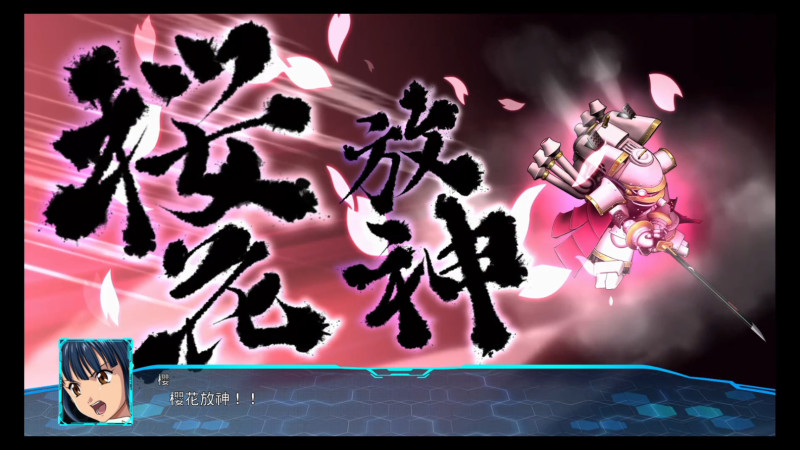
Speaking of which, in late October last year (2021), BANDAI NAMCO released the latest installment in its renowned classic SRPG series, Super Robot Wars 30. As the name suggests, this was a commemorative title celebrating 30 years since the birth of the Super Robot Wars series. This author, being an enthusiast of the series, naturally purchased it immediately. The game not only introduced various new attempts but also paid homage to its initial works, bringing back some long-unseen titles. There was even an unprecedented official appearance of a series that rarely participates (yes, Sakura Wars!), which was truly moving.
▼Although it's DLC, loyal fans understand that Sakura Wars' appearance in Super Robot Wars holds extraordinary significance. Image credit:BANDAI
Rewinding 30 years, some players might not have even been born yet. Under what circumstances and at what time did a game like Super Robot Wars, which features multiple protagonists fighting together and is a grand collection of multiple series, come into being? In this article, this author will share this with everyone.
The Birth of "Eyeglasses Company" BANPRESTOVeteran players of Super Robot Wars (abbreviated as SRW or Super Robot Wars) are surely no strangers to the image resembling black eyeglasses that first appears every time they open the game. That is the trademark logo of 'BANPRESTO,' colloquially known as "Eyeglasses Company" or "Banpresto," and now commonly referred to as "Banpresto." Of course, toy enthusiasts are also familiar with it, as this logo can be seen on many Ichiban Kuji and prize figures.
▼BANPRESTO plays a sound effect at the beginning of every game, accompanied by its signature eyeglasses-shaped logo, leaving a deep impression.
BANPRESTO has actually undergone multiple transformations to evolve into one of Bandai's current brands. When the company was first founded in 1977 by its founder, Yasushi Matsuda, it was established under the name "Hōei Sangyō Co., Ltd." Shortly thereafter, it changed its name to "Coreland Technology" (コアランドテクノロジー株式会社).
In its early days, Hōei Sangyō primarily focused on arcade games. However, the games initially released were mostly imitative, such as the popular Breakout, Circus, or the famous Space Invaders, among others. After the name change, the company began to collaborate closely with SEGA, with Coreland responsible for development and SEGA for publishing. Although there were quite a few titles, no particularly popular classic games emerged at that time.
▼JUMP BUG was one of the few original games during the Hōei Sangyō period. It was a game featuring a car as the main subject, jumping between buildings to overcome obstacles.
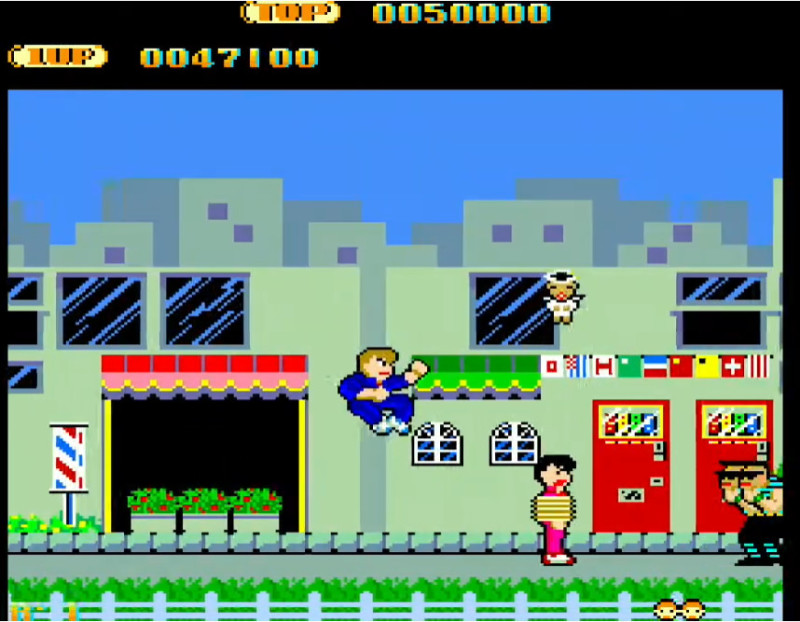
▼Released in 1985, Seishun Scandal (English name: My Hero) was an arcade action game developed by Coreland and published by SEGA. It was later also ported to the home console SEGA Mark III. Image credit:YouTube
It's understandable that with development capabilities nearing their limit, games that didn't sell well naturally led to low revenue. The company continued to incur losses, eventually accumulating debts of up to 1.5 billion Japanese Yen. At this critical juncture, a company stepped forward, providing direct financial aid and, in turn, helping Coreland undergo a complete overhaul, allowing them to survive. This company, which provided the financial assistance, is the familiar toy brand - "Bandai."
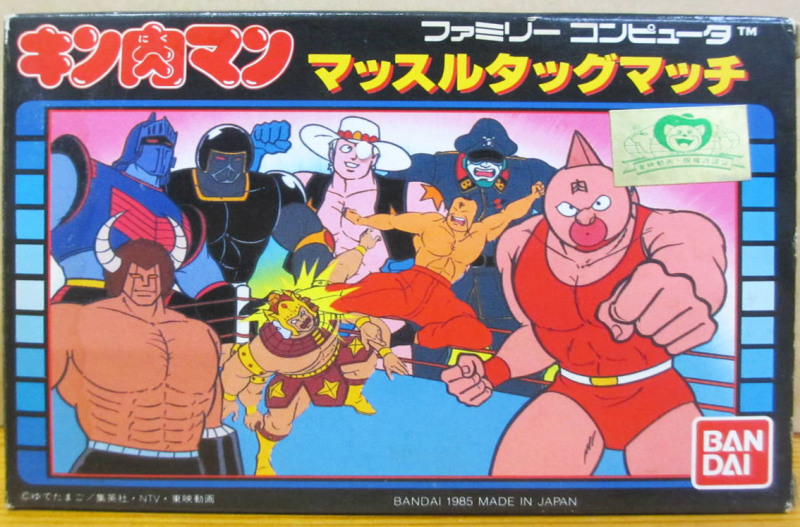
Feeling the Pressure of Gaming's Rise: Bandai, Unwilling to Remain Just a Toy KingIn the 1980s, Bandai grew into a major toy manufacturer, relying on products like the "Chogokin" series robot toys and "Mobile Suit Gundam" model kits. However, with Nintendo and SEGA both launching their home video game consoles in 1983, the gaming industry began to flourish. Bandai realized it couldn't solely focus on its core toy business and needed to actively expand into other areas. In 1985, Bandai released its first home console game as a third-party developer on the Nintendo Famicom: "Kinnikuman: Muscle Tag Match" (キン肉マン マッスルタッグマッチ).
▼"Kinnikuman", released on November 8, 1985, priced at 4,900 Japanese Yen. Image credit:YouTube
Beyond games, Bandai also planned to develop an entertainment arcade equipment business, believing that a strategy of selling character merchandise would be highly marketable. They actively sought potential partners and eventually found the aforementioned "Coreland." Initially, Bandai collaborated through investment, but seeing Coreland's struggling operations and even accumulating a massive debt of 1.5 billion Japanese Yen, Bandai decided to directly acquire "Coreland" and repay all their debts on their behalf. Thus, in 1989, Coreland became a subsidiary of Bandai and was renamed BANPRESTO (BAN comes from Bandai's "Ban," and Presto is a musical term meaning "very fast," a tempo that conveys a happy and lively feeling). The company's first new president was to be a remarkable individual named Yukimasa Sugiura.
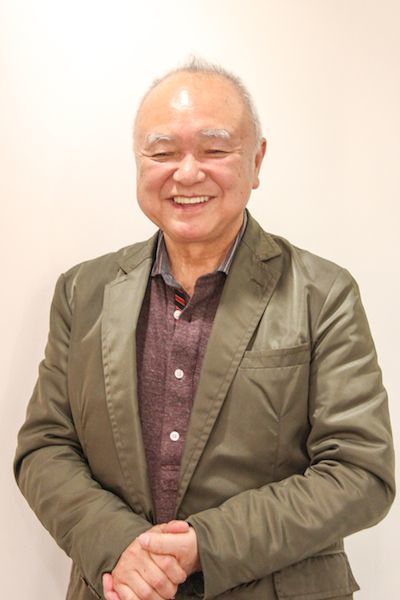
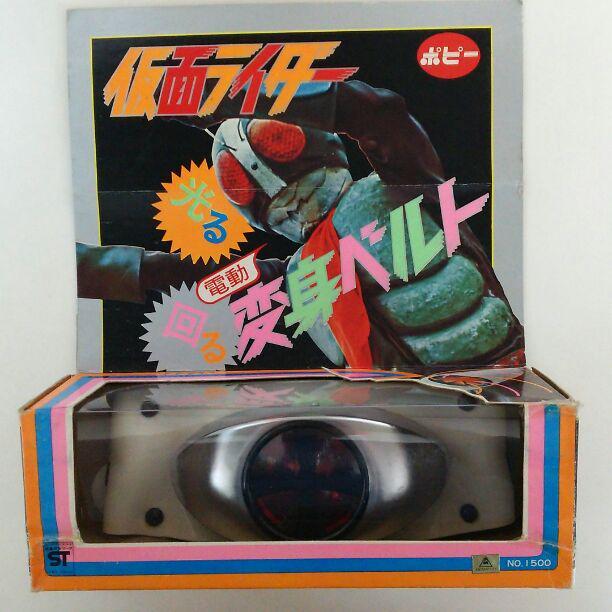
The Key Figure Who Successfully Collected Various Copyrights: Yukimasa SugiuraYukimasa Sugiura was originally a Bandai employee who later participated in the founding of Bandai's subsidiary, "POPY" (株式会社ポピー). He was responsible for launching the Kamen Rider transformation belts and the "Chogokin" series robot toys, which significantly boosted the company's sales and led to his own successful career progression.
▼Yukimasa Sugiura, former chairman of Bandai, now retired. Image credit:Pinterest
▼Yukimasa Sugiura previously worked at POPY, and the super popular "Kamen Rider transformation belt" and "Chogokin" series robot toys, which were bestsellers for many years, were all created under his direction. Image credit:MUUSEO
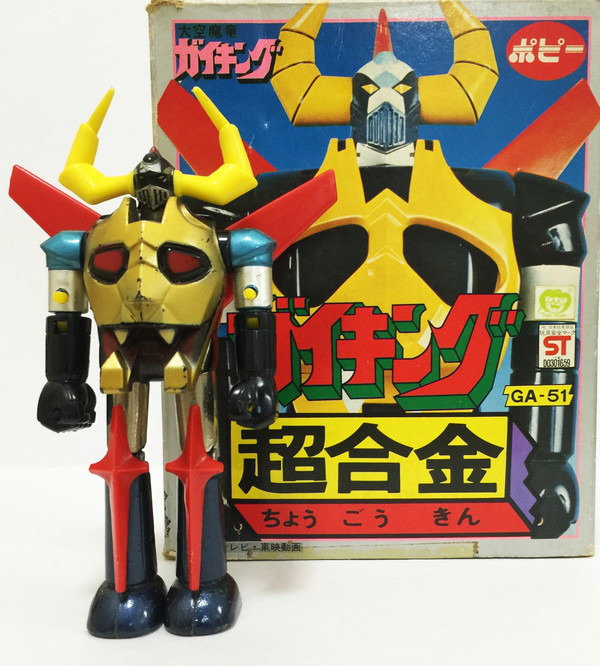
During his time at POPY, Sugiura frequently negotiated with various companies to produce toys from different works, thus building an extensive network. When Sugiura took office as BANPRESTO's president, he told the companies holding copyrights to various works: "For my inauguration gift as president, I don't need money or material things; I only wish to obtain permission to use your characters."
Yes, this was an idea Yukimasa Sugiura had long conceived. His parent company, Bandai, had already released many games adapted from manga and anime. At the time, Bandai's president, Makoto Yamashina, also hoped that BANPRESTO, under Sugiura's leadership, would not create games that would compete directly with the parent company.
▼The Kamen Rider transformation belt, planned by Sugiura, achieved an astonishing sales record of 3.8 million units.
Image credit:メルカリ
Sugiura Yukimasa then decided that it would be incredibly fun to collect all the copyrights from various works and release a game using a cross-over approach! This idea was quite bold at the time, as securing character licenses from multiple companies was no easy feat.
However, Sugiura Yukimasa, leveraging his accumulated network, indeed accomplished this seemingly impossible mission. On April 20, 1990, the Famicom (Nintendo Entertainment System) saw the release of a game that brought this idea to life: "SD Battle Ozumo: Heisei Hero Basho" (SDバトル相撲 平成ヒーロー場所). It featured characters from "Kamen Rider," "Ultraman," "Mobile Suit Gundam," and "Super Sentai" series, with many familiar faces all transformed into adorable two-head-tall SD characters, gathering to play sumo.
▼SD Battle Ozumo. Image credit:Flickr
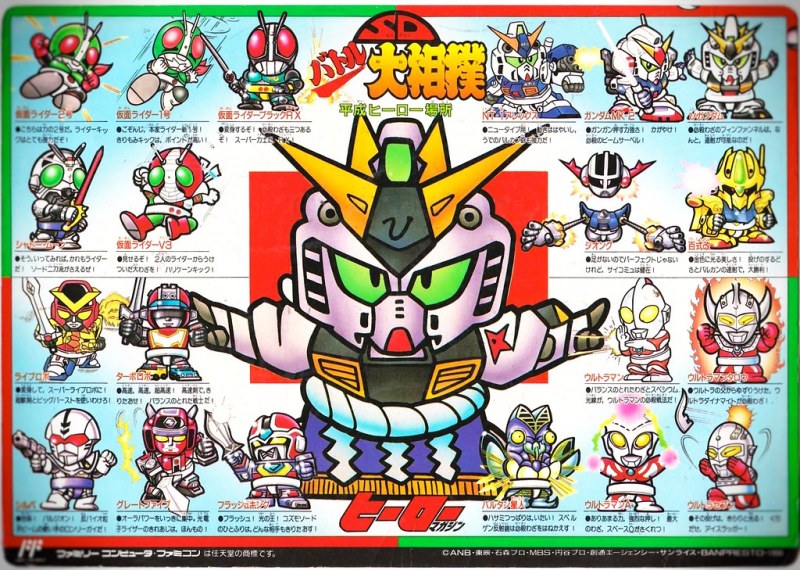
▼Players can choose their favorite hero stable from many and engage in sumo matches against opponents; everyone has their own special move! Image credit:BANPRESTO
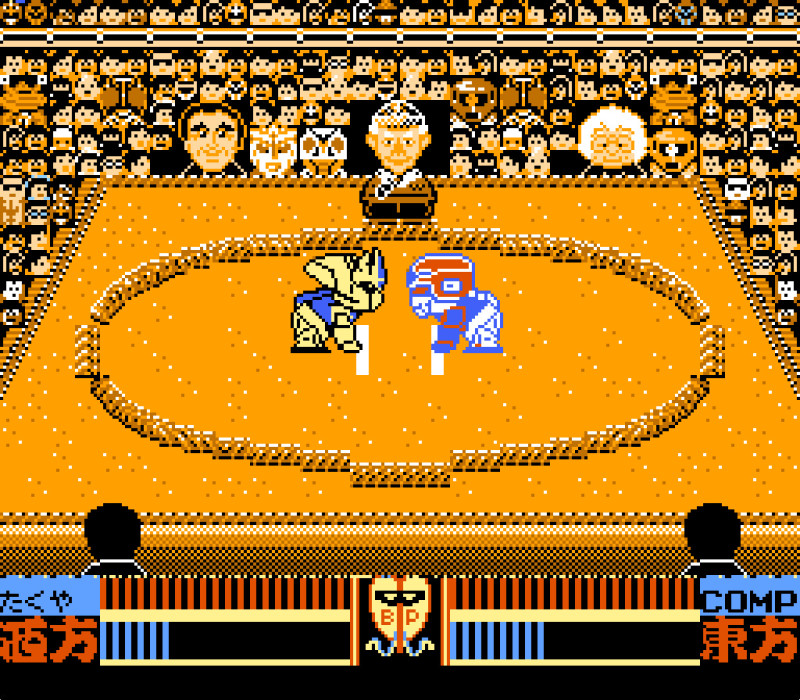
This game was also the first title in the "Compati Hero" series (コンパチヒーローシリーズ), and Sugiura Yukimasa's bold idea received a positive market response. Although it was merely a sumo game with somewhat rough content, it pioneered the precedent of multi-work collaborations, making it symbolically significant.
Of course, a single sumo game like this couldn't fully satisfy Sugiura Yukimasa's vision. Such cross-over collaborations were interesting, and more games of different genres were needed. This consequently led to the prototype of "Super Robot Wars" and thus began the future collaboration between BANPRESTO and Winky Soft.
Still Mysterious: The Enigmatic Producer "Jippa Hitokarage" Affiliated with BANPRESTO's development department, the mysterious producer "Jippa Hitokarage", often considered the father of Super Robot Wars, has consistently been involved in the series. Even in the latest "Super Robot Wars 30," his name still appears. However, he maintains a very low profile, never revealing his true identity, and even his name remains a mystery. Takanobu Terada, the main producer of the Super Robot Wars series who recently left Bandai's "B.B. Studio," also treats him as a highly respected senior.
▼The name "Jippa Hitokarage" has actually appeared in the staff credits of every Super Robot Wars game. He is a mysterious producer, and even Takanobu Terada refers to him as a senior. It wouldn't be an exaggeration to call him the father of Super Robot Wars. Image credit:BANPRESTO
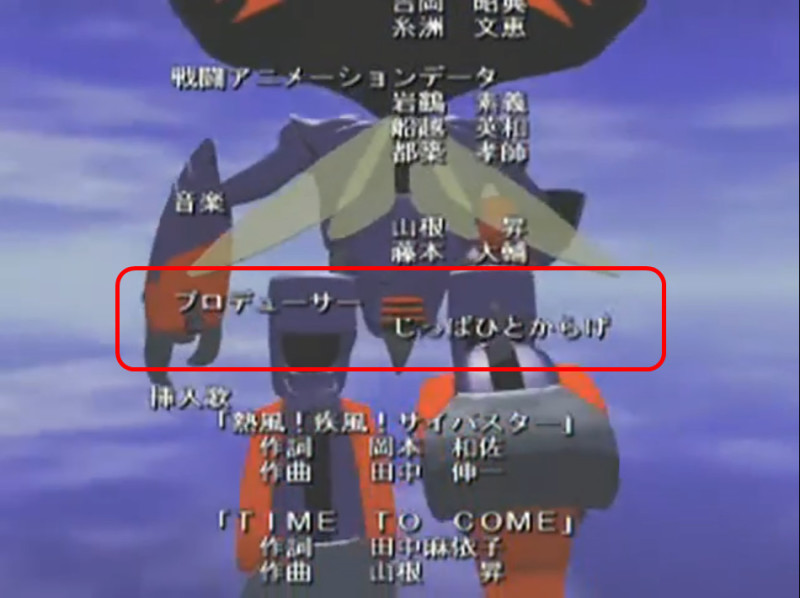
After seeing SD Battle Ozumo, Jippa Hitokarage felt that combining robots and tokusatsu heroes resulted in an awkward sense of scale. Therefore, he hoped to separate the robot elements and create a game distinct from "Compati Hero." Jippa Hitokarage's earliest proposal was for an RPG game titled "Super Robot RPG" (スーパーロボットRPG), featuring mechs from various works, also played with anthropomorphic robots, and having them shout weapon names while attacking enemies.
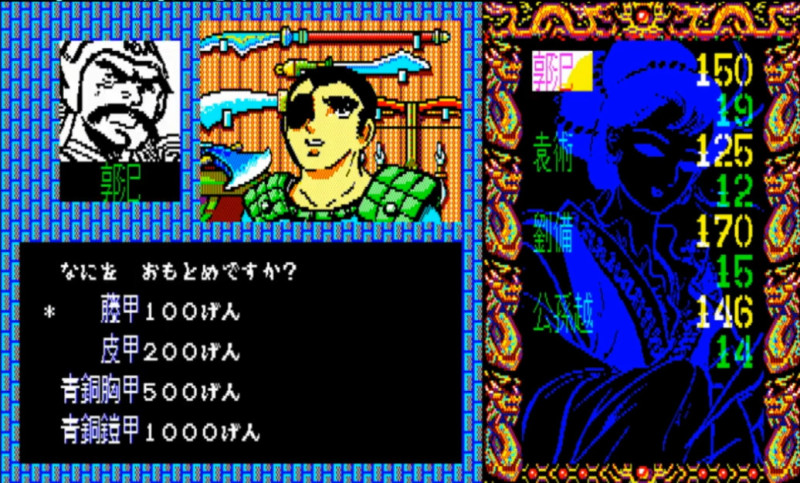
With this idea in mind, BANPRESTO approached Winky Soft, asking for their assistance with development. Early Winky Soft primarily developed games for PC platforms, with no fixed genre; they had made tennis games, shooting games, and even licensed titles like "Tenchi wo Kurau: Makai Sangokushi" (吞食天地 魔界三國志).
▼Released in June 1988, "Tenchi wo Kurau: Makai Sangokushi" (吞食天地 魔界三國志), produced by Winky Soft, was actually the true first "Tenchi wo Kurau" game. Image credit:YouTube
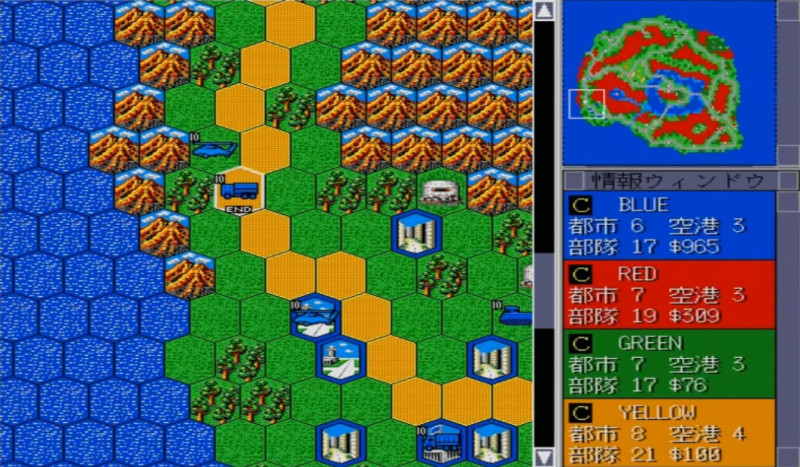
The project commenced with discussions and research involving Narumitsu Takamiya, representative of Winky Soft, and Masahiko Sakata, a key figure then in Winky Soft's development department who later became a scriptwriter. During development, the initial idea of an RPG gradually evolved into a strategy RPG (SRPG), similar to Nintendo's "Fire Emblem." Masahiko Sakata stated that this was actually influenced by the popular game "Daisenryaku" at the time. For example, the element of units entering buildings on the map to obtain items came directly from Daisenryaku.
▼A strategy game launched by SystemSoft on PC in 1985. Many sequels have been released since, with new titles still coming out today. (Image shows "SUPER Daisenryaku 68K") Image credit:YouTube
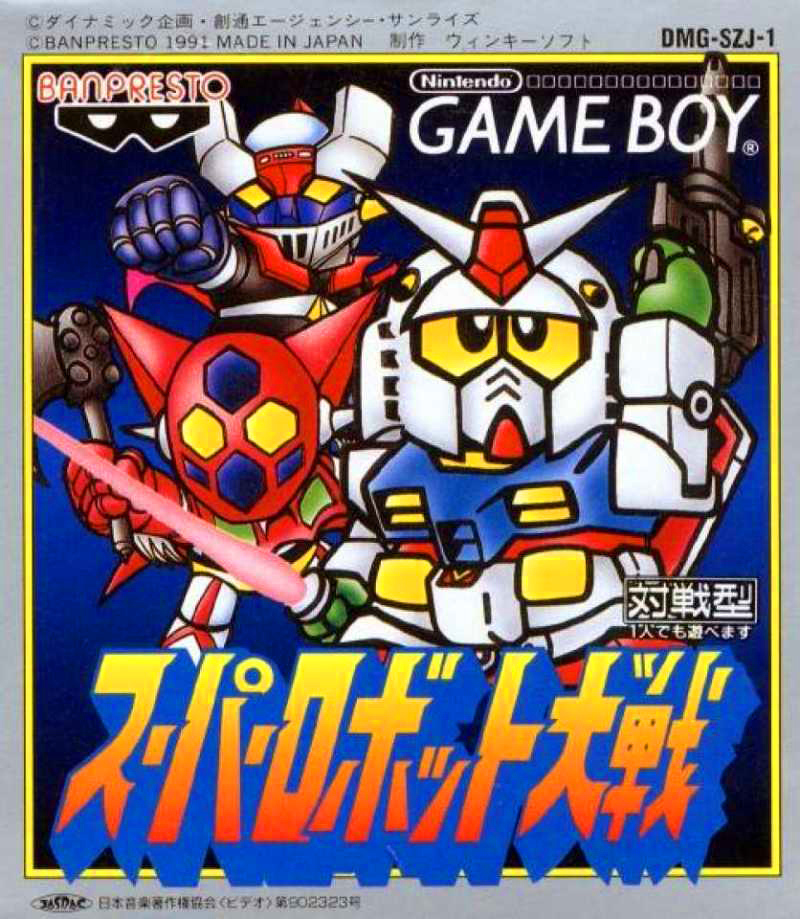
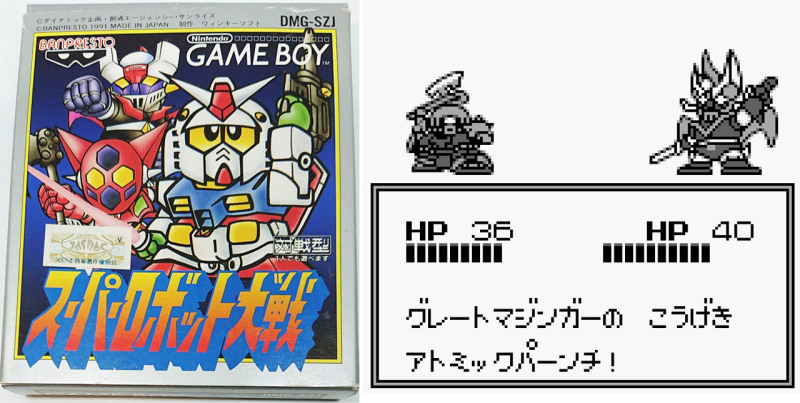
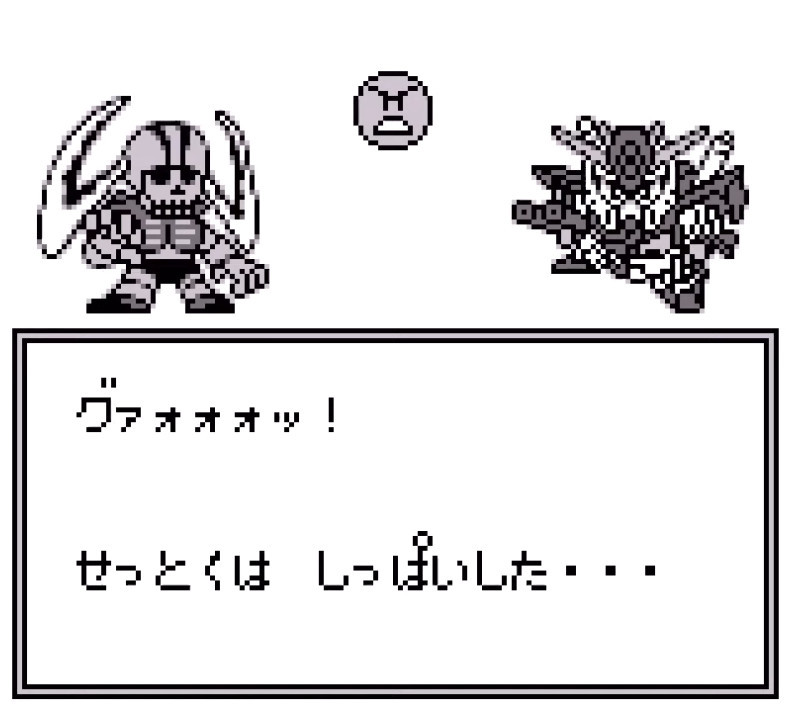
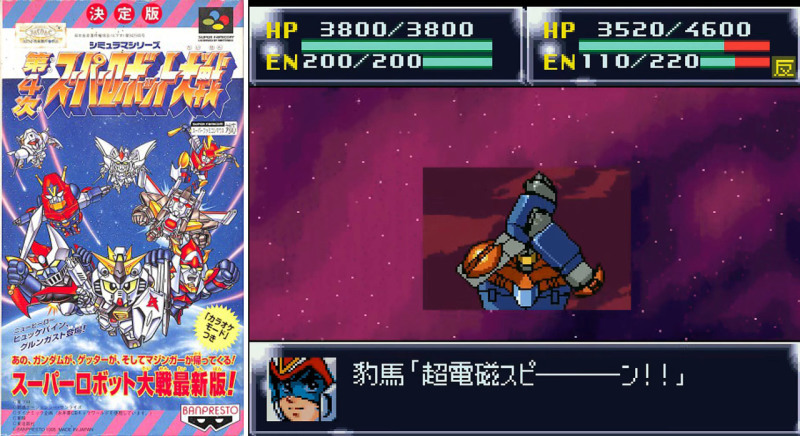
The first "Super Robot Wars" was released exactly one year after "SD Battle Ozumo," on April 20, 1991. At that time, the main participating works were limited to three series: Mobile Suit Gundam, Mazinger Z, and Getter Robo, with a total of nine titles participating. Players had to choose one team from these three to play. At that time, there was no concept of "pilots"; units were directly anthropomorphized and given stats, nor did it have the rich variety of attack moves and "Spirit Commands" that it does today. However, a unique and interesting feature was the "Persuade" (説得) command, which allowed players to try and convince enemy units, even boss-level ones, to surrender and join their side.
▼First "Super Robot Wars" cartridge box and game screen. Image credit:PayPay
▼The special in-game command "Persuade" (せっとく) allows enemy units to join your side, but if the enemy gives you a sour face, it's a failure! This concept was conceived by Masahiko Sakata of Winky Soft. Image credit:YouTube
Although the game's content was not exceptionally rich, the appearance of such a game for the first time satisfied many robot-loving players of the era. Its sales reached nearly 200,000 units, which was a commendable achievement for that time.
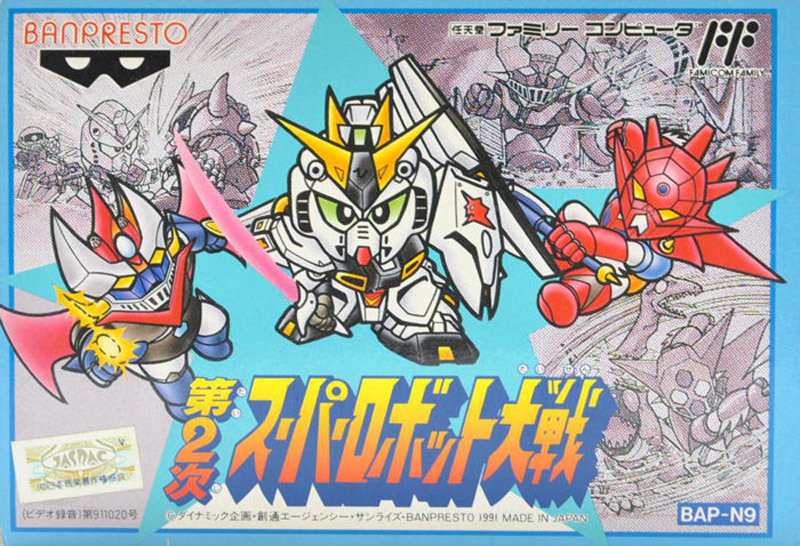
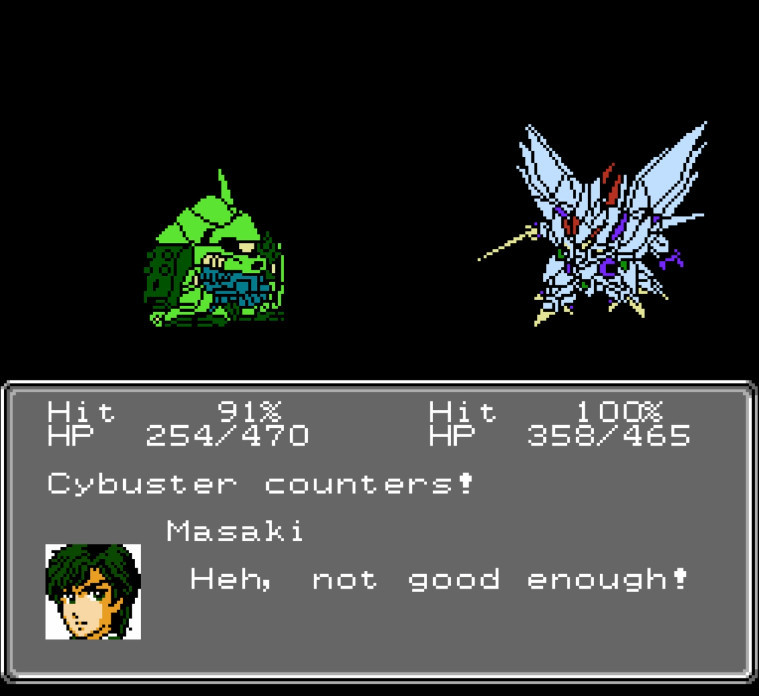
"The 3rd" Turns the Tide from Obscurity to Popularity; Players Joking Called it "Phantom Software"With the performance of the first title, BANPRESTO naturally sought to swiftly release subsequent titles. The following year, in December 1991, "Super Robot Wars 2" was released. This time, it switched platforms and was launched on the Famicom (FC). Winky Soft significantly expanded the content and established many foundational elements for the future Super Robot Wars series. For example, it introduced a pilot system, featured a seriously written original story, added map weapons, and many other brand-new elements.
▼"Super Robot Wars 2" cartridge box. Image credit:埋藏金.net
▼The Masoukishin Cybuster first appeared in this title. It was actually created to fill the gap left by "Aura Battler Dunbine," which couldn't participate in time. Image credit:BANPRESTO
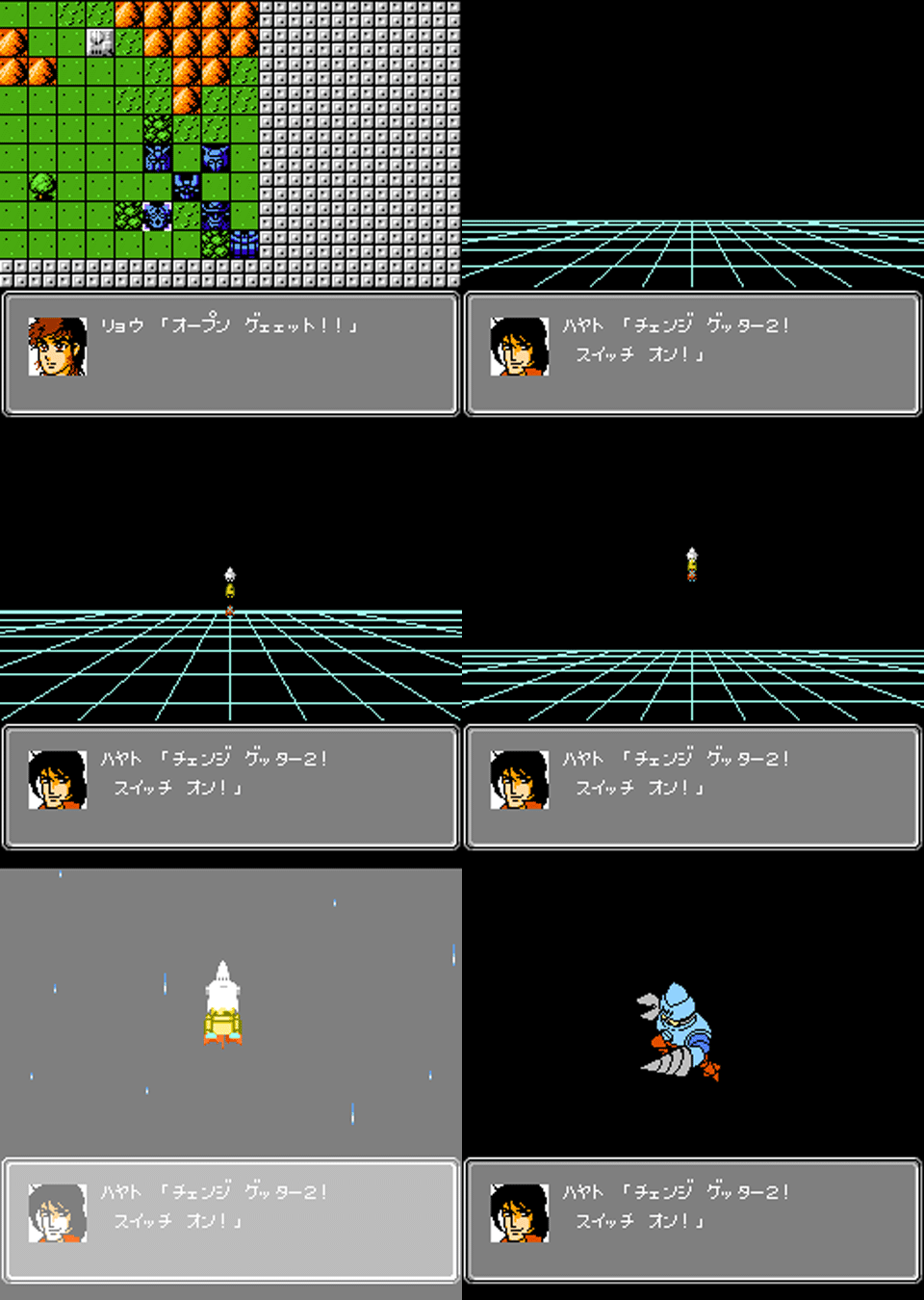
▼By this time, simple animations were already viewable. For example, the Getter Team's transformation was quite impressive! Image credit:BANPRESTO
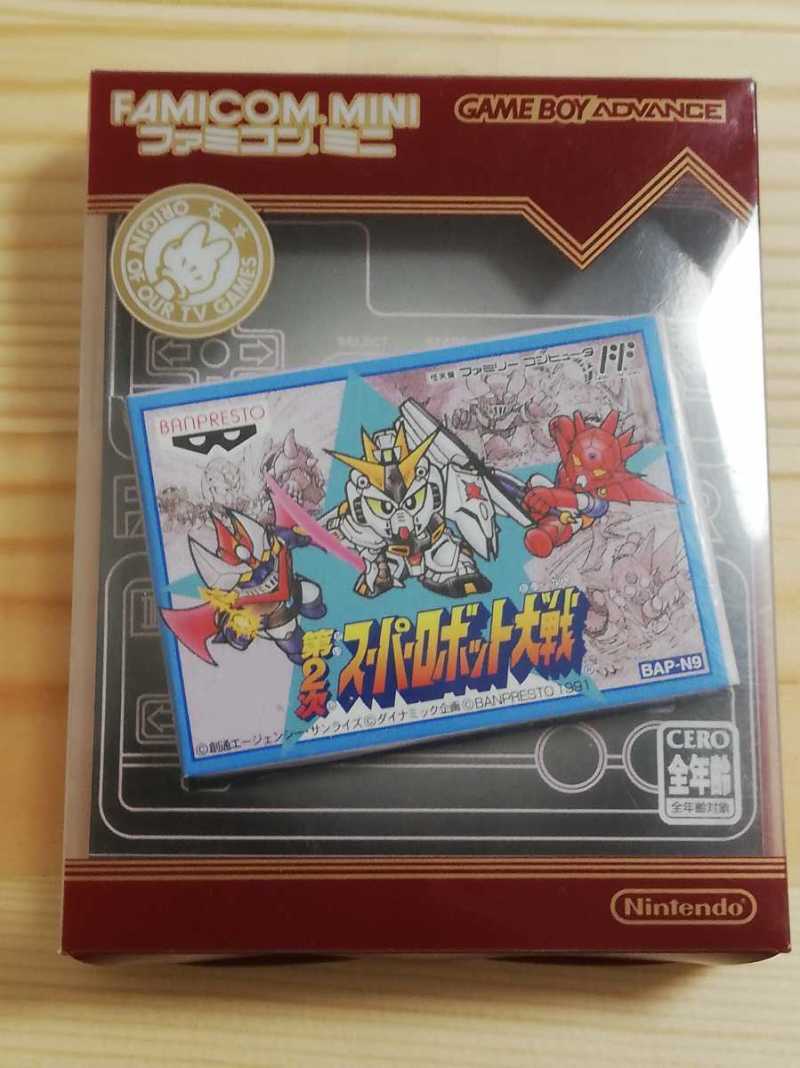
▼In 2004, pre-ordering "Super Robot Wars GC" would enter you into a lottery to win the FAMICOM MINI port of "2nd Super Robot Wars". Today, a brand-new, unopened cartridge's collector's value has multiplied several times, reaching 120,000 Japanese Yen. Image credit:ヤフオク!
Unfortunately, despite Winky Soft's dedication, this title's sales did not surpass its predecessor's. This sequel only sold approximately 100,000 units, half of the previous title's sales. It is speculated that this was due to the transition period between the Super Famicom (released November 1990) and the FC Famicom, with many players preferring to see titles on the new platform.
The sales failure of "2nd Super Robot Wars" was a significant blow to Winky Soft. However, they pleaded with BANPRESTO for another chance to prove their absolute capability in maximizing the IP's potential, which led to the birth of "3rd Super Robot Wars".
This time, the platform was shifted to the Super Famicom for its release, and the cartridge capacity was also boosted to 12M. As expected, the game content was significantly enriched. New participating series included "Chodenji Robo Combattler V", "Invincible Steel Man Daitarn 3", "Mobile Suit Gundam 0083", and more. The graphics for each unit were also much more beautiful, and more attack moves were available. Parameters were more detailed, with the introduction of morale value changes. Pilots could switch units. Furthermore, new elements were introduced to enhance replayability, such as branching stage routes and a multiple-ending system... These various new features indeed conveyed a strong desire to redeem themselves.
▼TV commercial for "3rd Super Robot Wars".
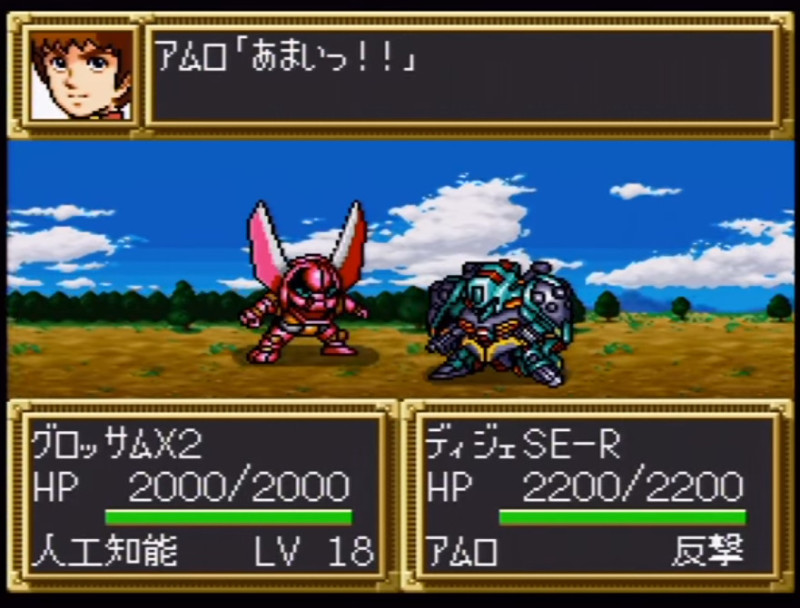
▼This generation largely established the fundamental "Super Robot Wars" framework for subsequent titles, including the game's UI, upgrade, and enhancement mechanisms. Image credit:YouTube
Initially, the sales growth for "3rd Super Robot Wars" was not particularly strong. However, through word-of-mouth among players and frequent coverage by various gaming media and magazines, sales of "3rd Super Robot Wars" gradually began to rise. Second-hand prices also climbed, and due to its rarity, it was even dubbed "Phantom Software" by fans.
Ultimately, "3rd Super Robot Wars" sold approximately 250,000 units, receiving positive reviews from players, who even hoped for a quick release of a sequel. This allowed Winky Soft and BANPRESTO to breathe a sigh of relief and begin planning subsequent titles in the series. The following year, 1994, saw the release of the spin-off "Super Robot Wars EX". Then, in 1995, "4th Super Robot Wars" was released with double the capacity of its predecessor, reaching 24M. Both of these titles sold over 300,000 units.
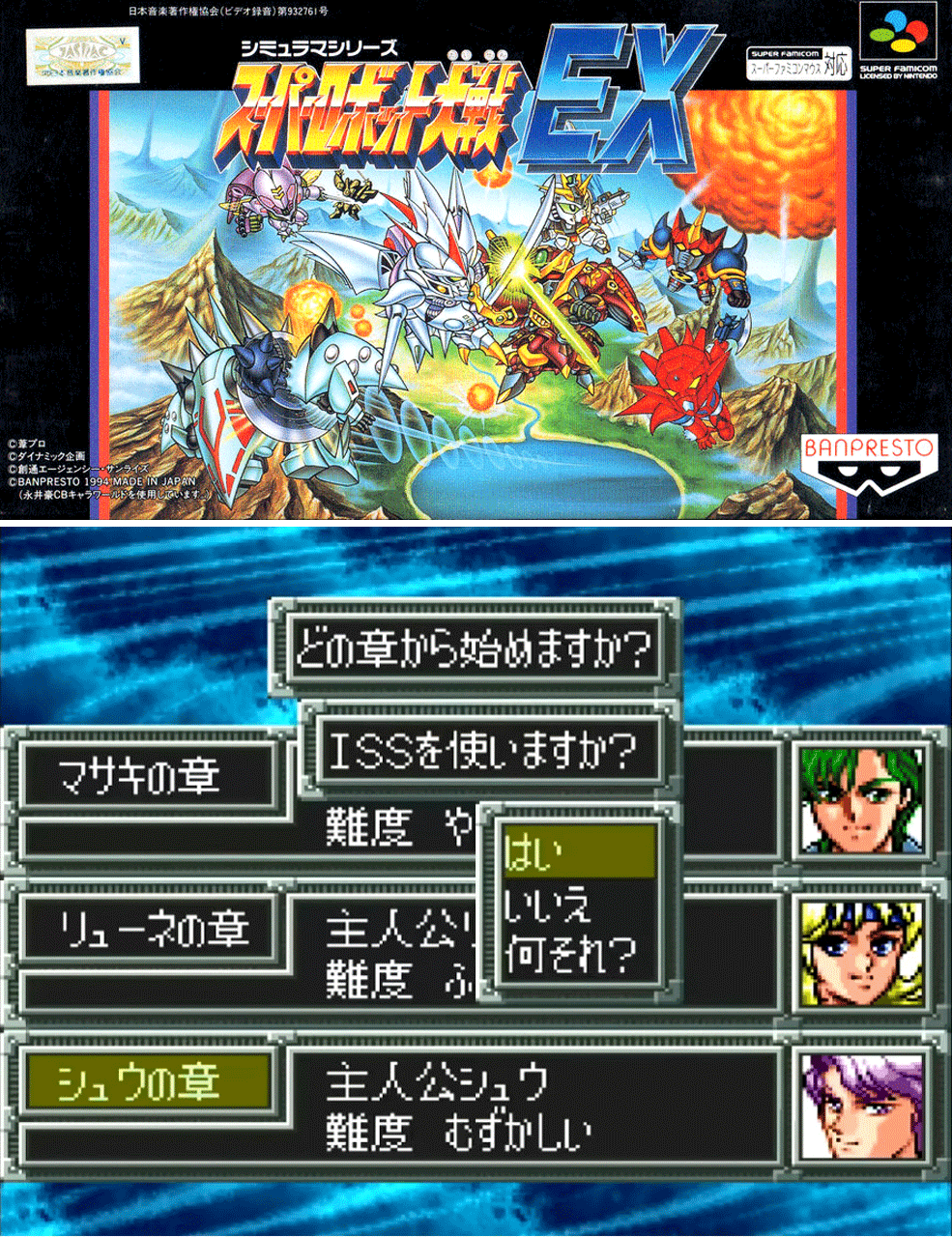
▼"Super Robot Wars EX" primarily depicts the world of the Masou Kishin, "La Gias", adding "Aura Battler Dunbine" and "Sengoku Majin GoShogun". It features the "ISS" system, where chapter storylines influence each other. Image credit:Rakuten
▼"4th Super Robot Wars", originally intended to be the series' conclusion, sold 380,000 units. This installment featured even more spectacular participating series, story content, and battle animations. Image credit:Retroing
It can be said that over these five years, starting from 1990, these five titles finally cemented the "Super Robot Wars" series' position in players' hearts. They successfully cultivated a loyal fanbase, allowing the series to continue its journey.
Originally, "The 4th" Was Intended to Be the Finale; The President Angrily Declared, "Selling for 20 Years Is a Must!"Not long ago, Takanobu Terada, the renowned producer of the Super Robot Wars series who has since left the Bandai system, once recounted his early days at BANPRESTO. During the production of "The 4th," there was an initial intention to conclude the series. However, President Yukimasa Sugiura disagreed. He wanted Terada to continue the series, ideally for 20 more years, to make it even more successful.
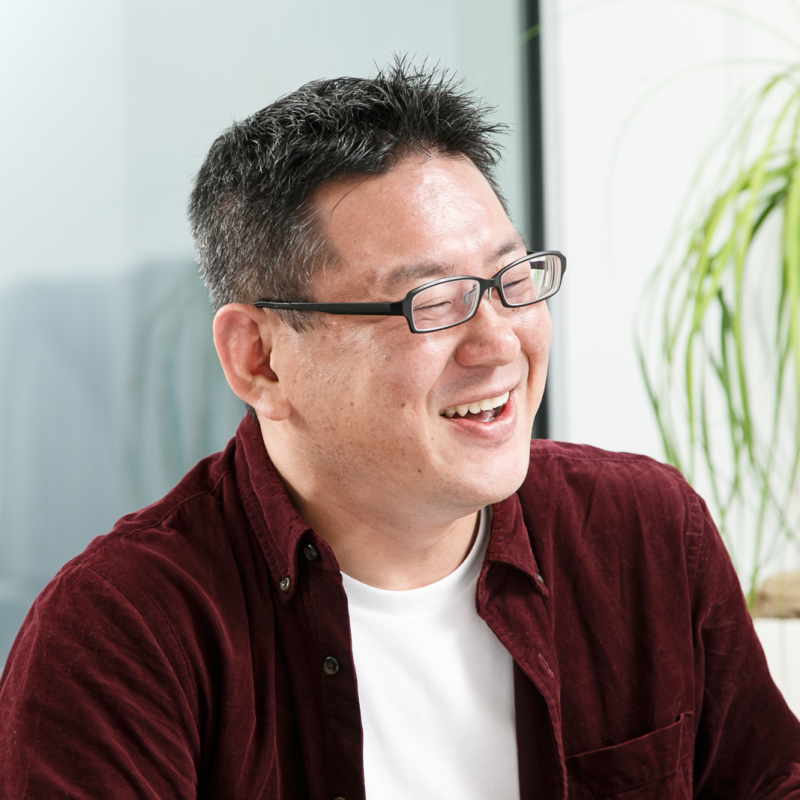
▼ Takanobu Terada, who has been responsible for the production of many Super Robot Wars titles, is currently a freelancer. Image credit:VGMdb
Upon hearing this, Takanobu Terada naturally thought it was impossible, so he replied to the president that it couldn't be done (無理です - 'It's impossible'), which drew a scolding. The mysterious producer Jippa Hitokarage, mentioned earlier, also asked the president why it had to be 20 years. Yukimasa Sugiura said: He hoped to create a long-selling series culture. If it could continue to sell for 20 years, it would naturally become a culture that parents and children could enjoy together. To achieve such a massive wave, selling for 20 years was essential.
What seemed like an impossible long-term vision has, unknowingly, passed 20 years and reached 30 years. Although Super Robot Wars faces challenges such as the shrinking robot culture and rapid market changes, we believe that players who possess the "Steel Soul" spirit will not easily let this culture fade away. We hope that the SRW IP can continue to thrive.