
The "Kamen Rider" series, Japan's national tokusatsu series and a superhero in the hearts of children, celebrates its 51st anniversary this year, with 32 series broadcast on television alone. Although the themes and designs of each work are constantly evolving, the "Transformation Belt" element has remained a classic passed down since the original "Kamen Rider".
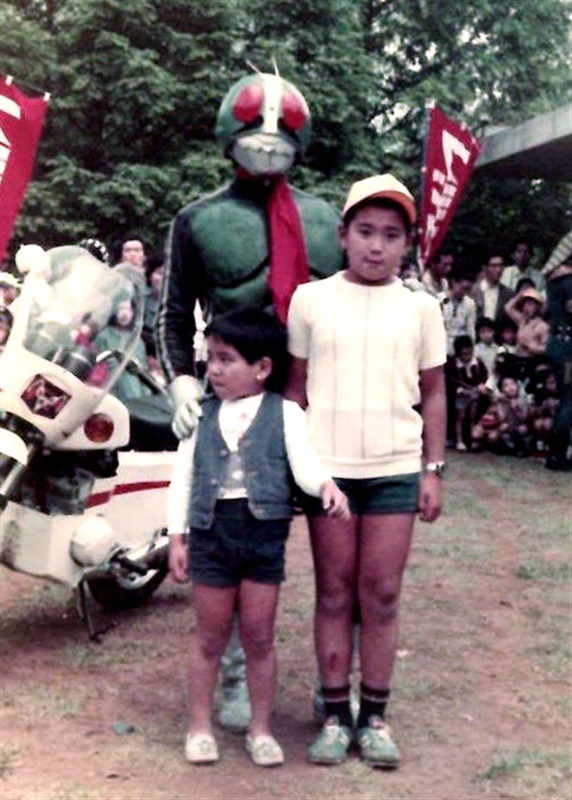
Japanese children meeting Kamen Rider at a live show during the Showa era. Image credit:Nishinippon Shimbun
Every fan has dreamed of owning a real Kamen Rider belt, shouting "Henshin!" to become a cool hero. This has made the belt toy one of the main Kamen Rider products for manufacturers. Whether it's the "DX Belt" suitable for children to play with, or the "COMPLETE SELECTION MODIFICATION (CSM) Belt" that allows adults to enjoy high-fidelity detail and quality, both feature outstanding light and sound effects, allowing fans to wear them and experience the excitement of transformation. But did you know that the ancestor of all these light-up belts was a product that sold an astonishing 3.8 million units, the "Light Up! Spin! Transformation Belt"?
As technology advances, the Kamen Rider belt toys released by Bandai also feature more functions, able to replicate transformation mechanisms, light up, and play lines and sound effects from the show. Image credit:PREMIUM BANDAI

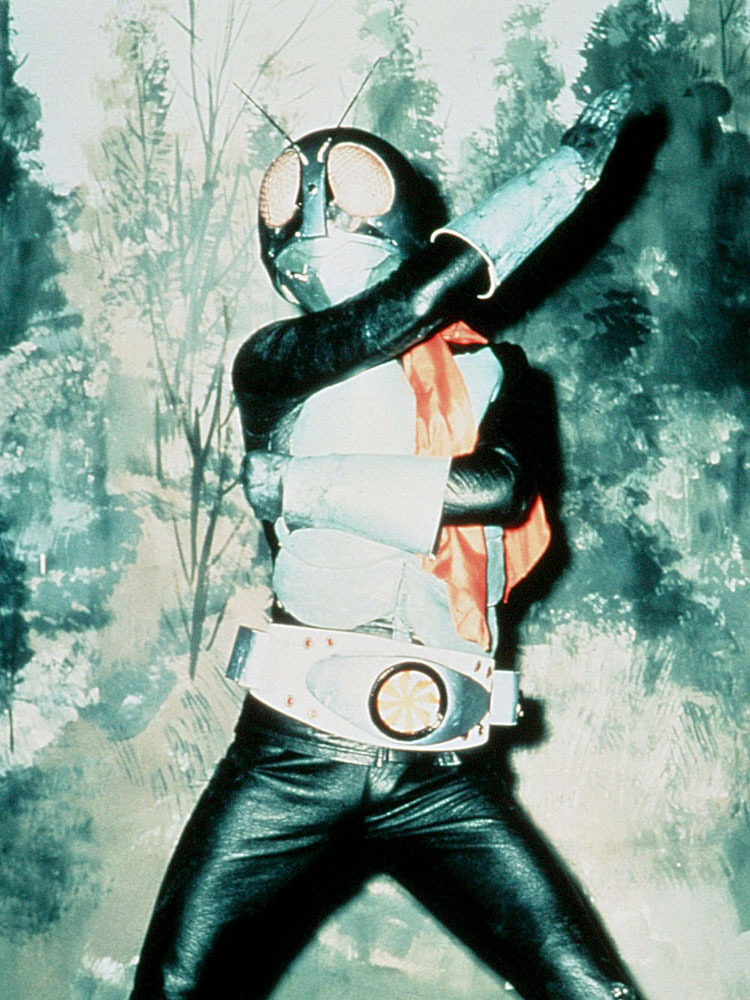
In 1971, children in Japan would gather in front of the television after dinner, waiting for their superhero to appear. Takeshi Hongo, played by a young Hiroshi Fujioka, would coolly ride his motorcycle. As he sped along, the strong wind would power his transformation belt, causing the central red windmill to spin at high speed, instantly transforming him into "Kamen Rider 1" to thwart the ambitions of the evil organization Shocker.
Takeshi Hongo, played by Hiroshi Fujioka, was a very handsome man back in the day. He performed his own dangerous action scenes, which unfortunately led to an injury that forced him to stop filming. This predicament led the production team to bring in Takeshi Sasaki as a substitute to play Hayato Ichimonji / Kamen Rider 2. Image credit:Twitter
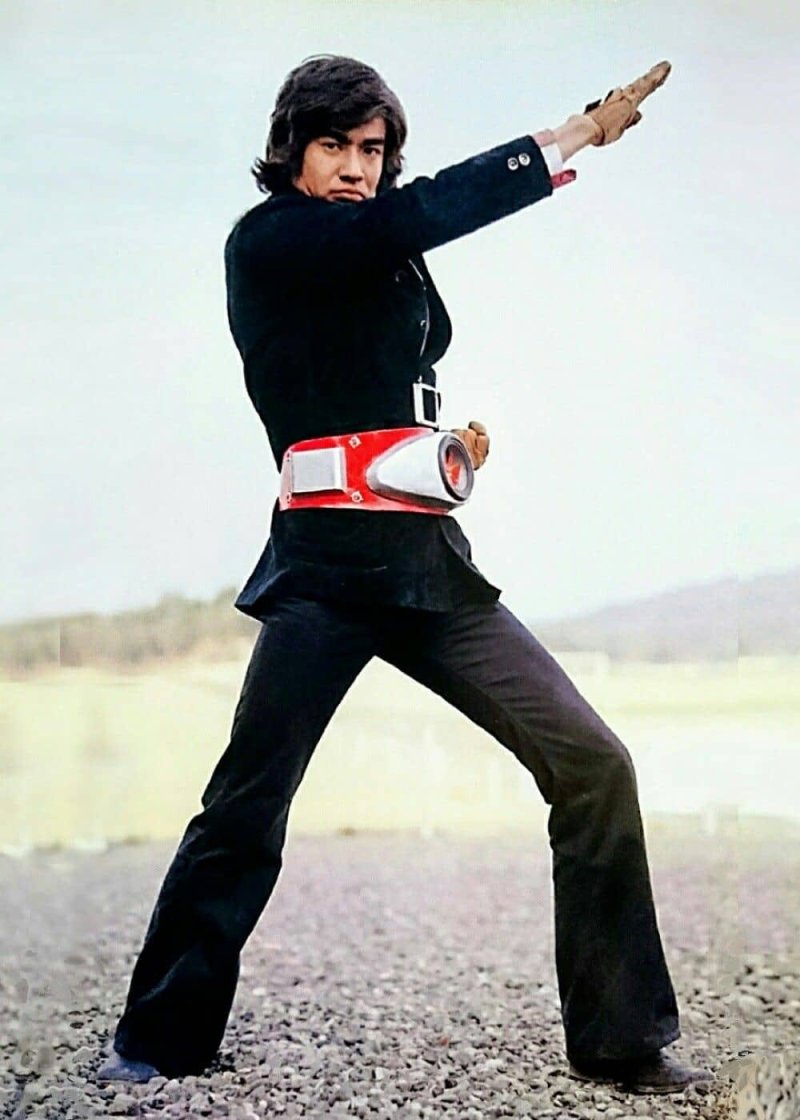
Image credit:Kamen Rider WEB [Official]
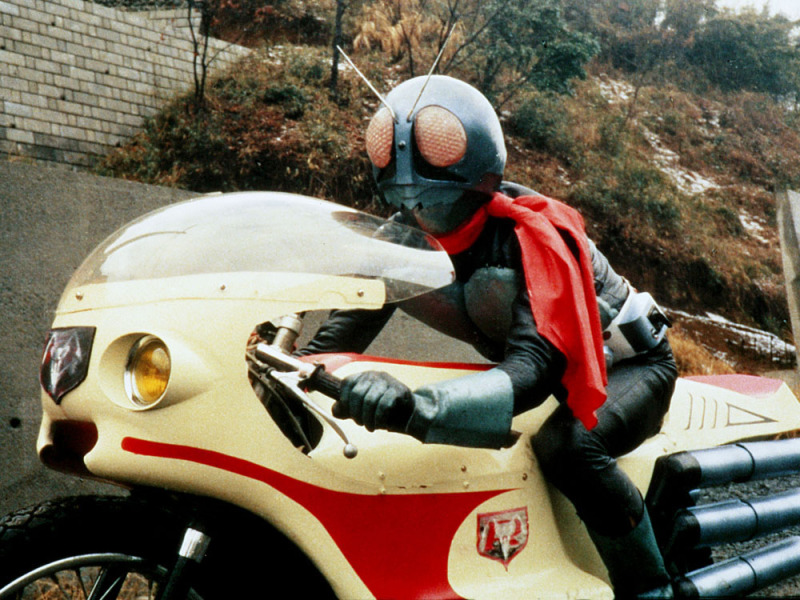
Kamen Rider 1 riding his motorcycle, the "Cyclone". Image credit:Kamen Rider WEB [Official]
At this time, owning a Kamen Rider transformation belt became the dream of children who admired the hero. The Japanese toy company TAKATOKU TOYS sensed a business opportunity and quickly released a transformation belt priced at 500 yen. However, one young boy was quite dissatisfied with this product.
▼Official reference image of Kamen Rider 1's transformation belt, the "Typhoon". Image credit:Kamen Rider WEB [Official]
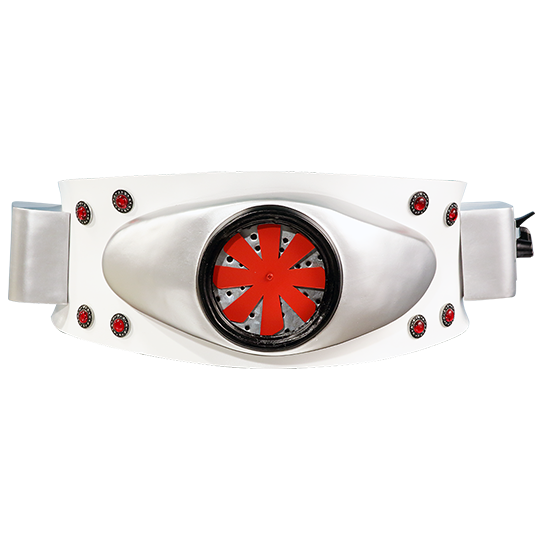
▼The Kamen Rider belt released by TAKATOKU TOYS. The accuracy was actually quite high. Image credit:Pinterest
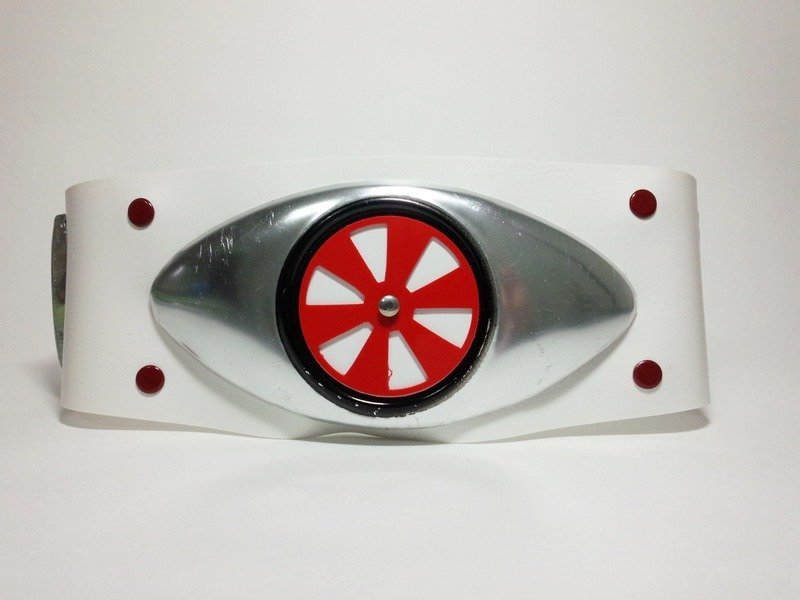
At the time, TAKATOKU TOYS positioned the product in a low price range to make the transformation belt more accessible to children. The 500 yen price tag was relatively affordable, but the drawback was that the red windmill in the center of the belt had to be spun manually. The eldest son of the Sugiura family was not satisfied with this design. How great would it be if it could spin automatically, just like in the show? So, Mr. Sugiura took the belt to an acquaintance's factory and had it modified to be electric. His son was delighted and showed off the automatically spinning transformation belt, receiving rave reviews from his peers. This made Mr. Sugiura realize, "This idea will definitely be a huge seller!" It turned out that Mr. Sugiura was no ordinary person; he was Yukimasa Sugiura, the managing director of POPY, a Japanese toy company under the Bandai Group (now the Collectors Toy Department of BANDAI SPIRITS, TAMASHII NATIONS).
Yukimasa Sugiura, a major figure within the company who served as Managing Director of POPY, Chairman of BANDAI, and President of BANPRESTO. Image credit:Pinterest

After Yukimasa Sugiura proposed this idea, it was quickly approved within POPY, and they requested product licensing from Toei, the copyright holder of "Kamen Rider". Although Toei quickly agreed, they had one condition: the product had to be priced in the 1500 yen range. 1500 yen? That was three times the price of the TAKATOKU TOYS version! However, Yukimasa Sugiura's attitude towards this gamble was quite positive. He believed that customers wouldn't pay 1500 yen for just automatic spinning and lights. So, he worked with the product design team at the time, MIZUNO PRODUCTION, to redesign it, aiming to create a deluxe version that closely resembled the one in the "Kamen Rider" show.
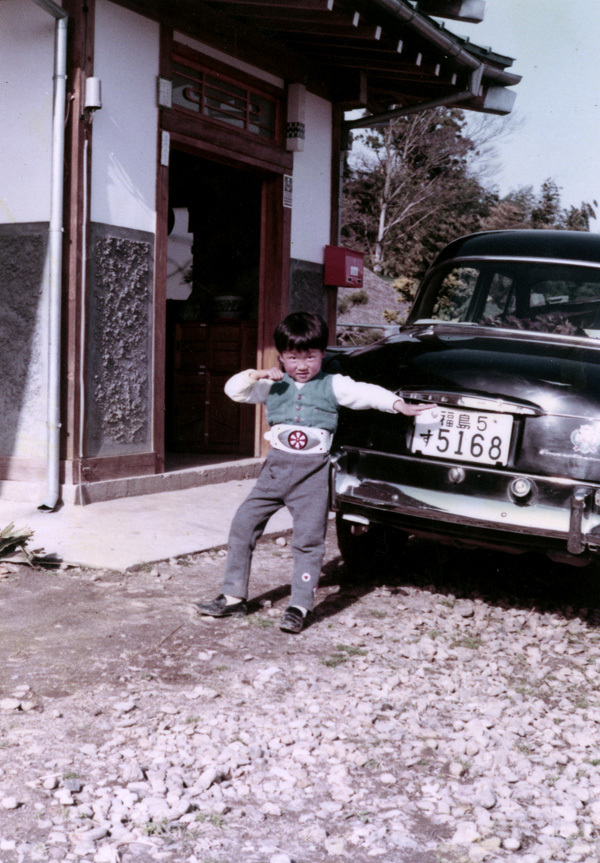
A Japanese boy wearing the TAKATOKU TOYS Kamen Rider belt, before the "Light Up! Spin! Transformation Belt" was released. Image credit:@9ryama
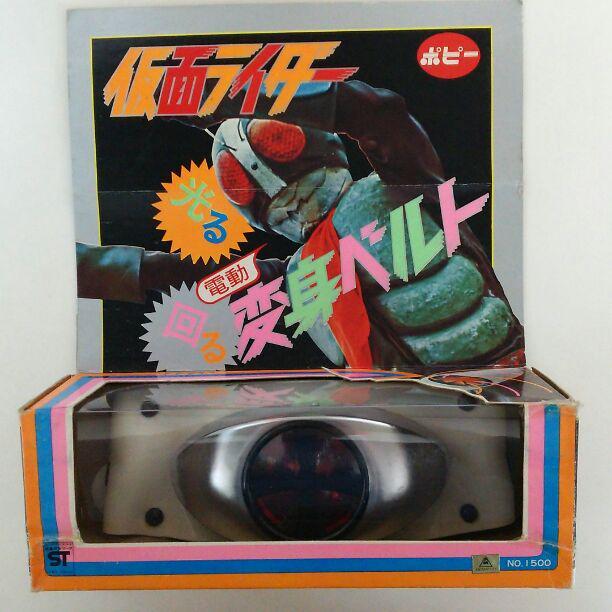
▼The "Light Up! Spin! Transformation Belt" toy released by POPY. Image credit:@Vynw2XZDFHjukJB
▼A clip from the television commercial for the "Light Up! Spin! Transformation Belt" back in the day. Image credit:Youtube
Ultimately, this belt product was named the "Light Up! Spin! Transformation Belt (Hikaru! Mawaru! Henshin Belt)". It featured a high-quality white leather strap and a silver-plated shell with a metallic texture. After inserting batteries and turning it on, the central transparent red fan would light up and spin at high speed, just like Takeshi Hongo's cool transformation scene in the show. They even confidently printed the words "This belt is the same one used by the Rider when he transforms" on the box, making it the absolute dream belt for every child.
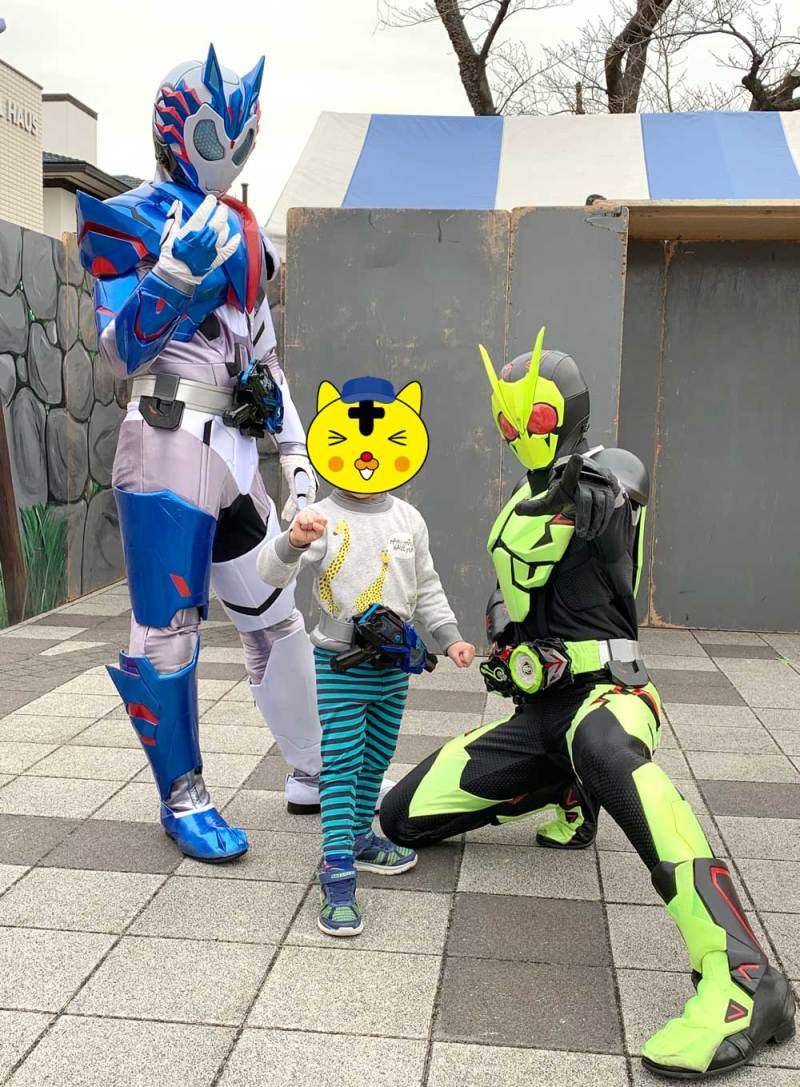
Japanese children meeting Kamen Rider at a live show during the Reiwa era. Image credit:Tiger Poko's Familian Life
After its release, the product quickly became a sensation, turning into one of the most talked-about toy products in Japan at the time. Multiple versions were released within just two years, with total sales exceeding 3.8 million units. Its influence was so significant that it established POPY's strategy of targeting the high-priced toy market. The light-up and spinning feature became a standard specification for most subsequent "Kamen Rider" series transformation belts released by POPY. Even their competitor, TAKATOKU TOYS, adopted this feature, releasing a light-up and spinning belt for "Android Kikaider". This immense success was a surprise even to Shotaro Ishinomori, the original creator of "Kamen Rider". At the time, he was quite skeptical, wondering, "Can something this expensive really sell?"