

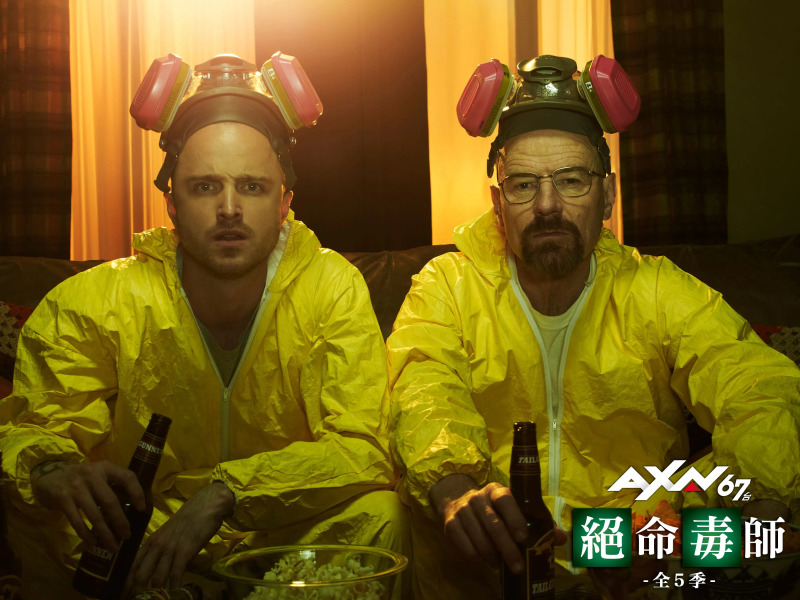
The words spoken by a doctor sentenced a middle-aged man to death. On his fiftieth birthday, Walter White was diagnosed with terminal lung cancer, with only a few years left to live. If it were you at this moment, you might have several choices,
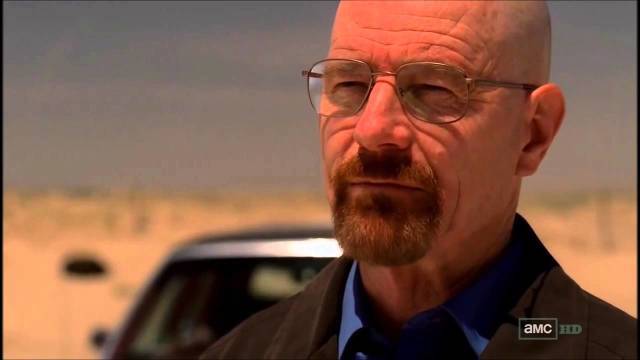
1. Complete a life list during these years and die surrounded by family.
2. Go with the flow, do what you can and leave the rest to fate; live as long as you can.
3. Fight against death, take a gamble to fulfill unfinished wishes.
The choices made by the protagonist of Breaking Bad might surprise many. Originating from his own bodily deterioration, he decided to earn as much money as possible in the little time he had left, ensuring that after his death, his wife, son preparing for college, and unborn daughter would be well taken care of.
Clearly, the salary of a chemistry teacher could not cover the high medical expenses in America, not to mention securing a future for his wife and children. Faced with dire circumstances, Walter made a risky decision late in life and chose the most dangerous path at a crossroads—to leverage his chemistry expertise to manufacture drugs—thus becoming a legendary drug lord.
"Chemistry is the foundation of everything, but chemistry also represents the change of elements; a disease is like a catalyst that accelerates the pace of change."
In terms of the cast, Breaking Bad does not rely on handsome men or beautiful women, but rather features a solid group of actors. The image of a middle-aged man in white underwear cooking meth in an RV is deeply ingrained in people's minds. Walter White lived a law-abiding life for fifty years, watching friends from college become wealthy entrepreneurs while he felt numb despite possessing chemical knowledge. Fate played a cruel joke on him, prompting him to take a chance and orchestrate a complete turnaround.
Walter partnered with his student Jesse to start a meth production business. The unlikely chemistry between the vastly different characters based on age and personality surprisingly created sparks. Whether in American TV series or Japanese dramas, pairs of male partners are often seen, such as in "White Collar" and "Person of Interest". The dynamic between the two characters, one cautious and the other carefree, produces humor and raises the dramatic tension. In the story, Walter is determined to produce meth of 100% purity, allowing no room for errors. Jesse, once a petty criminal who spent his days doing nothing, initially appeared as trash in the eyes of mainstream society yet couldn't conceal his good-hearted nature. Even his own parents didn't care for him, yet Jesse played the most vital role in Walter’s life, becoming his alternative family. Despite their past disagreements and even pointing guns at each other, they understood that both were social orphans abandoned by society, reflecting their inner desires amid the brutal realities, ultimately unable to abandon one another.
The Collapsed Drug Empire, Who Still Sits on the Throne?
Season 5, Episode 14 titled "Ozymandias" draws from the Romantic poet Shelley’s sonnet, telling of a traveler who sees the vast statue of Egyptian Pharaoh Ozymandias standing in the desert, solemn and partially buried in sand, with an inscription at its base reading:
"I am the king of kings, Ozymandias; look on my works, ye Mighty, and despair!" The arrogant king who spoke these words is now long gone, and the empire he built is but a fleeting memory. This statement perfectly symbolizes Walter's plight. The castle he carefully constructed collapsed overnight, leaving only the mournful cries of family members, as he sacrificed everything he loved in pursuit of building his own kingdom.
The drug lord represents an entire generation facing a midlife crisis; they have spent most of their lives for their wives, children, parents, and societal expectations, only to realize their existence in the solitude of night.
Walter once said, "I have lived my life in fear, worrying about this and that, for fifty years. I wake up at 3 a.m. every day. After being diagnosed with cancer, I sleep soundly, realizing that the worst enemy is fear itself." Only at this moment can he truly "be himself"; he is no longer afraid and no longer dreads fate. Because he knows that bad news will come eventually, but before that, who holds the fate? Only he himself. Even if he knows he is about to tread into hell, transforming into a demon known to others, he doesn’t wish to die cringing in fear.
When discussing successful anti-war films, they must depict the brutality of war and the struggle of humanity, guiding the audience to reflect on the meaning of war. In the film "Trainspotting," the protagonist Mark (played by Ewan McGregor) buries his head in a filthy toilet for drugs, or the tragedy of overdosing resulting in a baby's death evokes sympathy among viewers, informing them of the dire consequences of drug use. Breaking Bad similarly showcases several scenes that profoundly illustrate the absurd behaviors of addicts, from confusion of consciousness to death by overdose. Walter, involved in the drug trade, risks putting himself and his family in danger, telling his wife that he is not in danger because he is the danger itself.
In the story, anyone involved with drugs is in danger, and the plot of Breaking Bad serves as a bloody lesson, revealing that it’s not just drugs that destroy humanity but also the lust for power.
For the sake of saving a friend, would you be willing to kill innocent lives? Heavy moral dilemmas play out repeatedly throughout the show. The writers constantly place Walter and Jesse in difficult positions; if they don’t make choices, it could cost lives. To survive, is it justified to forsake morality and loved ones?
Money serves as Walter’s reason for becoming a drug lord, yet what drives him forward is his ambition for the business. I still remember when Jesse casually tossed a bundle of cash on the street, and people joyfully picked up the falling gifts. Watching this scene, I finally understood the meaning of "being so poor that all you have left is money." No amount of money can bring back lost lives or fill an empty soul; it only leads to endless emptiness. The ill-gotten gains from drug trafficking are called "Blood money." Nobel laureate Kahneman’s research shows that happiness does not increase when annual income reaches around NT$2.15 million to NT$2.4 million (approximately US$75,000). Walter saved money for his family, yet instead of attaining happiness, this wealth was ultimately rejected by them; how ironic. In the show, Walter, with his cautious nature and extraordinary intelligence, resolves numerous crises and repels many villains but cannot resolve the soft underbelly of his family. When he constructs his own drug empire, he also buries the happiness of his family.
It Changed, So What Next?
Watching a movie in a theater is a long-standing ritual where audiences gather to share emotions for a while, while television series are like long marathons, with viewers simply alongside, unable to replace the runner making their way forward. All we can do is watch an ordinary middle-aged man's life undergo this chemical transformation, experiencing a reduction reaction at the end of life. A long six-year journey concluded in 2013. Both Bryan Cranston, who played Walter, and Aaron Paul, who portrayed Jesse, reached the peak of their acting careers through Breaking Bad, with their ecstasy, sorrow, and struggles deeply impacting the audience's hearts. Their exquisite performances won them numerous Emmy Awards, and this series became one of the highest-rated shows in IMDB history. For the actors, the story of Breaking Bad has closed a chapter; for the audience, the drug lord still exists within our hearts. A decade after the conclusion of Breaking Bad, we witnessed an ordinary middle-aged man become a legendary meth manufacturer. We cannot predict whether Walter's initial decision will lead him to a good or bad ending, but I know he was unafraid to make changes and accepted the consequences that came with those changes.
In terms of color symbolism, cinematography, character development, and motivation, Breaking Bad is an exceptional work, guiding the audience to digest life through the mentor-like presence of Walter, who has traveled such a long and arduous road. Looking back at the starting point, we have no regrets.