

"Loki" Season 2 has finally reached its grand finale, where the God of Mischief will comprehend the meaning of a "Glorious Purpose" and truly earn the qualification to become a "God." How will this ending impact the future of the Marvel Cinematic Universe? Below, we've compiled the important Easter eggs and details from this episode~
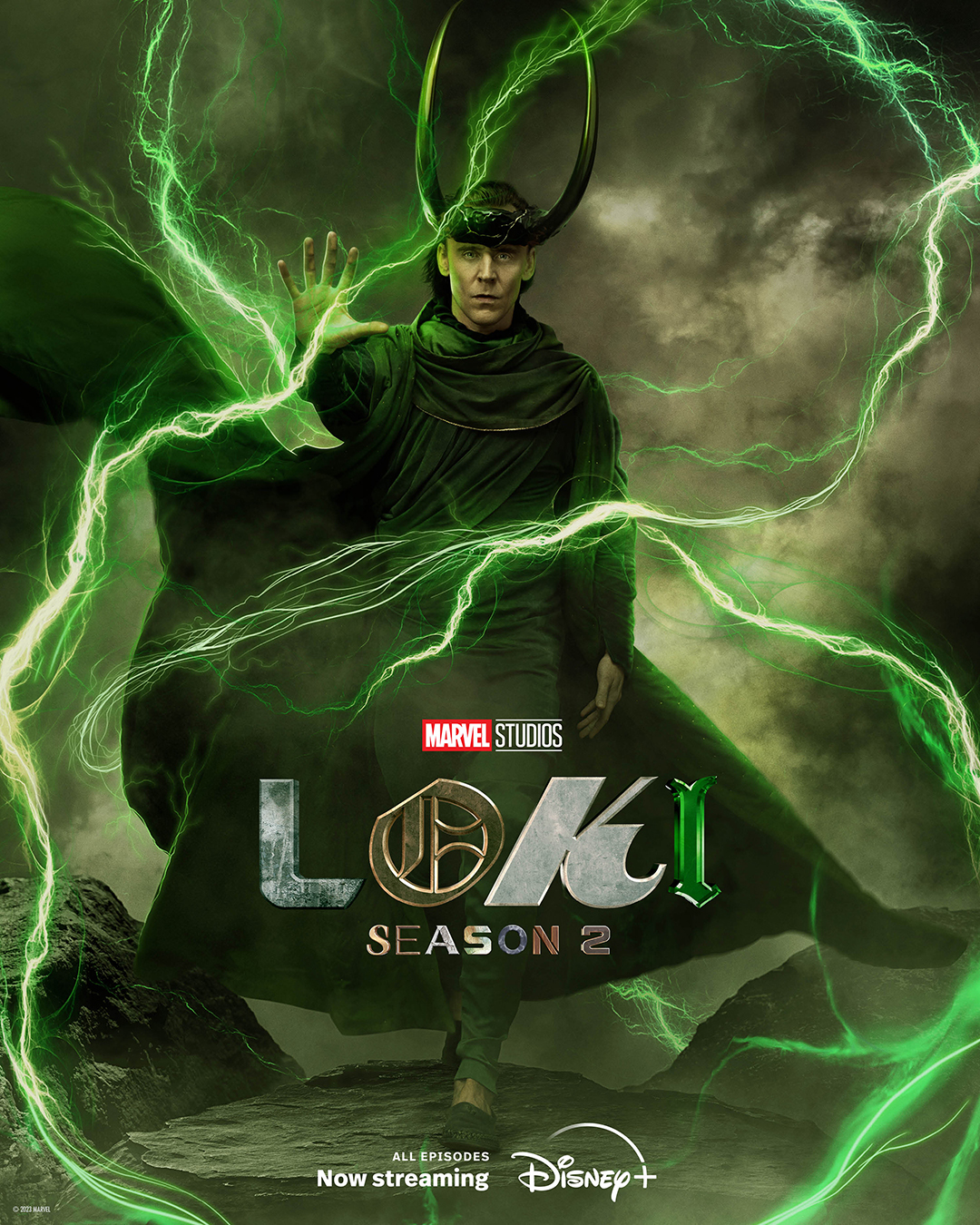
1. Glorious Purpose
The finale's title, "Glorious Purpose," is the same as the first episode of Season 1, echoing the season's overarching theme. This is a line he spoke during his attack on New York in "The Avengers 1," and in the end, he ascends the throne of the multiverse, becoming an entity beyond the Nine Realms and the universe.
2. Marvel Intro
This time, the Marvel intro animation is presented in reverse, symbolizing Loki's reversal of time in this episode.
3. Repeated Failures
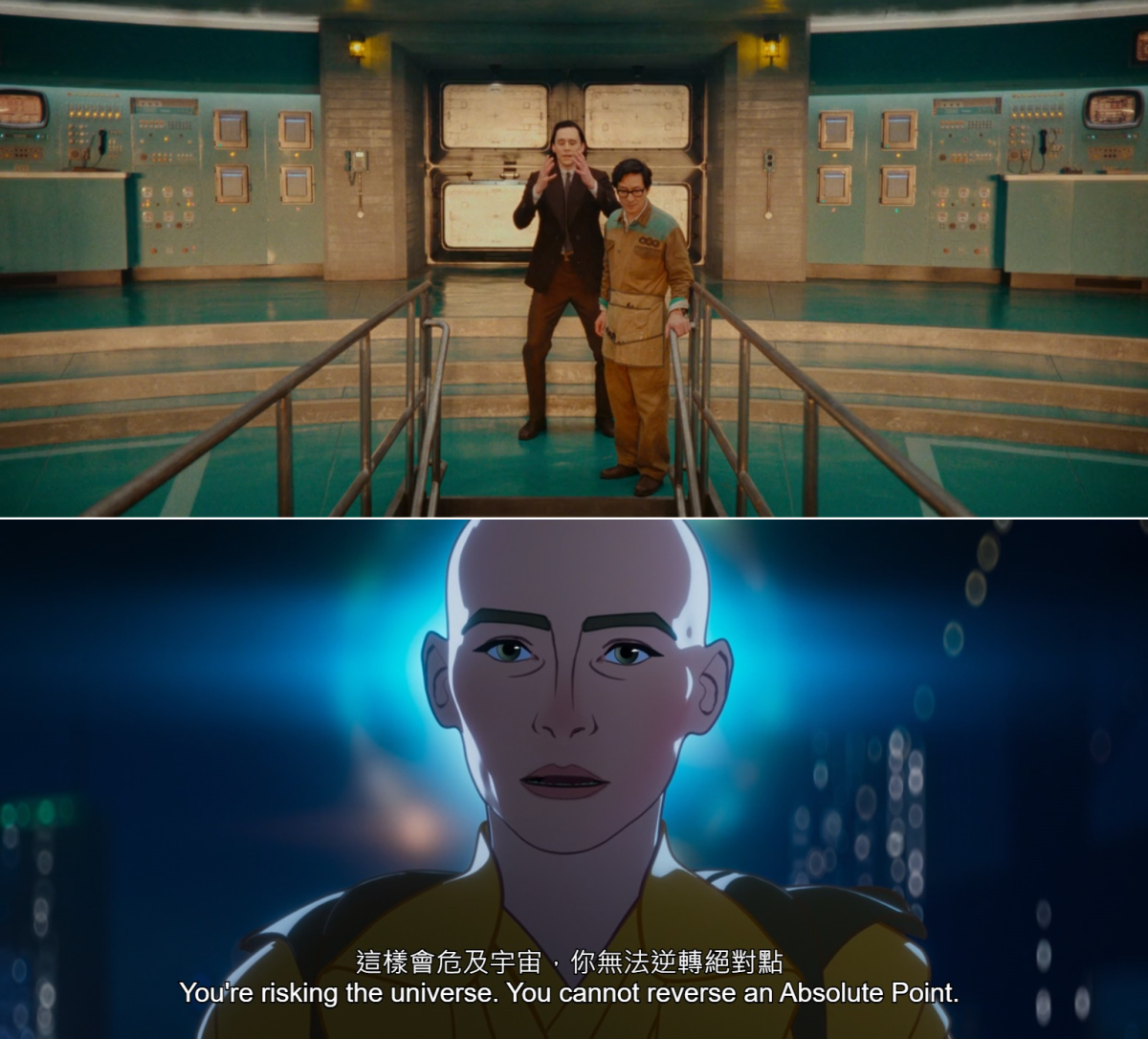
Loki uses time-slipping to return to before Victor Timely entered the Temporal Loom, then continuously improves and continuously fails. This is a common trope in time-travel works. For example, at the end of "Doctor Strange," Doctor Strange repeatedly gets killed by Dormammu to stop his invasion; and in the series "What If...?", according to the Ancient One, failure is the "absolute point" leading to an irreversible destiny.
4. Symphony of Destiny
When Loki first discovered the problem with Victor's failure, the 1977 adapted version of Beethoven's "Symphony of Destiny" by musician Walter Murphy and his band played in the background.
This version is frequently used as background music in various film and television works, most famously in the movie "Saturday Night Fever," starring John Travolta, released in the same year.
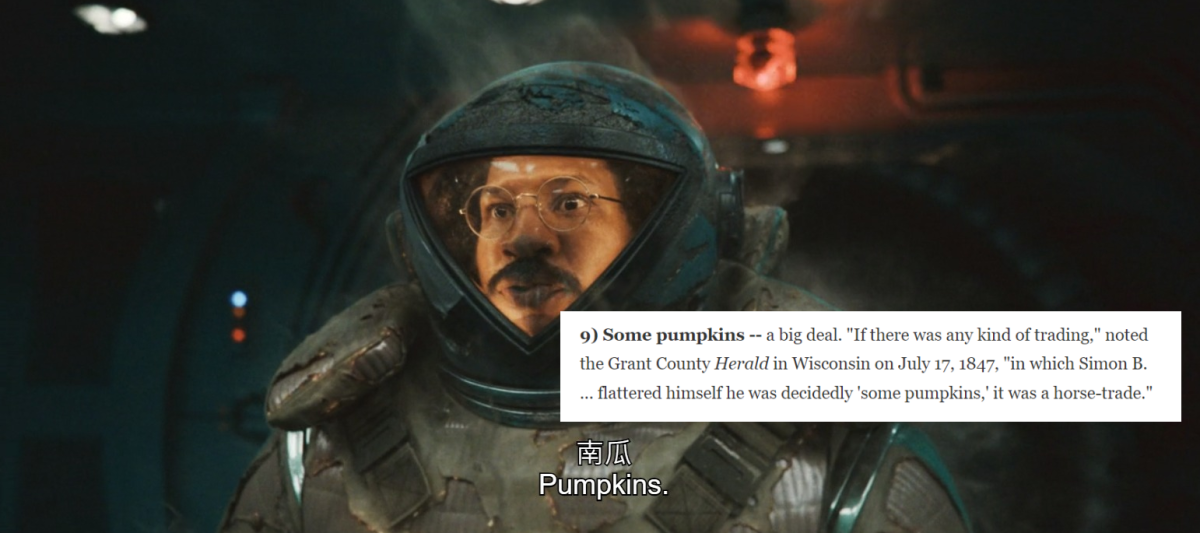
5. Pumpkins
When Timely finally succeeded in inserting the multiplier into the Temporal Loom, he inexplicably exclaimed, "Pumpkins!" What does this mean? It turns out "Some Pumpkins" is an American slang phrase popular in the 1800s, the era in which Timely grew up, typically used to describe something significant.
6. Return to the End of Time
Loki ultimately discovers that no matter how he changes things, the timeline will eventually explode, leading him back to the End of Time to confront He Who Remains once more. It is at this point that Loki realizes everything he has done was ultimately still part of He Who Remains' plan, guiding Loki to replace him as the guardian of the Sacred Timeline.
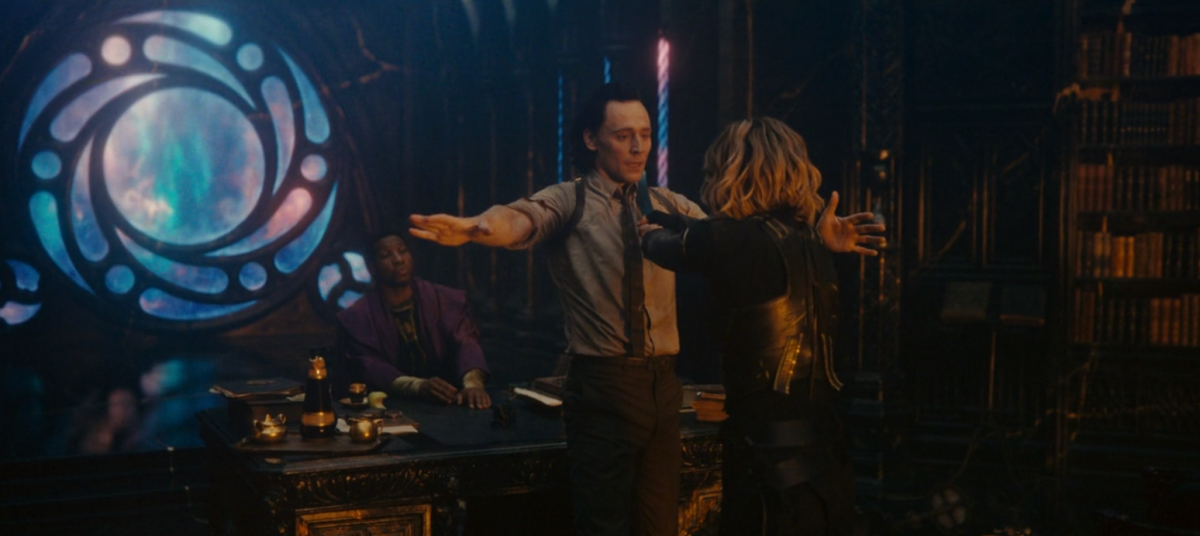
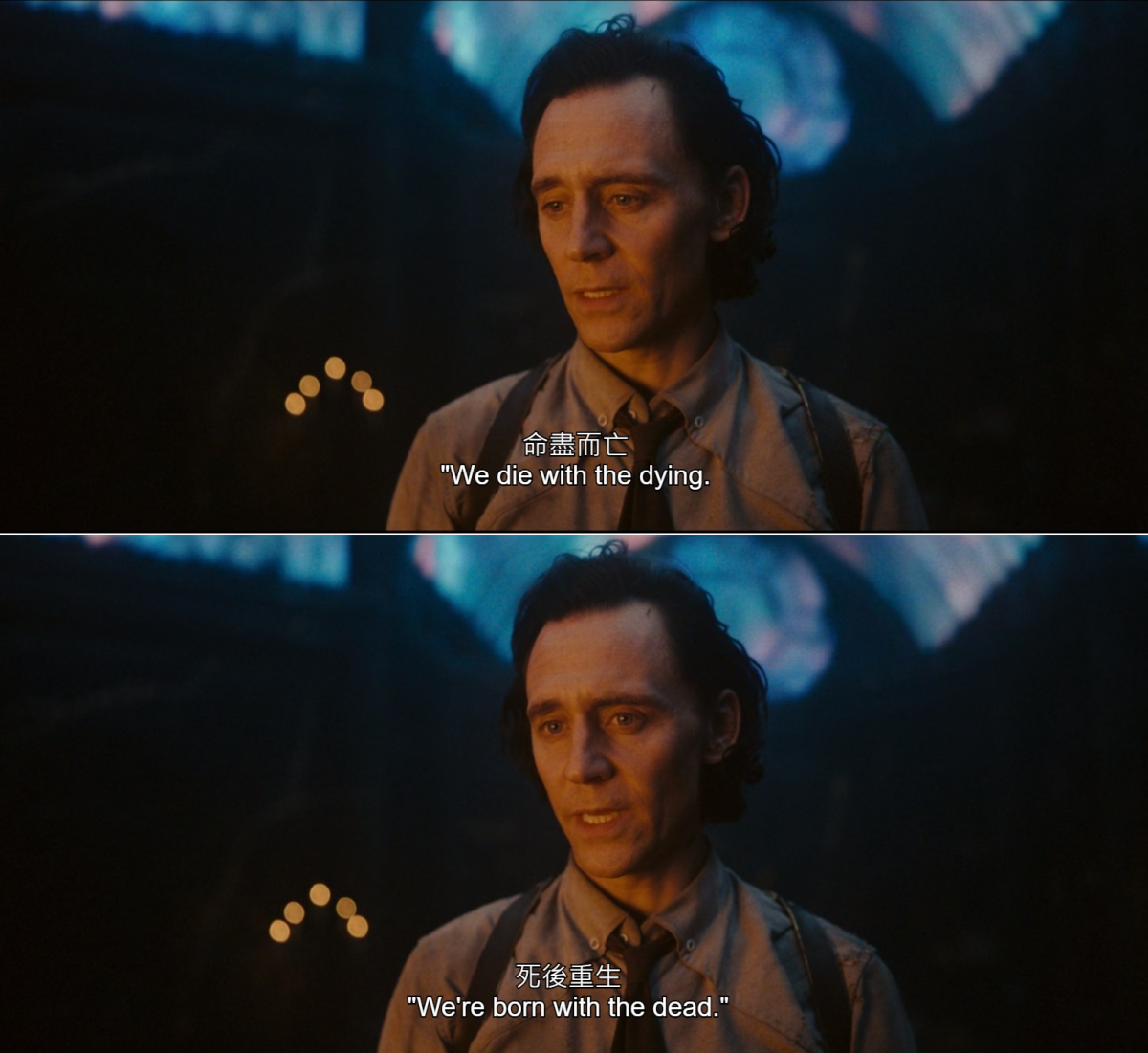
7. We Die with the Dying, We Are Born with the Dead
Loki says to He Who Remains: "We die with the dying, we are born with the dead." This line comes from T.S. Eliot's poetry collection "Little Gidding," which describes the cyclical and irreversible nature of time and life, echoing the series' theme.
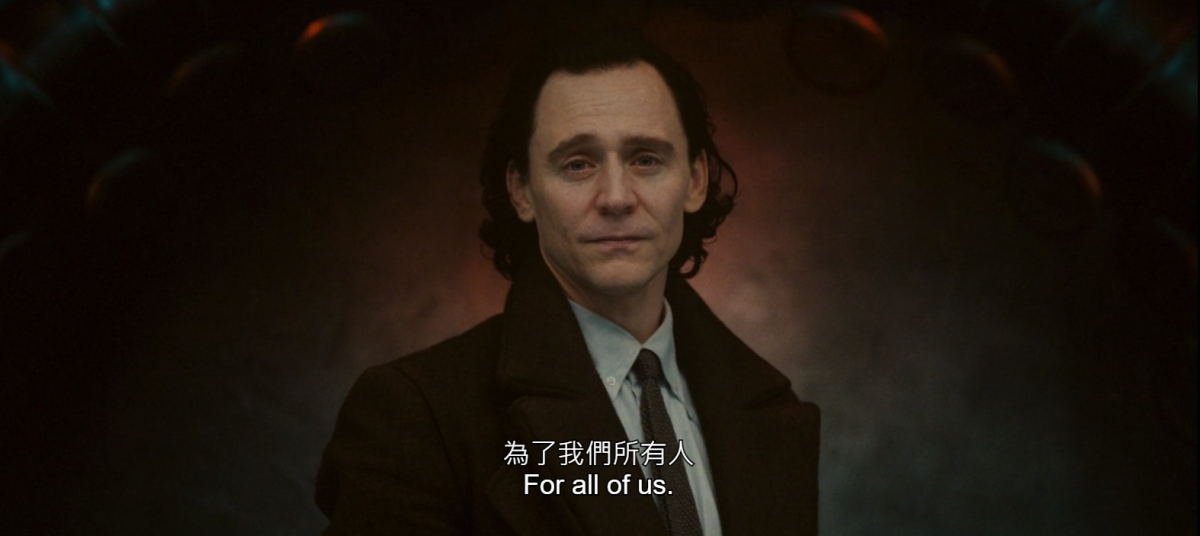
8. For You, For All of Us
After several confrontations with He Who Remains, Loki chooses a third path. He returns to before the timeline explosion, rushes in without hesitation to replace Timely and sacrifice himself, and turns back to tell his friends: "For you, for all of us." This line echoes what he said to Odin before falling from the Bifrost at the end of "Thor 1." However, at that time, his motive was the selfish desire to inherit the throne, whereas now, having truly understood his mission, he demonstrates a willingness to sacrifice himself for the greater good.
9. Yggdrasil, the World Tree
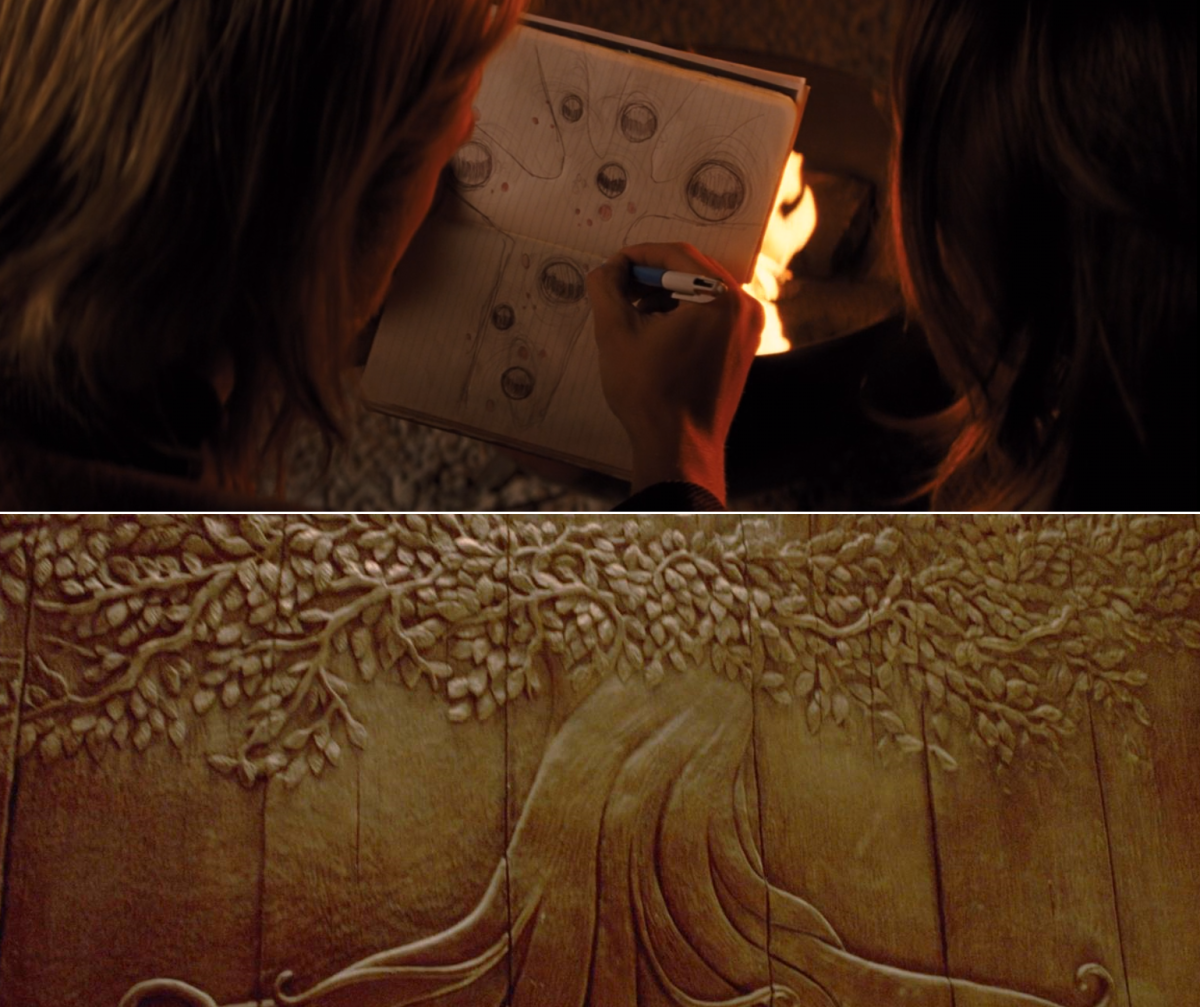
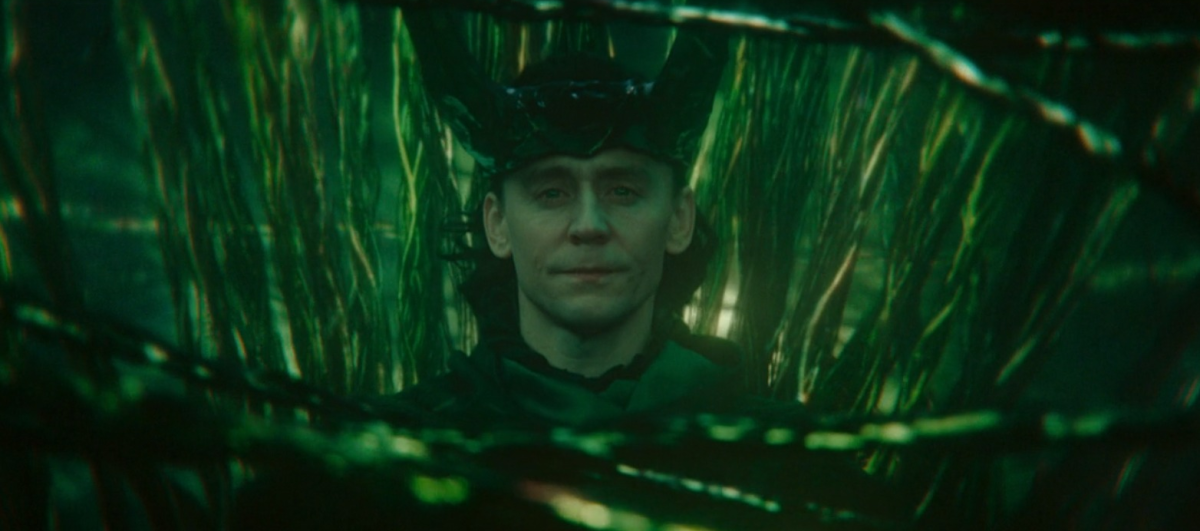
Loki sits on the throne, holding the timelines firmly in his hands, becoming a replacement for the Temporal Loom, stabilizing all branching timelines. At this moment, green magical light branches out between the multiverses, forming a shape resembling "Yggdrasil," the World Tree, from Norse mythology.
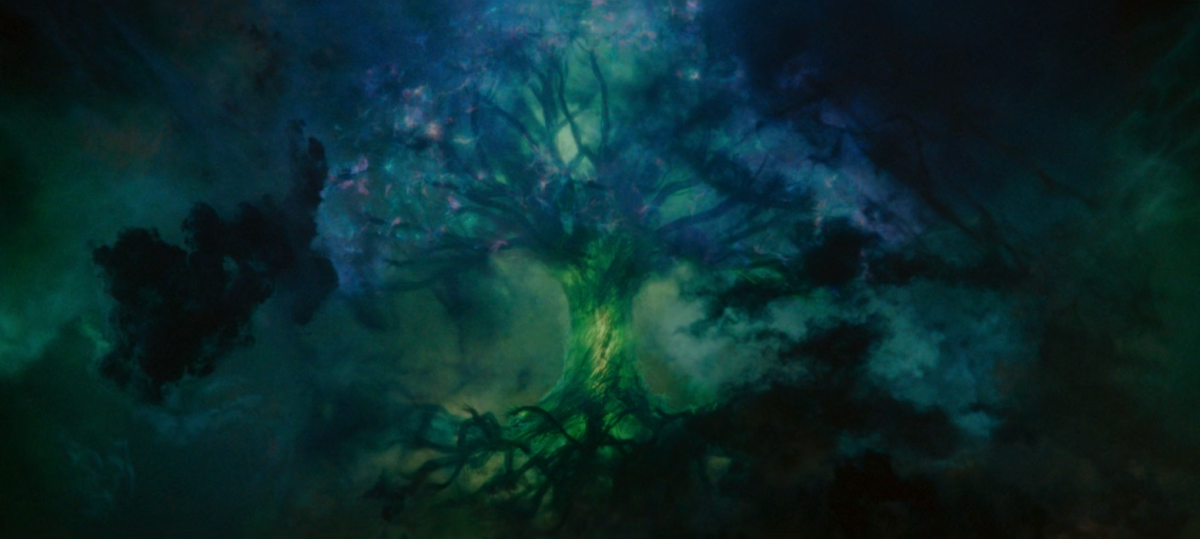
In "Thor 1," Thor drew the shape of the World Tree when introducing the Nine Realms to Jane Foster. Additionally, in "Captain America 1," the Tesseract was initially secretly sealed within the outer wall of a church in Tønsberg, Norway, adorned with a "World Tree" totem.
10. Loki Becomes a God
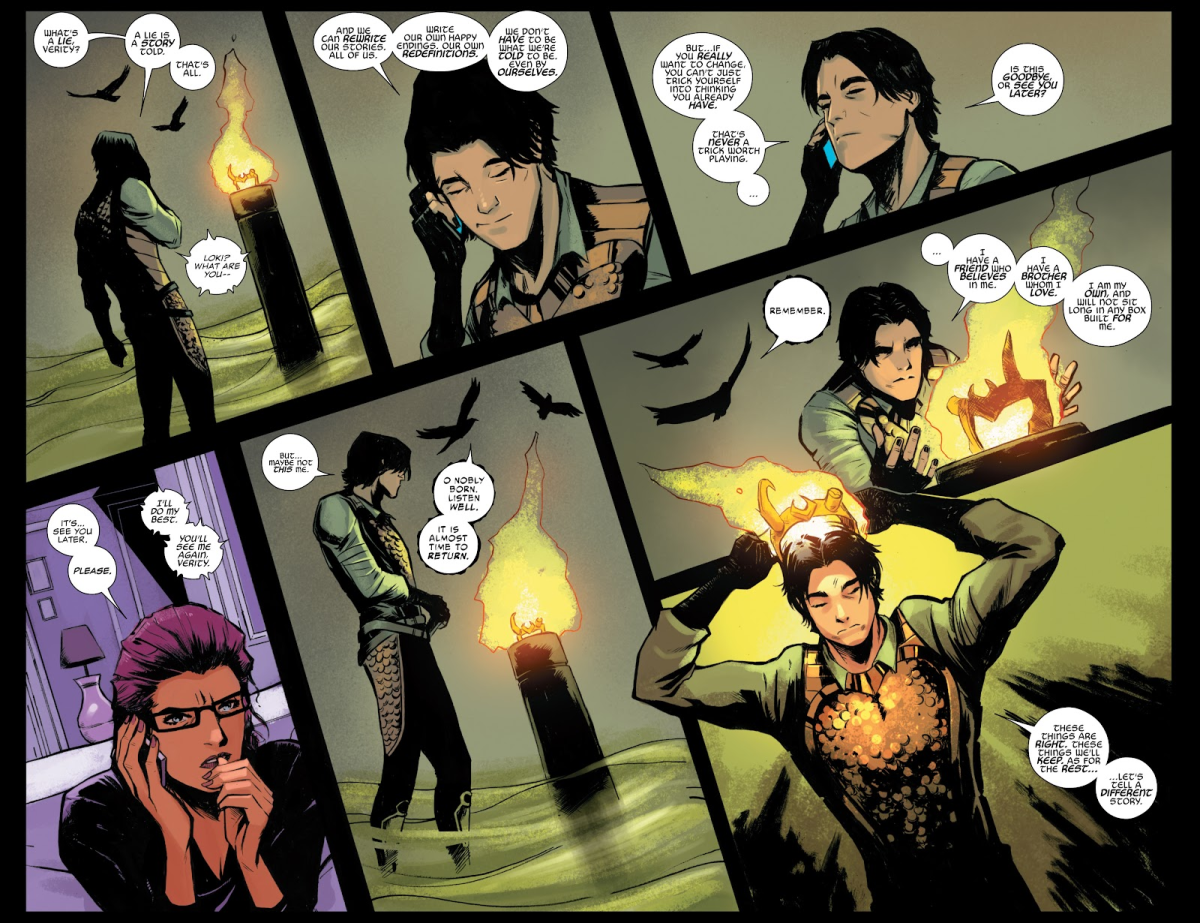
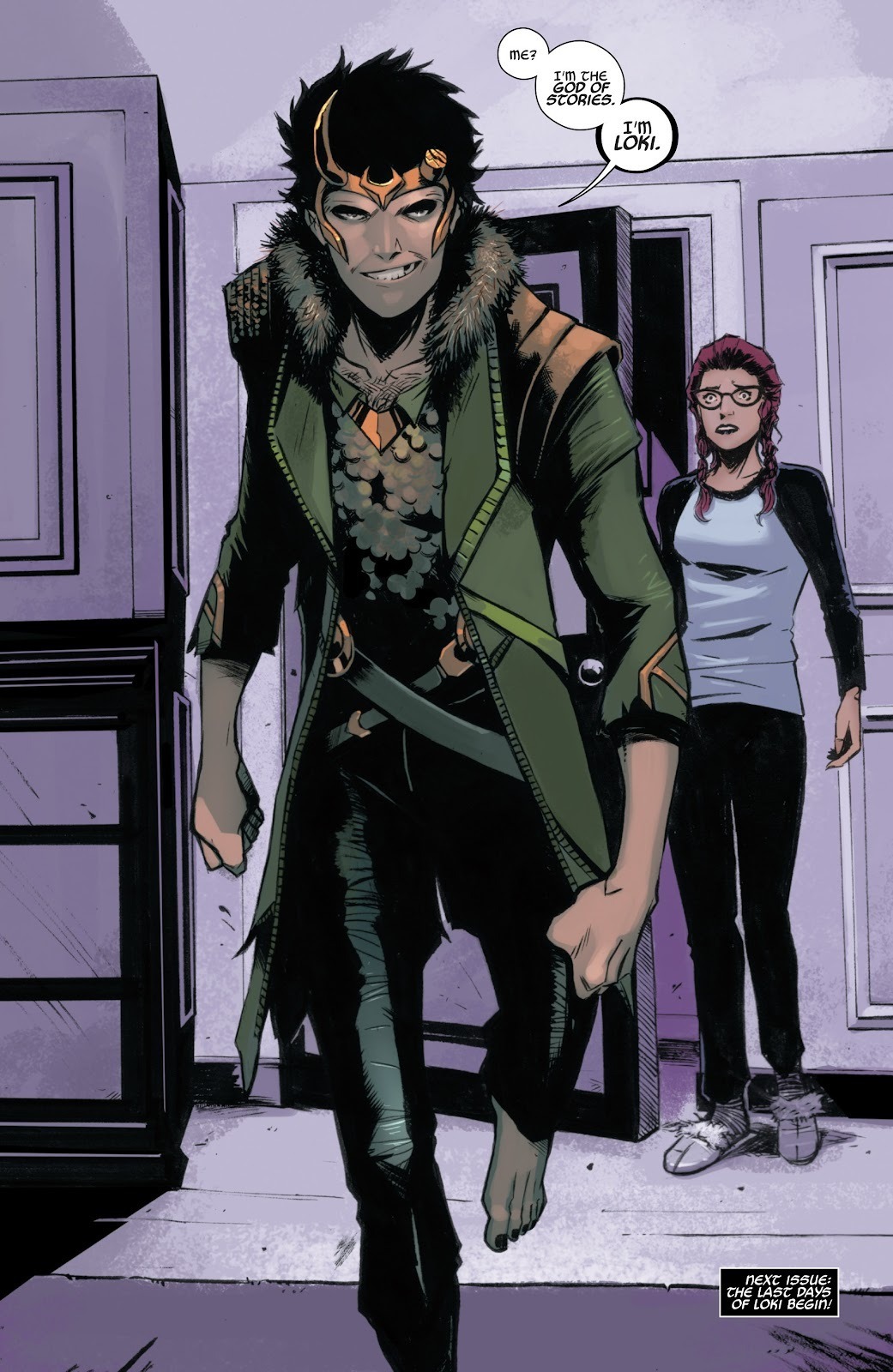
In the previous episode, we introduced the comic series "Loki: Agent of Asgard," where Loki is reborn as a younger version to atone for his mistakes and serves the All-Mother of Asgard. However, he eventually discovers that all of this was also a path laid out by his future older self. He decides to take a third path, becoming the God of Stories, and the ending of this episode echoes that story.
11. Solitude
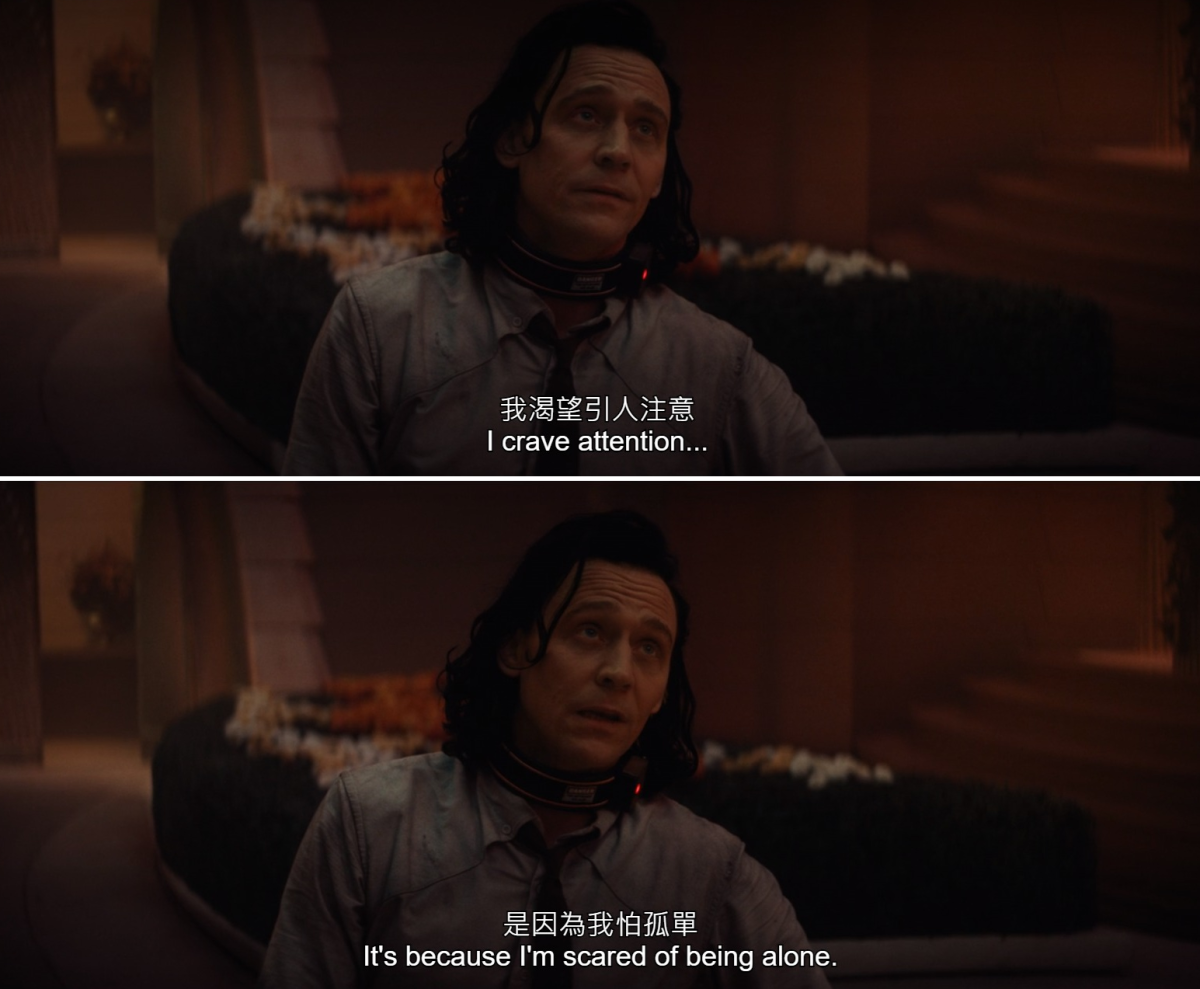
From Season 1, Loki has intermittently revealed his desire for recognition and his fear of loneliness. Yet, he was constantly instilled with the curse that "as Loki, he is destined to be alone forever." However, when Loki understood his mission and chose to protect the lives of his friends, he resolutely walked towards an eternally solitary end.
12. Disturbance in the 616 Universe
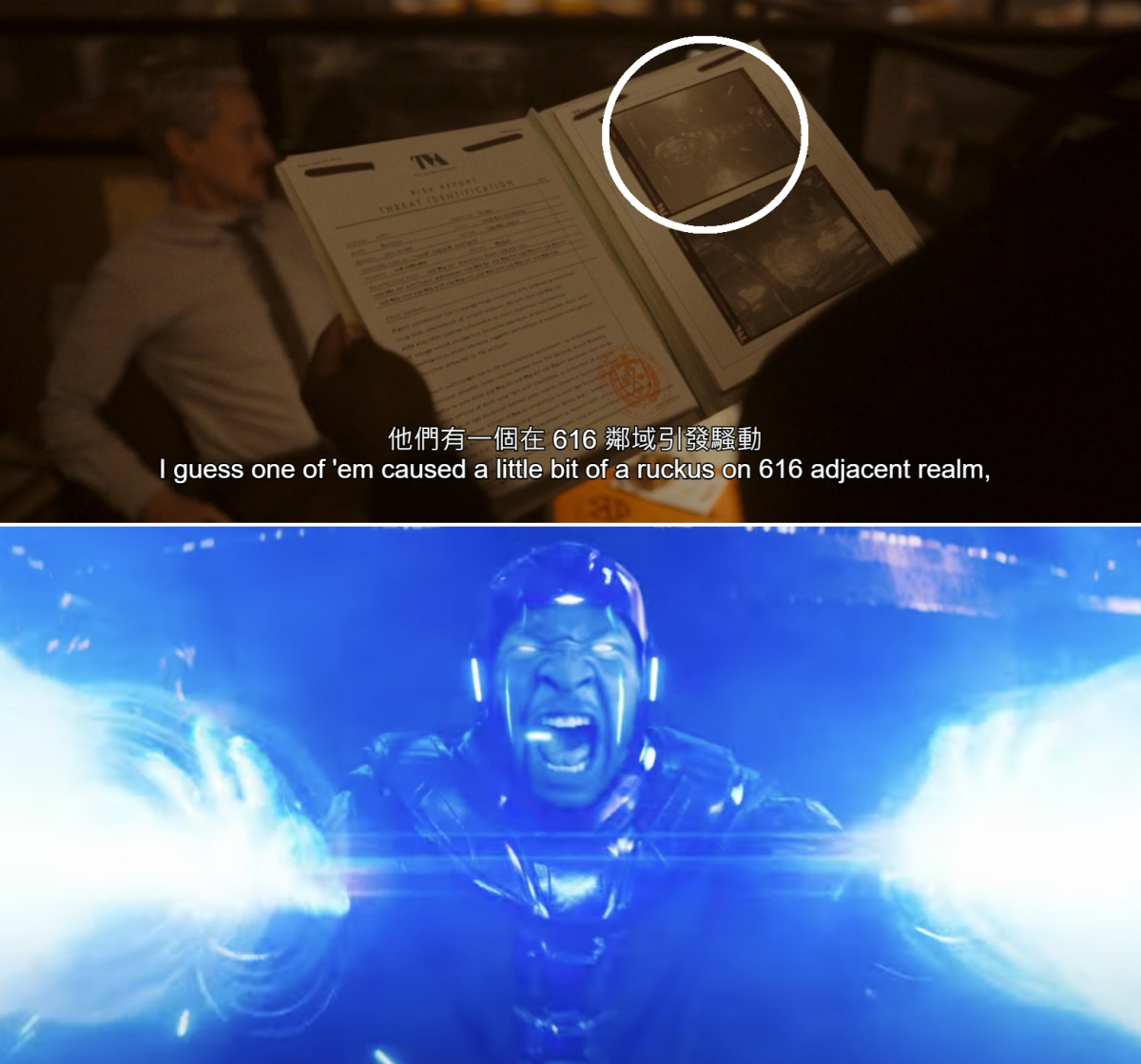
After the calm, the new TVA secretly manages different universal timelines, ensuring that other "He Who Remains variants" do not detect its existence. Mobius and B-15 report a disturbance from the 616 universe, referring to the events caused by Kang the Conqueror in "Ant-Man and the Wasp: Quantumania." The files also contain screenshots of Kang the Conqueror from that film. This also proves that the TVA has the capability to access the Quantum Realm.
This episode premiered in North America on the same day as "The Marvels."