

The wait is over for PC gamers worldwide. On the first day of [[OBJ_7453]]CES 2025, NVIDIA CEO Jensen Huang officially took the wraps off the next-generation "Blackwell" GPU architecture, debuting the highly anticipated GeForce RTX 50 series, including the RTX 5090, RTX 5080, RTX 5070 Ti, and RTX 5070.
The GeForce RTX 50 series is built on Micron's next-generation GDDR7 memory and utilizes the latest 16-pin (12V-2x6) power connector. The new cards also support the PCI-Express 5.0 x16 interface, promising faster data transfer speeds and enhanced stability.
NVIDIA GeForce RTX 5090
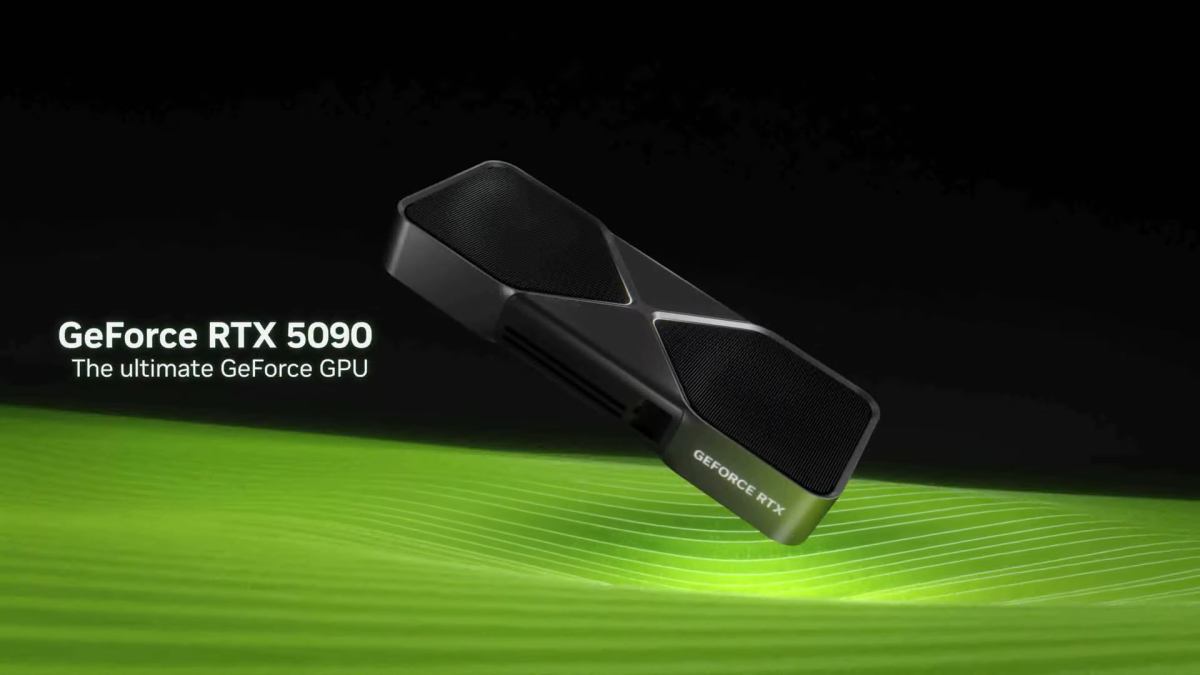
Leading the charge is the flagship RTX 5090, which sees a significant leap in both performance and price. It packs 21,760 CUDA cores, 32GB of GDDR7 memory running at 28Gbps, and a 512-bit memory interface delivering a staggering 1,792 GB/s of bandwidth. This power comes at a cost, with a TDP of 575W—an increase of 125W over the previous-gen RTX 4090. The price tag is equally formidable, set at $1,999.
NVIDIA GeForce RTX 5080
The RTX 5080, built on the GN203-400 GPU, features 10,752 CUDA cores and 16GB of GDDR7 memory with a speed of 30Gbps. Its 256-bit memory interface provides 960 GB/s of bandwidth, with a total power draw of 360W. Priced at $999, NVIDIA also hinted that future Ti or SUPER variants could offer further performance enhancements.
NVIDIA GeForce RTX 5070
NVIDIA also revealed the RTX 5070 and RTX 5070 Ti, positioning them as the top choices for gamers seeking the best price-to-performance ratio.
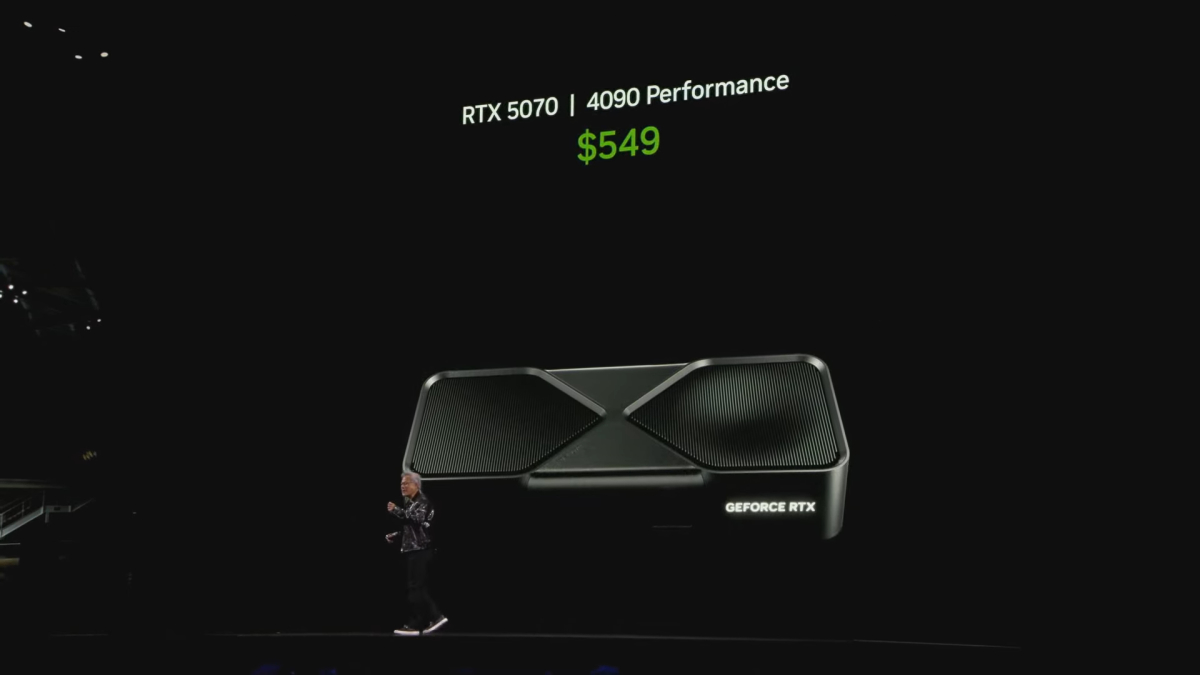
The RTX 5070 Ti comes equipped with 8,960 CUDA cores and 16GB of memory, priced at $749. Meanwhile, the RTX 5070 features 6,144 CUDA cores and 12GB of memory for $549. In a standout claim, Huang emphasized that this card delivers performance on par with the RTX 4090, making it a compelling option for value-conscious consumers.
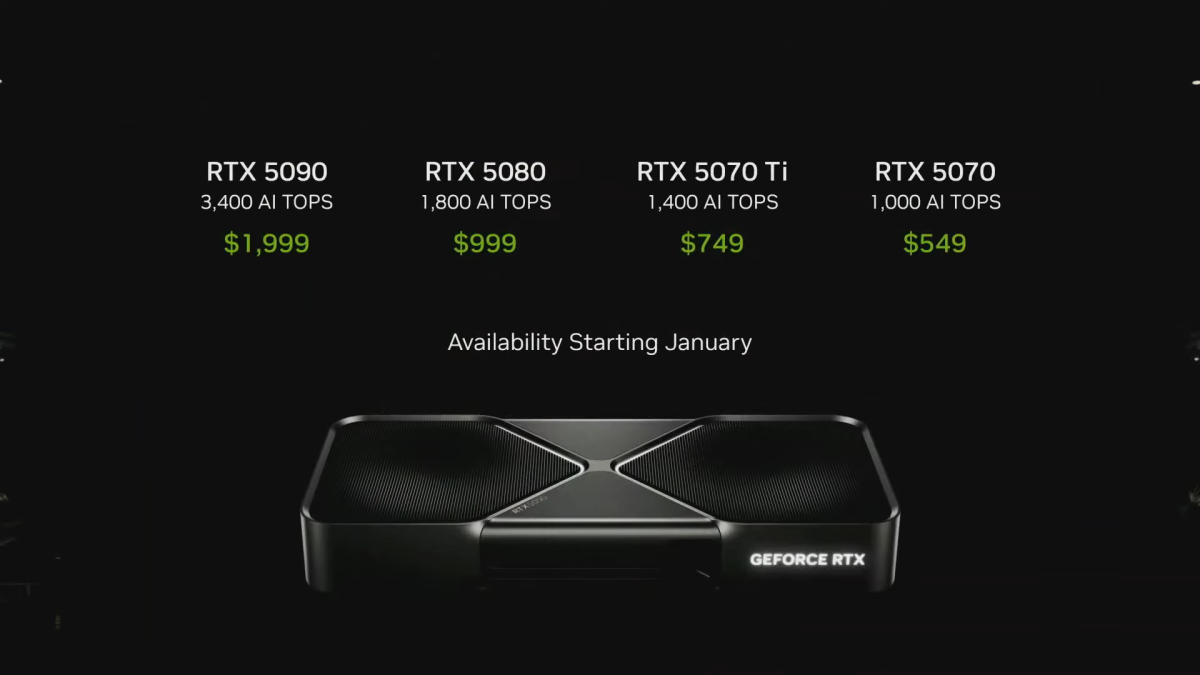
The GeForce RTX 5090, RTX 5080, RTX 5070 Ti, and RTX 5070 will begin rolling out in January 2025.