

Following the launch of the Ryzen 7 9800X3D, which proved difficult for PC gamers to acquire, AMD rode the wave of CPU market excitement on the first day of CES 2025, announcing the highly anticipated Ryzen 9 9950X3D. This reveal once again captured the attention of PC enthusiasts worldwide.

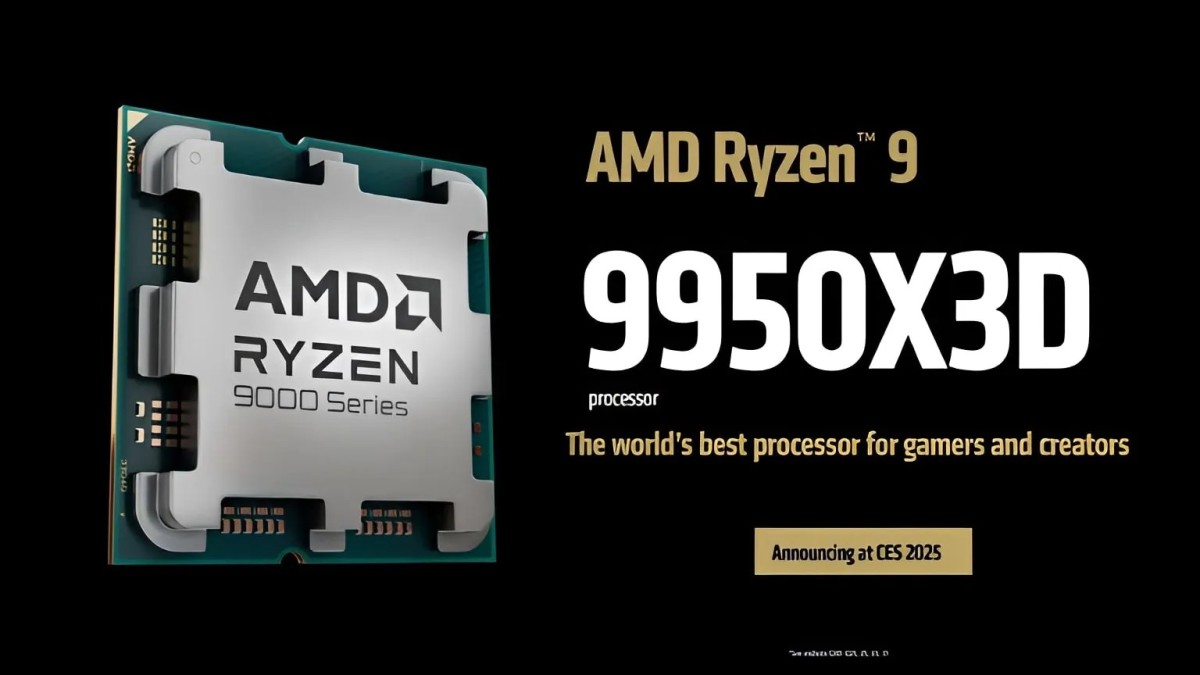
Ryzen 9 9950X3D
The Ryzen 9 9950X3D had already been teased prior to CES 2025, with its official reveal largely aligning with earlier leaks. This new processor reportedly outperforms the Intel Core 9 Ultra 285K by up to 64%. According to official figures, the Ryzen 9 9950X3D delivers an average 13% performance boost for content creation workloads compared to its predecessor, the 7950X3D. In popular benchmarks like Cinebench and Blender, performance gains exceed 15%.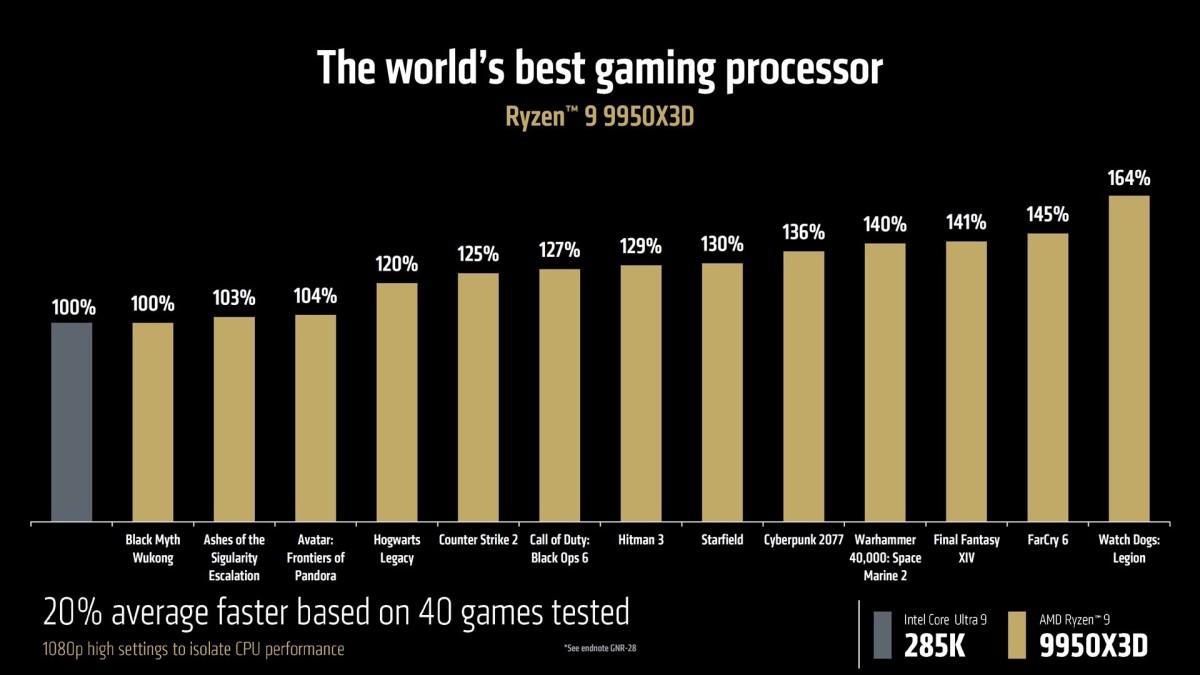
Compared to the Intel Core 9 Ultra 285K, the 9950X3D shows a 36% performance increase in "Cyberpunk 2077," a 40% boost in "Warhammer 40,000: Space Marine 2," 41% in "Final Fantasy XVI," and an astounding 64% faster performance in "Watch Dogs: Legion." Overall, after testing across more than 40 games, it delivered an average 20% improvement in gaming performance, positioning it as a top choice for gamers.
Zen 2 Extreme
Beyond the Ryzen 9 9950X3D, AMD also unveiled new chips for portable gaming devices at this year's CES, continuing its focus on the handheld gaming market. The company introduced the AMD Zen 2 Extreme, alongside lower-spec Z2 and Z2 Go variants.
The Zen 2 Extreme features the latest Zen 5 CPU cores and an RDNA 3.5-based GPU, offering robust computing power and graphics performance. In contrast, the Z2 and Z2 Go are equipped with RDNA 3 and RDNA 2 GPUs, respectively, providing diverse options for varying needs.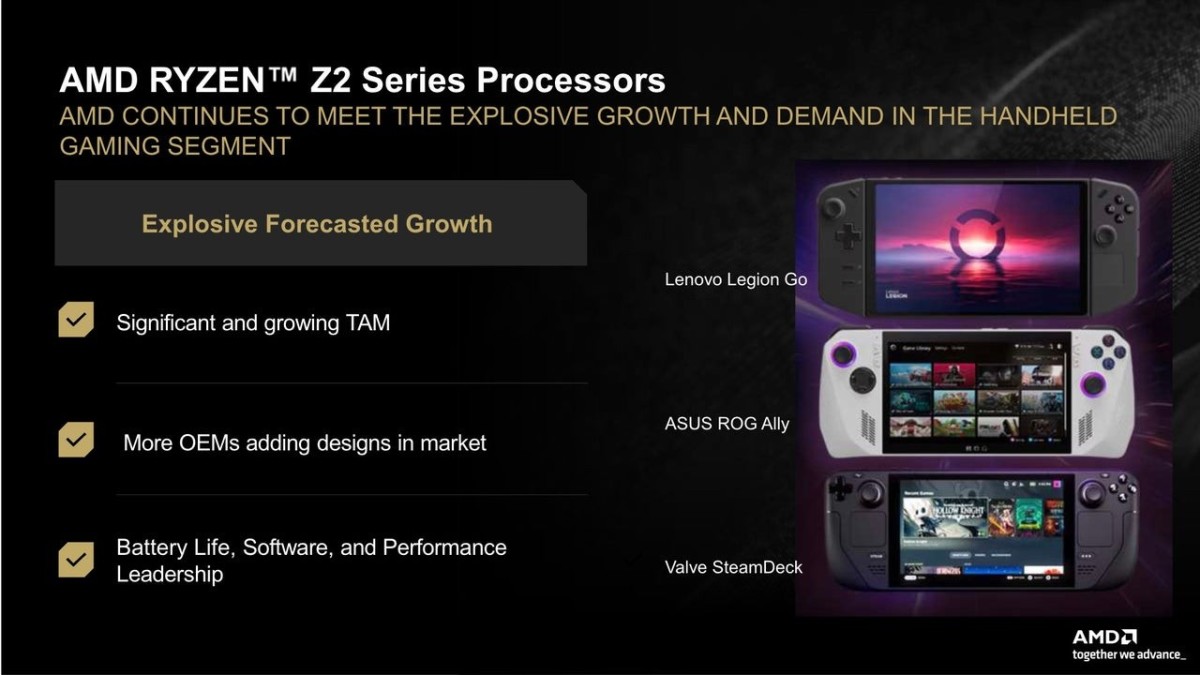
AMD stated that the introduction of this new product line will not only boost handheld device performance but also aims to reduce market prices for such products, making them more accessible to a wider range of gamers.
Furthermore, the Zen 2 Extreme is designed to address battery life concerns in handheld gaming. AMD emphasized that this chip will deliver near-console-level performance while significantly reducing battery consumption, leading to extended gaming sessions for devices like the Lenovo Legion Go.