


Childhood is both a starting point and a potential influence on growth.
--
▪︎ 'Stand By Me'
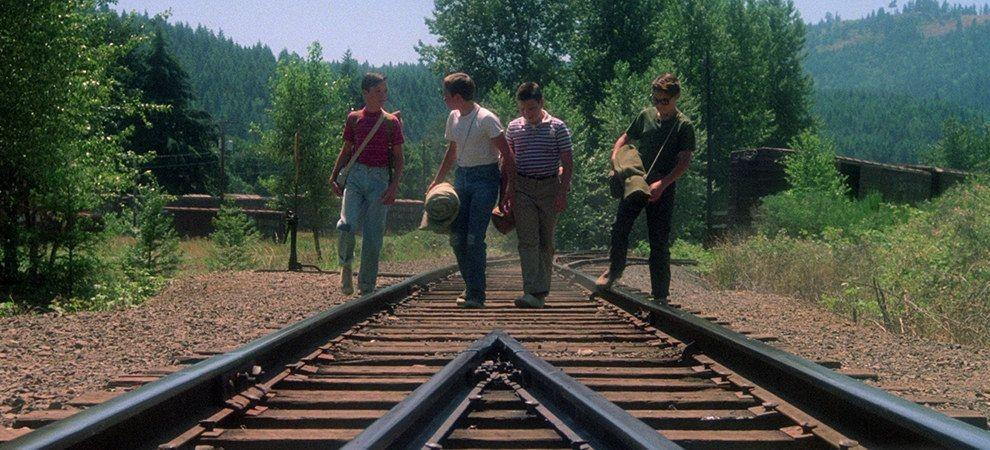
The story unfolds in the summer of the late 1950s in America, where four young boys embark on a 'hero's journey' to find a corpse. The boys, Gordon, Chris, Wayne, and Teddy, each carry their own family trauma, yet it is these very traumas that bring them together, creating a poignant psychological exploration journey.
.
Gordon lives in the shadow of his brother, feeling neglected by his parents; Chris is born into a family with a criminal background, labeled as a delinquent; Teddy's father is a World War II hero who, traumatized by war, often abuses Teddy, yet Teddy still regards him with the respect of a hero.
.
Gordon accepts his parents' neglect, leading to self-doubt and inferiority; Chris tries to escape the delinquent label of his family, experiencing feelings of powerlessness and rebellion. However, they both recognize each other's strengths: Gordon's writing ability and Chris's character of helping the weak. They support each other's strengths and pave a yellow brick road for one another: Gordon becomes a household name as a writer, while Chris becomes a successful lawyer.
.
They are both trapped by familial trauma but, because of this trauma, they learn to see and understand themselves earlier than others. Their friendship and support allow them to break free from their families' constraints and pave a hopeful path forward.
.
'Stand By Me' not only depicts the conservative societal atmosphere of the post-war 1950s but also highlights the purity and wilderness of friendship, which is exceedingly rare in today's information-saturated age. The childhood traumas caused by families remain unchanged; childhood bonds are no longer between people but between people and machines, as everyone escapes into a virtual world, making it impossible to find friends like Chris to pull you out of the cycle.
.
The theme song transitions from Ben E. King's 'Stand By Me' to Pink Floyd's 'Wish You Were Here.'
--
▪︎ 'Welcome to the Fantasy Castle'
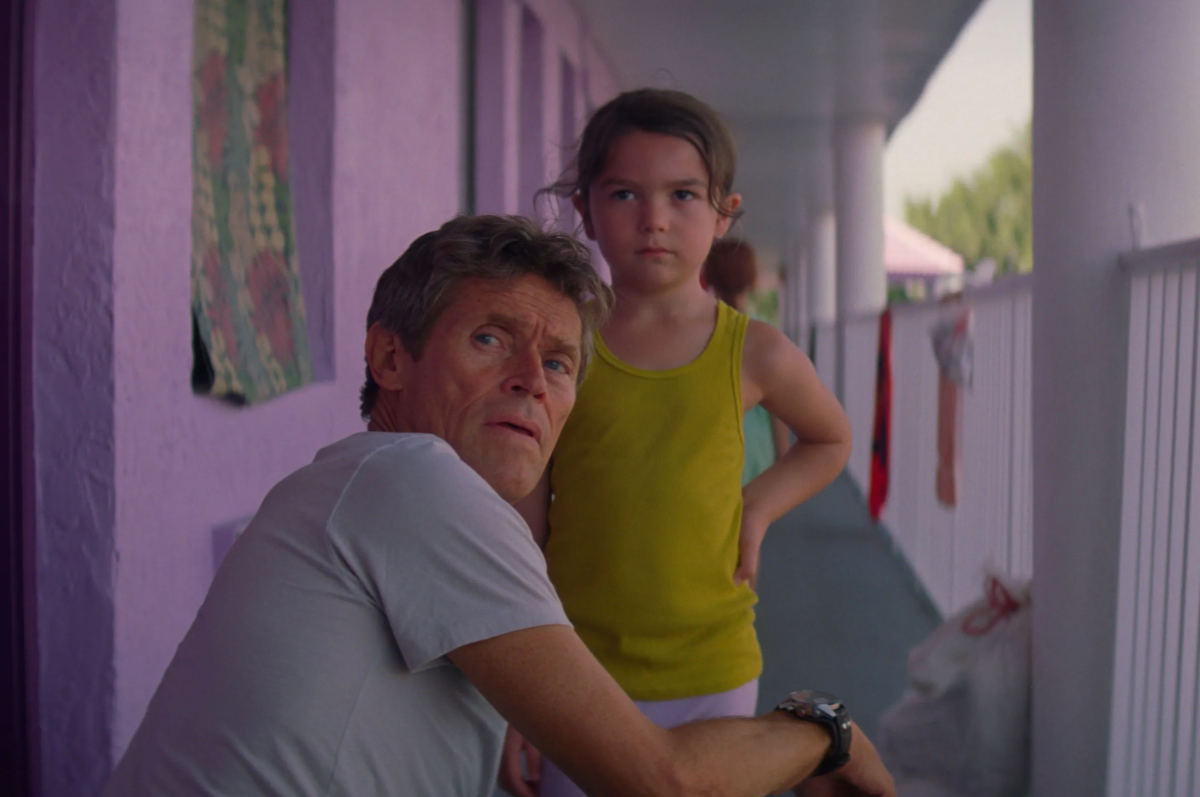
The film tells the story of Hallie and her daughter Mooney, living near the Disney amusement park in a budget motel called 'Fantasy Castle.' Most of the perspective revolves around Mooney, but as viewers, we observe this mother-daughter duo through the limited lens of the motel manager, Barbie. Hallie represents a broken generation, prompting questions about her responsibilities as a mother and adult, while Mooney's innocence transforms the Fantasy Castle into her Disney paradise, evoking sympathy for her situation.
.
With the involvement of Child Protective Services, Barbie remains a bystander, fully aware that it is neither his business nor a time to take sides. He understands that the real choice does not lie with him, the Child Protective Services, or even Hallie, but rather with Mooney, as it is her family and childhood. However, Mooney is just a young girl without experience in society, unaware of the true cost behind that choice.
.
She only knows that one friend after another is leaving her. She runs crying to her only remaining playmate, Jenny, to tell her, 'This will be their last time together.'
.
At this moment, the scene shifts to a documentary style, as Jenny takes Mooney's hand and leads her to the dream kingdom of Disneyland, depicted as a montage, piecing together fragments of memories into Mooney's childhood recollections.
.
This reminds me of the protagonist Kane from 'Citizen Kane,' who was sold to another wealthy family due to his original family's circumstances. He became a successful media tycoon but uttered his last words before passing: 'Rosebud,' representing not only Kane's childhood but also the one thing he regretted losing in his life.
.
If Mooney had chosen Child Protective Services instead of seeking out Jenny, she might have found herself saying, just before her demise, 'Fantasy Castle,' much like Kane.
--
▪︎ The two films utilize childhood to convey different layers of themes.
'Stand By Me' views childhood as a potential factor for growth; 'Welcome to the Fantasy Castle' sees childhood as a significant starting point in life, both emphasizing the importance and irreplaceability of childhood for children.