

With Rockstar Games announcing a 2025 release window for "Grand Theft Auto VI" (GTA 6), the global gaming industry is bracing for the market impact of this phenomenal title. According to multiple sources, at least three major game publishers are already preparing to adjust their release schedules to avoid a head-to-head clash with the highly anticipated blockbuster.
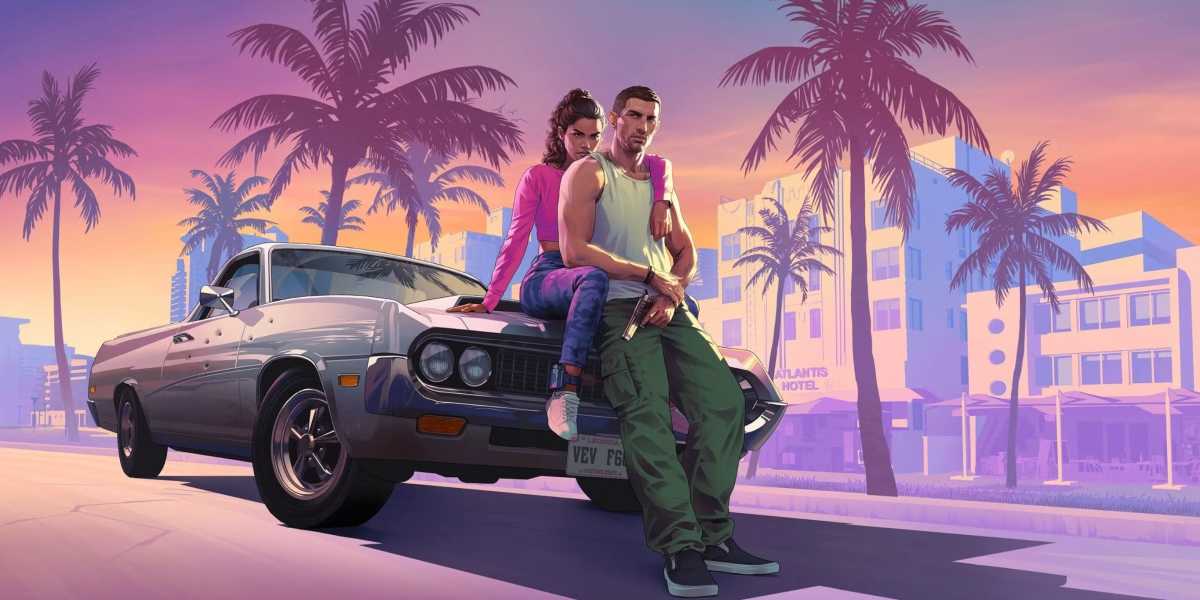
According to a report from The Game Business, several major publishers have begun developing response strategies. An executive from a globally recognized gaming company stated, "Rockstar's games don't just soak up a lot of market capital; more importantly, they consume a massive amount of players' available time. Therefore, we don't want to launch new titles in the same window. We've already developed multiple release plans to allow for flexible scheduling."
This sentiment is widespread. At last week's Game Developers Conference (GDC), renowned Insider Gaming journalist Tom Henderson also heard from multiple developers that many companies are still monitoring "GTA 6's" market movements and considering adjustments to their own release plans.
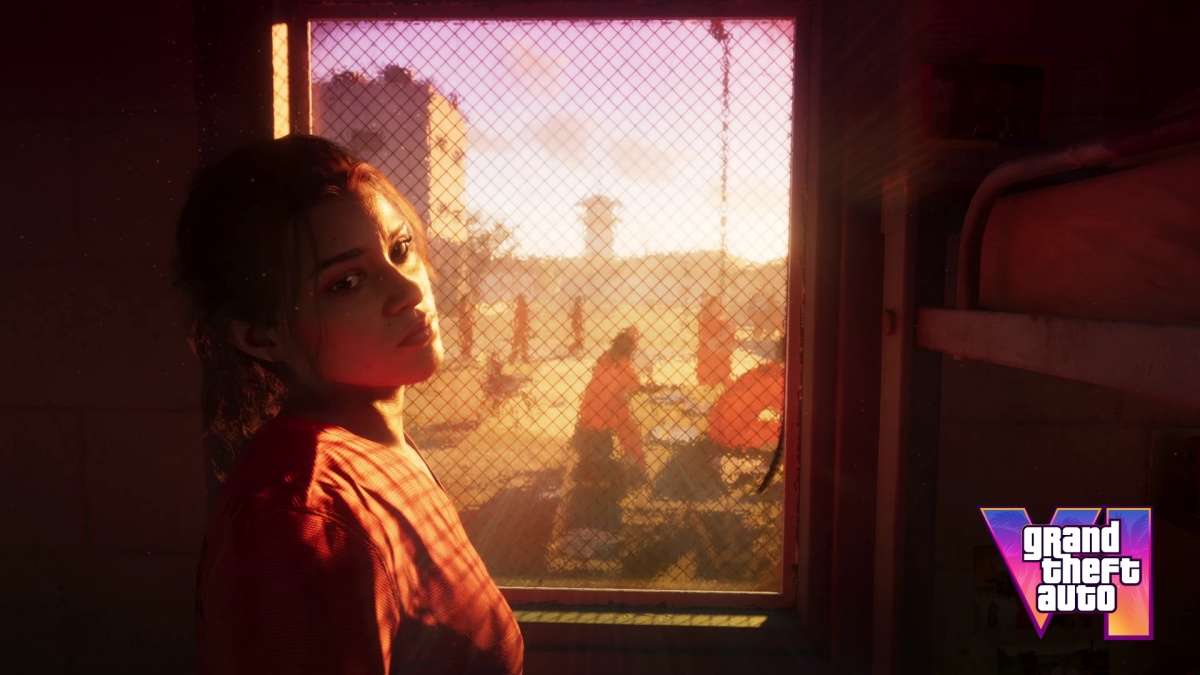
It's worth noting that Bloomberg's Jason Schreier reported back in December of last year that many competitors were choosing to delay finalizing their release dates to avoid conflicting with the year's biggest title.
It's Not Just New Games—Even Existing Game Updates Are Being Rescheduled
Beyond unreleased titles, popular live-service games are also on high alert for the arrival of "GTA 6." Dring pointed out that two of the current top-ten most popular online games have decided not to roll out major updates during the "GTA 6" launch window.
An executive from one of these developers revealed they plan to shift their content updates either three weeks earlier or later to ensure their game doesn't suffer from player attrition during the "GTA 6" launch.
However, some industry experts believe that focusing too heavily on "GTA 6" carries its own risks. If Rockstar Games ultimately decides to shift its release date, publishers who planned to avoid that window could find their market strategies backfiring, causing their own games to miss their optimal launch timing.