

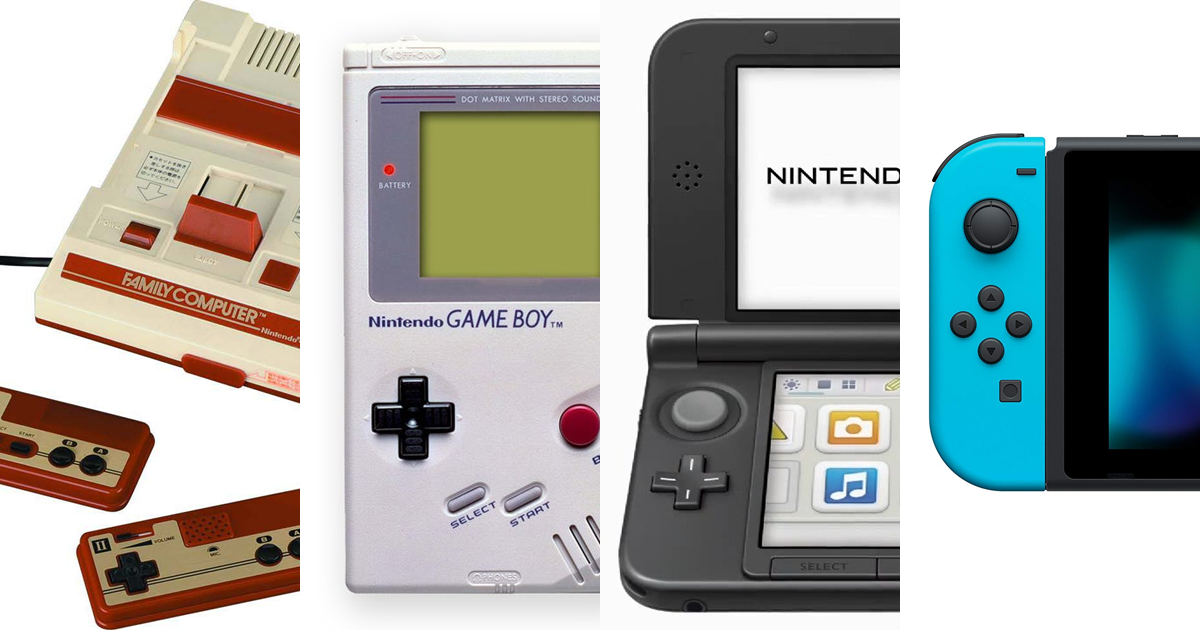
In the sprawling history of the video game industry, Nintendo isn't just a player—it's a pioneer. Since launching its first console, the Color TV-Game, in 1977, the Japanese company that started with playing cards and toys has spent nearly half a century evolving. In the process, it has not only created iconic characters and worlds but has fundamentally changed our definition of "play."
Now, with the Nintendo Switch 2 set to launch in 2025, a new chapter in Nintendo's hardware legacy is about to be written. Looking back at this incredible journey, it's clear that Nintendo doesn't just release consoles; it pushes the entire industry forward.
From Experimental to Iconic: The Early Years of Trial and Triumph
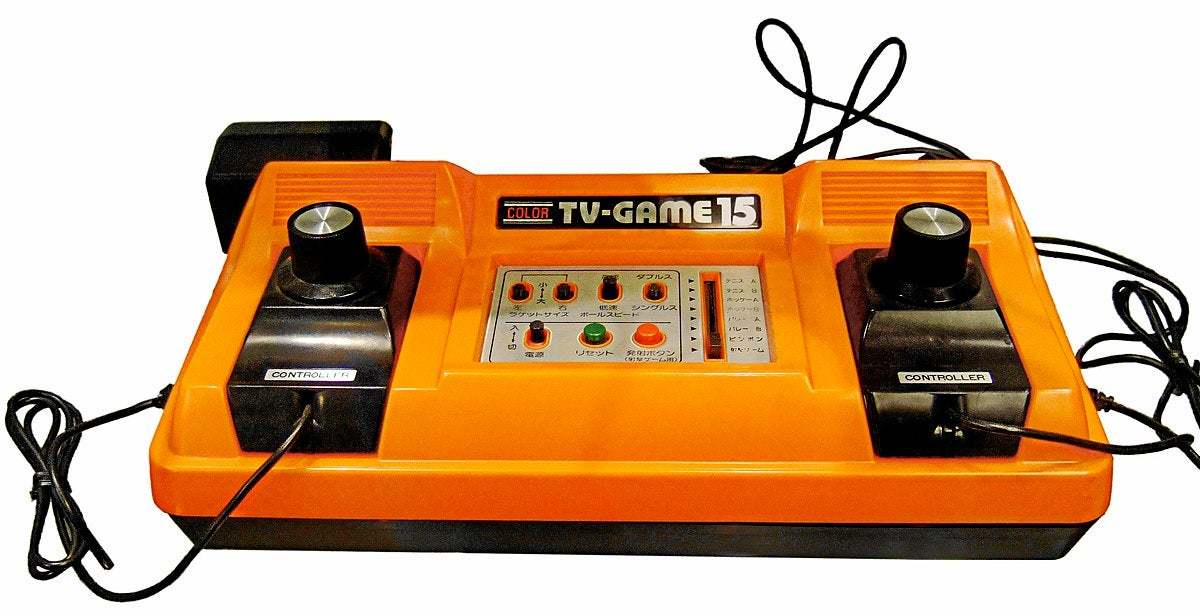
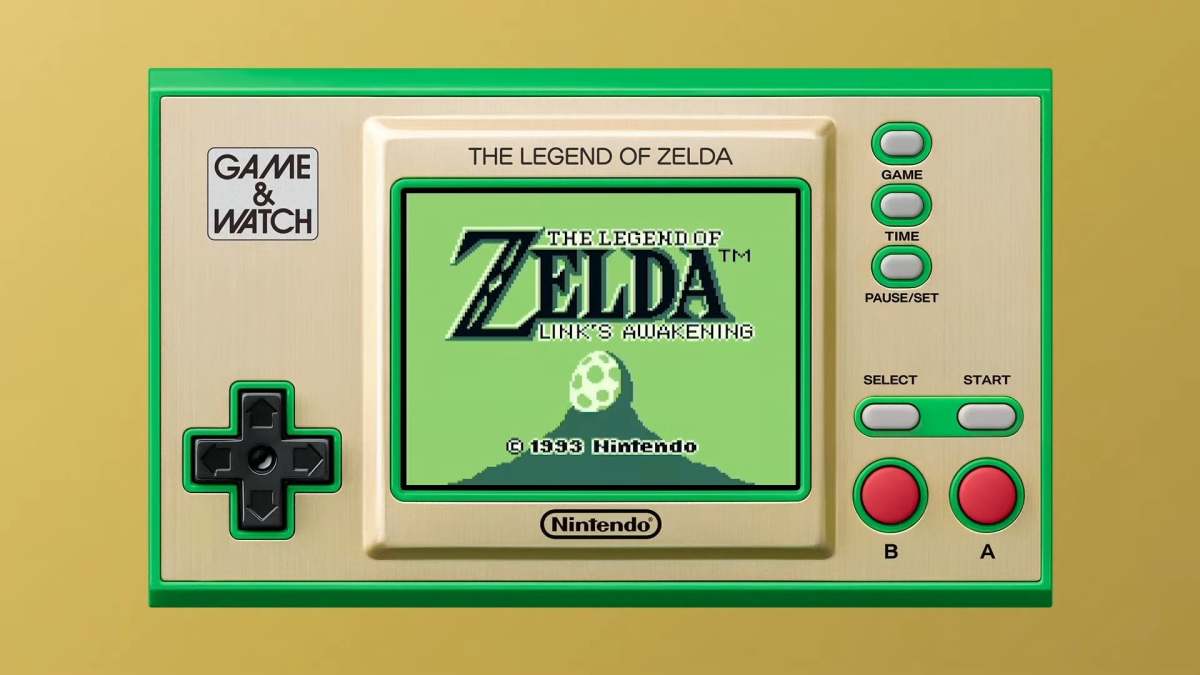
The Color TV-Game from 1977 might be unfamiliar to modern gamers, but this collaboration with Mitsubishi Electric was Nintendo's first step into the world of video games. It was followed by the Game & Watch in 1980, which not only kicked off the handheld gaming craze but also introduced the world to the revolutionary D-pad.
◆ Color TV-Game — June 1, 1977
◆ Game & Watch — April 28, 1980
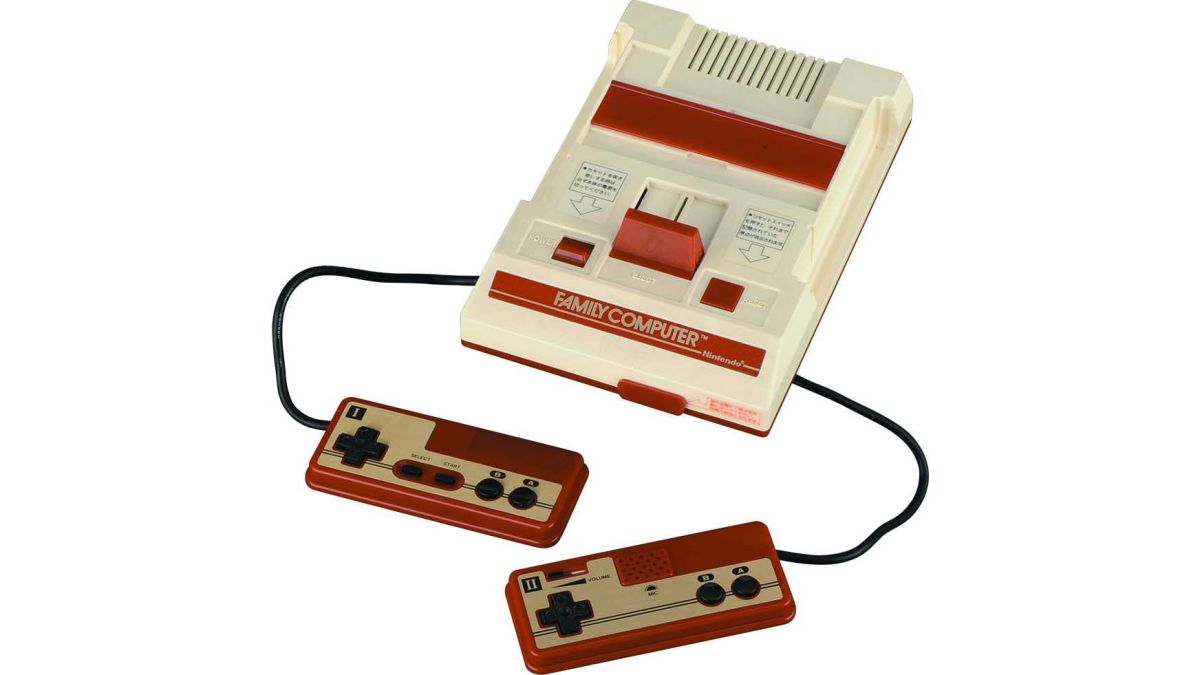
But the console that truly put Nintendo on the map was the 1983 Family Computer, or Famicom, which launched in the US as the Nintendo Entertainment System (NES) in 1985. The NES didn't just single-handedly rescue the American video game market from a devastating crash; it became the cradle for timeless franchises like Super Mario Bros., The Legend of Zelda, and Metroid.
◆ Famicom — July 15, 1983
◆ Nintendo Entertainment System (NES) — October 18, 1985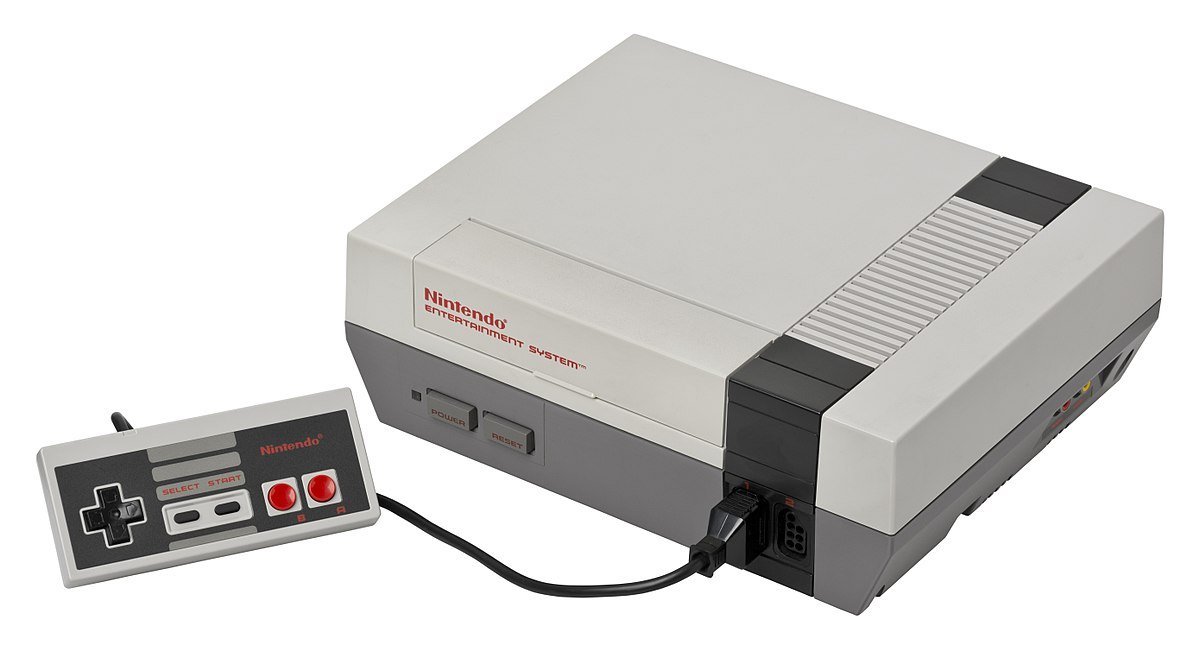
Dual-Track Dominance: Ruling Handhelds and Innovating at Home
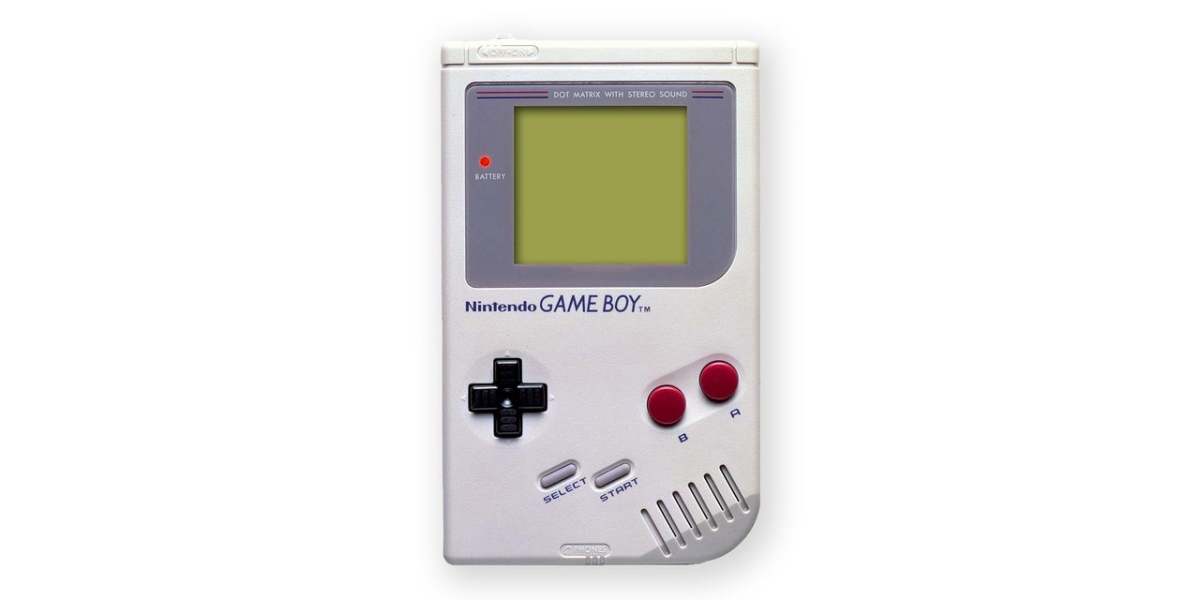
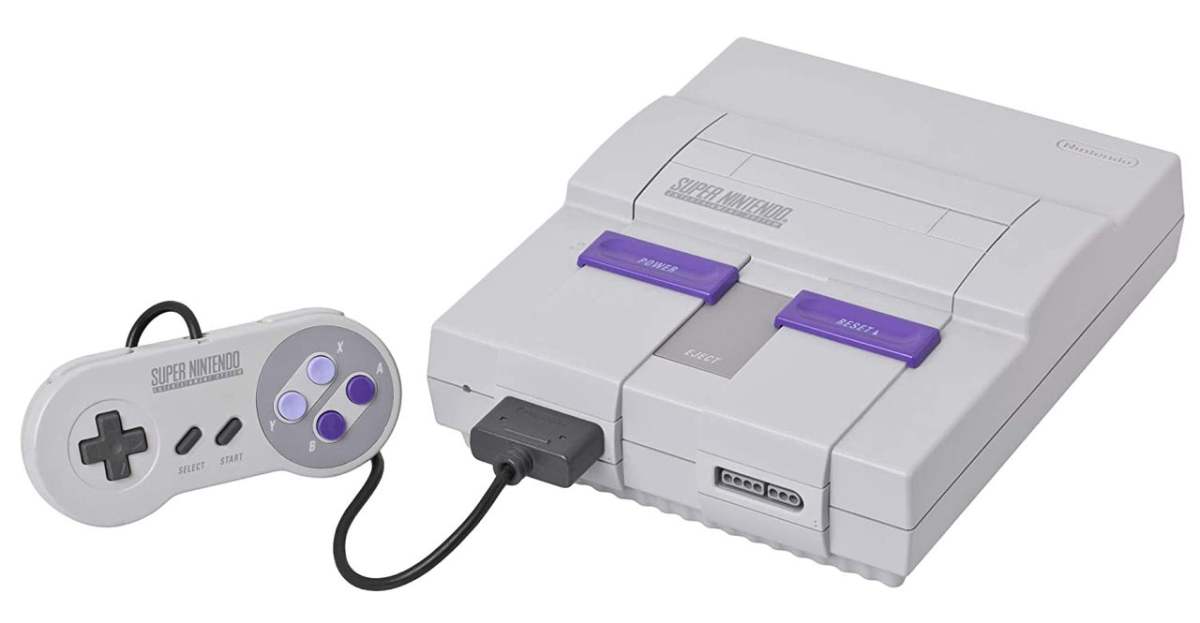
The 1990s saw Nintendo master a two-pronged strategy. On one hand, the Game Boy line—from the original brick to the Game Boy Color and the technically superior Game Boy Advance—reigned supreme in the handheld space. On the other, home consoles like the Super Nintendo (SNES) and the Nintendo 64 continuously pushed the boundaries of graphics and gameplay, ushering in the 16-bit and 3D gaming eras.
◆ Game Boy — July 31, 1989
◆ Super Nintendo Entertainment System (SNES) — August 23, 1991
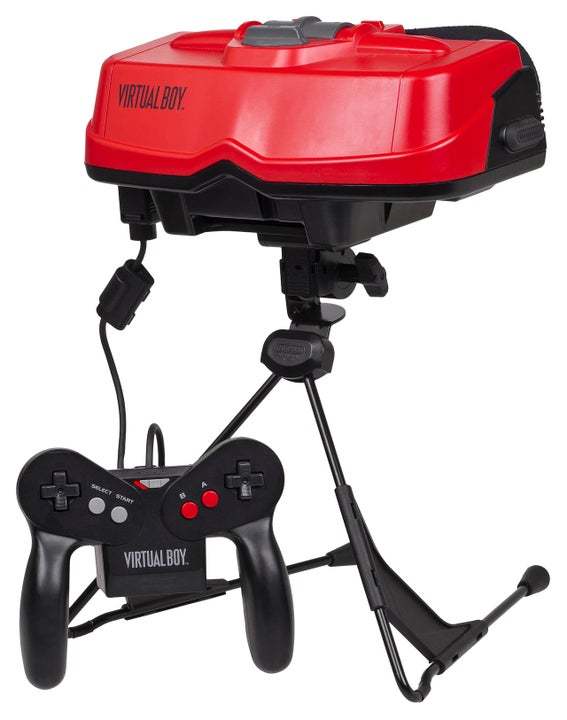
◆ Virtual Boy — August 14, 1995
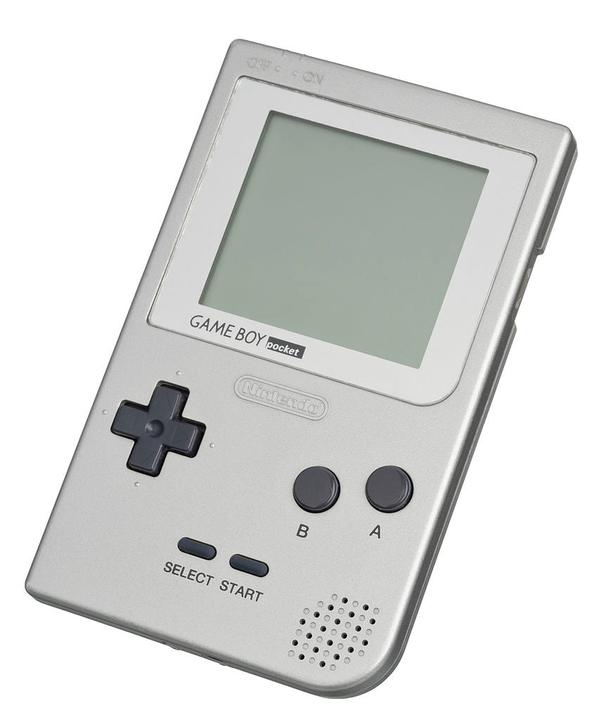
◆ Game Boy Pocket — September 3, 1996
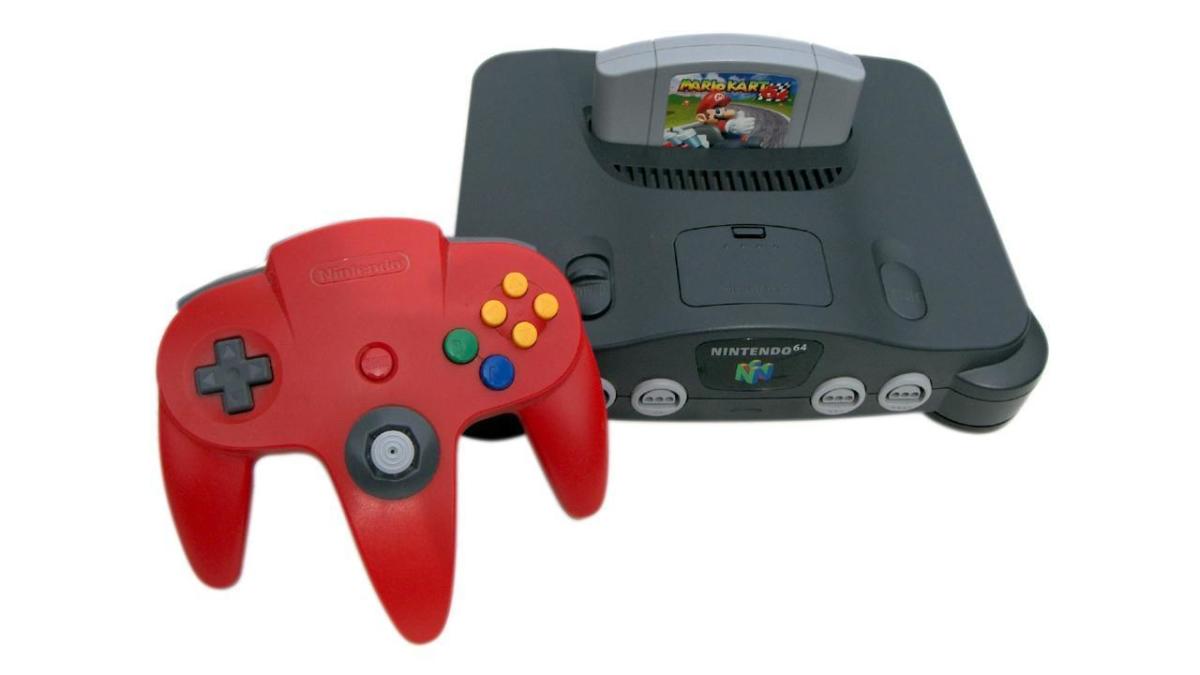
◆ Nintendo 64 — September 29, 1996
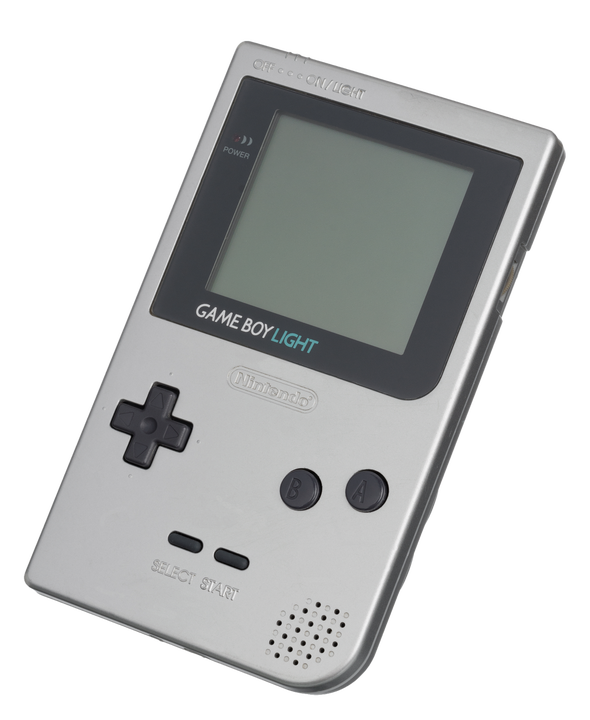
◆ Game Boy Light — April 14, 1998 (Japan only)
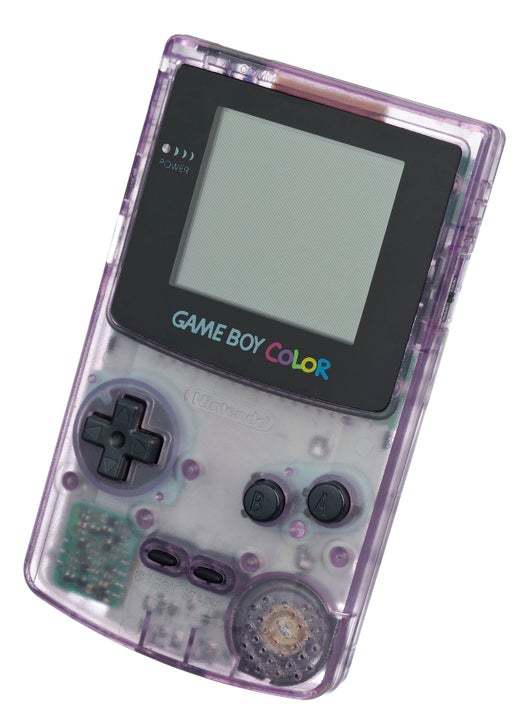
◆ Game Boy Color — November 18, 1998
◆ Game Boy Advance — June 11, 2001
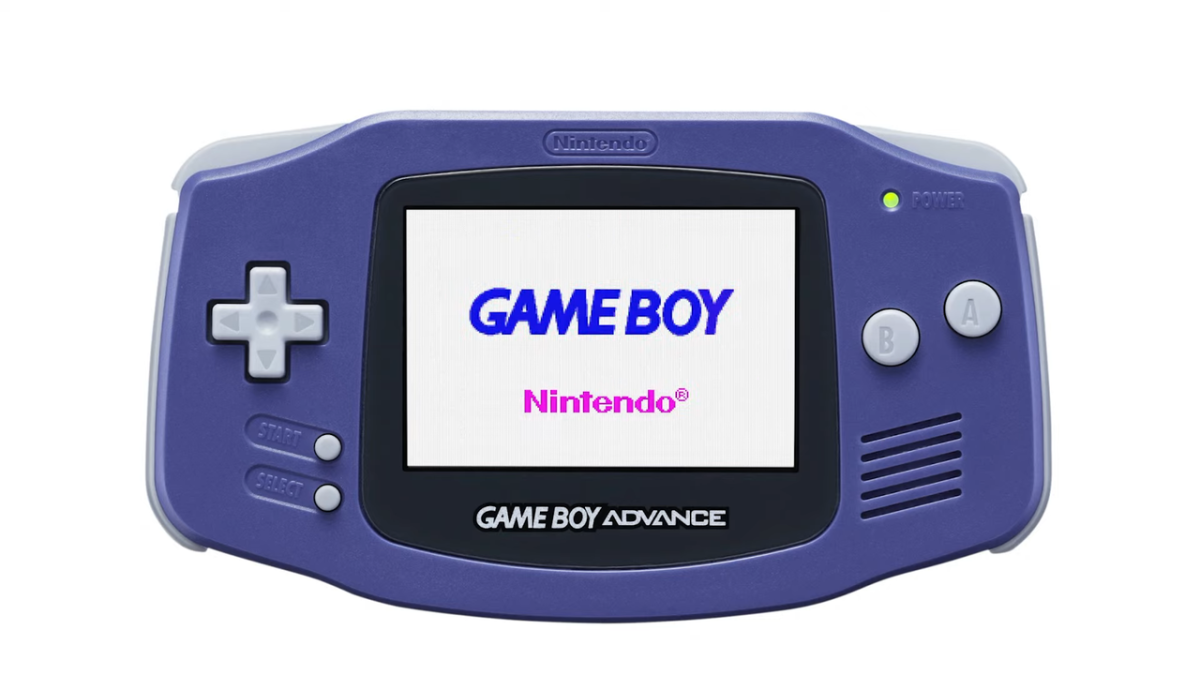
Later, despite earning widespread praise for its performance and controller design, the [[OBJ_4696]] failed to achieve massive market success. Its stumble wasn't due to a lack of quality but a failure to meet player demands for multimedia features and online services. This taught Nintendo a critical lesson: innovation must be intuitive and aligned with what players actually want.
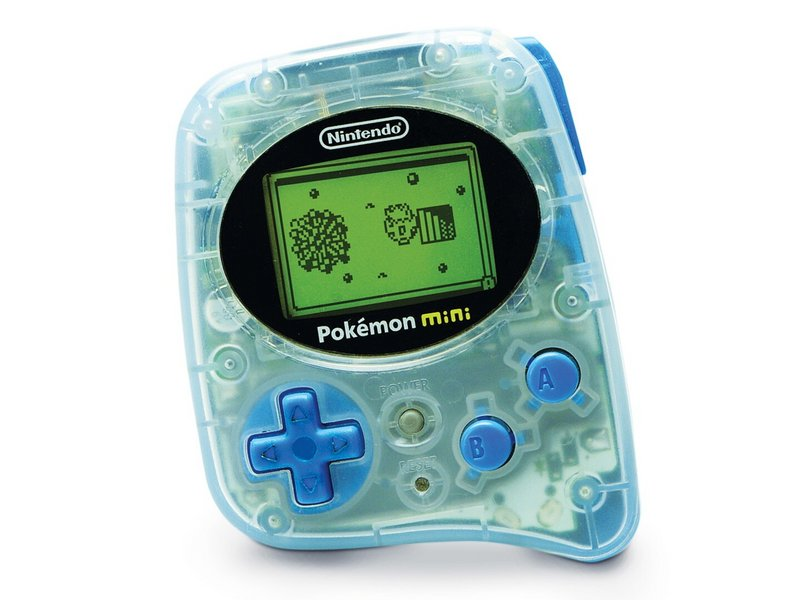
◆ Pokémon mini — November 16, 2001
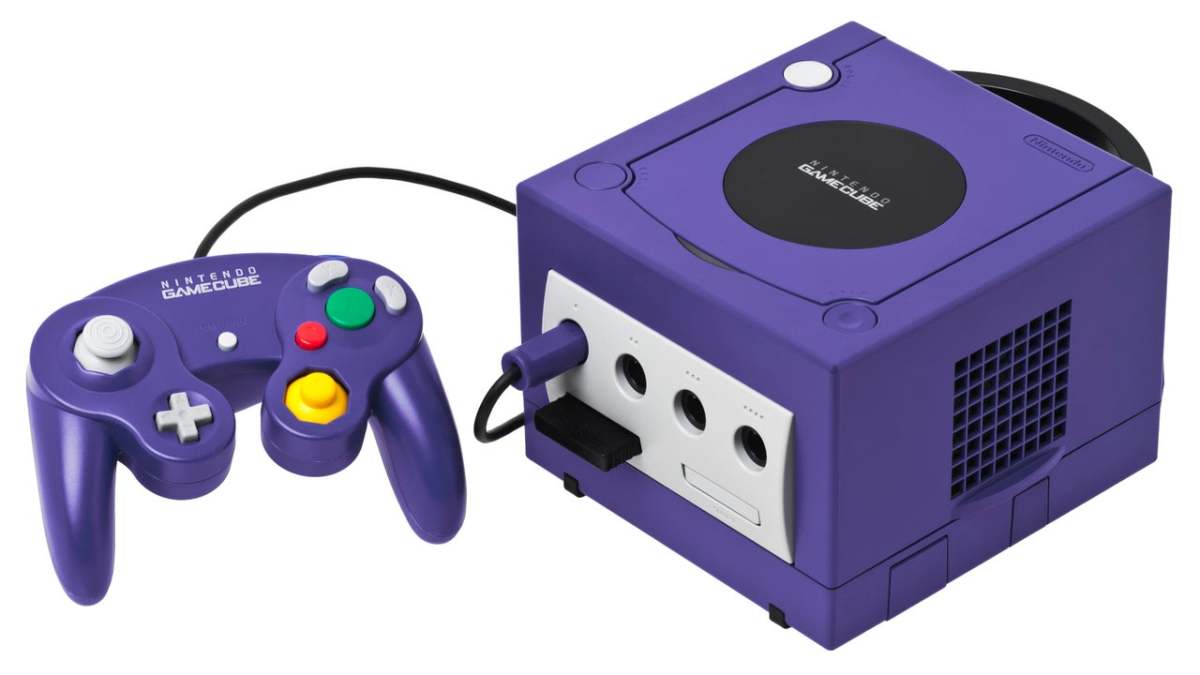
◆ Nintendo GameCube — November 18, 2001
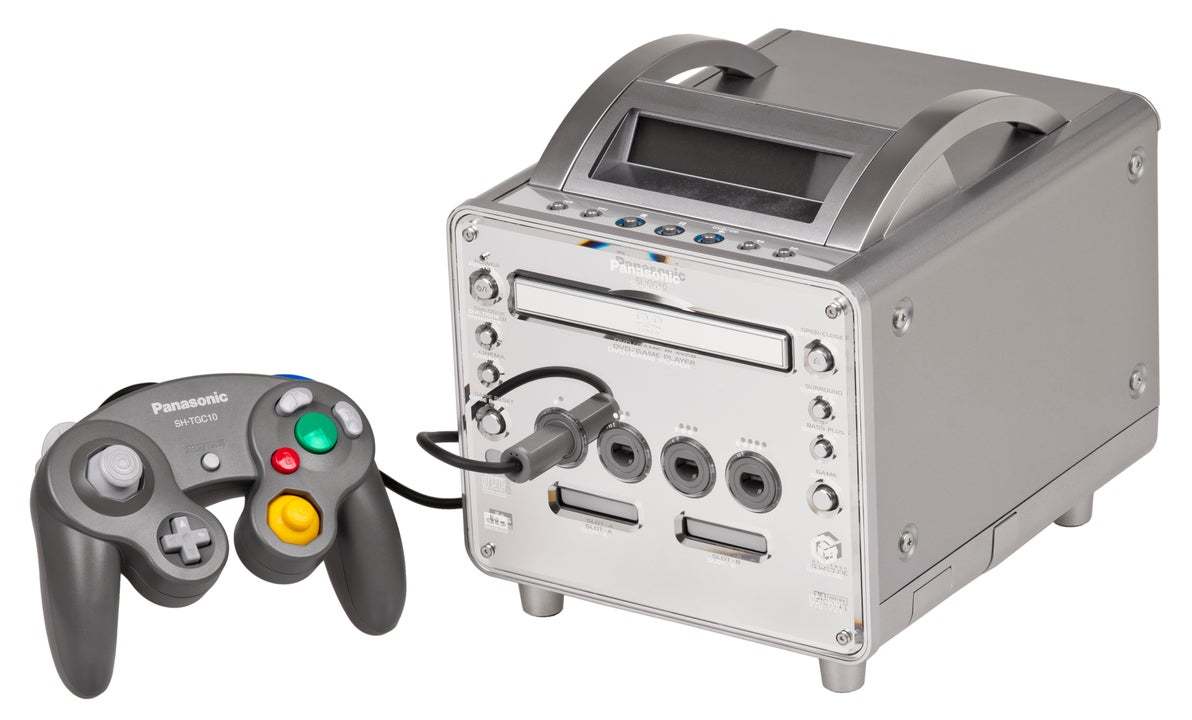
◆ Panasonic Q — December 14, 2001
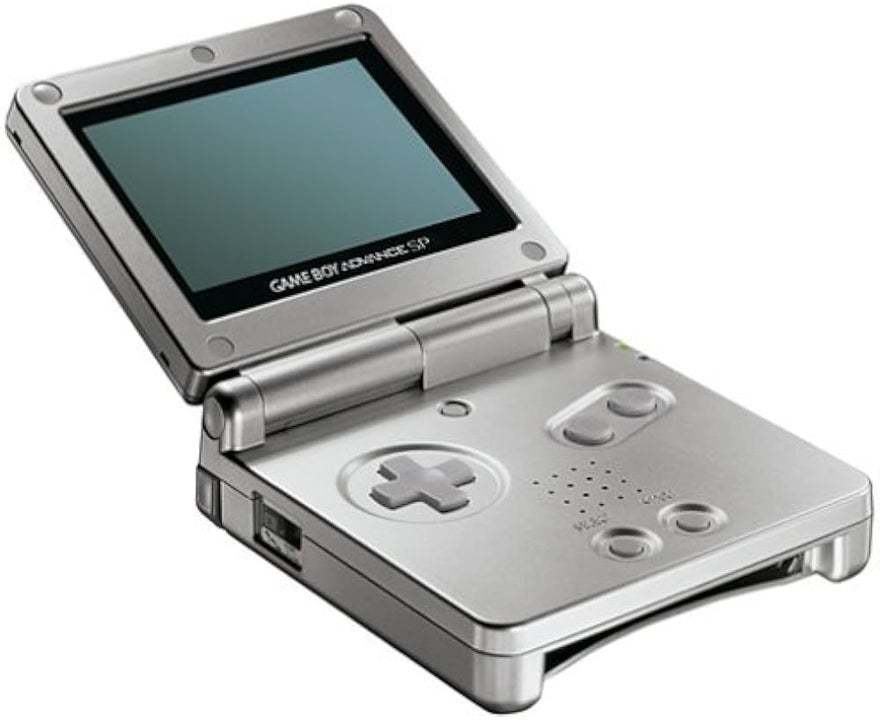
◆ Game Boy Advance SP — March 23, 2003
The Golden Decade: The Wii Revolution and the DS Dynasty
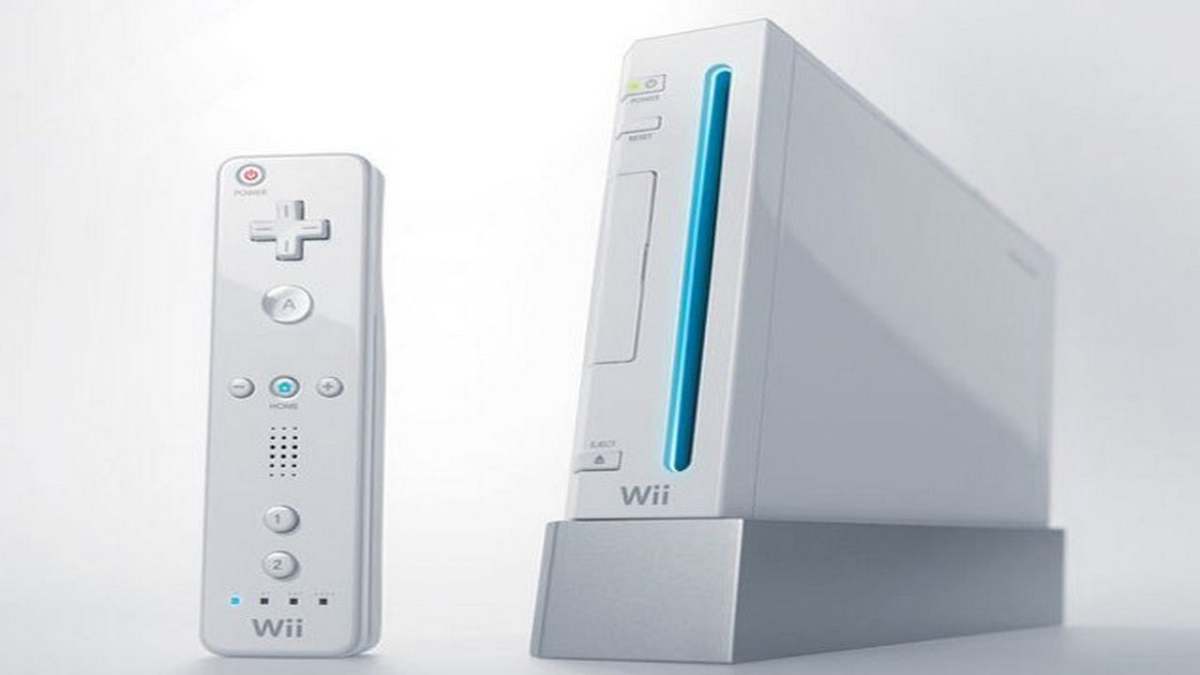
The launch of the Wii in 2006 ushered in another golden age for Nintendo. With its intuitive motion controls and a focus on family entertainment, the Wii shattered the boundaries of the traditional hardcore gaming market, bringing consoles into living rooms and even the daily lives of seniors. That same year, the Nintendo DS, with its dual-screen and stylus design, once again proved Nintendo's untouchable dominance in the handheld arena.
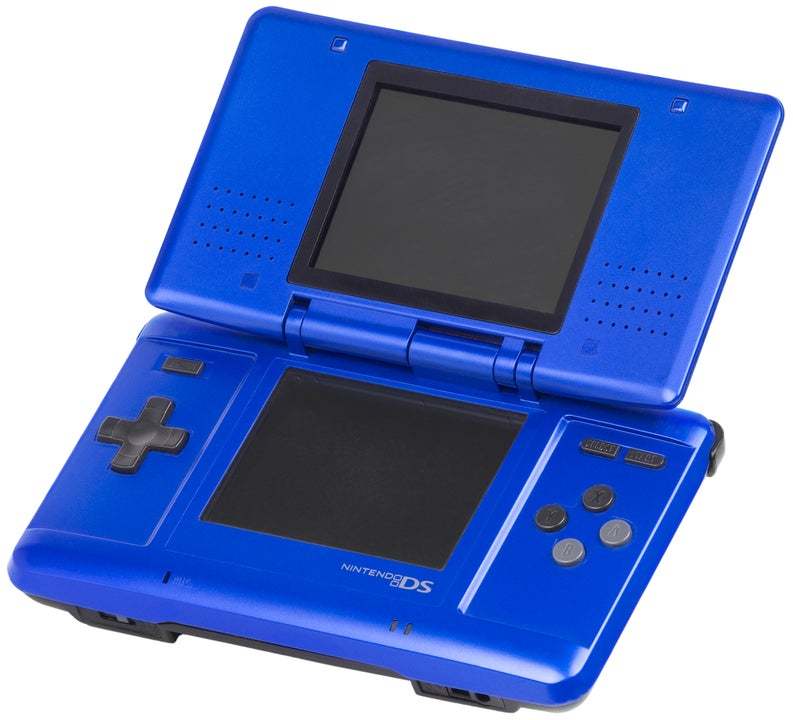
◆ Nintendo DS — November 21, 2004
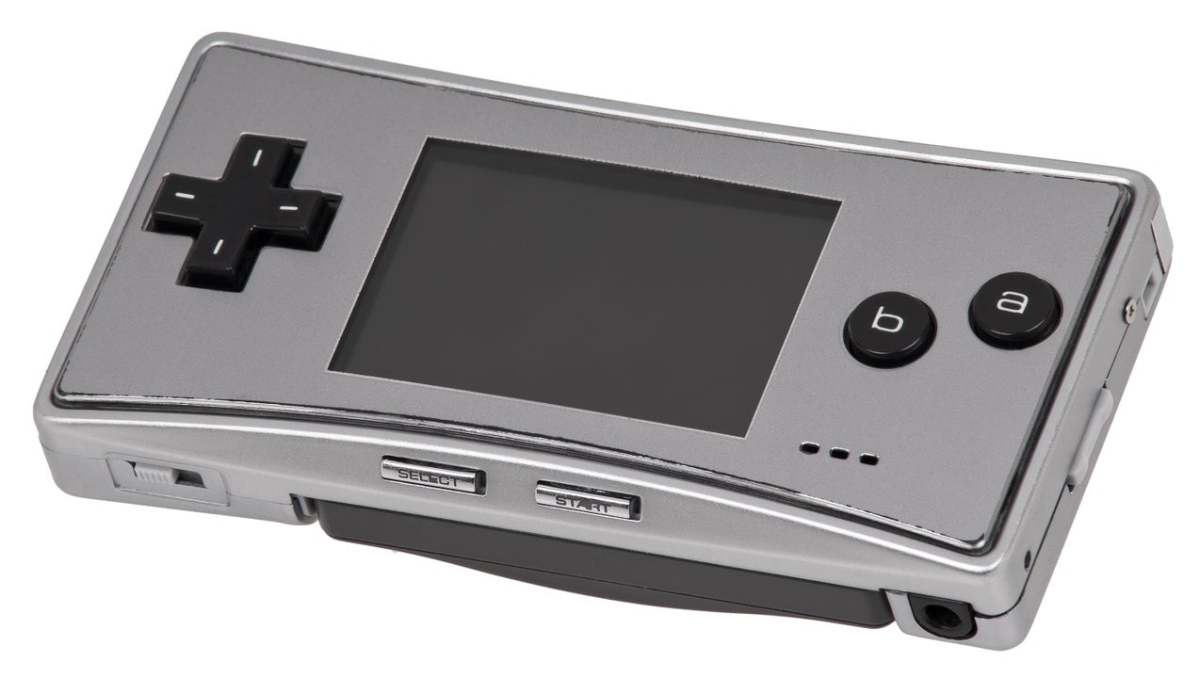
◆ Game Boy Micro — September 19, 2005
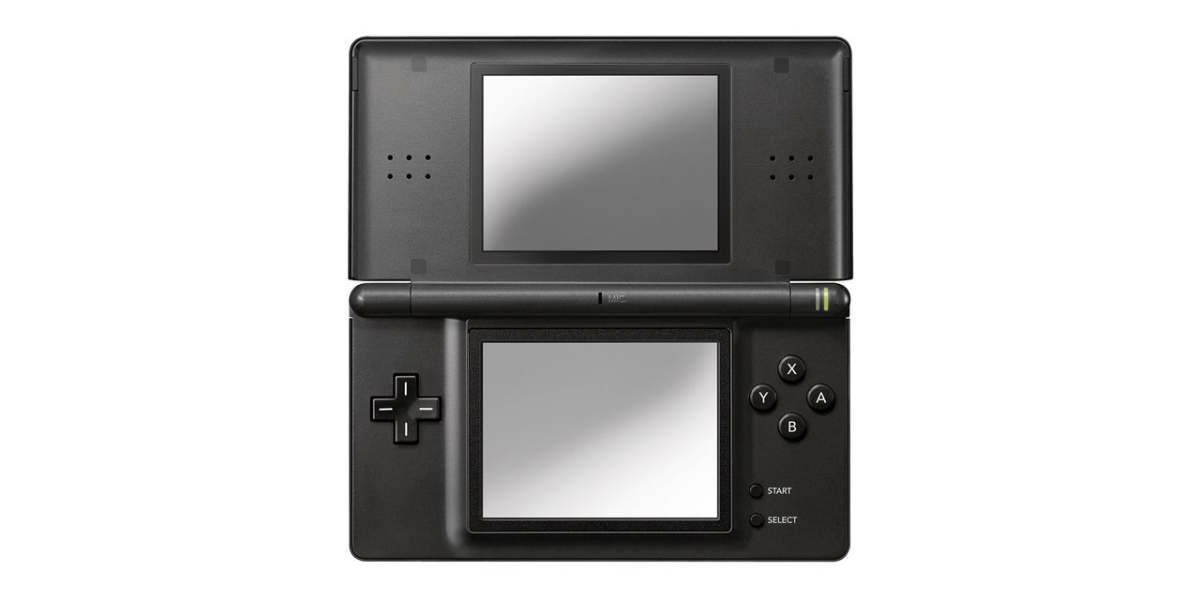
◆ [[OBJ_7628]] — June 11, 2006
◆ Nintendo Wii — November 19, 2006
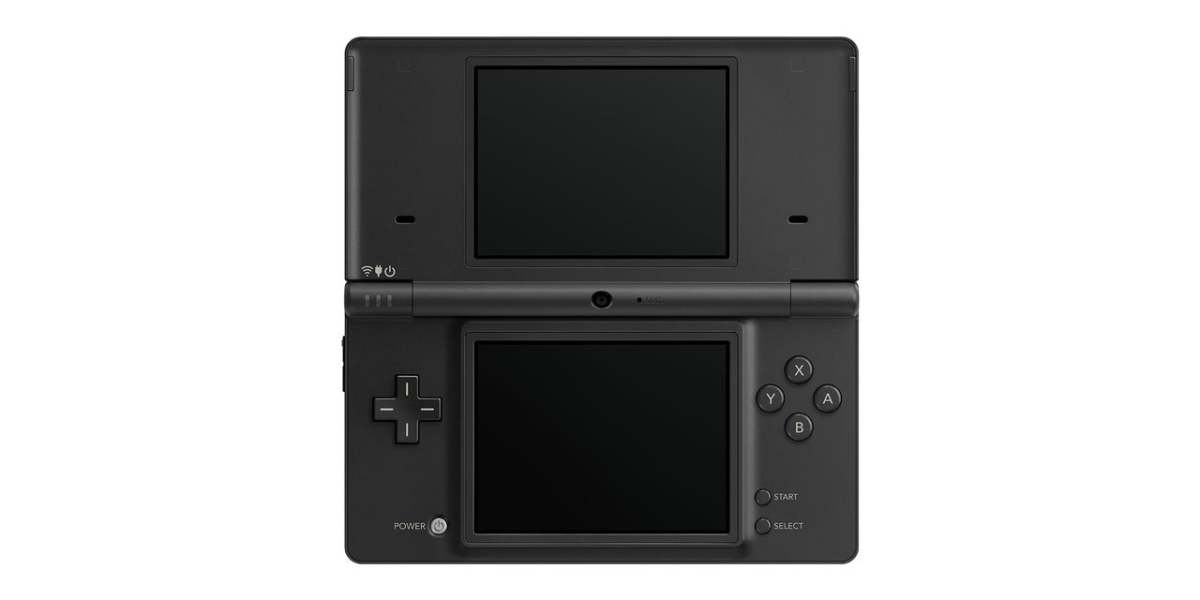
◆ Nintendo DSi — November 1, 2008
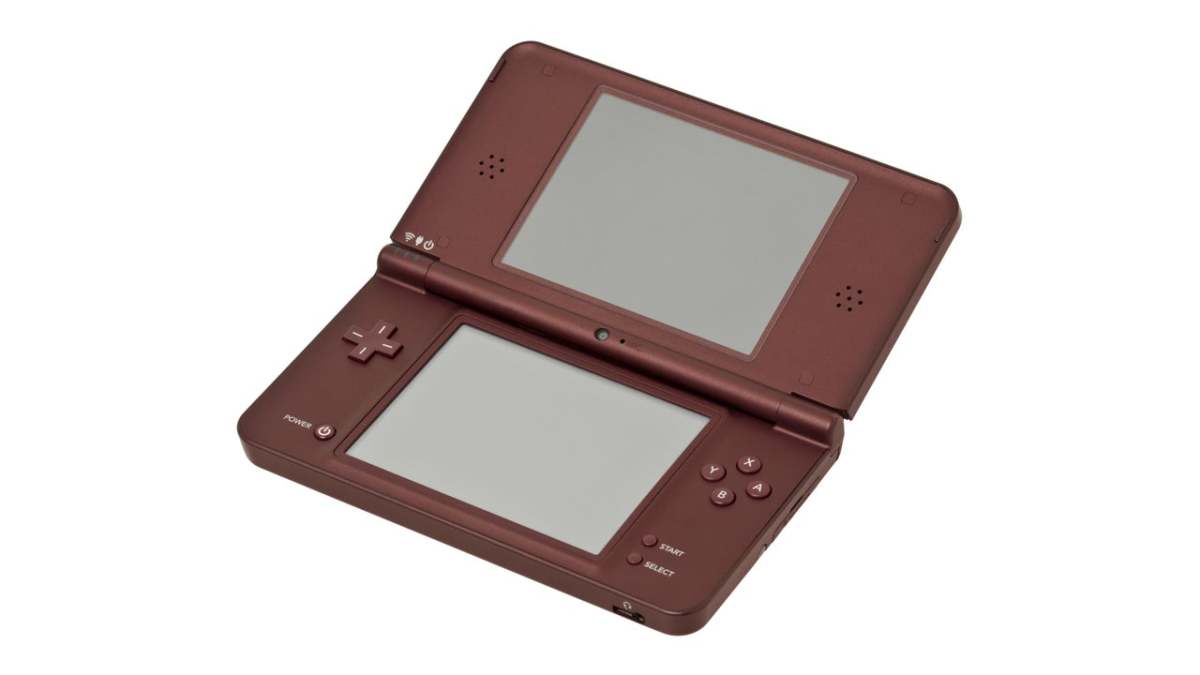
◆ Nintendo DSi XL — November 21, 2009
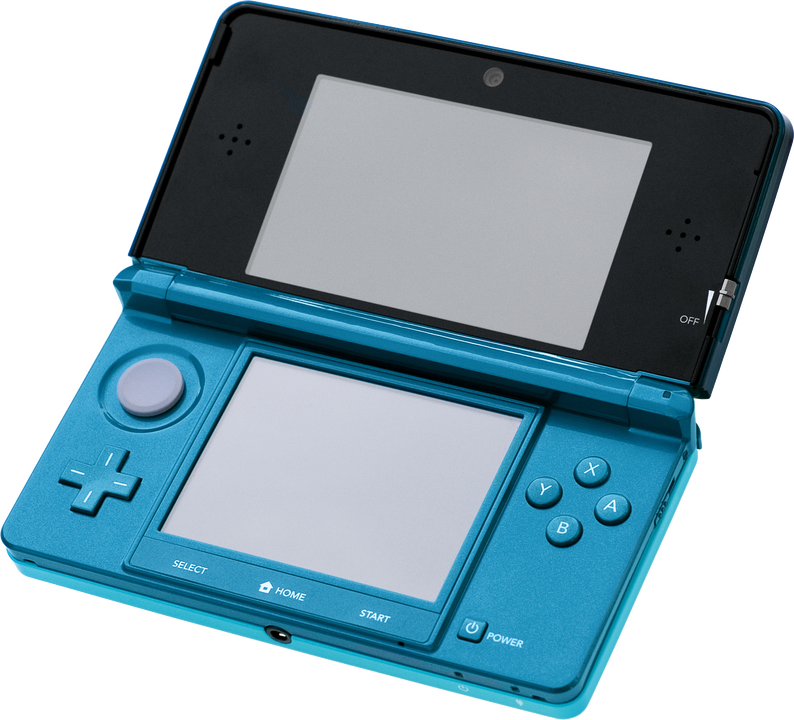
◆ Nintendo 3DS — March 27, 2011
◆ Nintendo 3DS XL — August 19, 2012
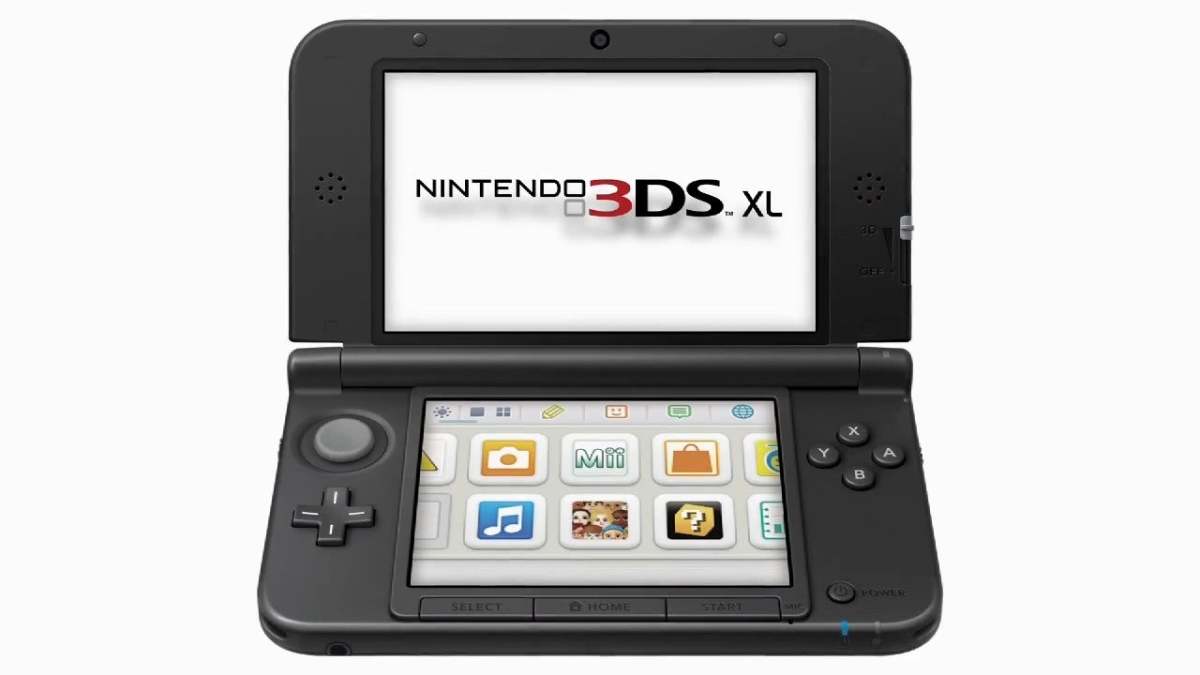
During this period, Nintendo wasn't competing on raw hardware specs. Instead, it invested in revolutionizing control schemes, game design, and lifestyle applications, carving out a unique path in the tech world.
From Stumble to Stardom: The Wii U and the Switch
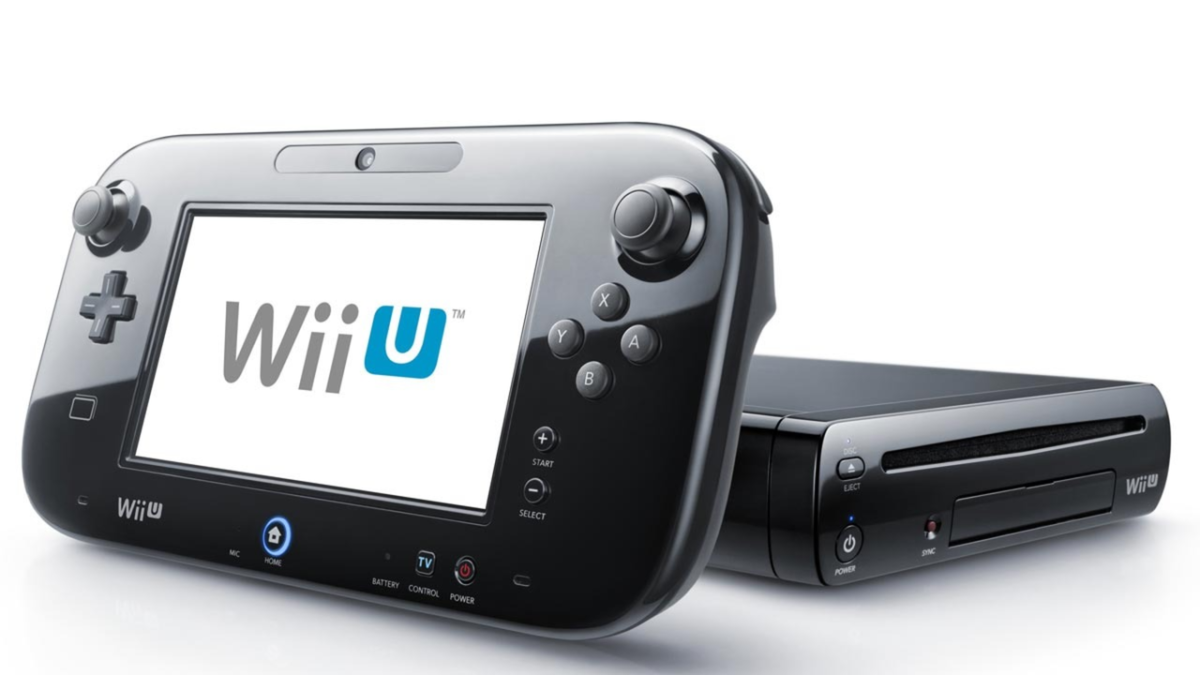
The Wii U, released in 2012, is widely considered one of Nintendo's rare commercial failures. Despite hosting excellent titles like Super Mario 3D World and Xenoblade Chronicles X, its confusing market positioning and lack of third-party support led to dismal sales.
◆ Nintendo Wii U — November 18, 2012
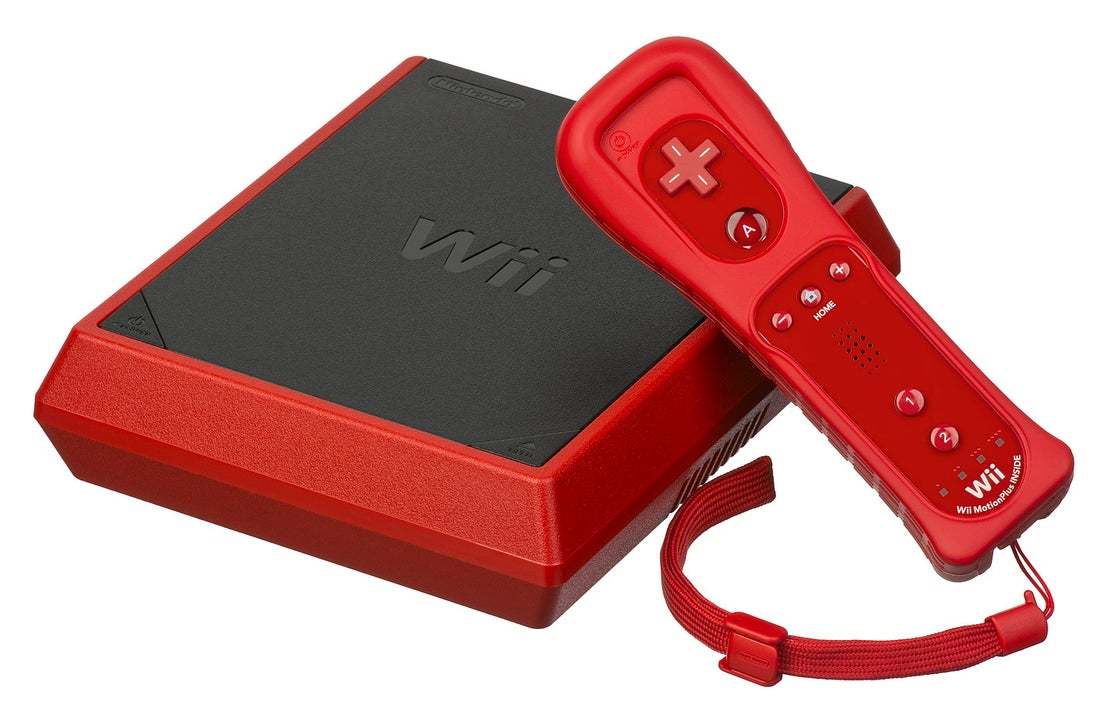
◆ Nintendo Wii Mini — December 7, 2012
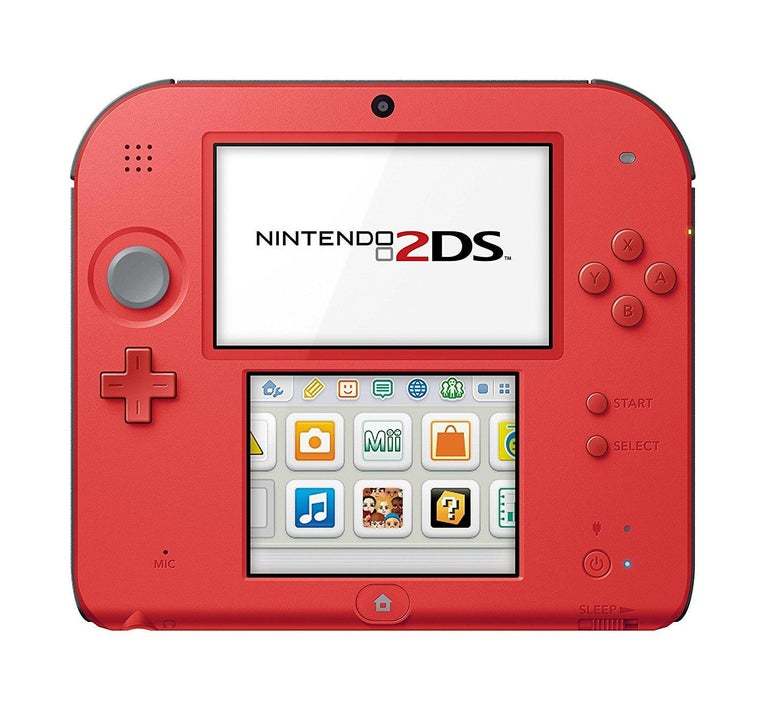
◆ Nintendo 2DS — October 12, 2013
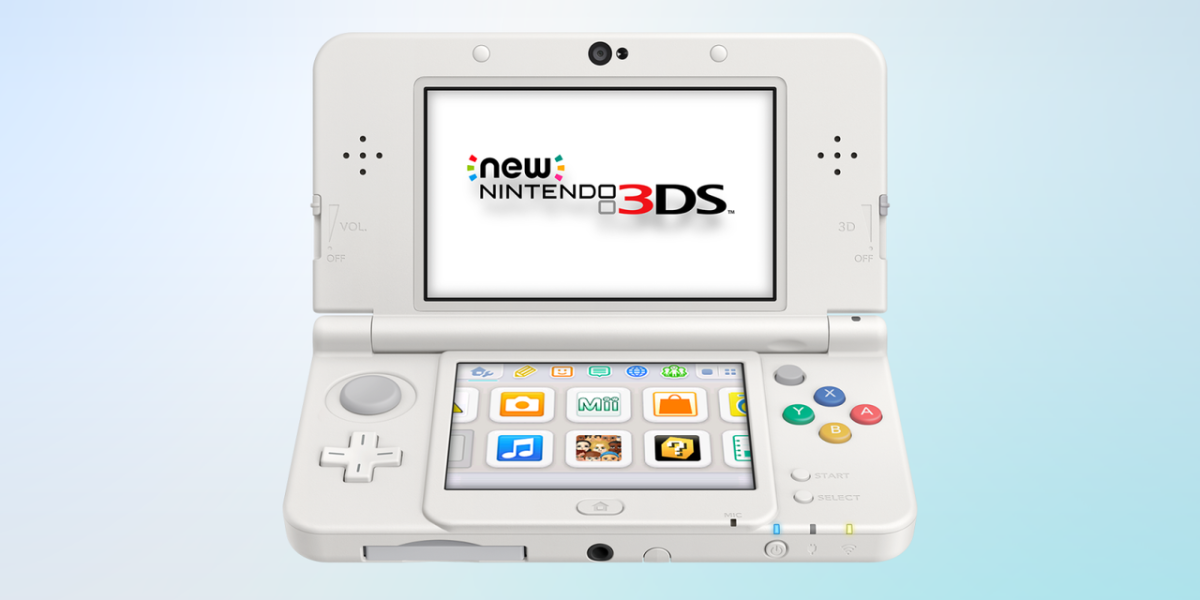
◆ New Nintendo 3DS — October 11, 2014
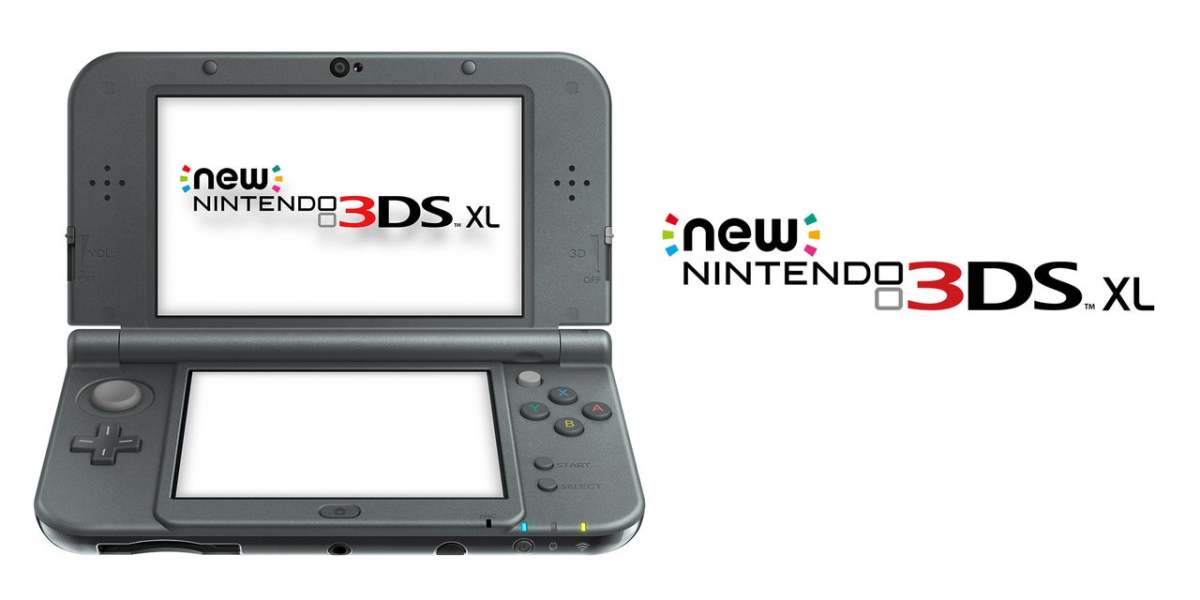
◆ New Nintendo 3DS XL — February 13, 2015
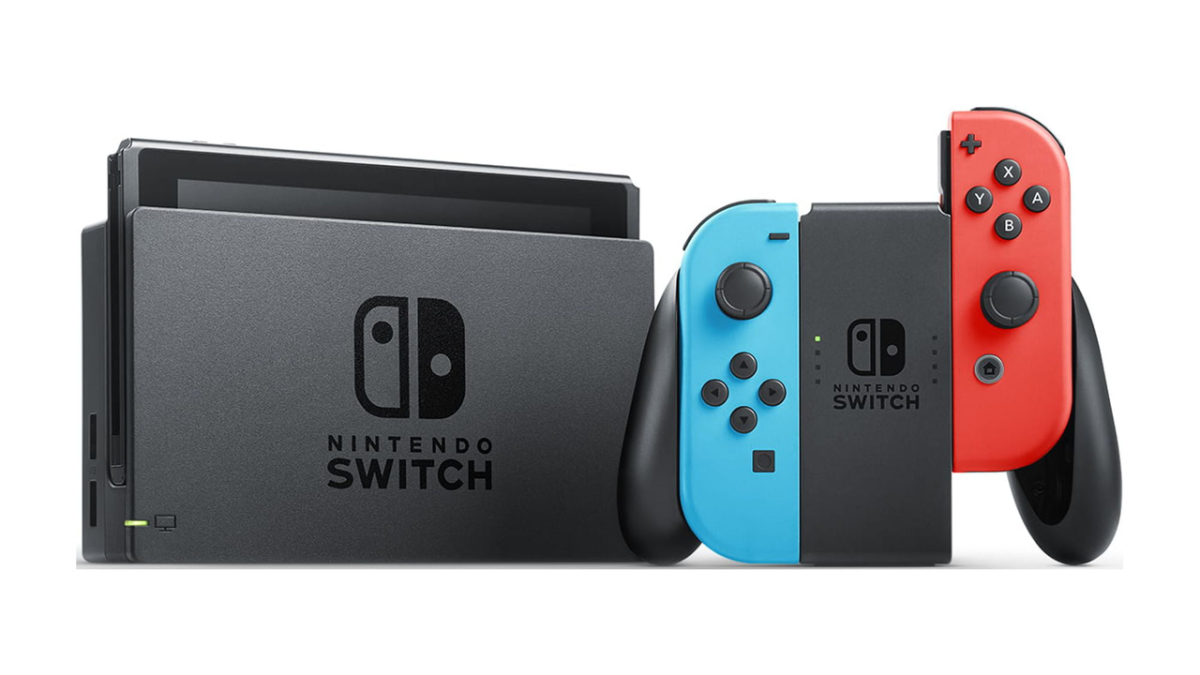
But failure became the catalyst for a massive comeback. The Nintendo Switch, launched in 2017, took the Wii U's "home console + handheld" concept and perfected it. Its portable design, detachable Joy-Con controllers, and a stellar lineup of first-party games made the Switch one of Nintendo's most successful consoles ever.
◆ Nintendo Switch — March 3, 2017
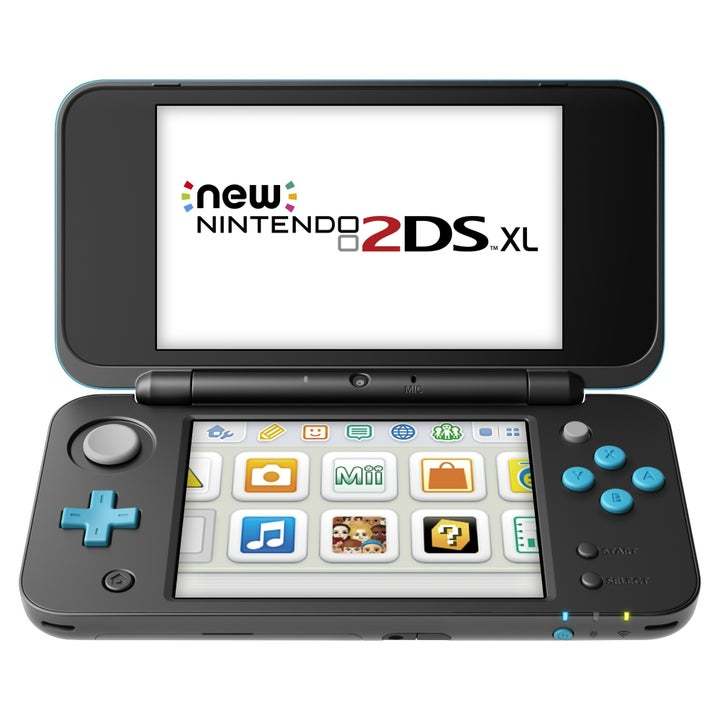
◆ New Nintendo 2DS XL — July 28, 2017
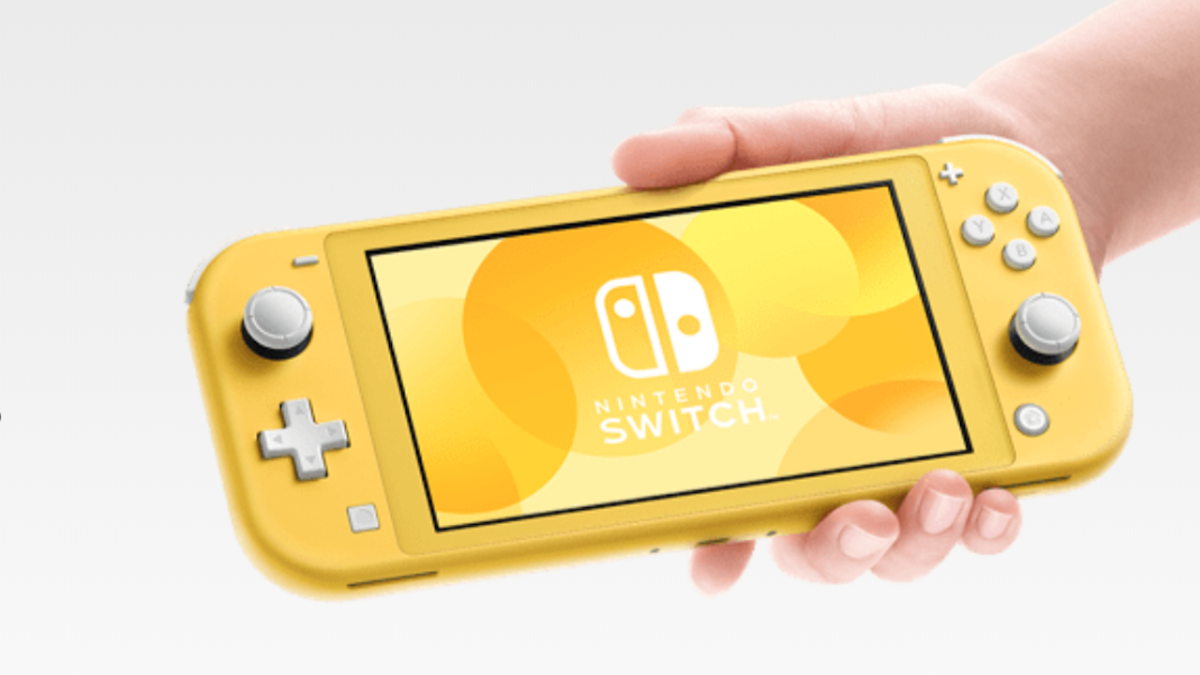
◆ Nintendo Switch Lite — September 20, 2019
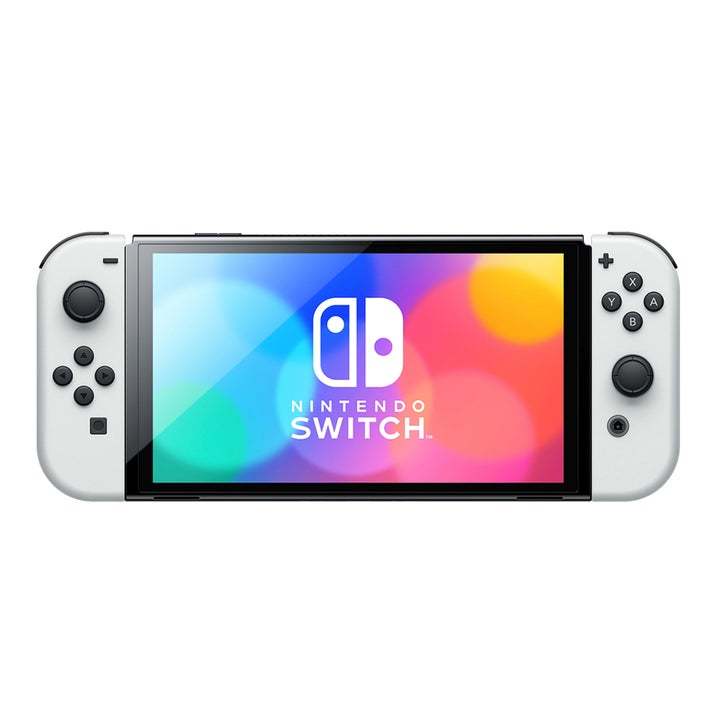
◆ Nintendo Switch (OLED Model) — October 8, 2021
 Entering a New Era: The Ambition of the Switch 2
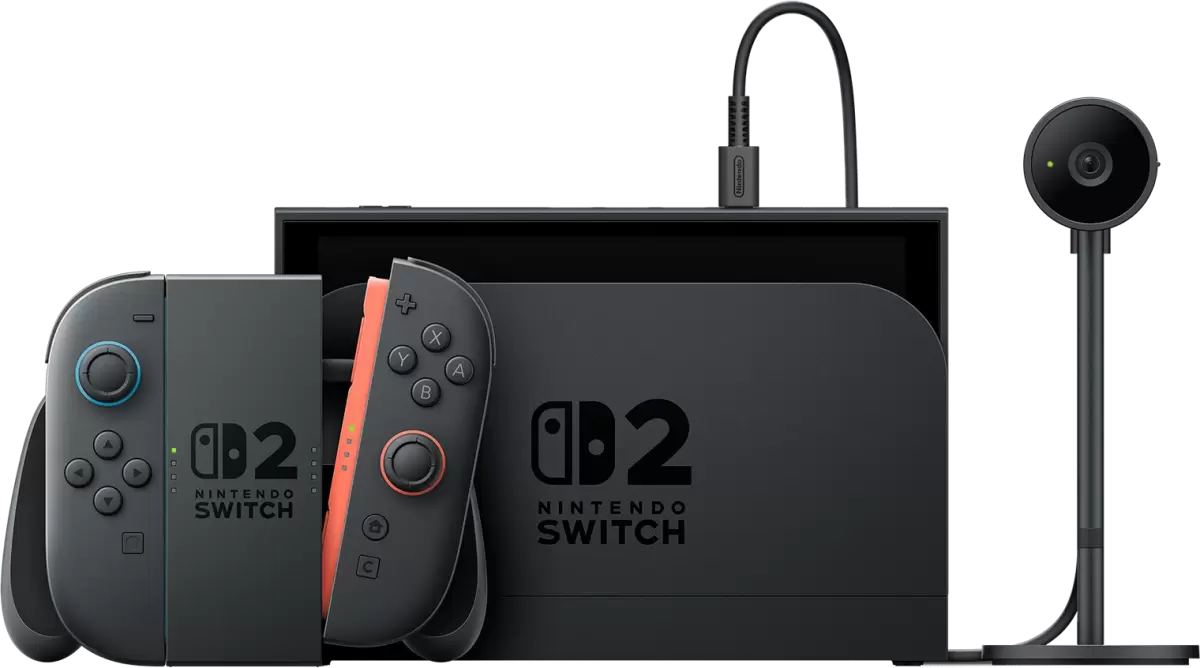
Eight years after the original Switch, the Switch 2 arrives with sky-high expectations. The new model isn't just an upgrade; it's a complete reimagining, reportedly featuring an HDR screen, magnetic Joy-Cons, a new "C" button for GameChat functionality, and a significant boost in storage capacity to match next-gen standards.
◆ Nintendo Switch 2 — June 5, 2025
However, Nintendo has never won by chasing specs. Its core philosophy has always been about gameplay. The success of the Switch 2 will ultimately depend on whether it can once again deliver a fresh, exciting, and completely new way to play.
Conclusion
From the 8-bit Famicom to the widescreen HDR of the Switch 2, Nintendo's consoles don't just document technological progress; they represent a cultural legacy. Gaming has never been just a race for higher resolutions and better performance. It's a language of creativity and shared experiences—and Nintendo is still telling the story, with gamers everywhere listening intently.