

As the launch of Nintendo's next-gen console, the Nintendo Switch 2, draws closer, its unique "Game-Key Card" system has become a hot topic. Recently, Capcom confirmed in its latest financial report that sales of games like "Street Fighter 6" via Game-Key Cards will be categorized as digital sales. This revelation has sparked significant debate and concern among industry insiders and players alike.
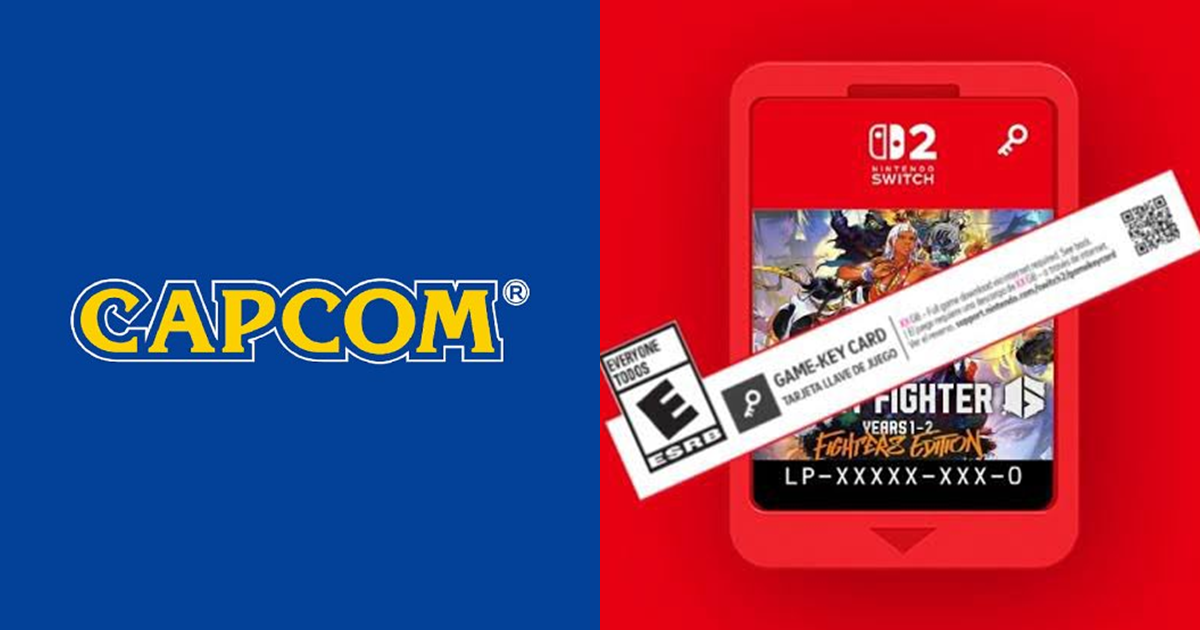
▼Capcom's latest financial Q&A confirms that "Street Fighter 6" Game-Key Card versions for Nintendo Switch 2 will be classified as "digital sales."
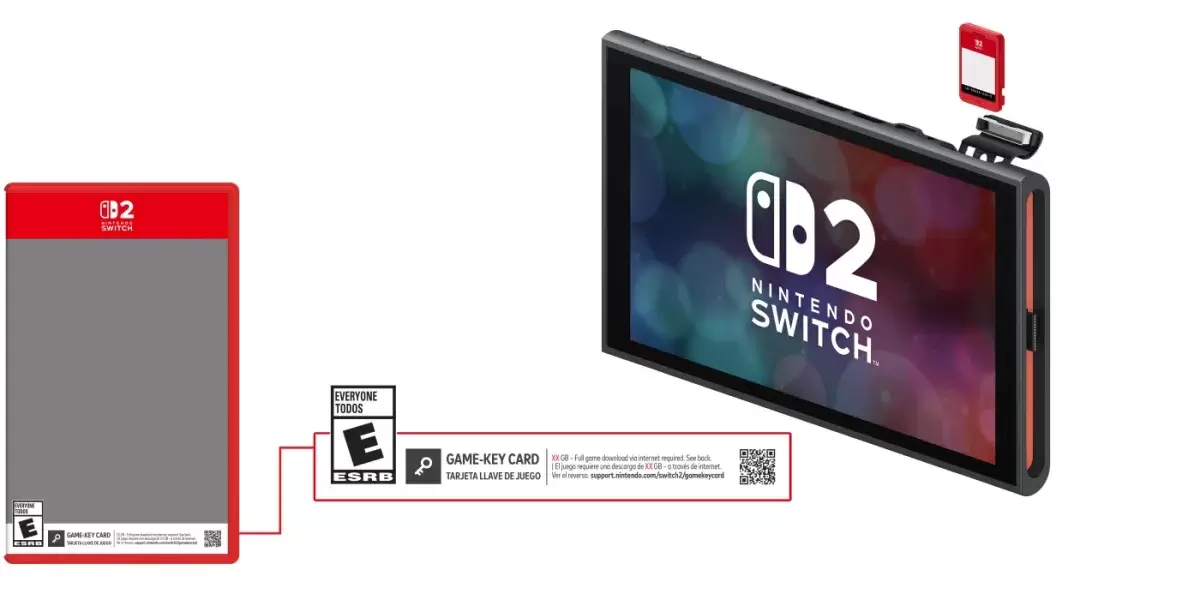
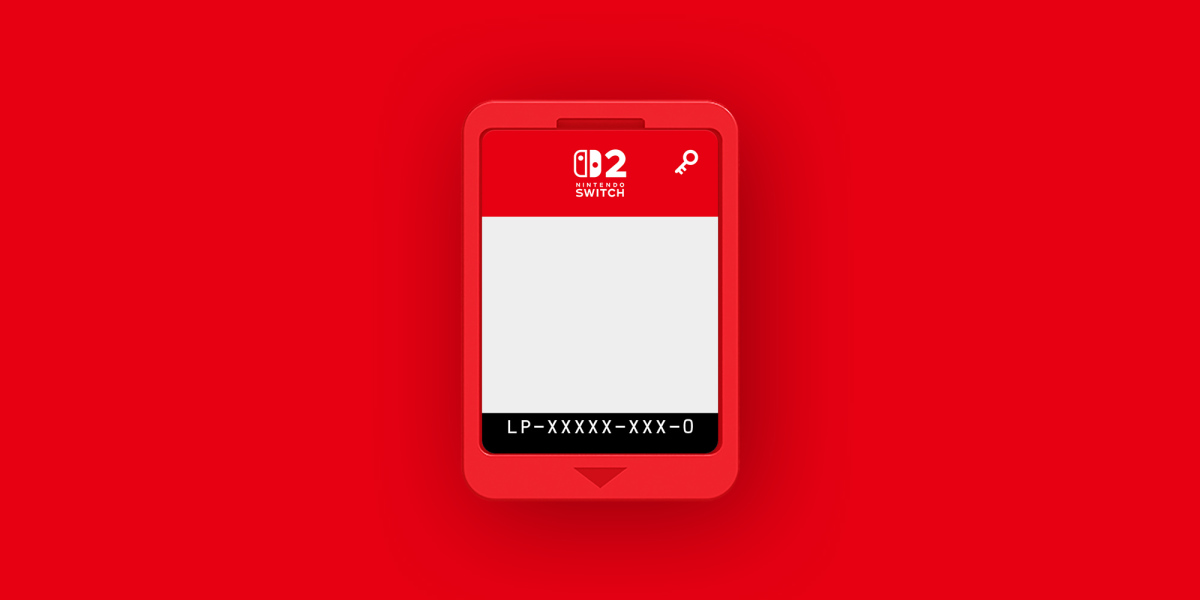
Game-Key Cards are a peculiar form of physical game distribution for the Switch 2. The cards themselves don't contain any game data; they simply hold a digital activation key, requiring players to download the game content online. Unlike standard digital downloads, these key cards can be resold and used on other Switch 2 consoles without relying on a virtual game card lending feature. While this design attempts to preserve some reselling rights for physical games, it has drawn sharp criticism from game preservationists who argue it limits the complete preservation and circulation of games.
Currently, most third-party games are expected to be released in Game-Key Card format, primarily because manufacturers are limited to 64 GB cards, restricting physical media options. This has led to widespread disappointment within the game preservation community, which fears potential damage to the historical preservation and accessibility of games in the future.
Stephen Kick, CEO of Nightdive Studios, the team behind "System Shock remake," didn't mince words in a media interview: "It's disappointing to see Nintendo adopt this approach. As a company with such a rich history, we had hoped they would prioritize game preservation more."
Adding to the chorus of criticism, Alex Hutchinson, former game director for titles like "Far Cry 4" and "Assassin's Creed III," also slammed the key card system, believing it undermines the traditional joy of physical game collecting and community engagement.
"I hate this system. I feel it's making us lose the unique cultural value of the gaming industry, like the fun of swapping Game Boy cartridges at school back in the day," Hutchinson remarked. He also pointed out that Nintendo, with its powerful nostalgic brand, can easily push such policies without facing the severe backlash that a company like Microsoft might encounter.
This ongoing discussion about Game-Key Cards highlights the gaming industry's dilemma in the face of the digital wave. On one hand, digital distribution offers convenience and cost advantages; on the other, game preservation and cultural heritage face new challenges. Finding a balance between convenience and preservation will be a crucial issue for both the gaming industry and player communities moving forward.