

Nintendo's next-generation console, the Nintendo Switch 2, has achieved a miraculous global launch, setting a new record for the biggest launch week sales in US history and sparking a frenzy in Japanese and European markets. However, the performance of third-party games on the new platform is lagging significantly, getting off to a remarkably weak start.
According to a report from The Game Business, with the exception of CD Projekt Red's "Cyberpunk 2077," most third-party titles have failed to meet sales expectations on the Switch 2. The report quotes an anonymous third-party publisher who stated their game's sales were "even lower than our most pessimistic estimates," reflecting how the third-party lineup has yet to capitalize on the hardware's immense popularity.
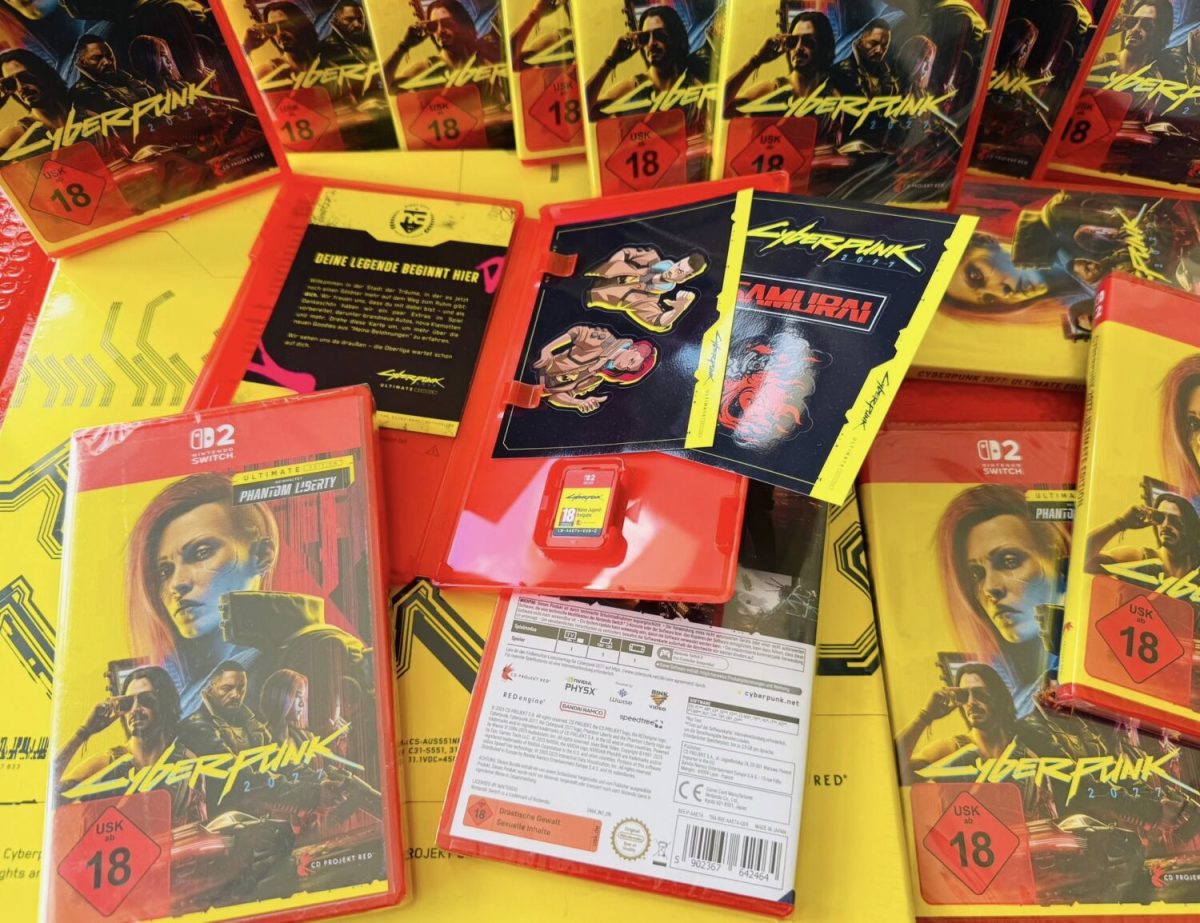
Data reveals that a staggering 62% of physical game sales for the Switch 2 in the US during its first week came from Nintendo's first-party titles. This figure remains incredibly high even when excluding "Mario Kart World," which was widely available as a console pack-in. According to market research firm Circana, "Mario Kart World," "Cyberpunk 2077," and "The Legend of Zelda: Tears of the Kingdom" were the top three best-selling physical games for the week.
In the UK, NielsenIQ data indicates that first-party Nintendo games accounted for 86% of all physical sales when including the "Mario Kart World" bundle. Even without the bundled version, the figure stood at 48%. Among third-party titles in the UK, "Cyberpunk 2077" also secured the top spot by a wide margin.
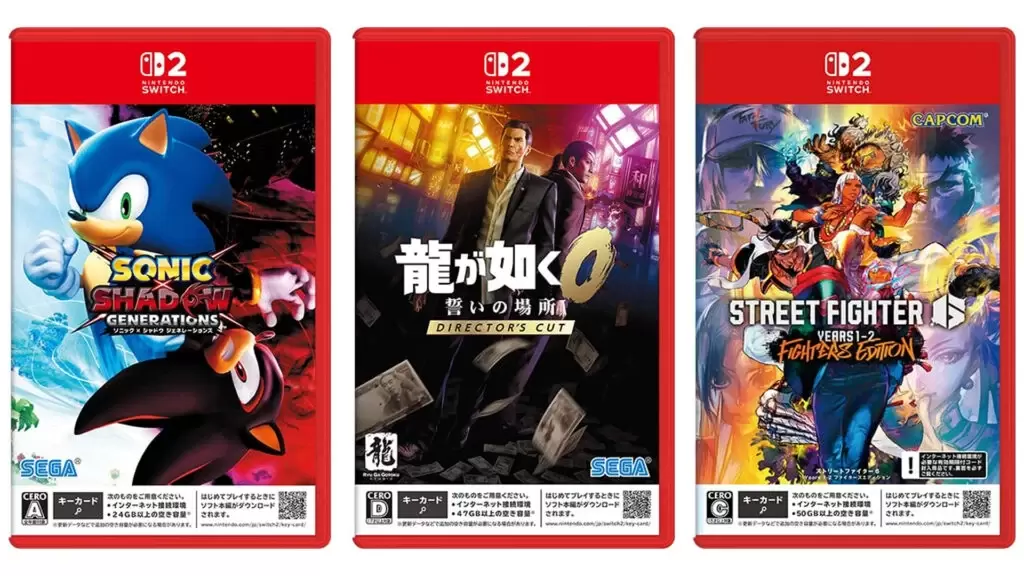
Several factors may be contributing to this sluggish start for third-party games:
1. The Powerful Bundle Effect: Many new owners received "Mario Kart World" bundled with their Switch 2, reducing their immediate incentive to purchase other games.
2. Backwards Compatibility Is a Major Draw: The Switch 2 supports the original Switch library, and with up to 12 first-party titles receiving free performance enhancements, players have a vast catalog of optimized games to enjoy right away.
3. Lack of Reviews and Trust in New Formats: A shortage of media reviews and consumer unfamiliarity with the new "Game-Key Card" format has led to a lack of confidence in new third-party offerings.
4. A Slate of Older Ports: Many of the third-party launch titles were not new releases, but rather ports of games already available on other platforms, diluting their market impact.
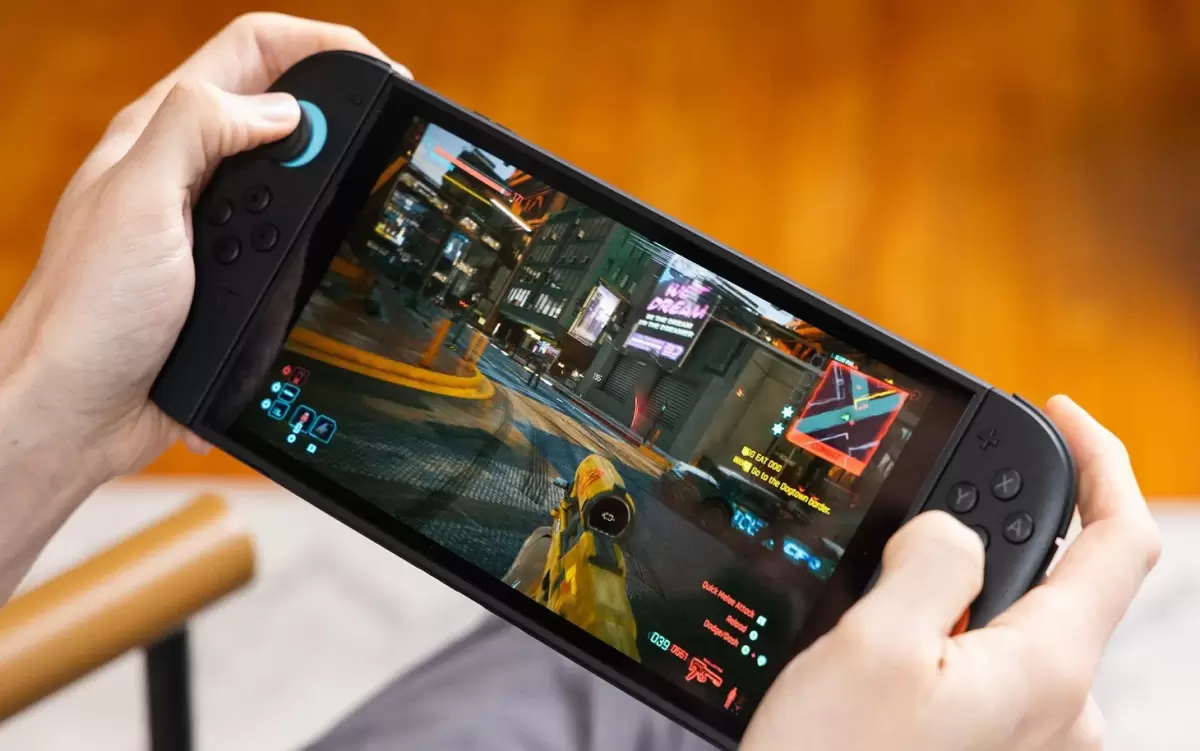
Despite the lackluster debut for the third-party list, industry observers believe that performance will improve in the medium to long term as the game library expands, high-quality cross-platform titles are released, and positive word-of-mouth builds within the gaming community.
In terms of overall console sales, the Switch 2 sold 3.5 million units globally in just four days, marking Nintendo's fastest and largest launch ever. This figure notably surpasses the PlayStation 5, which shipped 3.4 million units in its first four weeks (though its launch was hampered by stock shortages). Furthermore, Japanese outlet Famitsu reported that the Switch 2 sold 947,931 units in Japan during its first four days, an exceptionally strong start rarely seen in the region.
While the third-party lineup still needs to find its footing, Nintendo's own powerful IP portfolio and the Switch 2's hardware sales have built a formidable foundation. The industry widely expects that as the platform matures and its software library fills out, third-party games will eventually ride the wave of the hardware's success, diversifying the ecosystem. The slate of multi-platform titles launching in the coming weeks could be a critical turning point for sales.
via: The Game Business