

The third season of Jujutsu Kaisen, kicking off the Culling Game Arc, has finally arrived. Thanks to MAPPA's stellar production and the series' massive popularity, it's one of the most anticipated anime of the season.
A key figure making his return to the TV series after Jujutsu Kaisen 0 is none other than Yuta Okkotsu. Japan's Animate Times sat down with his voice actress, the legendary Megumi Ogata, to discuss her perspective on the character and her experience with the world of Jujutsu Kaisen.
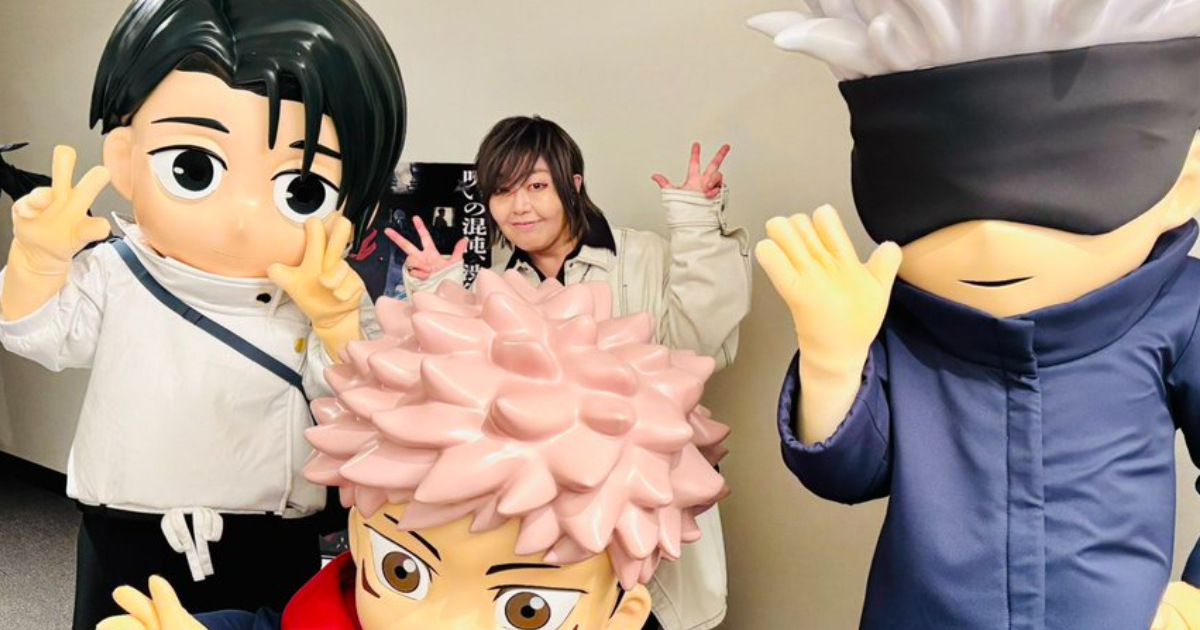
Here’s a breakdown of the interview, with Ogata’s insightful answers to each question.
Q: Season 3 is finally here. At the end of the "Shibuya Incident," Yuta is tasked with executing Yuji Itadori, creating a pretty heavy atmosphere. But we also see a gentler side of him.
Ogata: He might look different on the surface, but on the inside, he hasn't changed at all. I recorded my lines for the "Shibuya Incident" part mostly by myself, and it was over so quickly that it actually surprised me. During Jujutsu Kaisen 0, we spent so much time carefully crafting every single line, so I just assumed this series always took a long time to record (laughs). I remember heading home thinking, "Wait, that's it? Are we sure that was okay?"
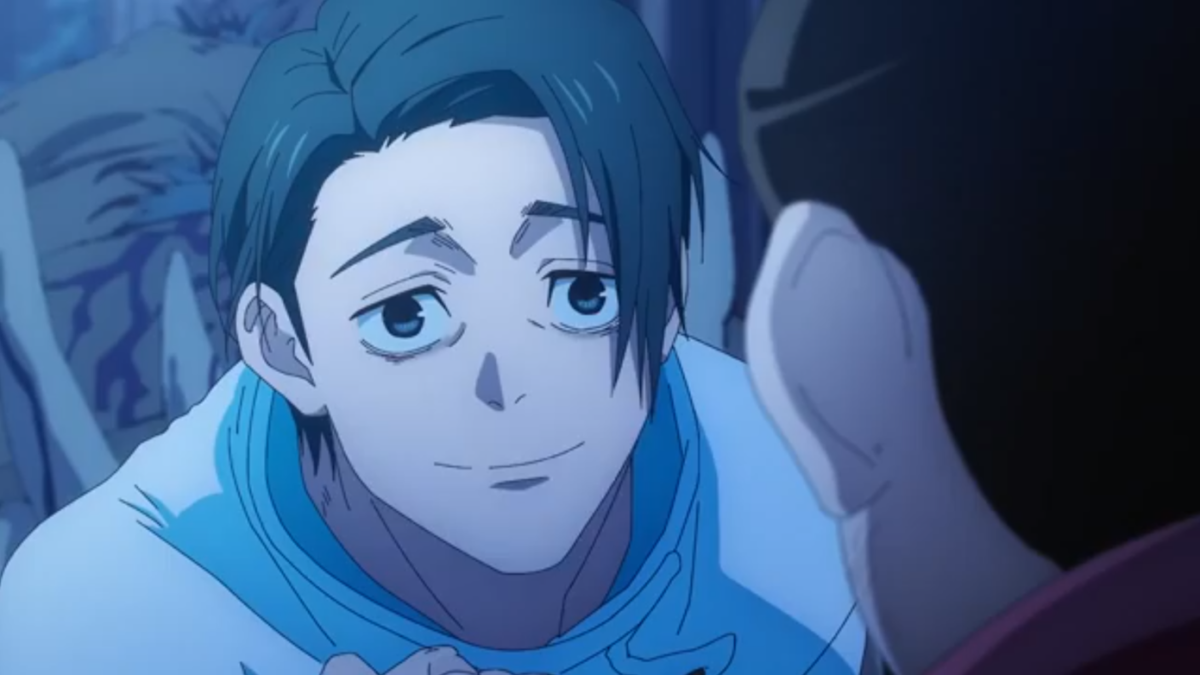
Q: After your experiences with "Jujutsu Kaisen 0" and now the "Culling Game," how do you see Yuta Okkotsu as a character?
Ogata: Yuta is fundamentally the type of person who never rejects others. Of course, it's a different story with Cursed Spirits, but he always prioritizes others over himself. That’s why with Rika, he wasn't thinking, "I need to exorcise her," but rather, "How did this happen? What should I do?" He knew Rika was hurting people around him, and that troubled him deeply, but he never once considered destroying her. He never said anything like that.
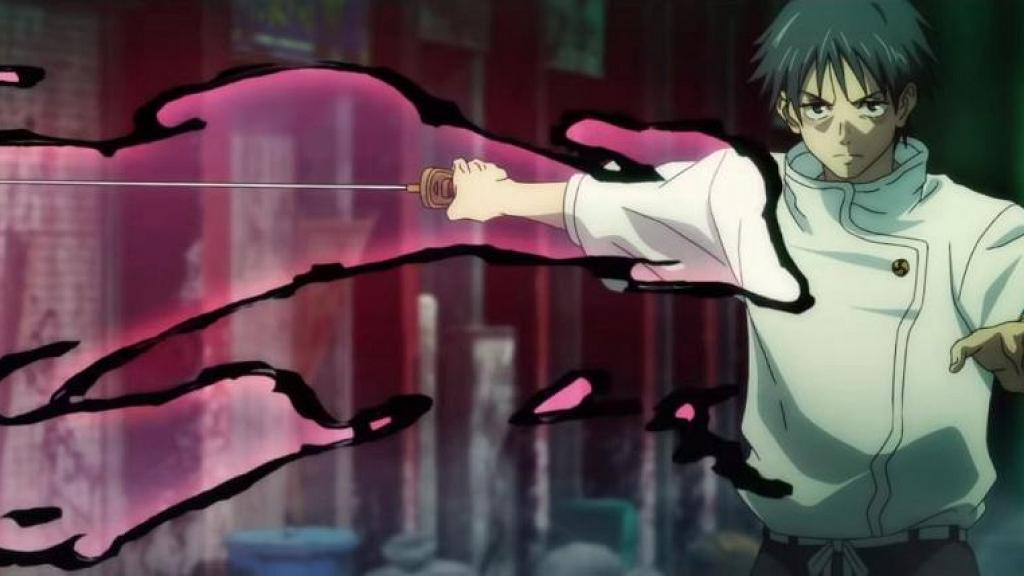
Q: He really is someone who is constantly thinking about others.
Ogata: That line from the Season 3 promo, "Living only for yourself will surely have its limits someday," I feel that’s truly what Yuta believes. And honestly, I feel the exact same way.
When I was younger, I was driven by thoughts like, "I need to make a living in this industry," "I want a regular role," "I want to be the main character," "I want to be recognized." But at a certain point, I suddenly felt that—just trying to satisfy my own desires, I couldn't take another step forward.
Q: What's your take on that "limit" Yuta talks about?
Ogata: It's actually pretty natural, because this is work that we all accomplish together. "For the sake of others" might sound selfless, but frankly, even from a business perspective, our job is to create something that "makes the audience happy."
I moved past the phase of living only for myself a long time ago, probably 20 or 30 years ago. In that respect, I feel like my thinking is very similar to Yuta's.
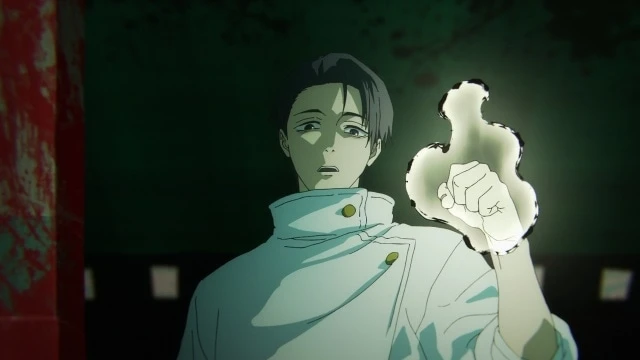
Q: From an outside perspective, you seem to really value "serving the work."
Ogata: Anime is a team effort. It's not just among the actors, but also with the sound team and the animation team. If the performance doesn't match the visuals, it's meaningless. We have to integrate everything so the audience can enjoy it. We want them to forget their troubles for a little while, or go home feeling like, "I can try a little harder tomorrow"—that's our job.
It's very direct with something like a live concert. The staff and musicians work together, and when we see the audience say, "I feel healed," or "I can smile again tomorrow," we'll do anything to see those expressions. That said, Yuta is much more of a self-sacrificing type than I am. I'm not like that at all (laughs).
Q: But in the end, doesn't it still come back to being "for yourself"?
Ogata: Exactly. You work together with everyone to fulfill your own desires. No one accomplishes anything entirely on their own. So when I think about it, I genuinely feel, "Yeah, I think the same way as Yuta." The fact that he's already figured this out as a high school student is what I find so incredible about him.
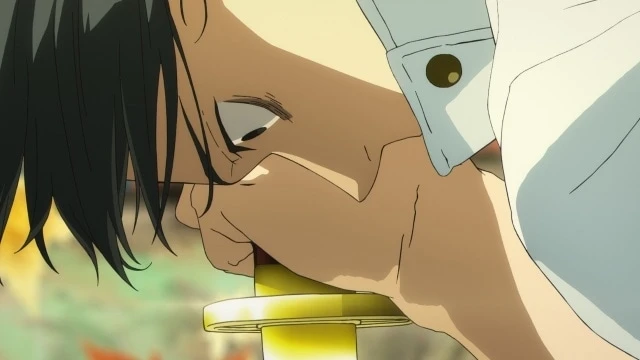
Q: How did you feel about Yuta's encounter with Yuji during the voice recording?
Ogata: We barely had any dialogue, actually (laughs). The power gap was just too wide, and Yuta didn't even break a sweat. Yuji's side had sound effects for dodging, but my side had nothing. You couldn't even call it a proper fight.
Q: After the "Shibuya Incident," Yuji is also carrying a heavy internal burden.
Ogata: Even if it wasn't his intention, he did kill many people with his own hands. The Yuji after that is already severely traumatized. So I didn't see it as "the usual Yuji," but as someone in a very abnormal state of mind.
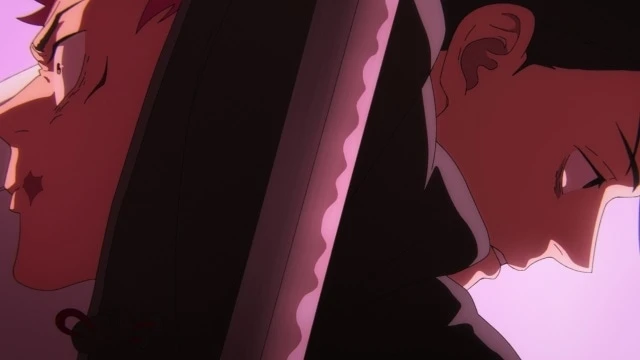
Q: What was your impression of Yoshiko Sakakibara's performance as Master Tengen?
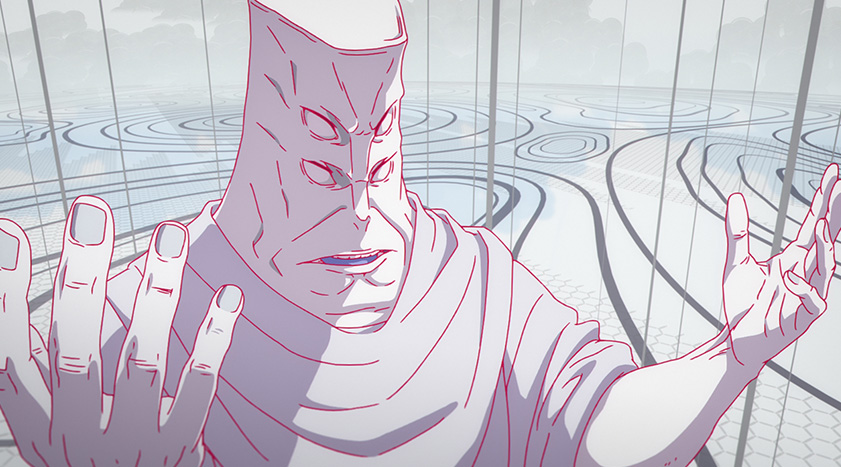
Ogata: For a character like Tengen, this "all-knowing, all-powerful being," the typical anime approach would be to play them as very calm and divine, right? But Ms. Sakakibara didn't do that. Her performance gave me goosebumps. I was thinking to myself, "What did we just listen to?"
Later, the director and sound director said, "Excuse us, but could you make it a bit more subdued?" I thought, "Of course they'd say that," but then Ms. Sakakibara explained that she wanted to portray Tengen as an "existence that encompasses the entire world," containing all emotions within. I only have one word for it: incredible.
Q: Just thinking about a character on that level must be incredibly difficult.
Ogata: The more experienced you become, the easier it is to just rely on past experience. This applies to all jobs, not just acting. But Ms. Sakakibara was still trying to find a "new Tengen." Seeing that kind of challenging spirit from a senior in the industry is truly inspiring. When I left the studio, I sincerely told her, "Thank you, I learned so much."
Q: From your perspective, what's the atmosphere like at the "Jujutsu Kaisen" recording sessions?
Ogata: It's very meticulous and very sincere. Everyone is constantly thinking, "How can we make this work even better?" Even if small problems arise, no one just brushes them aside or overreacts. Instead, they quietly figure out a solution. There's a special kind of chemistry where you can feel that mutual consideration without having to say a word.
Q: Do you think that atmosphere is specific to a series like "Jujutsu Kaisen"?
Ogata: I think so. The characters in Jujutsu Kaisen aren't clingy with each other, and they don't spout clichés like "a powerful enemy is now a friend." But even without words, you can feel their mutual trust. In real life, there's always some distance between people, but the fact that this team can maintain that kind of relationship is, I think, very rare.
Q: What message do you have for the audience?
Ogata: The characters in Jujutsu Kaisen are all pretty much doing their own thing (laughs). They act independently and rarely cross paths, almost like they're all on separate undercover missions. That's precisely why I want to cheer for all of them. Both the characters and the voice actors are giving it their all in their respective roles, and I hope everyone enjoys watching each of them shine.
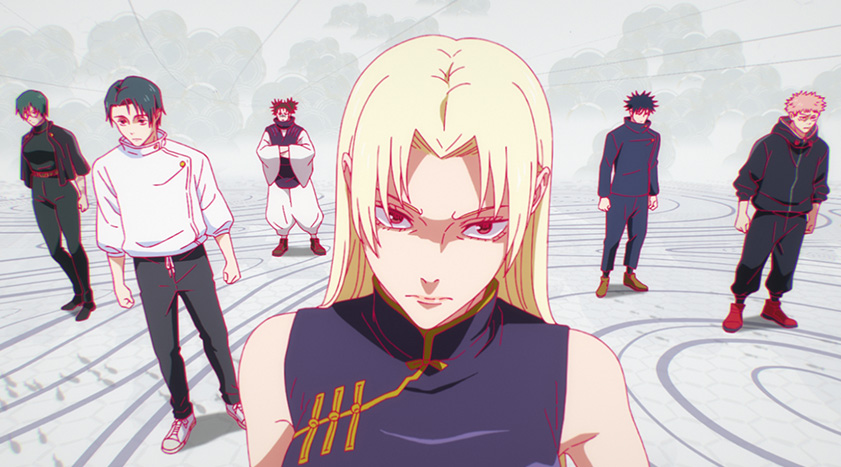
This interview with Megumi Ogata offers a fantastic glimpse into the dedication she brings to her roles and the thoughtful production process at MAPPA. With the third season now airing, it's the perfect time for Jujutsu Kaisen fans to dive back in!
via: Animate Times