

The third season of Jujutsu Kaisen, covering the first part of the Culling Game arc, is airing now, and thanks to MAPPA's stellar production and the series' massive fanbase, it's one of the most anticipated shows of the season.
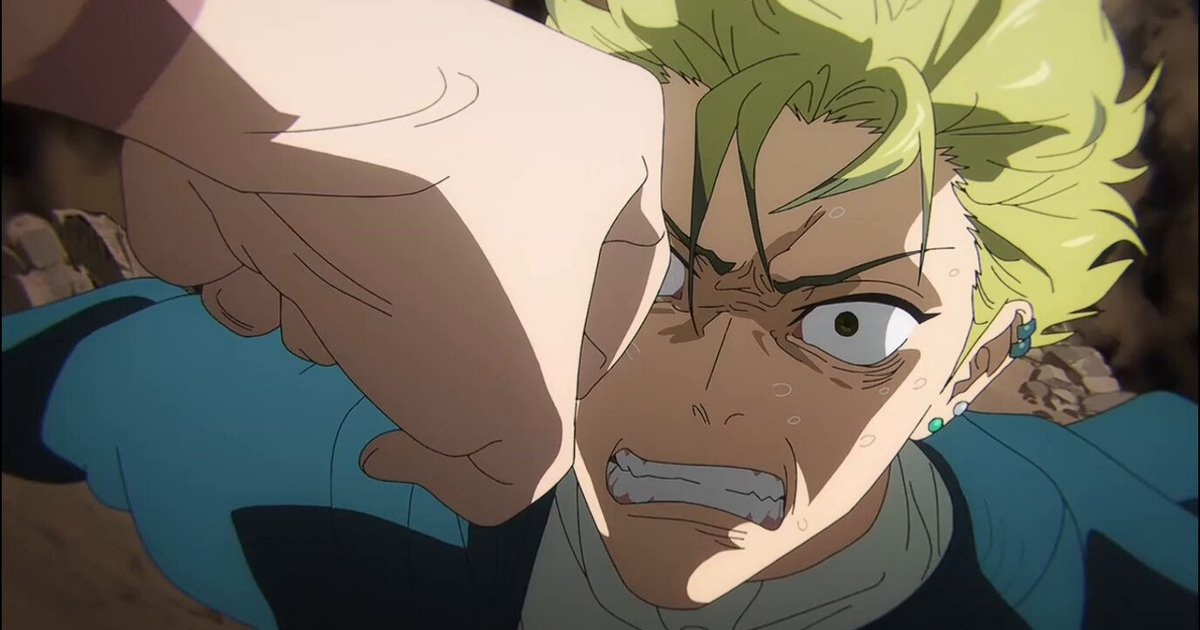
A character making waves early on is the fan-favorite Naoya Zen'in. Already popular in the manga, his anime debut, brought to life by the powerhouse performance of voice actor Koji Yusa, has made him a hot topic. In a recent interview with Oricon News, Yusa shared his thoughts on how he approached and interpreted this uniquely abrasive character.
Here's a look at the interview:
Q: We heard you landed the role of Naoya Zen'in through an audition. Did you have a good feeling about it or feel confident you'd get it?
Yusa: I go into every audition thinking, "I have to get this role," but honestly, a lot of the time, your intentions don't necessarily come across. So, I don't really trust my "gut feeling" (laughs). I just focus on doing the best I can.
Q: How did you interpret the character during the audition?
Yusa: Before I got the audition request, I only knew the name Jujutsu Kaisen and had seen the characters in ads. This was the first time I actually read the source material. After reading it, I realized the world was much more hardcore and darker than I expected. I thought it would be more of a team-battle type of series, but the protagonist isn't some hot-blooded guy who loves to fight. Every character is carrying their own baggage. It's not a simple story where you beat the bad guy and everything's fine; it leaves you with things to think about.
As for the Zen'in clan, their issues run parallel to the main plot but are still critical. My first impression of Naoya was that he's the type of person who just "says whatever is on his mind."
Q: He's so brutally honest it's almost refreshing...
Yusa: That's because you have a normal sense of morality (laughs). In the Zen'in clan, nobody probably cares. I think they all have a bit of that trait in them.
Q: Was there anything you were particularly conscious of when building the character?
Yusa: Not caring about other people's feelings.
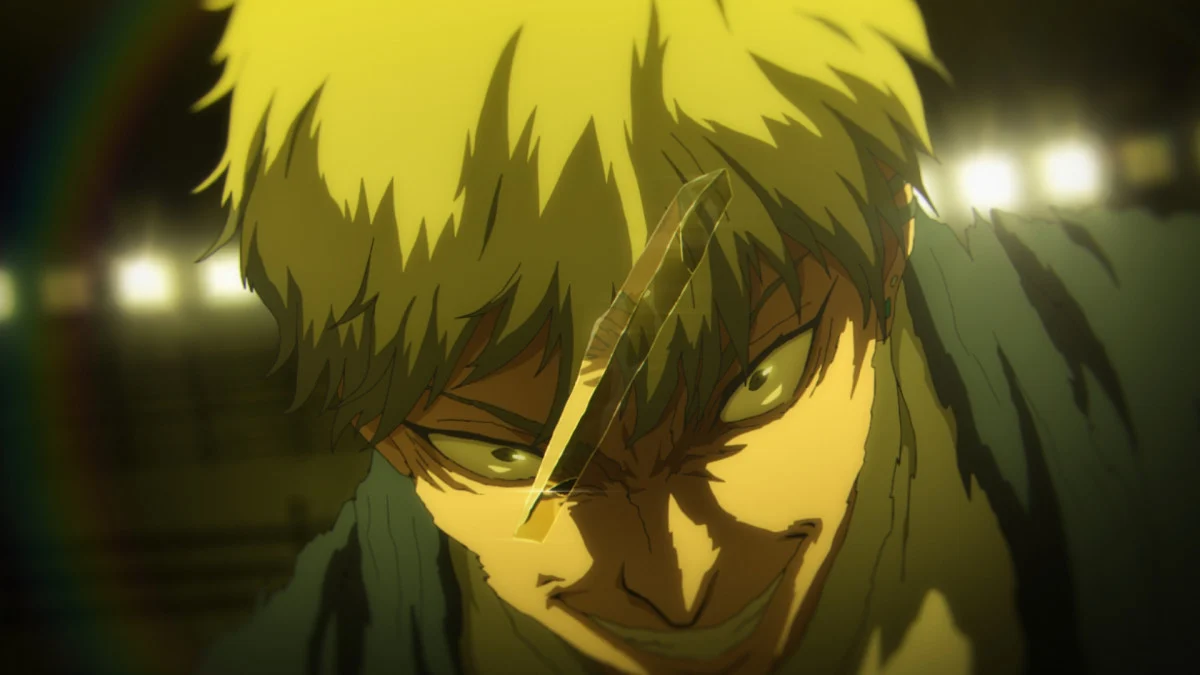
Q: The character is quite polarizing. You've mentioned you have mixed feelings about it?
Yusa: Playing him isn't complicated. What's complicated is that everyone seems to think I'm a perfect fit for this kind of role (laughs). But it's an honor to be chosen. When I'm acting, the most important thing is "What would this character be thinking?" If I inject my own thoughts, it's not the character anymore, so I try my best to think from his perspective.
Q: How did you approach the actual performance?
Yusa: The key is "who he's talking to and what he's saying." For example, with Maki, he's completely dismissive. The director wanted me to deliver the lines nonchalantly because, for Naoya, that's just his everyday reality. He's also brutally honest with his uncle, saying things like, "Jinichi... that face of yours just won't cut it." I could never say something like that in real life (laughs). But since I don't get to say things like that normally, it's actually pretty satisfying to perform.
Q: Were there any other specific directions?
Yusa: Some lines that were internal monologues in the manga were changed to spoken dialogue in the anime, and vice versa. I made sure to confirm all of those changes.
Q: What do you think makes Jujutsu Kaisen unique?
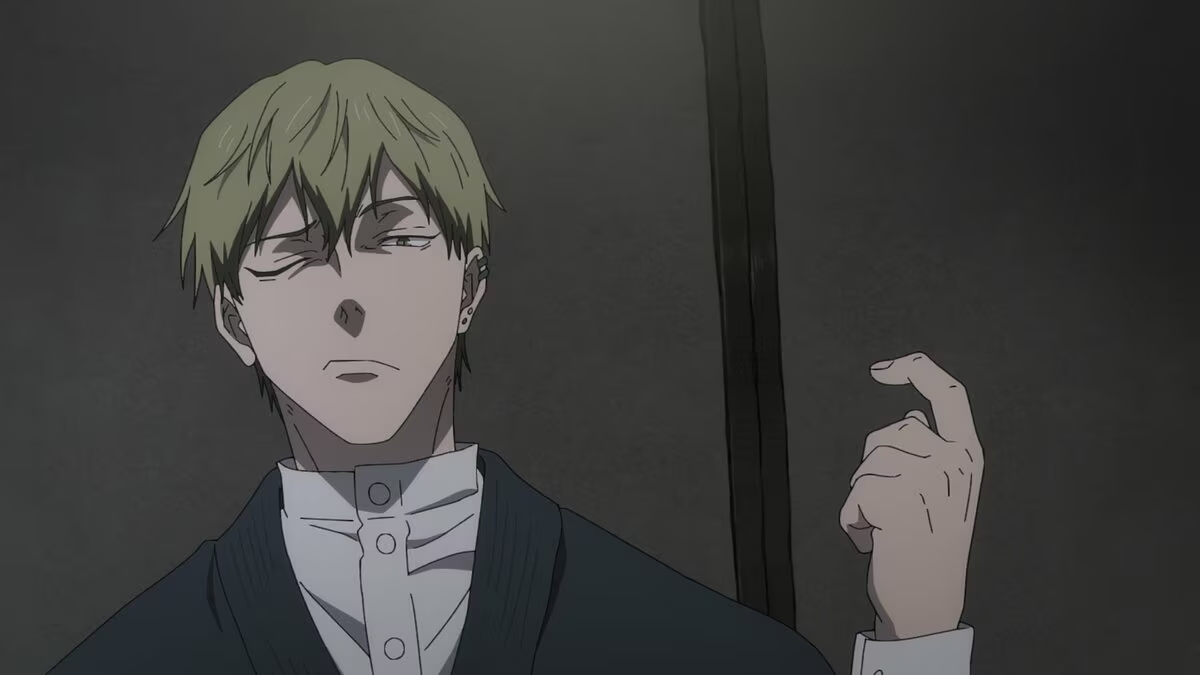
Yusa: The characters use Cursed Techniques without shouting the names of their moves. There's often no explanation either (the opposite of a series like Bleach). When we read the script, we know what's happening, but viewers watching the screen might only grasp it from the general vibe. That's pretty unique. Naoya's technique is the same; he only explains what it does, not its name, so a lot of people are probably confused (laughs). Ironically, Naoya is the one who explains Choso's Cursed Technique (laughs), so I guess that's one of his good points.
Q: Was it difficult performing with a Kyoto dialect?
Yusa: If it were just me talking, I could lay it on even thicker, but I'm following a script. I generally respect the source material and only suggest changes if something feels really off. The hardest part is the balance—finding the sweet spot between standard Japanese, the original tone, and the dialect. Especially with technical terms, if the accent is too strong, it might pull the audience out of the moment.
And the funny thing is, almost no one else in the Zen'in clan has an accent. Only I have to speak in the Kyoto dialect (laughs). Naobito doesn't have an accent, Jinichi doesn't, Ogi doesn't, and neither do Maki or Mai. I have no idea why it's just Naoya (laughs). Maybe it was an intentional omission.
Q: True, "Japan" or even "Kyoto" are very broad terms.
Yusa: Exactly. Just because you live there doesn't mean you'll be a certain way. I think it's less about a Kyoto characteristic and more about the Zen'in family culture. A family with that much history probably values tradition and rejects outside influences. Naoya might have become the person he is because he grew up in that environment.
Q: What do you think is Naoya's charm?
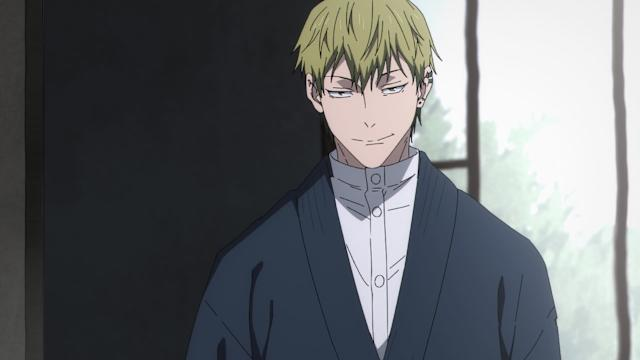
Yusa: To be honest, I haven't found it yet (laughs). The fans probably know better than I do... It's probably his face, I guess (laughs). And that attitude of saying whatever he wants without fear of offending anyone—I'm actually a little envious of that.
Q: You can't do that?
Yusa: No way, not a guy like me (laughs).
Q: Do you actively offer your opinions during recording sessions?
Yusa: I'll confirm things like, "Is this the right approach?" but I won't say, "It has to be my way." For this role, the dialect was pretty much left as is. The recording sessions went smoothly, though we spent a lot of time in discussion beforehand.
Q: What did you pay special attention to during your performance?
Yusa: The sense of distance between characters. For dialogue within the Zen'in family, I started with a standard approach. But for the scene with Jinichi, the director said, "Get even closer," so I focused on creating that sense of pressure.
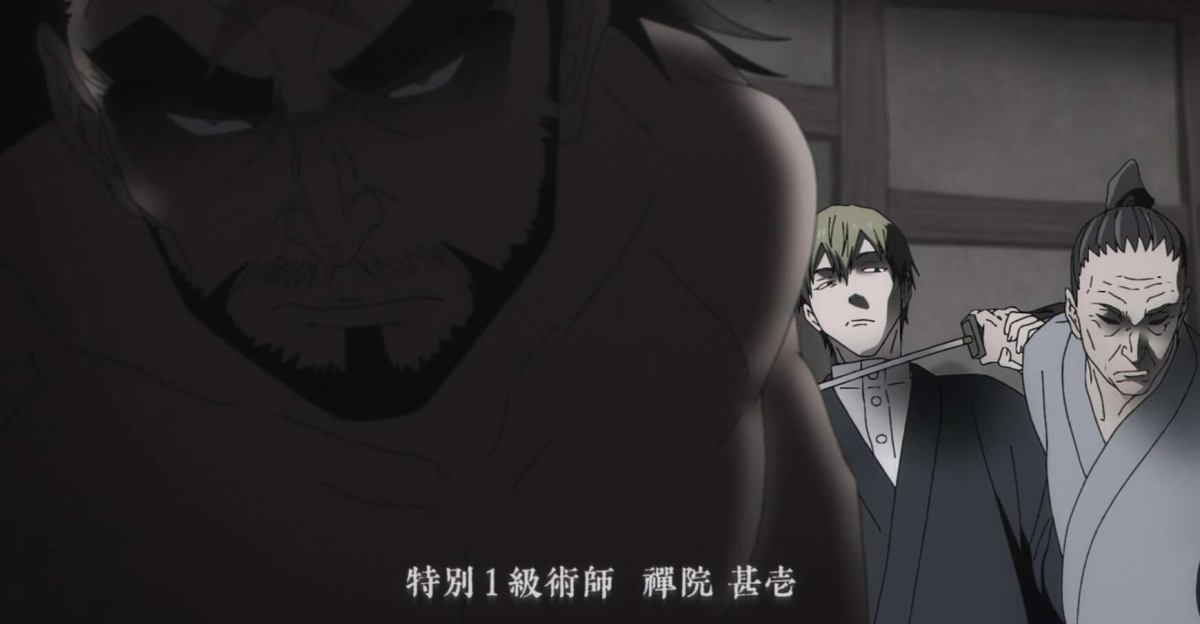
Q: Is there a special kind of fun in playing these "unlikable characters"?
Yusa: You'd never say those kinds of lines in everyday life, so being able to perform them is actually a blessing.
Q: Are there any other types of characters you'd like to challenge yourself with?
Yusa: I want to play a good person. To be more precise, a gentle person. Naoya is just being true to himself; whether he's a "bad guy" is really up for debate. But he's definitely hard to classify as a "good guy." If I get the chance, I'd like to play a truly gentle character. But in this series, everyone has their own baggage, so it's hard to simply label anyone as good.
Q: Do you have a message for Naoya's fans?
Yusa: Can you please tell me what you like about him (laughs)? Of course, I have an attachment to him, but I honestly still don't quite get him. But I'm truly grateful for everyone's support.
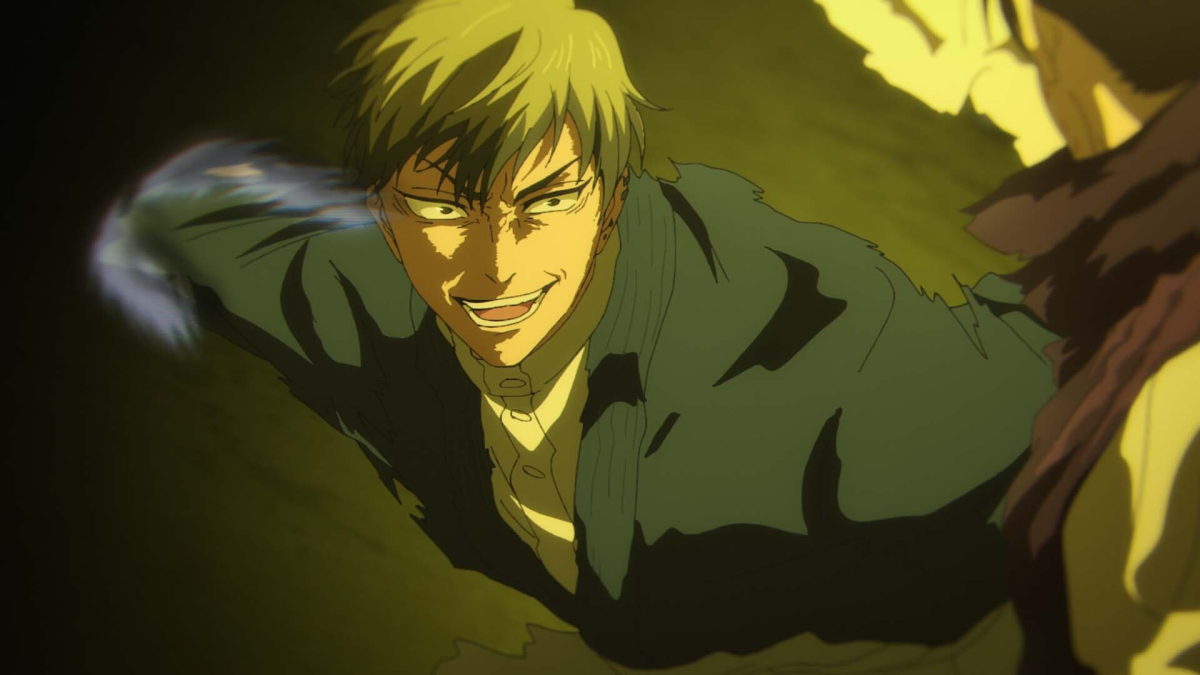
It's pretty clear that even Koji Yusa himself is baffled by the immense love for Naoya. He even seems perplexed that fans praise his performance as being "perfect" for such a character.
Yusa is famous for voicing iconic roles like Gin Ichimaru in Bleach, Karna in the Fate series, and Shadow the Hedgehog in the Sonic franchise. With his unique voice, it's no wonder that, even at 57, he remains incredibly popular and highly regarded.
via: Oricon News