

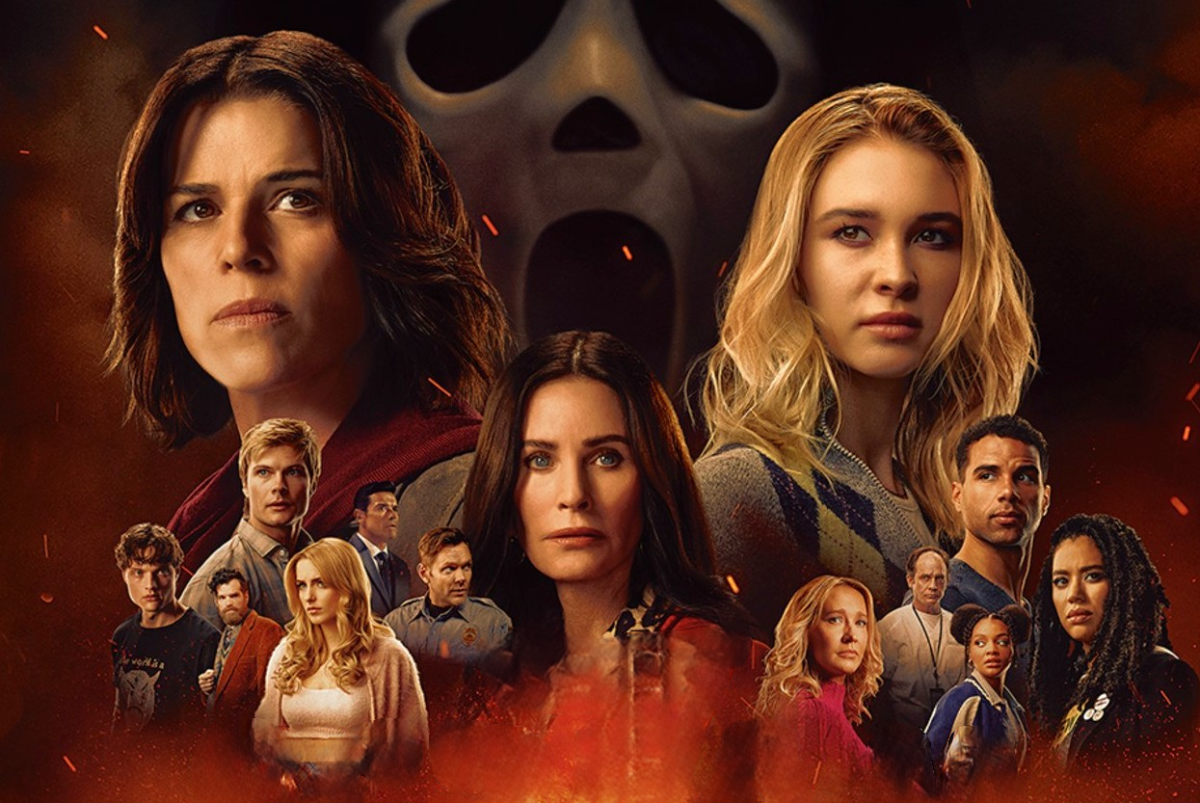
 (Image: Paramount Pictures / Spyglass Media Group)
As a longtime fan of the "Scream" franchise, I didn't hold out much hope for "Scream 7." While the series has maintained a surprisingly consistent level of quality—a rarity for horror—always introducing interesting new ideas and executing them well, the off-screen turmoil preceding this installment made it impossible to get excited. Everyone knows horror is the genre most prone to terrible sequels, yet this franchise had managed to avoid a truly awful one. Until now, the behind-the-scenes chaos was simply too much to ignore.
The story of how "Scream 7" fell apart and was hastily reassembled is both absurd and a little sad. The trouble began when Melissa Barrera, one of the leads from the previous two films, was fired by production company Spyglass Media Group for what they deemed antisemitic rhetoric in her social media posts supporting Palestine. What Spyglass didn't anticipate was the fierce loyalty of her on-screen sister, Jenna Ortega, who promptly quit in solidarity. With both leads gone, the planned three-film arc for their characters was dead on arrival. 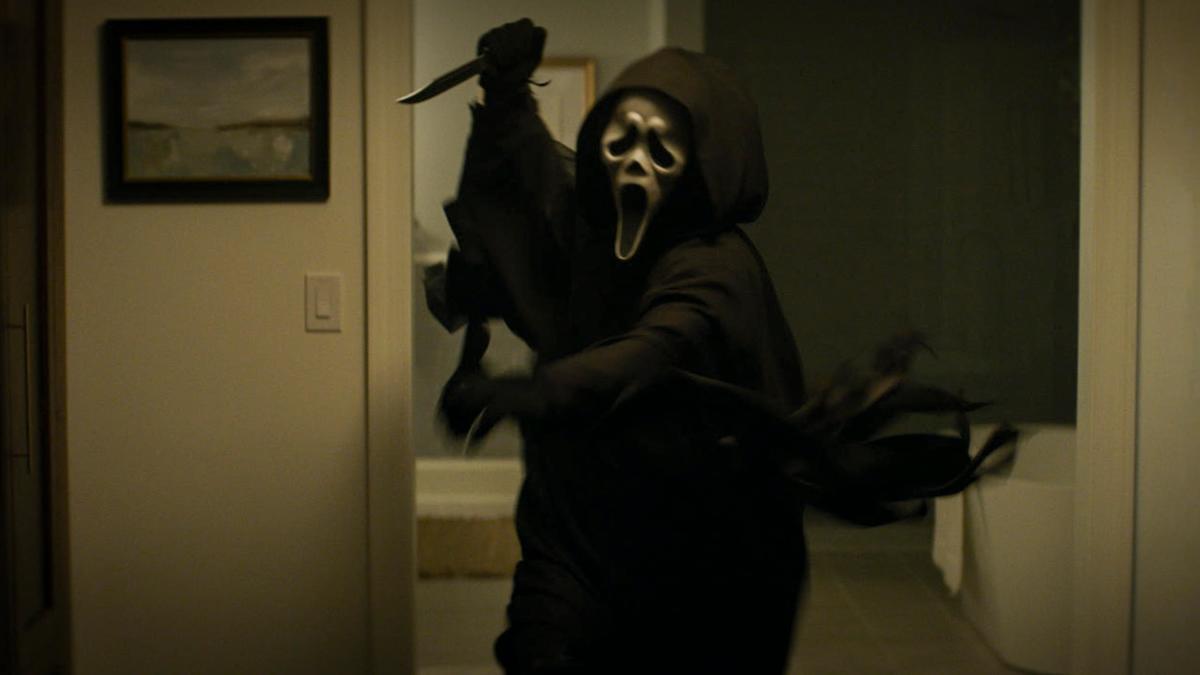
(Image: Paramount Pictures / Spyglass Media Group)
The absurdity peaked when Christopher Landon, the "Happy Death Day" director initially hired for the sequel, saw his completed script thrown out. After being targeted with death threats from radical fans who mistakenly blamed him for Barrera's firing, the traumatized director also walked away. With the project in freefall, Spyglass still refused to bring Barrera back. Instead, they went begging to another star—Neve Campbell, the original final girl they had previously alienated.
Campbell famously sat out the sixth film after Spyglass and Paramount refused to meet her salary demands. Suddenly backed into a corner, the studios had no choice but to open their wallets and bring her back to save the film. "Scream 7" was born from this chaotic scramble. But was the fire really put out? The movie itself would have to be spectacular to overshadow its own production drama. Unfortunately, this final version of the film feels completely devoid of creativity and freshness. It comes across as a product of desperation, a story cobbled together at the last minute because the original script was scrapped. 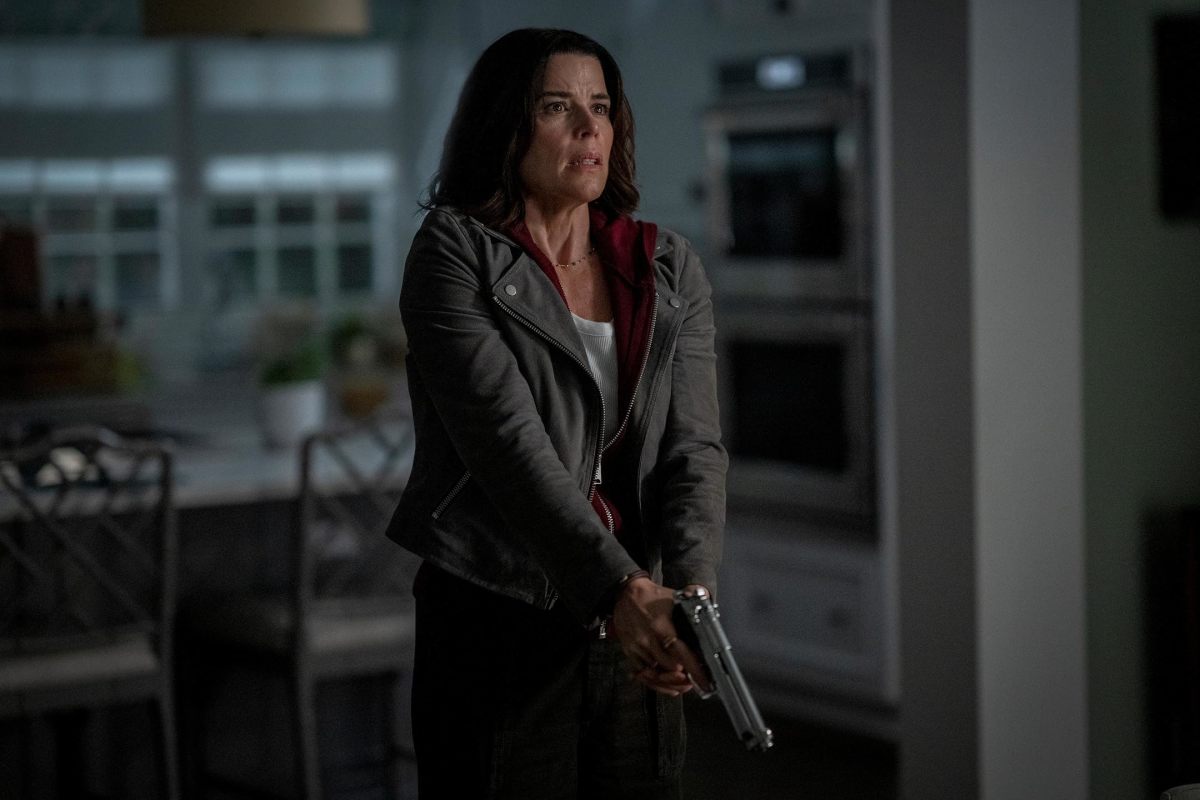 (Image: Paramount Pictures / Spyglass Media Group)
As a franchise known for deconstructing horror tropes, "Scream 7" attempts a subtle inversion of the formula seen in the recent "Halloween" films: the aging final girl whose overprotectiveness strains her relationship with her daughter. While this trope was pioneered in "Terminator 2: Judgment Day," it was the success of "Halloween" (2018) that inspired follow-ups like "Texas Chainsaw Massacre" (2022) to adopt it. "Scream 7" inevitably does the same, but with a twist. Instead of a hardened final girl training her children for survival, Sidney Prescott tries to shield them completely, which only fosters resentment and confusion.
However, the film doesn't use this premise for meta-commentary; it plays it surprisingly straight. The approach isn't a deep dive into Sidney's psyche—it's just a different motivation leading to a similar outcome. In a standard horror film, this might be forgivable. But this is "Scream," a franchise built on being meta. This serious treatment feels like a betrayal of its core spirit, squandering its unique advantage. The film does attempt some self-reference, with its central theme being a commentary on its own formula—that the killer is always someone close to the final girl. But rather than a clever subversion, it simply... doesn't follow the formula. The result is a killer reveal with zero impact and a motive so stale it feels like an insult to the clever twists of previous installments. 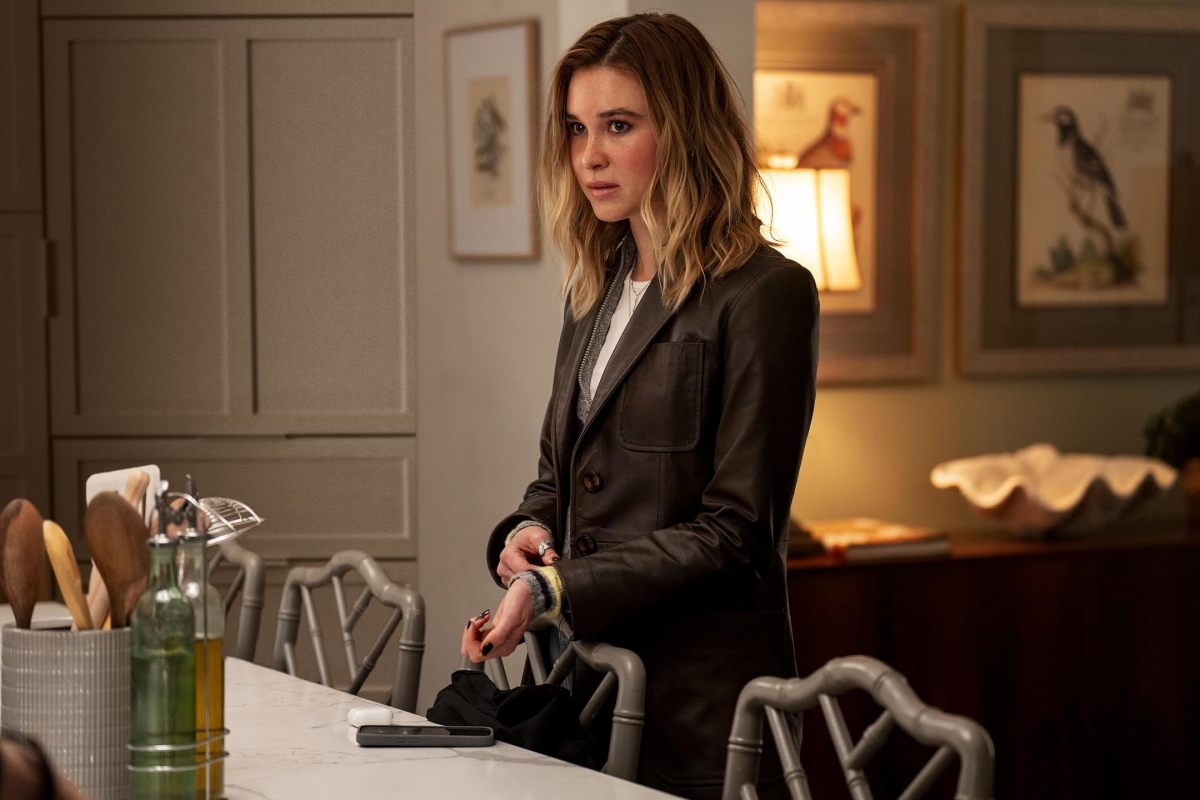 (Image: Paramount Pictures / Spyglass Media Group)
This trend of "breaking the formula without offering a clever subversion or twist" was already apparent in the fifth and sixth films. What's shocking is that it's even more pronounced here, despite the return of original creator Kevin Williamson as both writer and director. The suspense is weaker than in the last two entries, highlighting a clear trend: "Scream" is becoming less of a satire and more of a straightforward slasher.
Even if the goal was to evolve into a traditional slasher, Williamson proves he isn't the director for the job. His pacing is terrible, and the chase sequences are utterly uninspired. Compared to the masterfully crafted atmosphere of the first six films, this installment only proves that some writers should stick to writing (this is only Williamson's second time directing). The film's scale is the smallest in the series—it seems the budget was spent entirely on Campbell's salary—and Williamson fails to generate tension through clever direction. His only tricks are cranking up the sentimental score and dialing up the gore, with disembowelments and guts spilling out. Wes Craven never needed to resort to such cheap tactics to deliver a top-tier viewing experience. 
(Image: Paramount Pictures / Spyglass Media Group)
I truly miss the "Scream" that could deliver first-class slasher set pieces while simultaneously offering sharp commentary on Hollywood's laziest tropes. The first film skewered horror survival rules; the second mocked sequel formulas; the third lampooned trilogies that retroactively connect to the origin; the fourth took on remakes that disrespect the source material; and the fifth tackled the "requel" trend and toxic online fandom. Hollywood has given us so much more to satirize since then. What about political correctness? Or the rise of "elevated horror"? Did they not want to touch those topics, or did they just not think of it? I guess we'll have to wait for "Scary Movie 6." This is the first time I've been truly disappointed by a "Scream" sequel.
While it might not be bad enough to enter the hall of fame for terrible horror sequels, it's unequivocally the weakest entry in the entire "Scream" franchise. The only thing that soothed my wounded soul was the killer end-credits track, "Twisting The Knife," by Mckenna Grace and Ice Nine Kills, which sounds especially awesome on a theater sound system.