

 (Source: A24)
(This article contains spoilers.)
Like everyone else, I was anticipating "The Backrooms"—or perhaps "curious" is the better word. I was curious to see how this concept, this world, could be expanded upon for the big screen. And by expansion, I don't mean inventing new "lore." "The Backrooms" already has countless versions of lore and event-based chronologies. What it truly lacks is a story with a beginning, middle, and end; a complete narrative arc meticulously planned and packaged by a major studio. It needs more than just a "gamer's POV playthrough" (whether in an actual game or a short film with game-like narrative), which has thus far been designed solely to carry and expand the setting. This is the final piece of the puzzle needed to elevate "The Backrooms" into a true IP.
This was the most critical mission for the film adaptation. It didn't need to add more cool settings—internet users can and have already done that. What it needed to add was the brand value that only a compelling story can provide. As the most iconic creator in "The Backrooms" universe, Kane Parsons knows this well. You can feel the film's aggressive attempt to flesh out its characters. If someone claims the movie is about introducing the world and not the story, they've deeply misunderstood it. If someone claims the movie doesn't take its storytelling seriously, they've misunderstood it even more.
(Source: A24)
Ironically, the very reason I sensed the director's earnest desire to tell a story is because the story itself is so poorly told. I'm willing to praise "The Backrooms" as an eager student, but unfortunately, it's a student who put their effort in all the wrong places. Ambition doesn't guarantee a good film. Whether you mistakenly think the story isn't the point or that the storytelling was lazy, the root cause is the flawed approach to narrative. This time, Parsons wasn't just making animations at home; he had a fully staffed art department, animation team, and professional actors. But perhaps due to his young age, even with more resources, his narrative skills remain at the level of a typical student film.
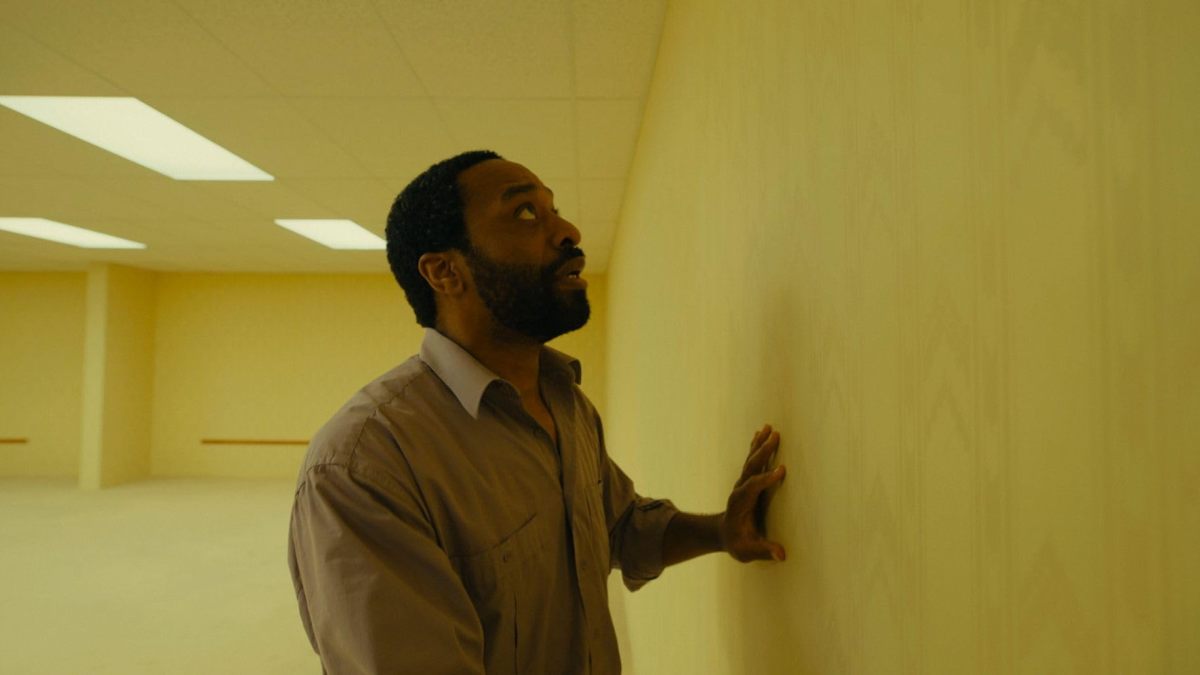
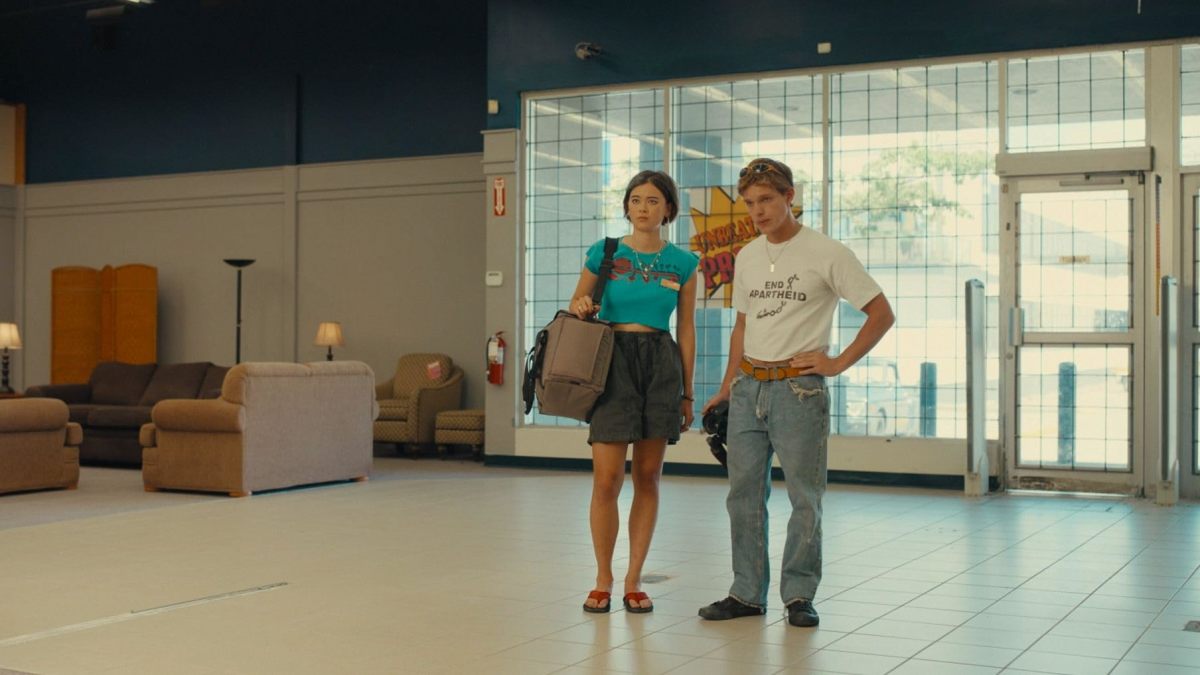
Parsons' narrative immaturity extinguished my curiosity right from the start. He uses painfully direct narration to spell out the film's theme: "This movie uses the Backrooms as a metaphor for people escaping reality, a maze to symbolize being lost." The moment I heard that, I knew the film would be incredibly dull. The problem isn't that he *chose* this metaphor (though it is a rather obvious, first-draft idea), but that the way he expressed and revealed it was so unsophisticated it became boring. As expected, the rest of the film follows suit. While the exploration sequences of the Backrooms deliver the eerie atmosphere fans expect, the rest of the narrative setup and emotionally-charged scenes between actors feel clumsy and ineffective.
 (Source: A24)
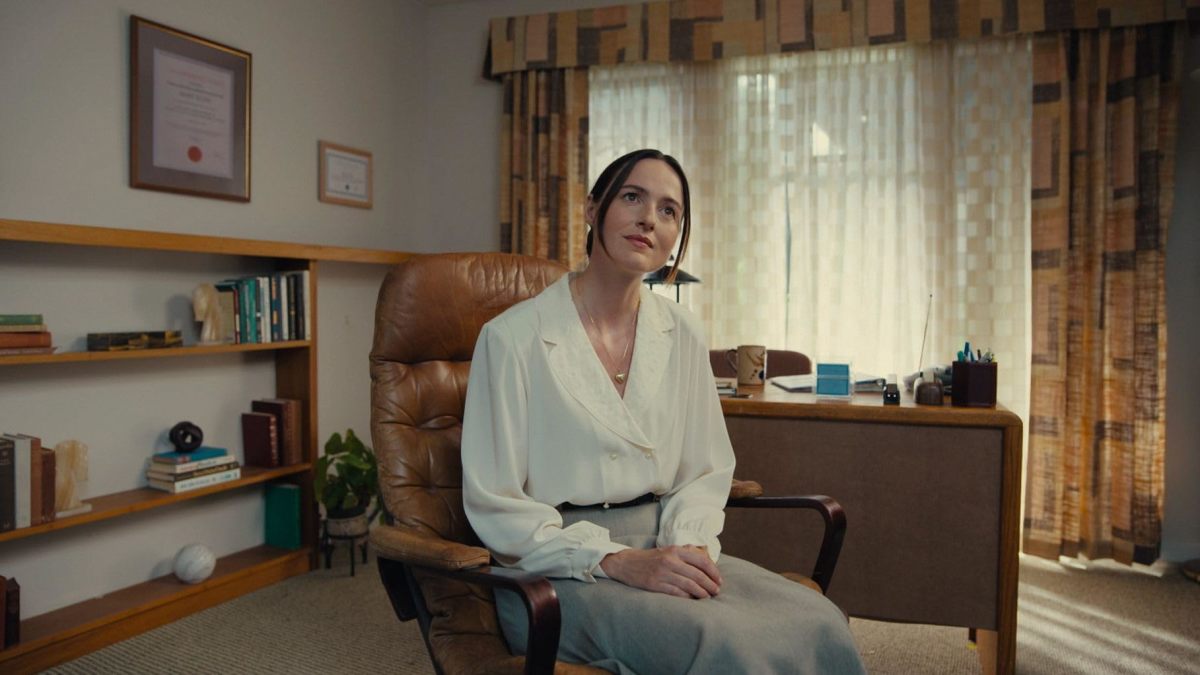
The film wants to explore the psychology of escapism and delve into psychological horror, but Parsons never convinced me he understands the genre. This kind of storytelling requires a deft hand at guiding audience empathy or deception. You can't just stick two actors in a therapist's office to role-play, have the patient rattle off their "background settings and character bio" in a tirade, or cryptically insert flashbacks to hint that the doctor's origins are also suspect. That's simply not enough. As a result, when the final reveal about Chiwetel Ejiofor's character's mental state comes, I felt none of the intended dramatic tension. When I learned Edward Norton and Brad Pitt were the same person in the latter half of "Fight Club," I was genuinely shocked, and connecting the earlier clues brought a satisfying sense of "the threads have finally come together." "The Backrooms" offers no such payoff.
The film never made me truly care about Ejiofor's psychological state. On the surface, it spends a lot of time showing how aimless and pathetic his life is—lonely, with a failing business—but this exposition is flat. It's just a mechanical delivery of information with no real drama. Similarly, I never felt his connection to the Backrooms as an escape route; the link is too tenuous. I understood what the plot was "telling" me, but I never felt the "emotional weight" behind that information. To use "Fight Club" as an example again, I deeply felt Norton's need for the club as an escape, which is why the subsequent loss of control, expansion, and collapse had such a powerful impact.
 (Source: A24)
In fact, the ideal version of "The Backrooms" has already been made in recent years. The director is Zach Cregger, and the film is "Barbarian." It's a movie that perfectly embodies the spirit of "The Backrooms," it just doesn't have the name. Both feature a house with an entrance to another dimension, but the character setup before entering that space, the exploration process within it, and the human drama that unfolds when their fates intertwine are all executed on a far superior level in "Barbarian." Many have also pointed out that Parsons' idea of the Backrooms as a place that "projects" a visitor's psychological state has been done before, and arguably better, in "Silent Hill" (or, for most, influenced earlier by "Alice in Wonderland" and "The Wizard of Oz"). Clearly, these concepts are not new, which means the film needed to work even harder on its narrative. But the director's craft isn't there yet, and the film ends up feeling like a failed exercise for Parsons to level up his skills.
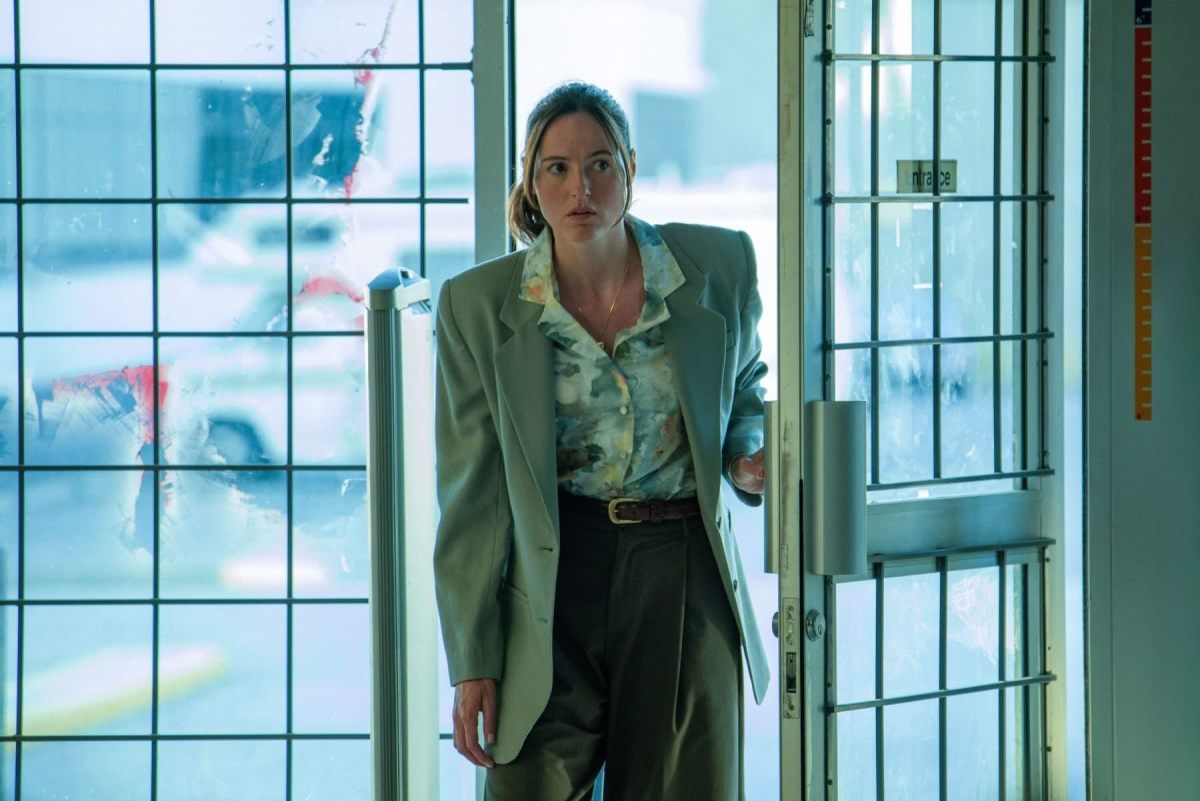
It seems many "Backrooms" fans are quite aggressive. They'll post lengthy essays online detailing every connection to the short film series or how "the director hinted at this all along," using these points to attack anyone who didn't like the movie as an outsider who "just didn't get it." It's because of people like this that I've become reluctant to call myself a fan of any IP; it feels like introducing myself as an unreasonable cult member. The two things these fans love to praise are, frankly, nothing to brag about. This movie was made by the director of the original shorts; of course he's going to reuse his own lore. As for what the director was "hinting at," much of it is ineffective drama that offers no real help to the narrative.
(Source: A24)
Being mysterious and hiding details doesn't create audience empathy; at best, it resonates with detail-obsessed viewers seeking a sense of superiority. Some people are fixated on "analyzing" the "meaning" of everything, but they aren't genuinely moved by the story. They simply enjoy the satisfaction that comes from processing a large amount of information—a satisfaction that, like a drug, can be addictive. I'm not sure how they become these information junkies, but I suspect it has something to do with YouTubers who love to package normal, obvious plot points as "Easter eggs," "homages," or "deep meanings." But it's no wonder. After all, "The Backrooms" was born in an era when these YouTube videos were at their peak. The times create the audience, and the audience creates the times. One rabbit hole leads to another. One has to wonder what these people would project if they ever found themselves in the Backrooms.