

Inio Asano, the celebrated manga artist behind modern classics like Goodnight Punpun and Dead Dead Demon's Dededede Destruction, recently appeared on Japanese artist Yoichi Ochiai's talk show, "WEEKLY OCHIAI," and dropped some bombshells about his creative process and the industry's future.
During the interview, Asano discussed his innovative use of Unreal Engine and Blender to create his manga, his views on generative AI in the industry, and his confusion over the current resistance to AI tools. His comments, later shared by media outlets on X, have ignited a firestorm of debate, with fans split on his pro-tech stance.
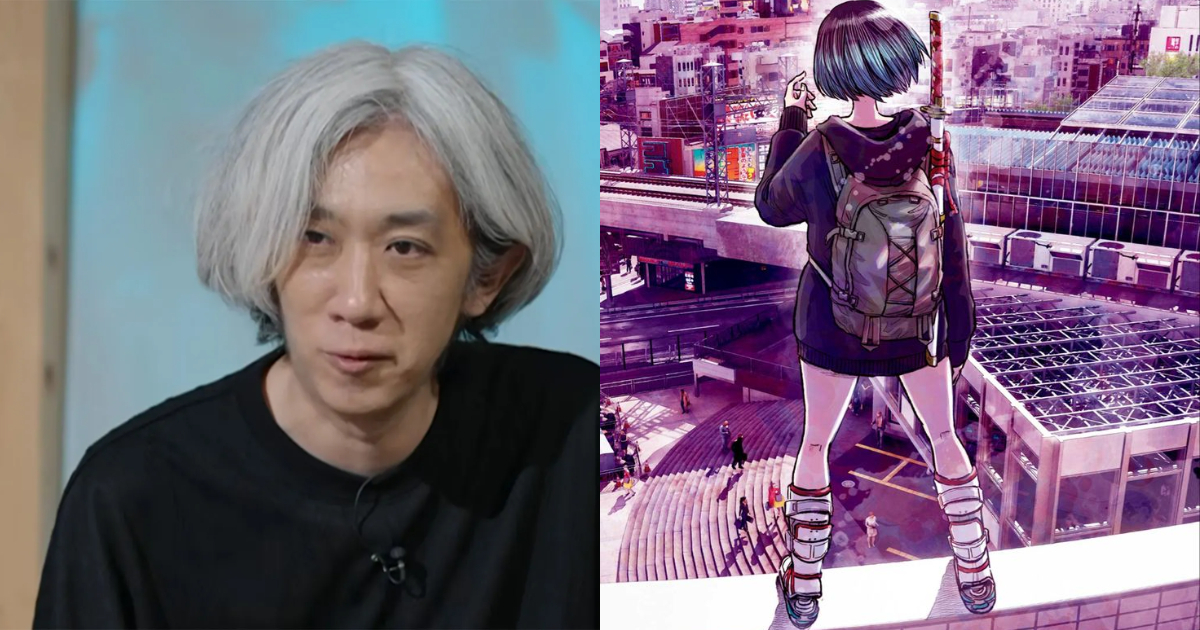
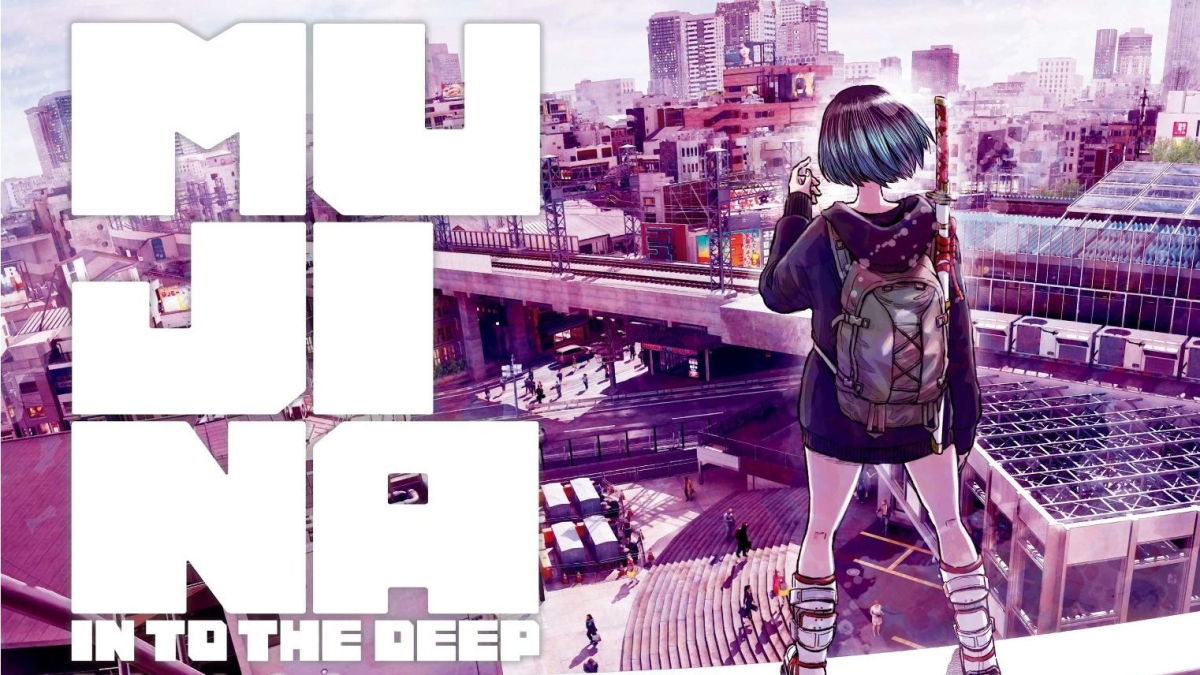
Asano's latest series, Mujina Into the Deep, is currently on hiatus. While he cited health reasons for the break, he revealed another major factor: the manga industry's ambiguous and seemingly negative attitude toward AI.
In fact, over 90% of the backgrounds in *Mujina Into the Deep* were personally created by Asano using Unreal Engine and Blender. He buys paid assets when available and builds his own models from scratch when they're not, all in service of creating a world where he can freely experiment with 3D-modeled scenes.
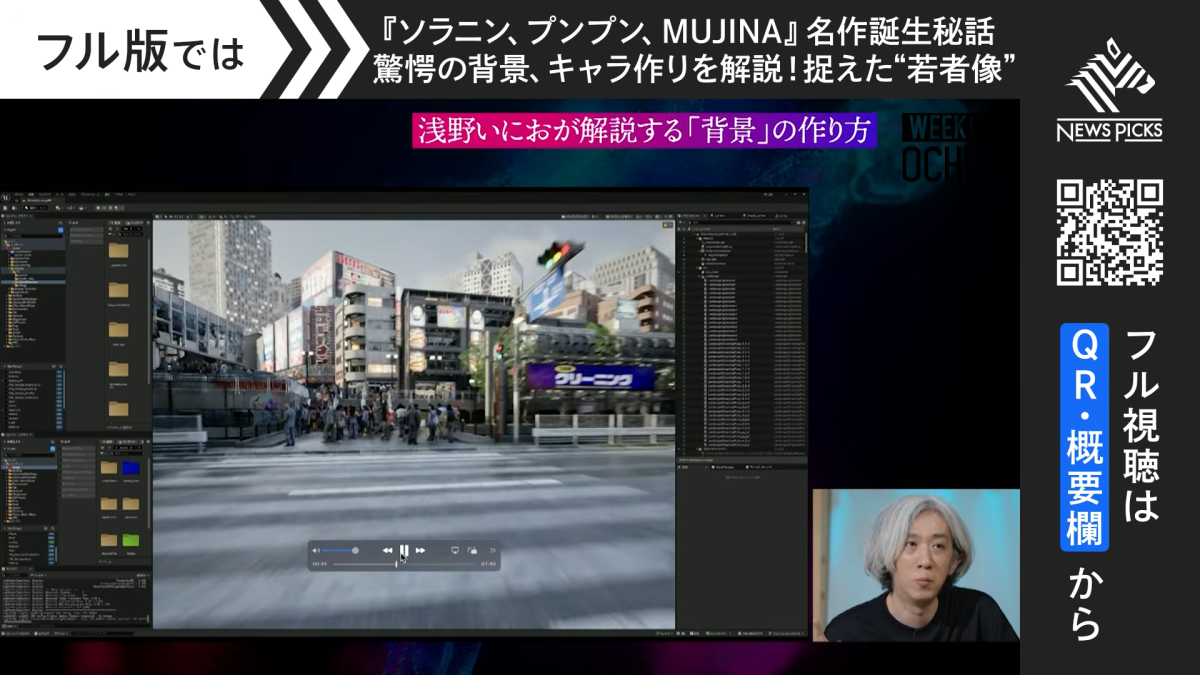
When the host asked if AI could help accelerate the massive task of modeling his open-world settings and arranging assets, Asano's response was telling: "Technically, of course it can. The biggest problem is just how far we're allowed to go with AI."
He continued, "Right now, publishers can't publicly say, 'It's okay to use AI.' It's a weird situation where, because you're a professional manga artist, you're not supposed to use it."
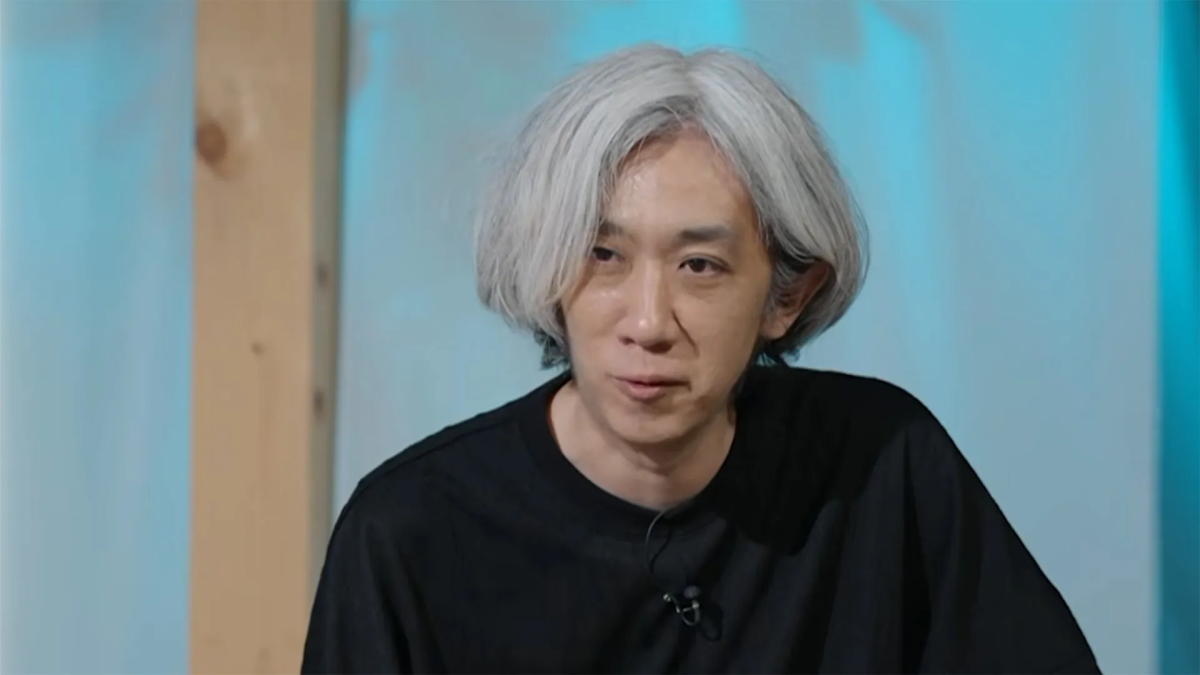
He elaborated on his predicament:
"As things stand, manga artists can't use AI. But in reality, using AI could drastically improve the quality of the work. If that's the case, maybe it's better not to draw at all right now? Maybe next year they'll suddenly greenlight AI, so I might as well wait until then. That's my current mindset, so I'm on standby for now."
While he didn't specify how he plans to use AI in the future, Asano confirmed that integrating it could dramatically speed up his modeling workflow. He's currently using his break to research AI and find suitable ways to incorporate it as an assistive tool.
▼ Check out Inio Asano's interview on "WEEKLY OCHIAI"
Back in March, Asano also appeared on the "Blender Fes SELECTION" program, where he gave a practical demonstration of his process using Unreal Engine and Blender.
For him, this tech-forward approach, especially for backgrounds, is a powerful way to streamline his work and build out the complete "open world" he envisions, allowing the story to unfold naturally within it.
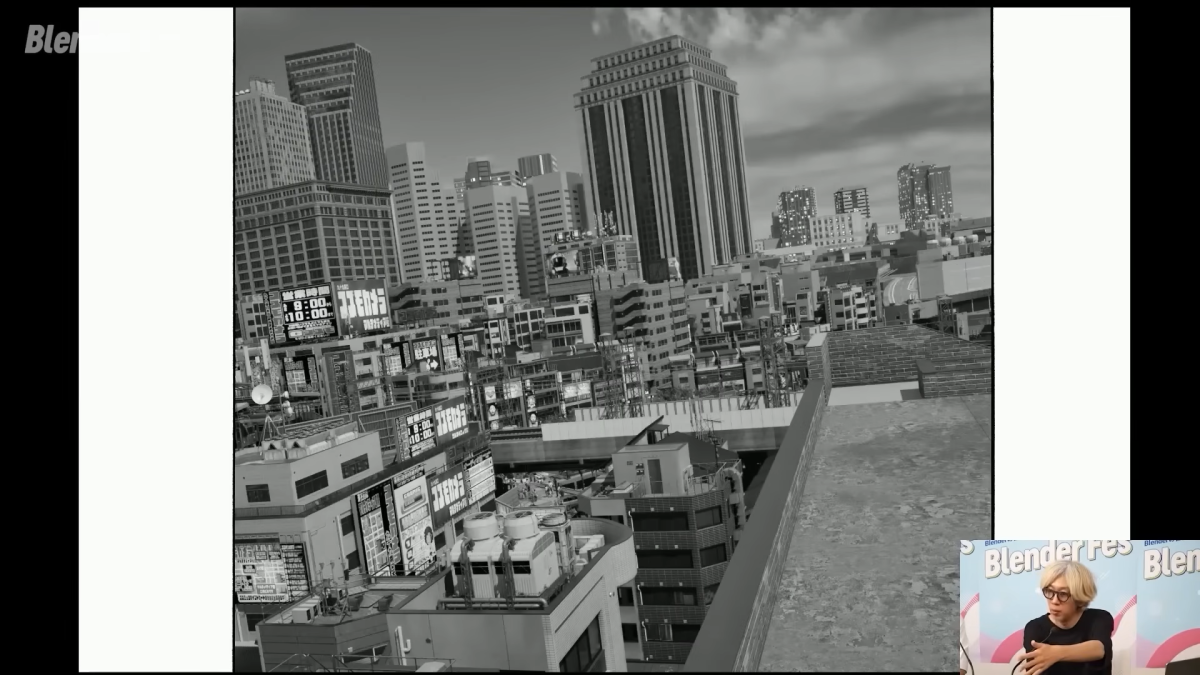
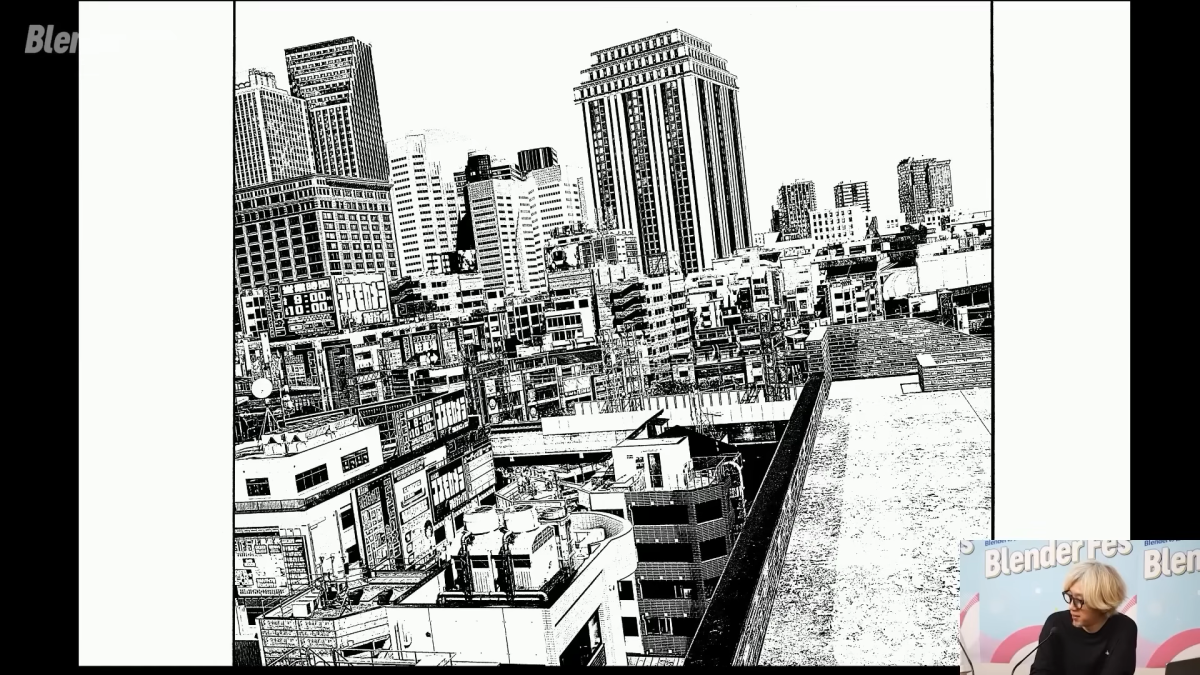
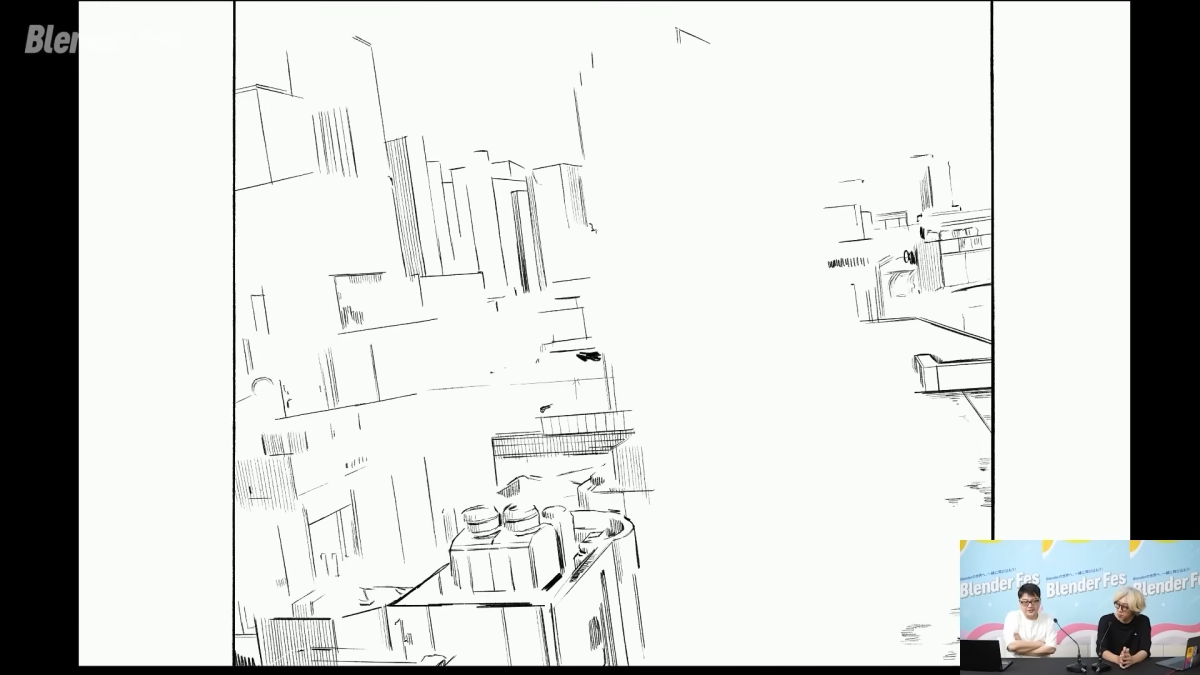
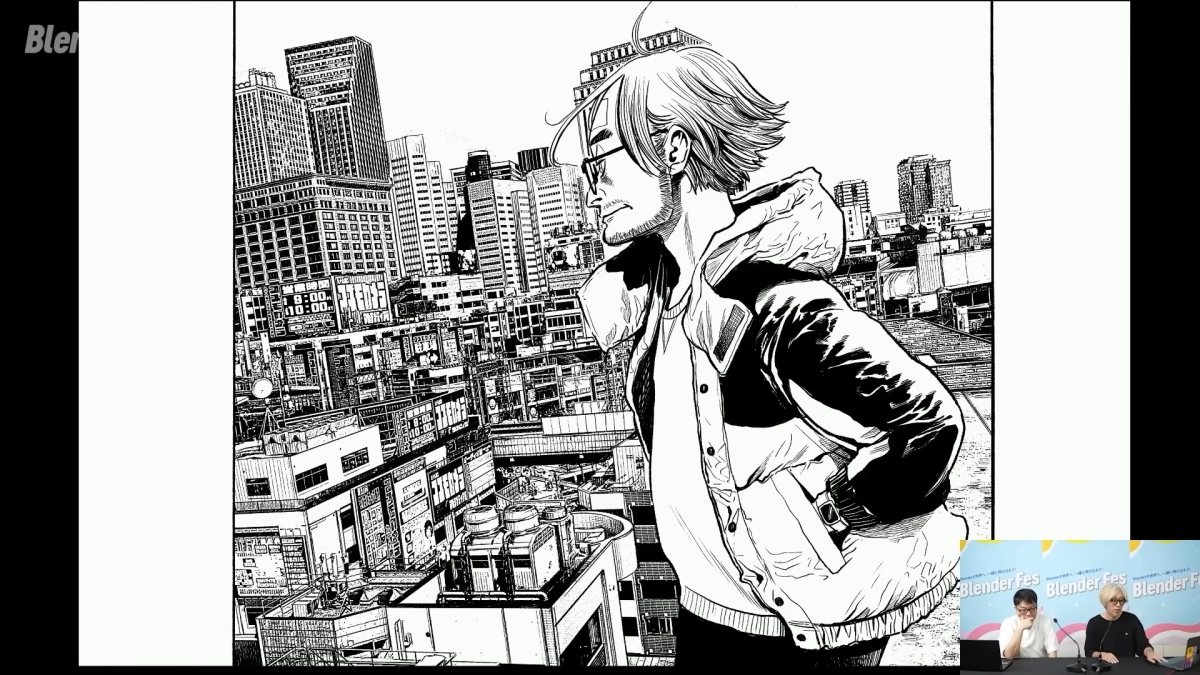
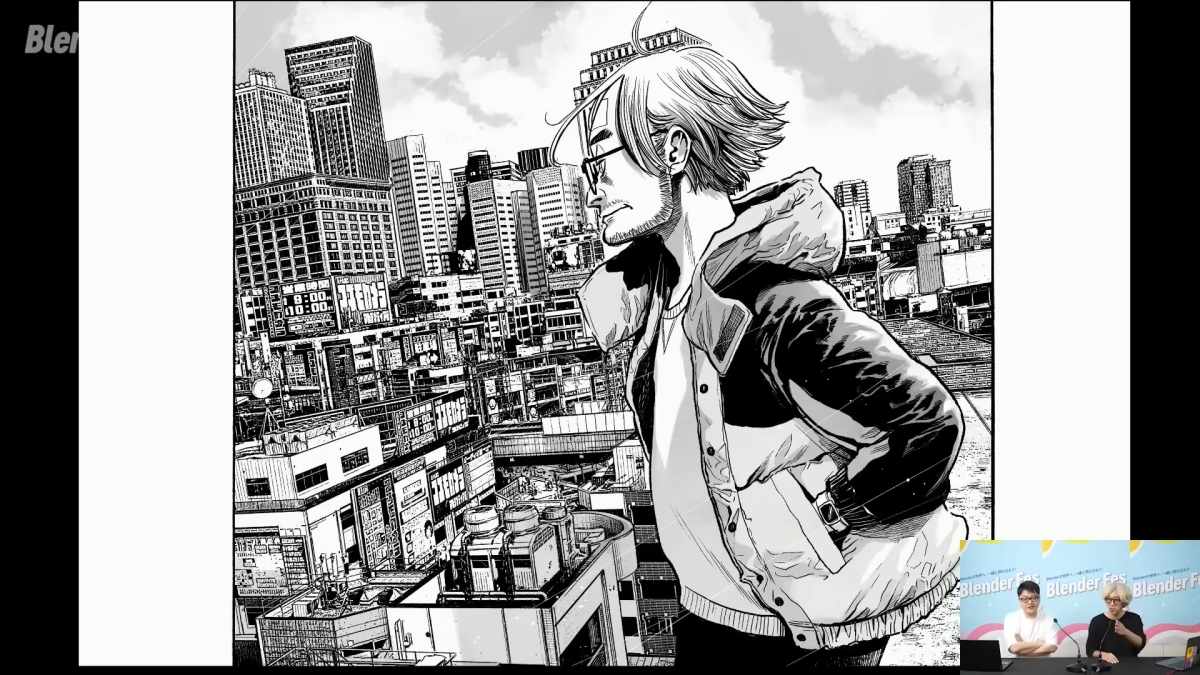
▼ Inio Asano's interview on "Blender Fes SELECTION"
However, his comments haven't sat well with many fans overseas. Some argue that using AI fundamentally undermines the essence of artistic creation and that if an artist needs AI to be more efficient, the problem lies with the creator or the support system, not the lack of AI tools.
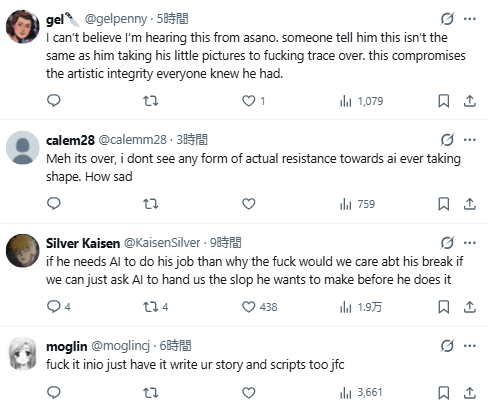
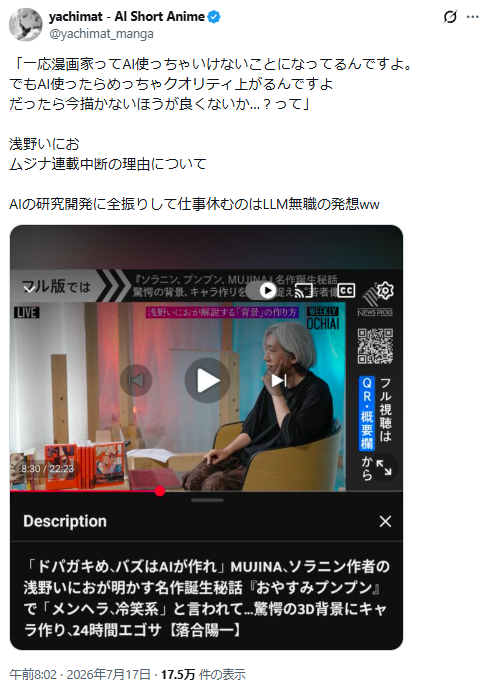
Meanwhile, some Japanese netizens found the situation ironic, joking that Asano's decision to halt his work to focus on AI research was the kind of thinking you'd expect from someone who'd been laid off and replaced by an LLM.
The sentiment seems to be that he's putting the cart before the horse—if he has time to research AI, why not spend that time creating?
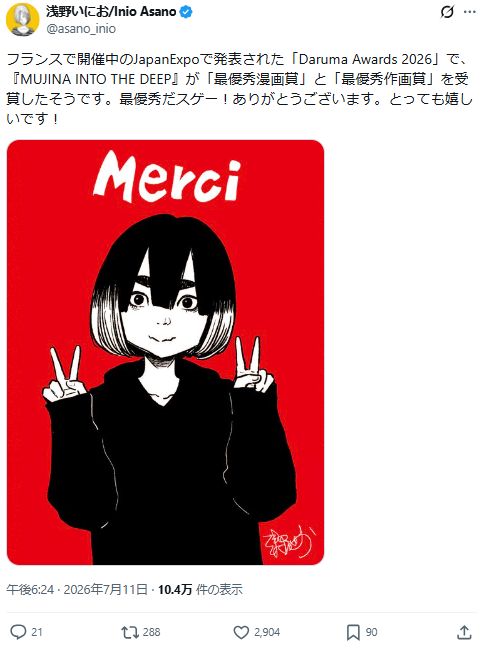
On the other hand, Asano's artistic merit remains undeniable. His series *Mujina Into the Deep* recently won both Best Manga and Best Art at the "Daruma Awards 2026" held at Japan Expo in France, proving his craft is still highly acclaimed.
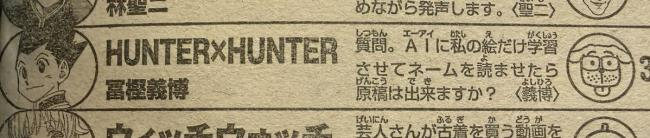
This isn't an isolated conversation. Recently, *Hunter x Hunter* creator Yoshihiro Togashi mused in his weekly author comments, "If I took art drawn only by me, had an AI learn from it, and then had it draw the storyboards (drafts) for me, would that still count as my original work?" The question highlights the broader uncertainty surrounding AI's role in manga.
The debate over AI in creative fields like art, manga, and gaming has been raging for years. While no one questions the skill of veteran artists like Asano, their willingness to explore AI as a tool forces the industry and fans alike to consider a critical question: what are the new rules of creation, and who gets to write them?