

The rise of generative AI has moved beyond images and into the realm of audio, with AI voice cloning becoming a major headache for professional voice actors. Now, one of the industry's most iconic figures is speaking out.
Veteran voice actress Megumi Ogata, a prominent voice on the issue of AI voice training, recently sat down with the TBS program news23 to express her grave concerns.

With a career spanning over 30 years, Ogata is a legend, known for voicing iconic characters like Kurama in Yu Yu Hakusho, Shinji Ikari in Neon Genesis Evangelion, and more recently, Yuta Okkotsu in Jujutsu Kaisen. But in recent years, her biggest worry has been the unauthorized use of her voice by AI.
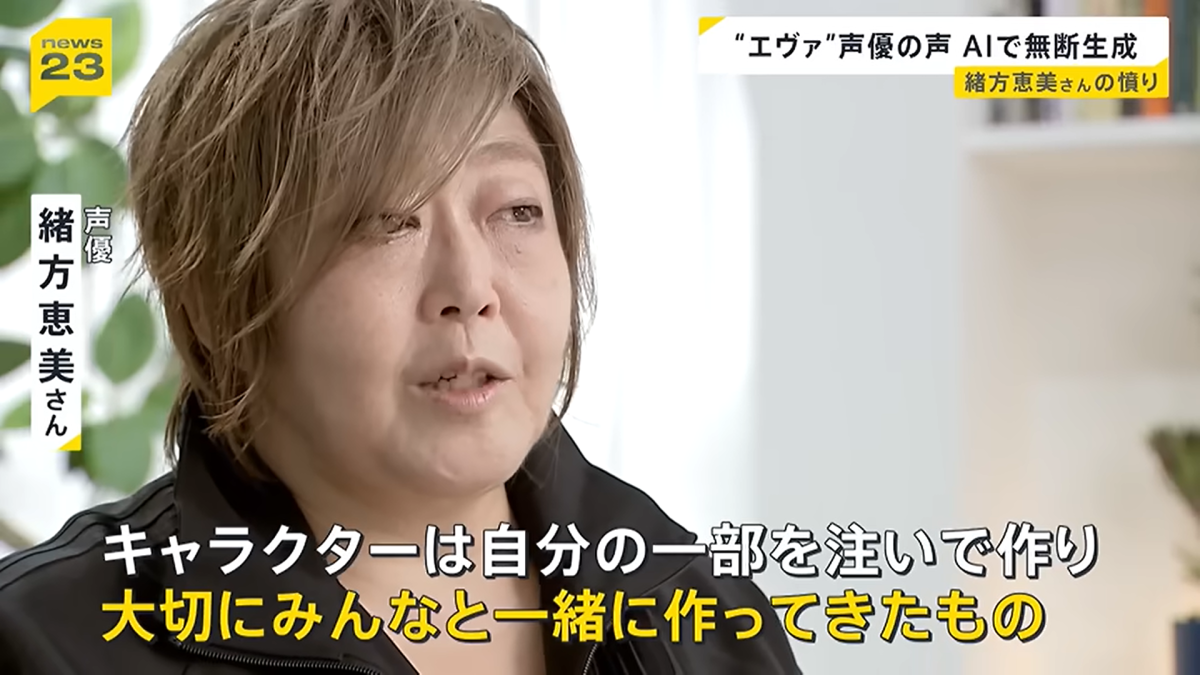
Countless videos using generative AI to mimic the voices of famous actors have already flooded social media. "What's most often being generated are the voices of our characters," Ogata explained. "We pour a part of ourselves into these characters, working with so many people to bring them to life. They are incredibly important creations, so seeing this happen is truly infuriating."
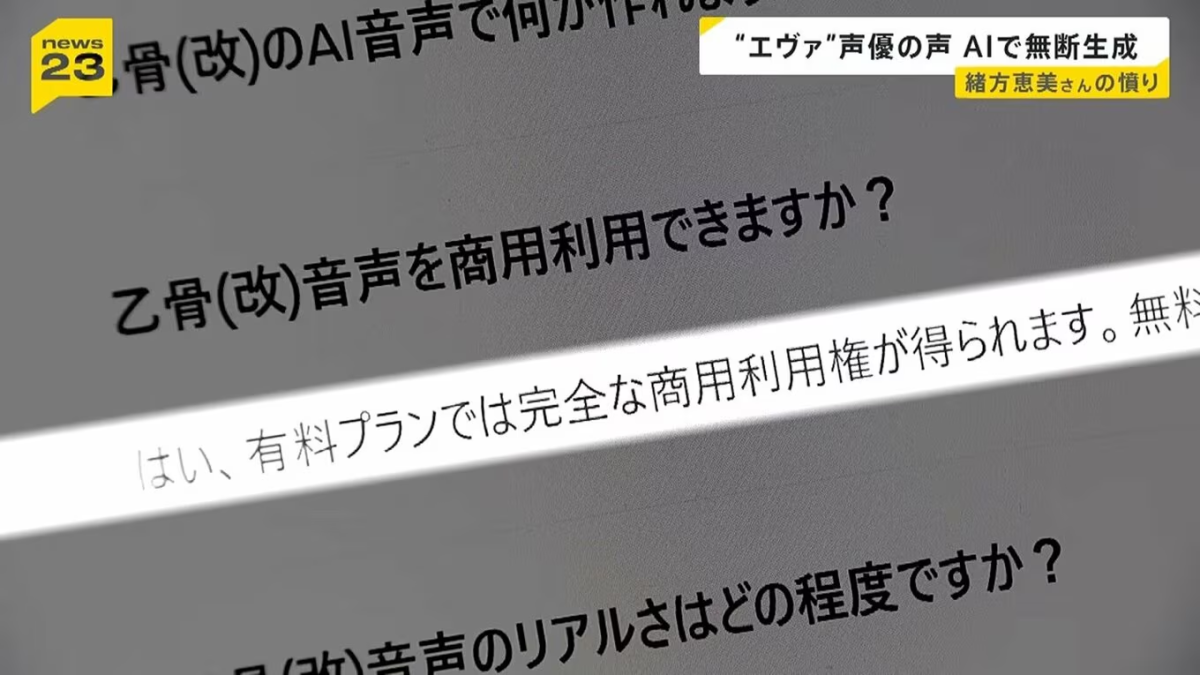
Some websites now offer AI models that can perfectly imitate anime character voices, including AI versions of various voice actors. Users can simply type in text and have the AI read it in a specific character's voice. Shockingly, one site even explicitly states that these custom-generated AI voice clips can be used for commercial purposes.
In response, a group of voice actors has already demanded that these sites remove the unauthorized AI models, arguing that they illegally exploit their vocal performances.
Ogata stated bluntly that the existence of such sites can no longer be ignored. "My voice is part of my identity," she said. "When someone makes my voice say things I would never want to say and then sells it, it's incredibly painful. It makes you wonder how things got to this point."
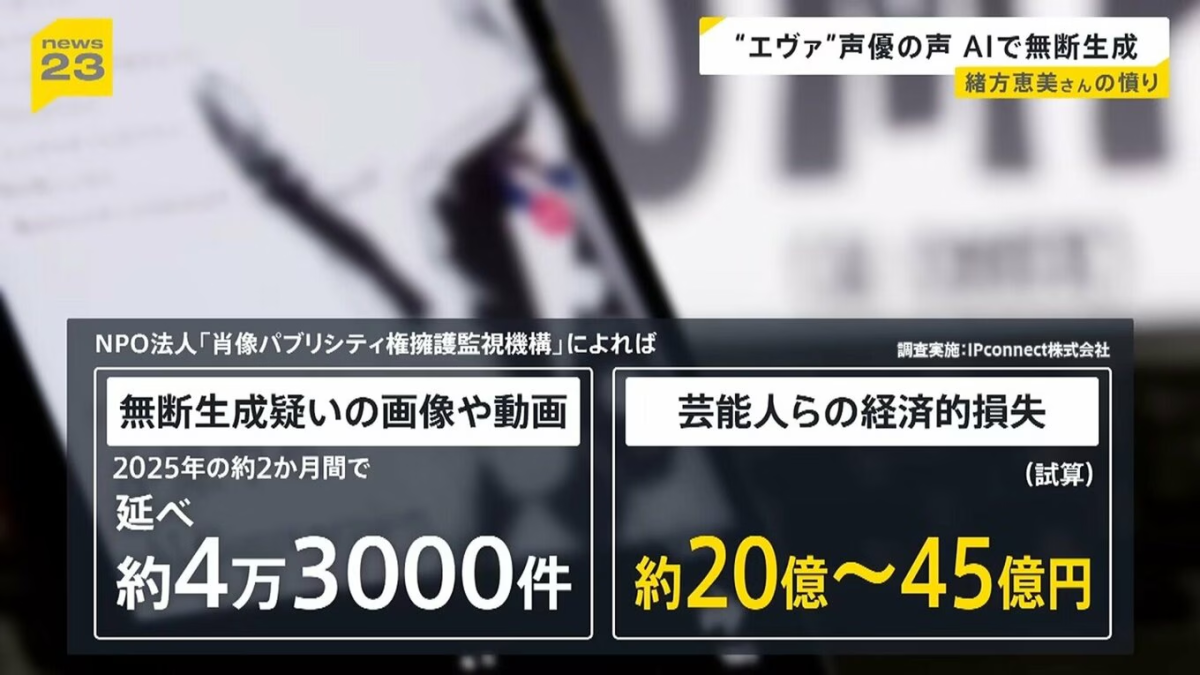
According to estimates from a Japanese NPO, approximately 43,000 images and videos suspected of using AI to generate unauthorized voices of actors and celebrities appeared online in just a two-month period in 2025. The resulting economic damage to artists and creators is estimated to be between 2 billion and 4.5 billion yen.
Currently, Japan has no specific laws protecting "voice rights," leaving the unauthorized generation of voices in a largely unregulated gray area.
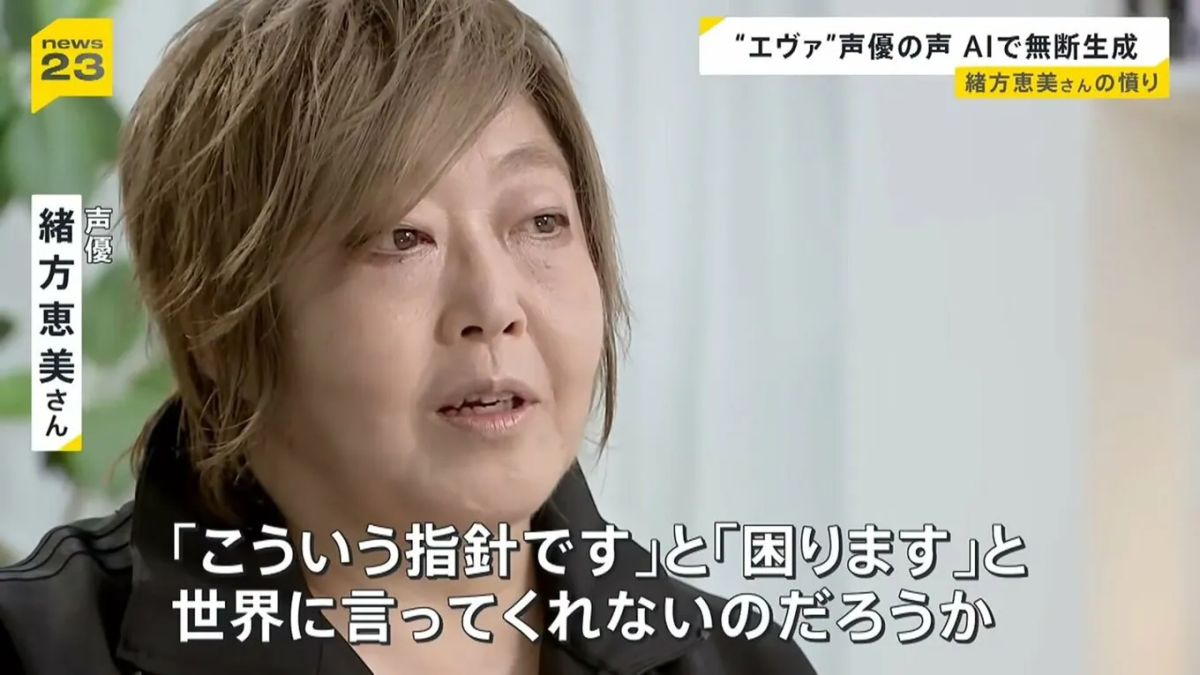
"It's not just voices. Japan is on the verge of becoming the world's primary source of training material—anime and manga—for AI," Ogata pointed out. "If Japan is considered a 'content powerhouse,' why hasn't the government established regulations and clearly communicated to the world what is and isn't acceptable?"
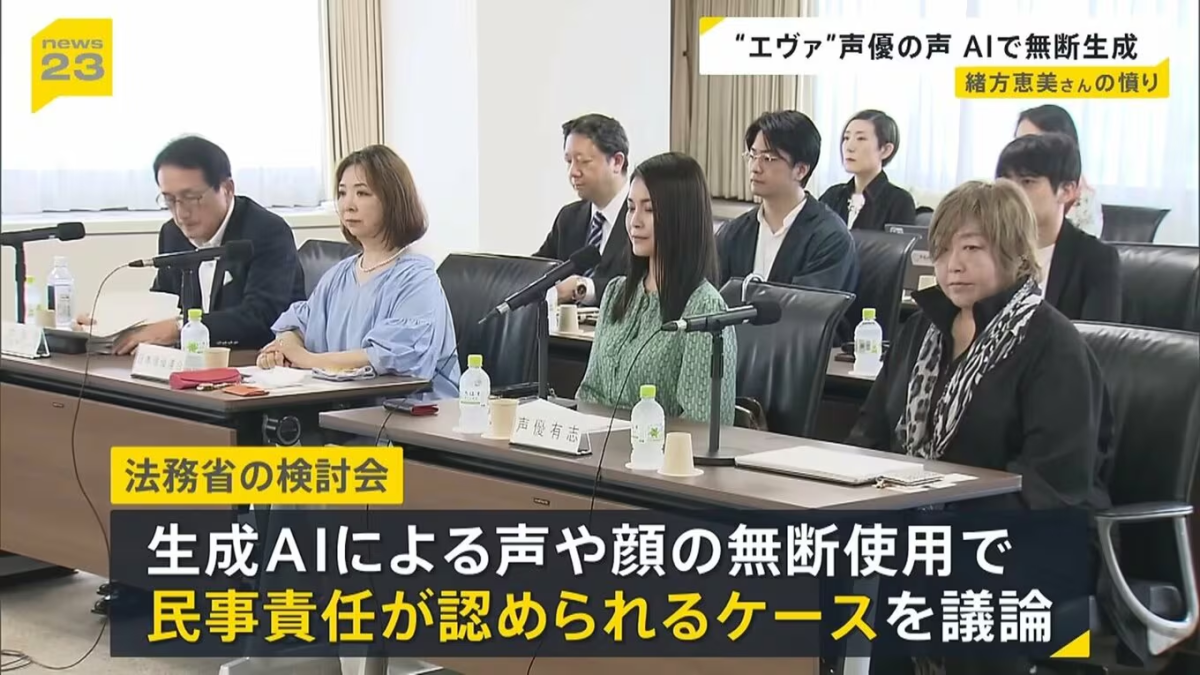
In May 2026, Ogata and several other voice actors participated in a symposium held by Japan's Ministry of Justice to discuss civil liability for the unauthorized use of voices and likenesses by generative AI. During the meeting, she strongly urged, "I hope we can put a stop to the unauthorized generation of people's voices."
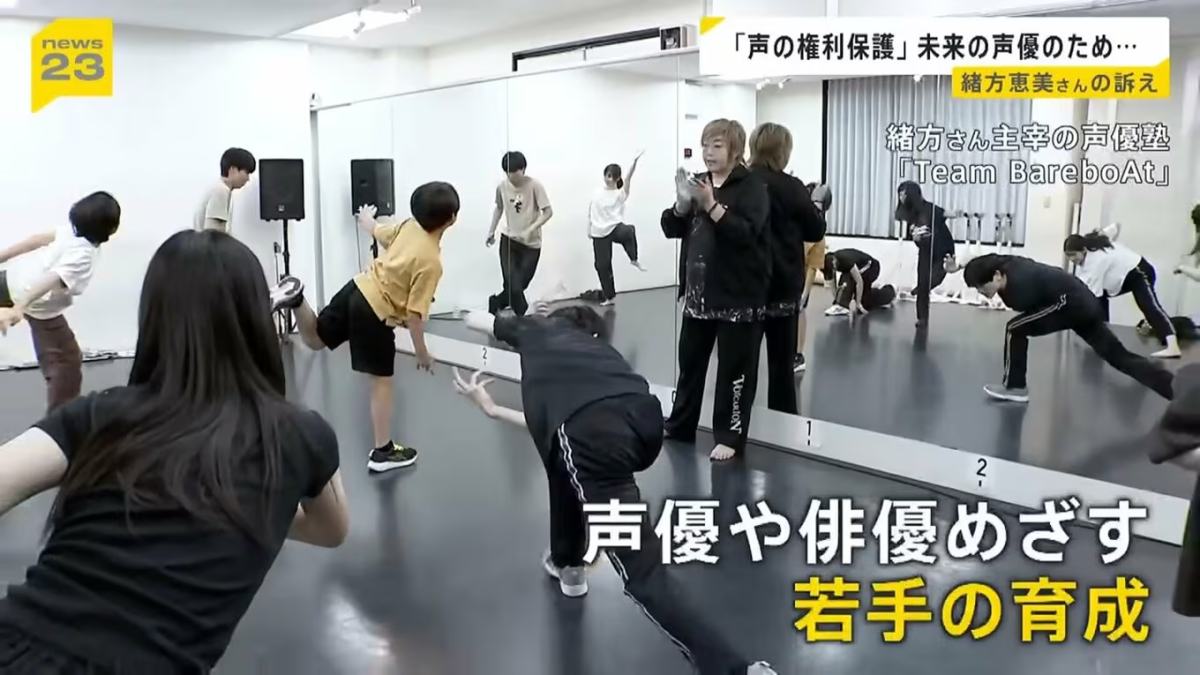
For years, alongside her voice work, Ogata has been dedicated to training the next generation of voice actors and performers. In her classes, she emphasizes the one thing AI can never fully replicate: emotional acting that comes from the heart.
Her students have admitted they fear AI will take away their future job opportunities. "Imagine the character's emotions more concretely," she tells them in class. "Why are they crying like that? What's the reason? If you can't reinterpret the character through your own body and emotions, you can't call yourself a true voice actor."
On July 27, the Ministry of Justice symposium released its latest draft guidelines. The draft proposes that the voices of performers like voice actors and singers should be protected under the "right of publicity," which safeguards the commercial value of one's identity from being arbitrarily used. If this passes, individuals who use AI to create videos with unauthorized voices and monetize them on social media could face civil liability, including paying damages.
Ogata is calling for Japan to quickly establish a more complete legal framework to protect all the young people who want to pursue careers as voice actors and performers. "Someone like me, who has some name recognition, might have the power to stand up and try to stop this," she said. "But I'm truly worried that future voice actors will find it incredibly difficult to even make a living."
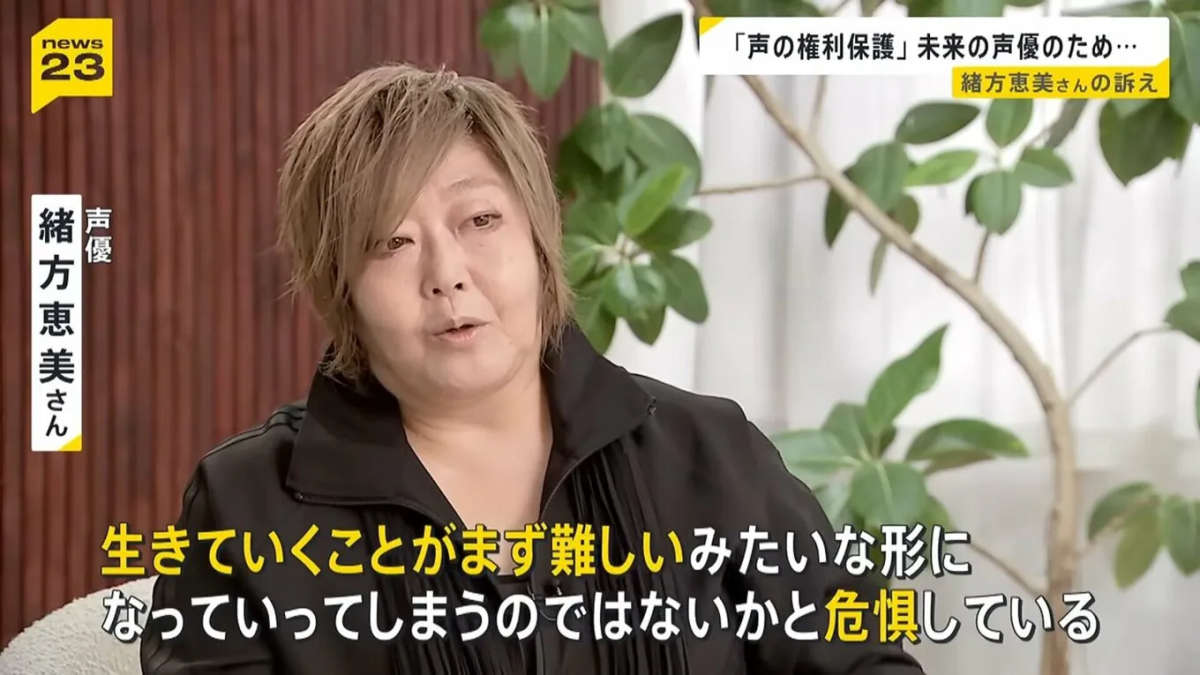
"Generative AI will continue to advance, and I think that's a wonderful thing," she added. "However, if the use of AI is built on trampling the creative work that people have spent years building, and if it puts an entire industry in jeopardy, then it is absolutely not the right path forward."
Japan is gradually moving toward establishing relevant regulations, offering a glimmer of hope for resolving the AI voice issue in the future.
via: TBS NEWS DIG