

Yuji Horii, the legendary game designer best known as the creator of the Dragon Quest series, recently took to X to share his experience making a game with AI. Horii explained that game development once required him to handle everything himself, from writing the story and drawing the artwork to programming the game. Today, he says, even someone who cannot draw or code can create a reasonably polished game alone in a short amount of time simply by giving instructions to AI.
Even more surprising, Horii said the entire game took him only around 30 minutes to make. Rather than criticizing his use of AI, many commenters praised his willingness to experiment with the technology at this stage of his career, quickly turning the post into a lively online discussion.

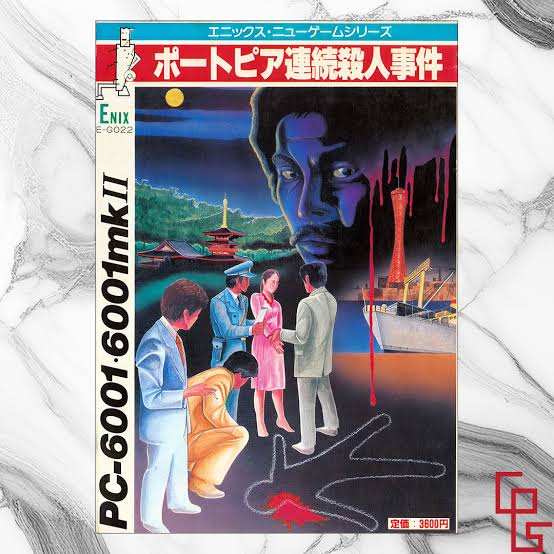
In an October 11 post, Horii recalled making The Portopia Serial Murder Case on a computer, handling the story, artwork, and programming entirely by himself.
(The Portopia Serial Murder Case is a mystery adventure game designed and released by Horii in 1983.)
With the development of AI technology, however, people can now use text prompts to create games even without drawing or programming skills. Horii said he was astonished by the change, revealing that the game he shared, "The Pawnshop Safe Theft Incident," took only about 30 minutes to complete.
It may be a simple game without much difficulty, but players generally found its design entertaining, praising it as a clever and surprisingly engaging bite-sized experience.
After the post went live, many fans were thrilled to see Horii personally experimenting with AI game development. For some, watching the legendary creator embrace a new technology was genuinely moving.

One commenter noted how exciting it was to see the developer who once created The Portopia Serial Murder Case almost entirely by himself now building a game with AI. Others were equally impressed that he had finished the project in just 30 minutes and immediately made it available for everyone to play.


Several players also tried the game for themselves and reported having a great time. Some needed a second attempt to clear it, while others managed to earn an S rank. Judging by the responses, the project did more than showcase what AI can produce; it also delivered an actual game experience that players enjoyed.

Alongside the praise for Horii's experiment, the post also sparked a broader conversation about AI's potential impact on the games industry.
One web and AI application developer observed that creators who once had to personally handle every stage of production can now use prompts to turn ideas into playable projects much faster. As the barriers to game development continue to fall, the ability to clearly define what players should experience may become the key to giving a game its own identity.

Another player argued that Horii's work is compelling not simply because of its game systems, but because of the strong creative personality behind it. Dragon Quest, for example, owes its distinctive appeal to the combined talents of creators including Horii, Akira Toriyama, and Koichi Sugiyama. That kind of creative identity is not something AI alone can easily reproduce.

From Horii creating a game with AI to players sharing their hands-on reactions, the response shows how AI tools are making game development more accessible to newcomers.
Lowering the technical barriers, however, does not make a creator's experience, imagination, or personal style any less important. The real question for game development in the AI era may be how creators can use these new tools to transform their ideas into games that are genuinely fun to play.