

The Japanese film "Godzilla -0.0" pits Godzilla against his archrival King Ghidorah in a full-scale clash, with the two colossal Kaiju brawling through the ruins of Ginza. The sequence became one of the production’s toughest visual-effects challenges. Director Takashi Yamazaki recently revealed that the team brought veteran animator Atsushi Sato out of retirement to help create the climactic battle and give every earth-shaking impact convincing force.
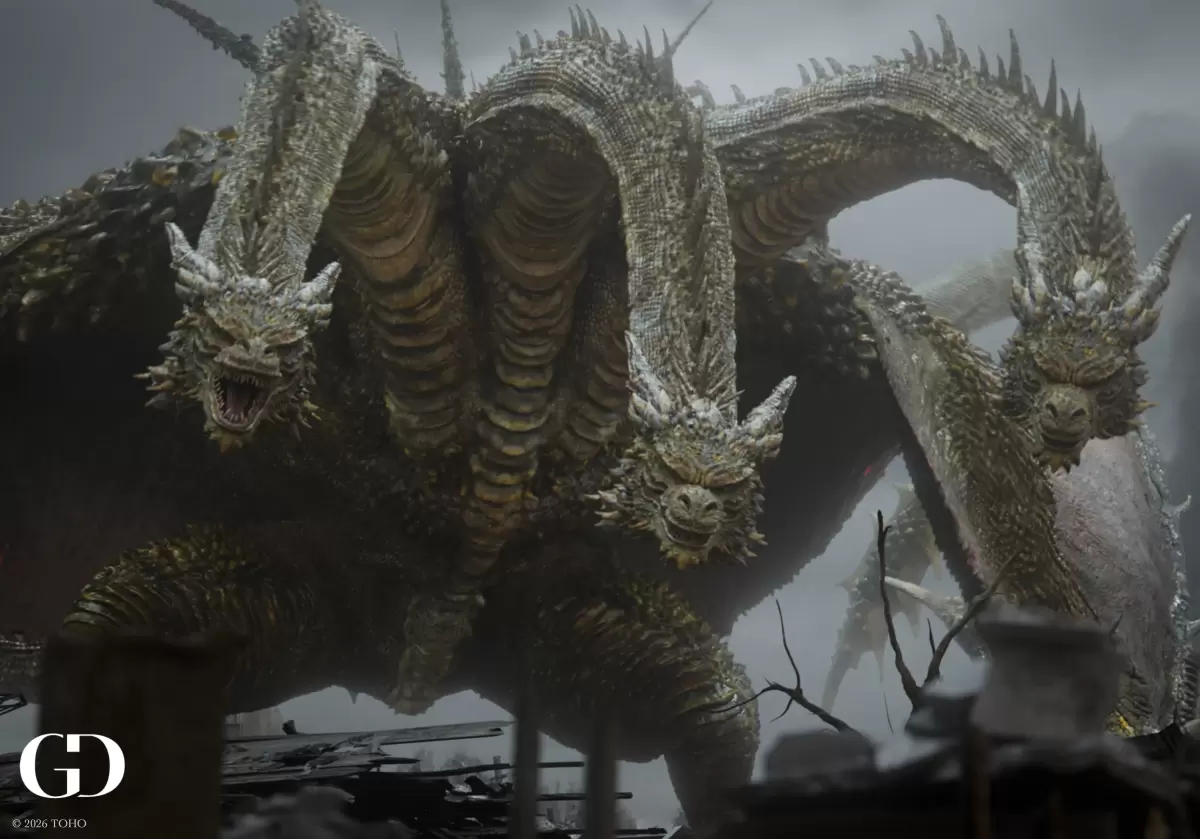
According to an interview with Gold Derby, Sato’s Hollywood credits include "King Kong," "I, Robot," "The Amazing Spider-Man," and "Spider-Man: Into the Spider-Verse." Yamazaki tapped him for his experience animating dragon-like creatures, hoping he could give the three-headed, two-winged Ghidorah natural movement and the immense sense of weight its massive body demanded.
One of the animation team’s biggest challenges was making Ghidorah feel suitably heavy as it spread its wings and took flight. Yamazaki explained that Sato’s finely tuned animation allowed the creature to build momentum with each wingbeat, selling the tremendous effort required for something that enormous to leave the ground.
“It’s an extraordinarily massive creature, yet it can fly. I think his animation gave the scene the weight and realism it needed,” Yamazaki said.
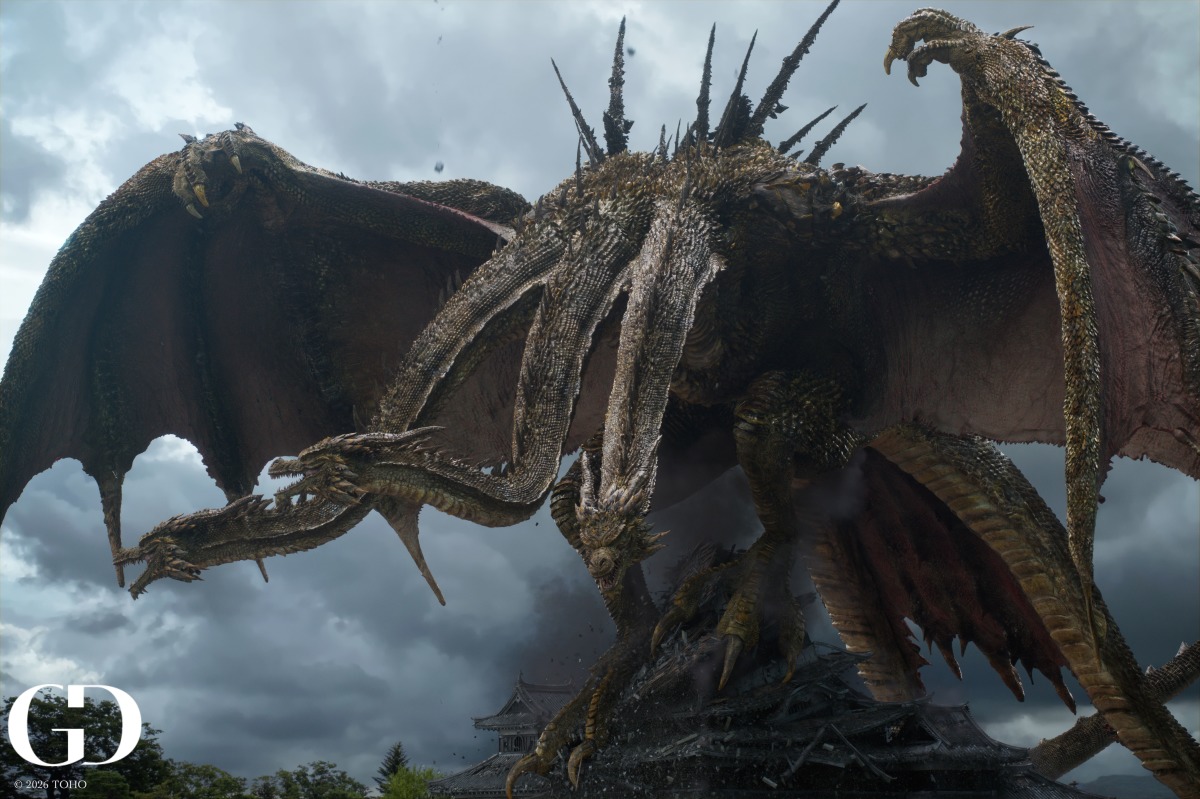
The close-quarters fight between Godzilla and Ghidorah proved even more technically demanding. Yamazaki explained that whenever the two Kaiju collided or grappled, the team had to precisely animate every point of contact and physical reaction. Otherwise, the digital models could pass through each other and instantly shatter the illusion.
“These days, it’s easy to assume computer animation can handle everything, but creating the illusion of two objects genuinely colliding is extremely difficult,” Yamazaki said. Drawing on decades of animation experience, Sato successfully conveyed the force and weight behind every blow, making the monster showdown feel all the more convincing.
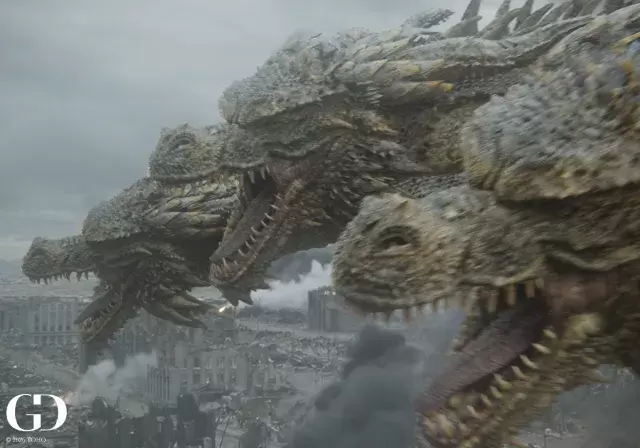
The film’s visual effects were produced by Japan’s Shirogumi, with a larger team than the previous installment. Yamazaki said the production also devoted more time to research and development, including studying drone footage to improve the movement and perspective of aerial camera shots. The film reportedly contains 669 visual-effects shots, up from 610 in its predecessor.
Ghidorah’s weight was not conveyed through visuals alone. In an interview with Japan’s Cinema Today, sound designer Natsuko Inoue explained that the team simulated the beating of its wings by swinging heavy rubber waders, then layered those recordings with other materials. By giving the wings and neck a tangible sense of thickness through sound—and carefully matching that audio to the creature’s movements—the team made the Kaiju battle feel even more believable.
via: Gold Derby Cinema Today