

Previous reports revealed that Rockstar Games sent developers into the field to capture the look and feel of Florida for "Grand Theft Auto VI." The team visited Miami nightclubs, strip clubs and beaches, joined former police officers on late-night patrols and explored different neighborhoods to gather visual and cultural reference material.
But the research behind "GTA VI" was hardly Rockstar’s first brush with danger. In its pursuit of authentic crime culture, the studio has conducted even riskier investigations over the years. Gregory Johnson, a former researcher who worked on both "Grand Theft Auto V" and "GTA VI," recently told IGN that Rockstar ventured into gang-controlled areas and met directly with smugglers and gang members, turning those real-world encounters into characters, missions and environmental details.
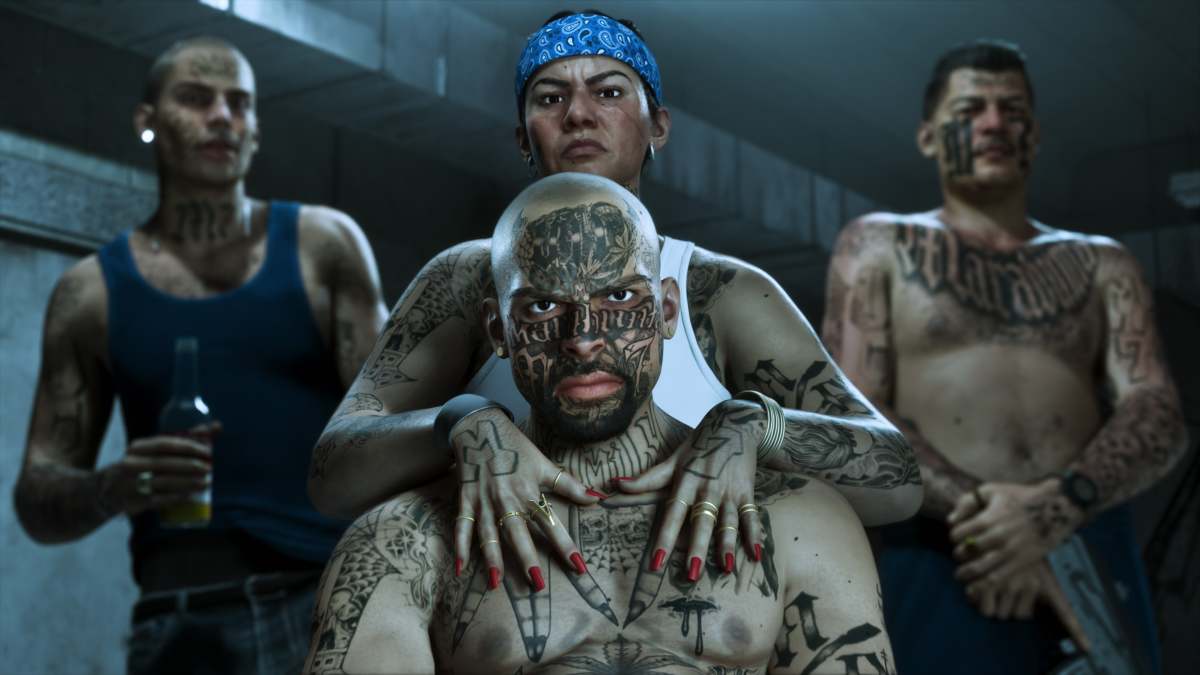
Johnson recalled joining other team members on a late-night police ride-along through East Los Angeles while "Grand Theft Auto V" was in development.
“We were riding around East Los Angeles with the police, and it was very late,” he said. “It was still a neighborhood with active gangs, where something could happen at any moment. I knew what the signs meant, and I saw plenty of them, so I was extremely nervous. I kept thinking, ‘We’re probably going to be fine, right? But what if something actually happens?’”
As the police cruiser turned a corner, whistles suddenly rang out from the rooftops of nearby buildings. More whistles quickly echoed across the neighborhood. Johnson explained that gang lookouts stationed on the roofs were using the sounds to alert other members that police were in the area. Before long, several masked cyclists emerged from the alleys, caught up with the cruiser and rode alongside it on both sides while repeatedly peering inside.
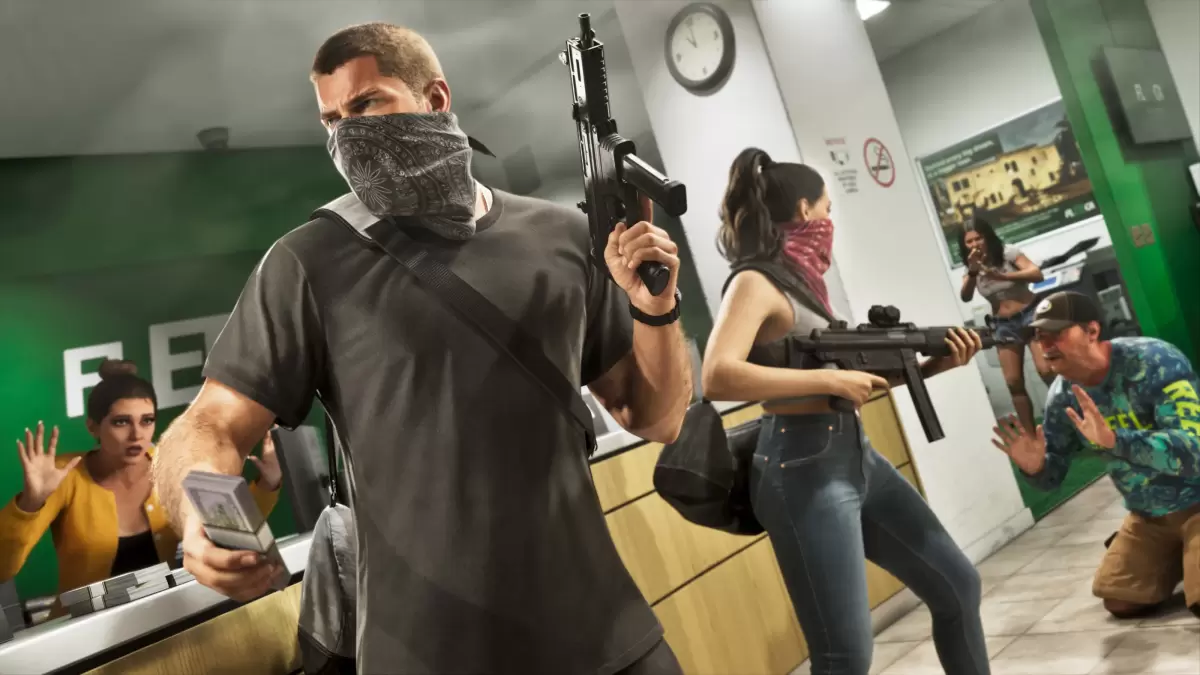
“Mexican gangs in Los Angeles are known for being highly organized,” Johnson said. Although the officers were armed, he believed neither side wanted the situation to escalate. “They generally aren’t looking to use violence against police, and we didn’t want anything violent to happen either. We were just trying to get a feel for the neighborhood—and maybe stick a telephoto lens out the window to take a few pictures.”
The team completed the research trip without incident, but Johnson never forgot the tension. “When I saw the entire neighborhood suddenly spring into action, it was obviously very useful if you wanted to recreate something like that in a game,” he said. “But when you’re actually in the middle of it, you can’t help thinking, ‘This could go very wrong.’”
Most of the developers traveling with him were from the United Kingdom and Ireland and had never experienced anything similar, leaving Johnson to calm everyone down. “They asked me, ‘Greg, is everything okay?’ I said, ‘Yeah, it’s fine. Everything’s great.’ I was completely lying.” He described the assignment as “somewhere between location scouting and espionage.”
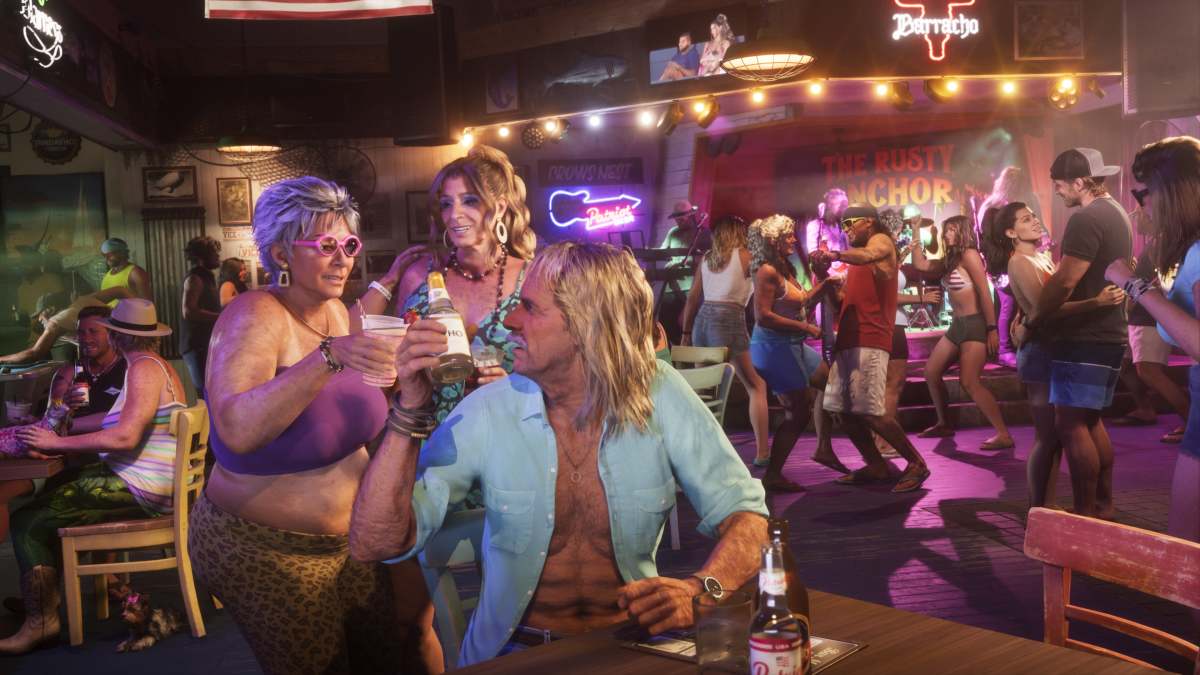
Before joining Rockstar Games, Johnson spent 16 years at hip-hop culture magazine Vibe, giving him extensive knowledge of American street culture and the music industry. He said Rockstar co-founder Dan Houser wanted to establish a professional research department that could provide the game’s writers with material gathered through field interviews and cultural research.
“As the graphics, gameplay and voice acting improved, everything from environmental details to mission content required more background information,” Johnson said. “That material could then be transformed into memorable, immersive experiences.” The team compiled its observations into internal reports, with some of that research eventually inspiring in-game radio commercials, television programs, character backstories, random events and NPC dialogue.
During one investigation, the team even interviewed a smuggler who had dealt directly with Colombian drug lord Pablo Escobar. The man had participated in drug-smuggling operations during the 1970s and 1980s and shared firsthand stories about transporting cocaine with submersible vessels and being kidnapped by members of a rival cartel.
Johnson believes some of those interviews may have helped inspire The Cayo Perico Heist in "GTA Online." Meeting such figures, however, came with obvious risks. “While I was spending time with this man and his assistant in Miami, it suddenly occurred to me that his enemies could show up at any moment,” he recalled. “And those people weren’t going to stop and carefully figure out who was who.”
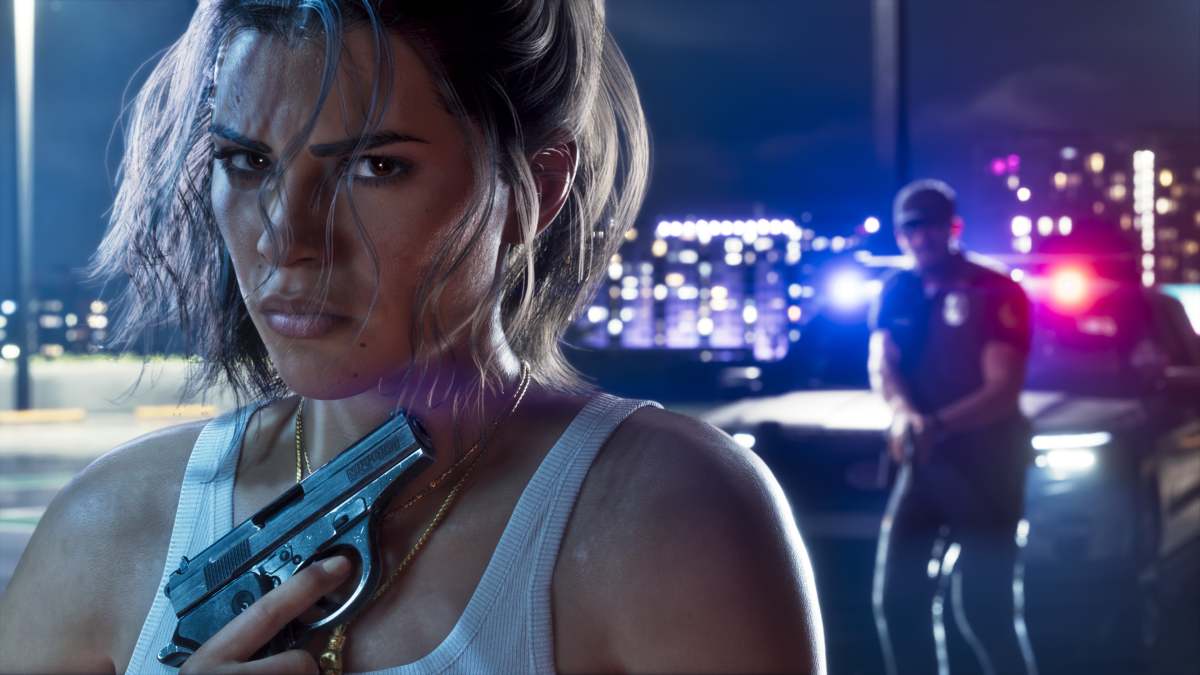
Rockstar also invited real gang members into the studio to record character dialogue. According to Johnson, DJ Pooh, Estevan Oriol and Mister Cartoon helped connect the company with people from street backgrounds, who voiced minor characters and sometimes corrected the script themselves.
“Somebody would tell you, ‘Man, listen, we wouldn’t say it like that. This is how we’d say it,’” Johnson explained. Even after the research team had done everything possible to authenticate the script, people who had actually lived that life still had a better grasp of the latest local terminology and slang. He added that many of the people invited to record dialogue valued the opportunity because they might never otherwise have had a chance to work in the video game industry.
That field-research approach continued during the development of "GTA VI." Johnson said he and the team once flew by helicopter from Miami to Key West, traveling at low altitude and using telephoto lenses to document islands, coastlines and urban scenery from multiple angles.
“We did so many different things,” Johnson said. “I visited prisons, met street racers and gang members, and sat down with FBI agents. If something could make the game feel more immersive and authentic, we were willing to try almost anything.”
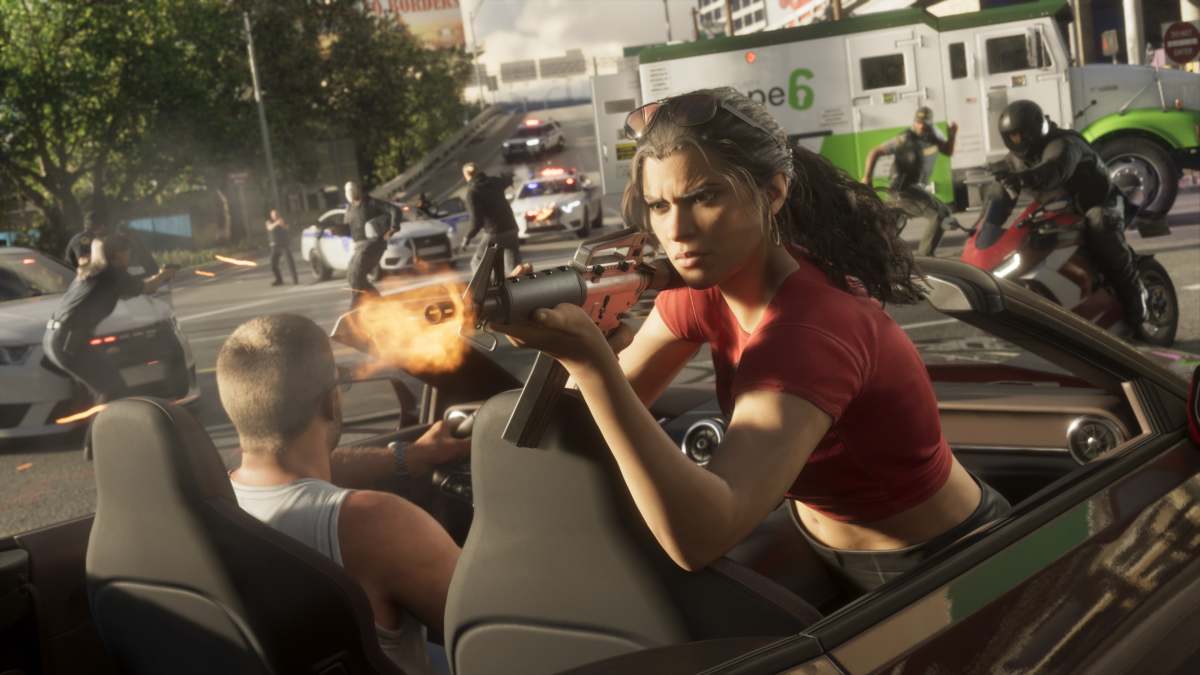
Meanwhile, Rockstar North co-head Rob Nelson previously told The Guardian that the studio’s Miami field research for "GTA VI" began as early as 2015, covering the city’s streets, nightlife and local culture.
Bloomberg also reported that Rockstar established a dedicated NPC production team in Los Angeles, bringing together writers, producers and directors to create richer character interactions throughout the game world.
Johnson emphasized that Rockstar’s field research was meant to give developers a genuine understanding of the social environments that inspired each game’s setting—and allow them to transform those experiences into a convincing fictional world. Although he left the company midway through the development of "GTA VI," he believes the research team successfully established a crucial cultural foundation for the game.
via: IGN