

Takashi Yamazaki's latest Godzilla movie, Godzilla Minus Zero, recently began rolling out across Japan, the U.S., Taiwan, and other markets. Theaters have been packed, and the film has delivered an impressive performance at the global box office.
Longtime Godzilla fans know that the franchise has been entwined with the threat of nuclear weapons since Ishiro Honda's original Godzilla arrived in 1954. But Godzilla Minus Zero marks the series' first direct depiction of the atomic bombing of Hiroshima. Why did the filmmakers choose to recreate the devastation so realistically? Japanese newspaper Nikkan Sports recently spoke with Takashi Yamazaki about what drove that decision.
The Hiroshima Peace Memorial Museum recently announced plans to introduce an “optional viewing” system, allowing children to decide whether they want to see paintings and photographs depicting the horrors of war. The move sparked widespread media coverage and public debate, reflecting the deep unease surrounding how the history of the atomic bombing is presented to children—and fears that such material could leave lasting psychological scars.

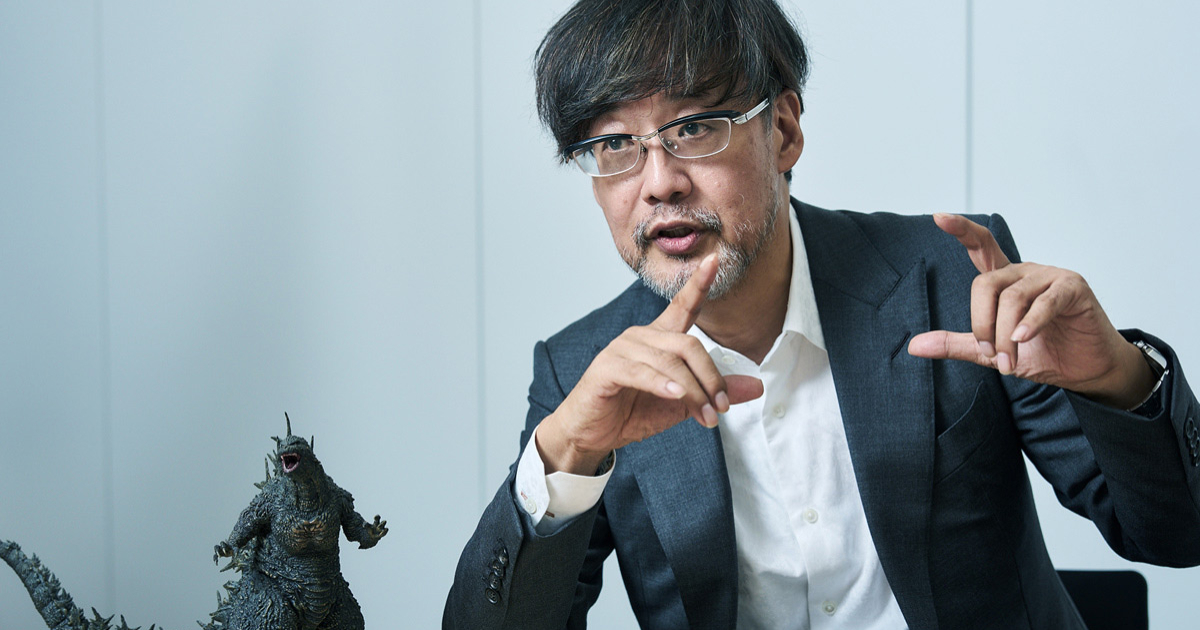
Yamazaki revealed that he had already been considering “making a standalone film centered on Hiroshima.” He had conducted interviews, toured preserved wartime sites, and listened to people recount what happened there. While he initially felt that bringing such a project to the screen was still “a long way off,” he also developed a powerful sense of urgency: some stories, he believed, needed to be told now.
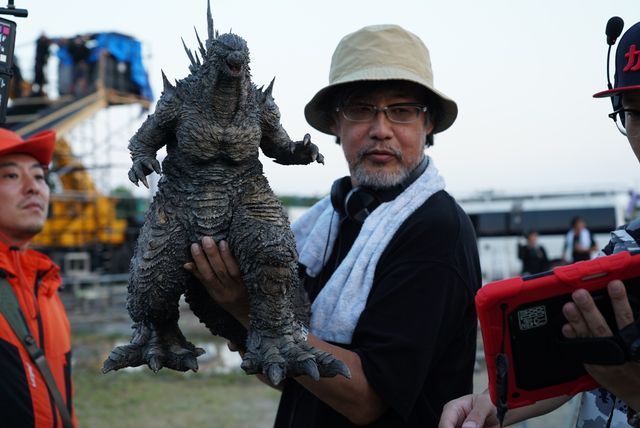
On November 3, 2023, the opening day of Godzilla Minus One, a sequel was officially announced. Yamazaki later had dinner with Min Tanaka, who plays Professor Kanji Murakami. During their conversation, the two agreed that a film about Hiroshima needed to be made as a response to Christopher Nolan's biographical drama Oppenheimer.
Yamazaki had not originally planned to explore the subject through Godzilla, but his thinking began to shift after speaking with Nolan. Yamazaki told him, “I feel that Japan also needs to make a film responding to this one. I hope I can make that happen someday.” Nolan replied, “I would very much like to see it.”
That exchange prompted Yamazaki to reconsider. “Godzilla has always carried the weight of nuclear weapons and war. The connection is already there. Perhaps this is something we can do now,” he explained. Yamazaki then secured Toho's approval and decided to tell the story through Godzilla.
▼ Yamazaki's conversation with Christopher Nolan
The production team held repeated discussions over just how explicitly an entertainment-driven Godzilla movie should depict the horrors of the atomic bombing.
In 2017, the Hiroshima Peace Memorial Museum removed its life-size mannequins of atomic bomb victims, citing concerns that the graphic displays could traumatize visiting children. The figures realistically depicted victims with severe burns and badly damaged skin. Yamazaki followed the debate surrounding their removal before ultimately deciding, “A movie may present these images in a more restrained, less direct way, but some things still have to be shown.”
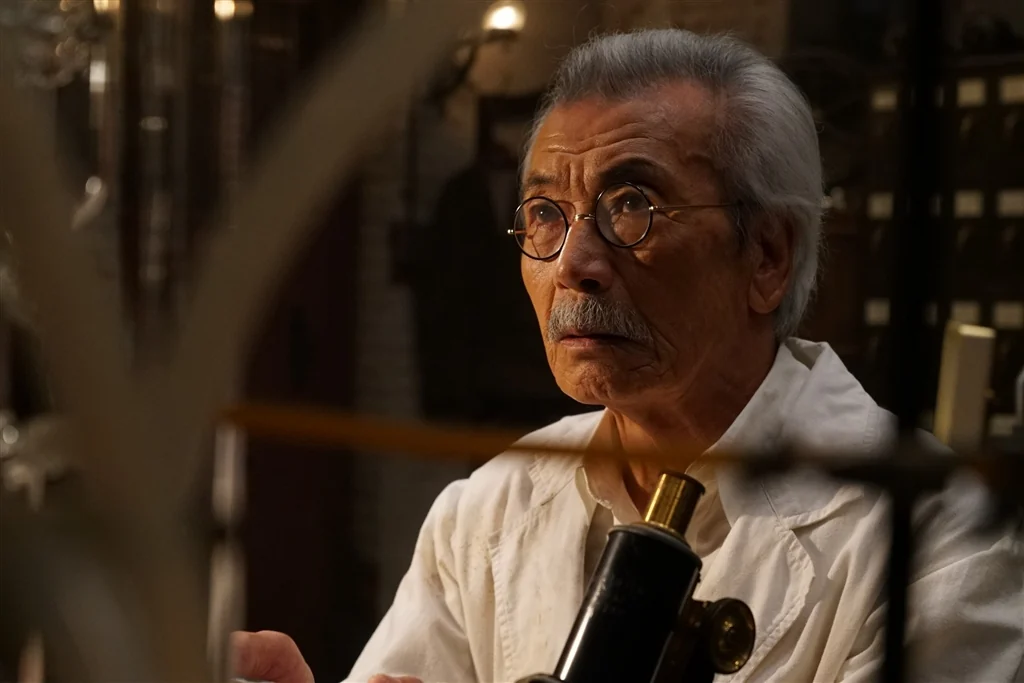
Meanwhile, as part of its plans to open a children's exhibition area in 2028, the Hiroshima Peace Memorial Museum has decided to introduce an “optional viewing” system that lets children choose whether to see paintings and photographs depicting the horrors of war. Against this social backdrop, Godzilla Minus Zero still presents a starkly realistic vision of Hiroshima after the bombing, including victims with severely burned skin. The film also casts Min Tanaka as biologist Kanji Murakami, a man who lost his family in the atomic bombing.
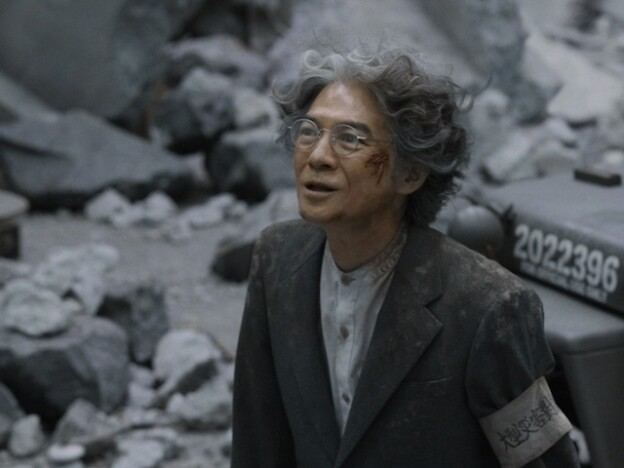
Explaining why he insisted on this approach, Yamazaki said, “Audiences need to see these things properly. Society today seems to be moving toward shielding people from this kind of material as much as possible. That is precisely why I felt we might need to make a deliberate point of showing it.”
He continued, “I believe many people will see this film—not only in Japan and the U.S., but around the world. I don't want audiences to treat this as history from some distant country that has nothing to do with them. I want them to see it as something that concerns them personally and seriously think about it.”
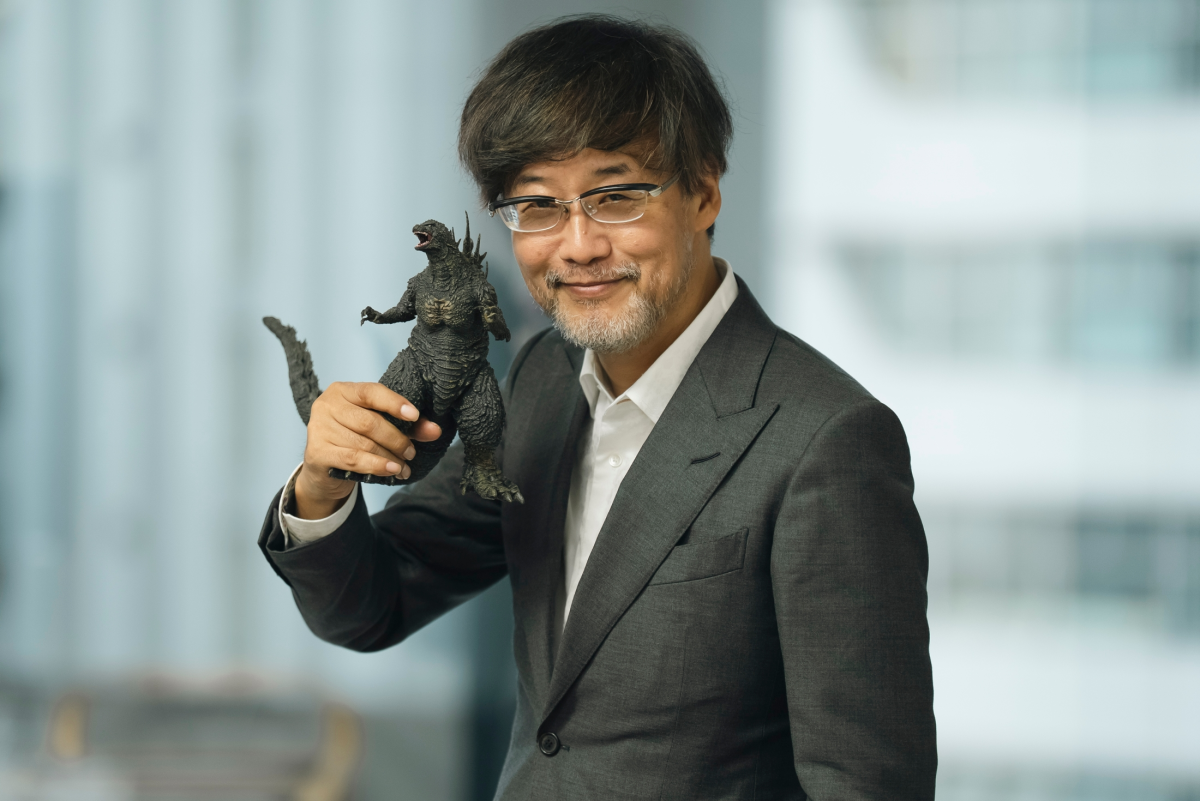
Yamazaki's determination to bring the bombing of Hiroshima into Godzilla Minus Zero becomes much clearer in this context. Godzilla has always been inseparable from questions of nuclear power and nuclear weapons, while society is increasingly giving people the option to look away from this history.
For Yamazaki, few platforms could be more fitting—or more powerful—for confronting that story than Godzilla.
via: 日刊スポーツ