

Japanese character IP enjoys enormous popularity worldwide, but that success has also fueled a growing wave of increasingly sophisticated counterfeits and escalating infringement.
Recently, three major companies—BANDAI SPIRITS, SQUARE ENIX, and CAPCOM—launched a new joint initiative, working together on criminal enforcement action against an e-commerce seller distributing counterfeit goods in China. What prompted companies that once pursued counterfeiters independently to join forces?
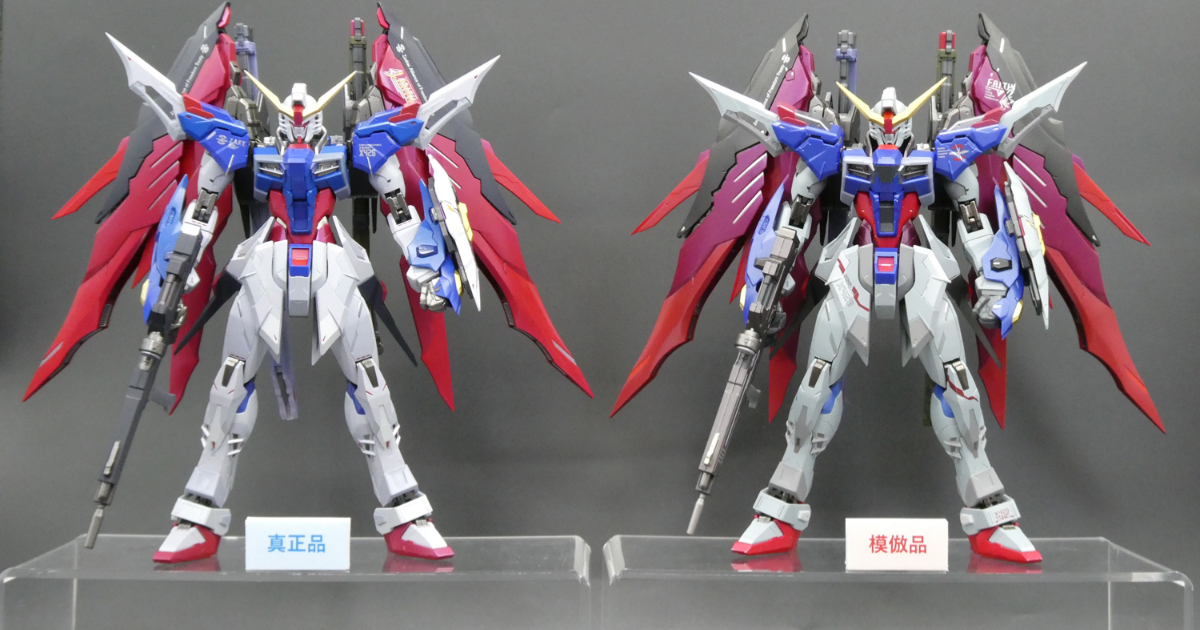
In July, BANDAI SPIRITS partnered with SQUARE ENIX and CAPCOM to pursue joint criminal enforcement action against a counterfeit seller operating a storefront on the Chinese e-commerce platform Taobao. Local authorities conducted compulsory searches of the seller’s office and warehouse, seizing 137 counterfeit products from the Mobile Suit Gundam series. Based on the retail prices of the genuine products, the seized goods were valued at approximately 31 million yen. The store operator was also detained.
The joint operation reflects a basic reality of the counterfeit trade: sellers rarely respect corporate boundaries. If a product is popular, they will often stock knockoffs featuring multiple hit characters and franchises at once.
In fact, warehouses and wholesalers connected to counterfeit operations often store merchandise from a wide range of popular franchises side by side. However, when a single company conducted an enforcement operation on its own, it faced significant limitations. Even if investigators discovered large quantities of counterfeit products belonging to other companies while seizing knockoffs of their own merchandise, they had no authority to authenticate or confiscate those additional items.
As a result, investigators could find thousands of suspected counterfeits stacked in plain sight yet still be forced to leave them behind. This frustrating and inefficient situation persisted for years. The weakening yen also significantly increased the cost of investigating and combating counterfeit operations. Faced with these challenges, the three companies increasingly recognized the need to coordinate enforcement against counterfeit sellers they had identified as shared targets.

Counterfeit goods were once easy to spot, with crude workmanship giving them away at a glance. Today, however, production techniques have advanced dramatically. Modern knockoffs can closely reproduce not only the weight and feel of genuine products but also their finer visual details. Some are now so convincingly made that the average fan may struggle to tell them apart from the real thing.
A representative from BANDAI SPIRITS’ Collectors Toy Department explained:
“An increasing number of counterfeit products now look almost indistinguishable from genuine items at first glance. But no matter how polished they appear, they remain imitations of authentic products. That does not guarantee the quality of less visible aspects such as durability, quality control, or safety.”
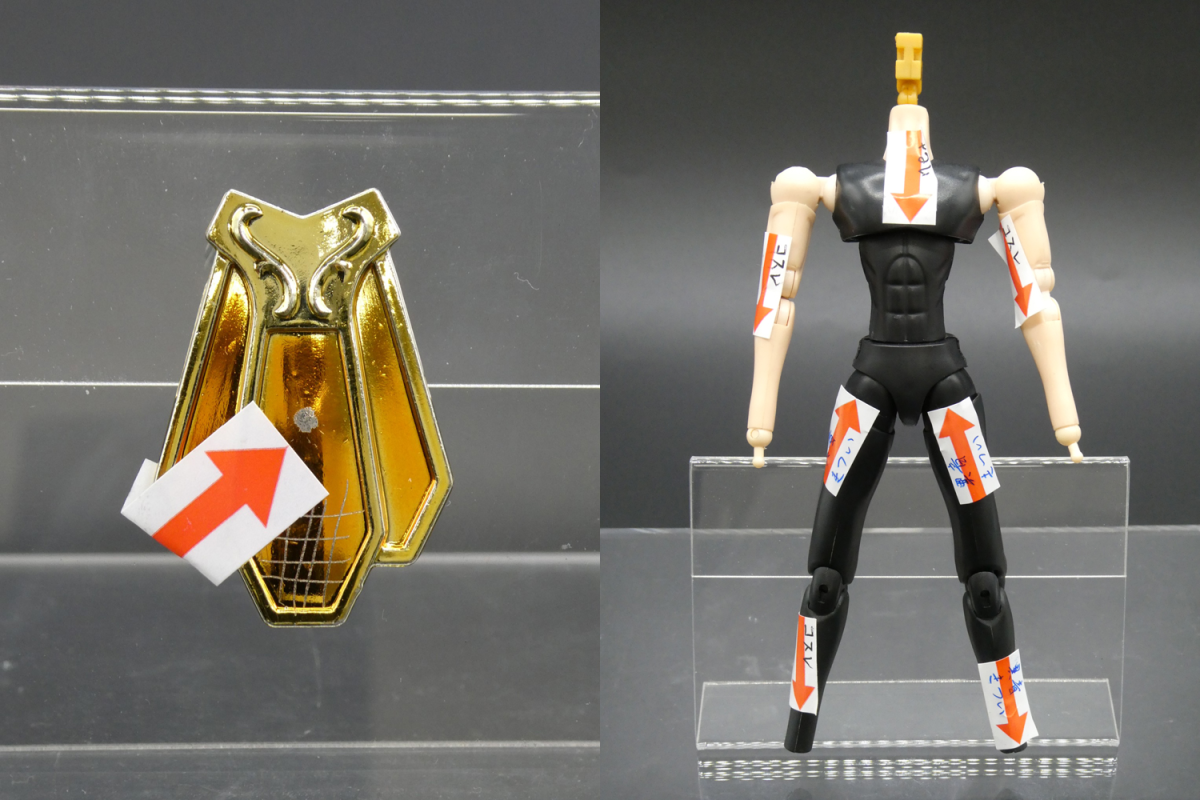
BANDAI SPIRITS previously submitted seized counterfeit products to an independent specialist organization for testing and analysis, which uncovered serious quality issues. Some parts began rusting over time despite the products being left untouched on display. Tape testing also showed that plated coatings peeled away easily, indicating inadequate paint durability. Joint connections presented additional problems: some were too loose to hold their position, while others were so tight that they could not move properly.
More seriously, testing also detected regulated chemical substances that could pose risks to human health. Recently seized counterfeits contained an endocrine-disrupting chemical at a concentration of up to 3.8%, 38 times the applicable safety limit. In other words, beyond their cosmetic and structural defects, these products may carry significant safety risks that consumers cannot identify from appearance alone.
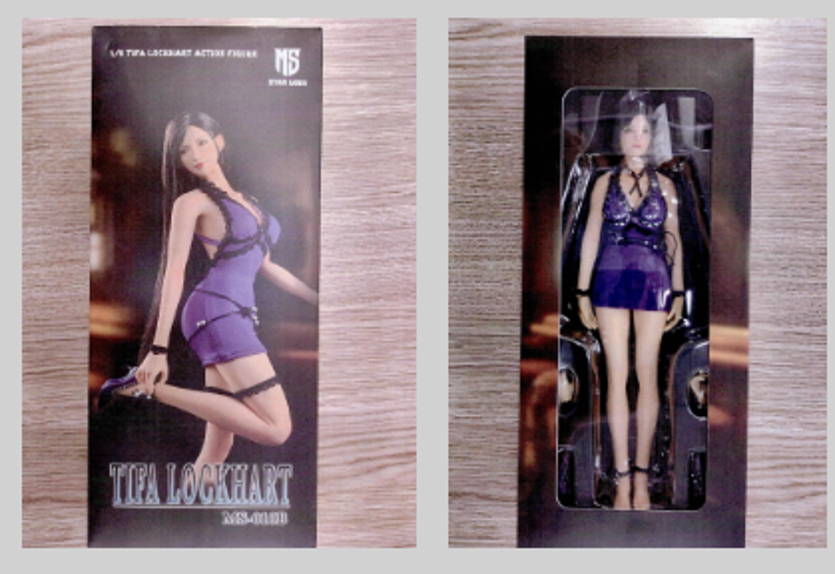
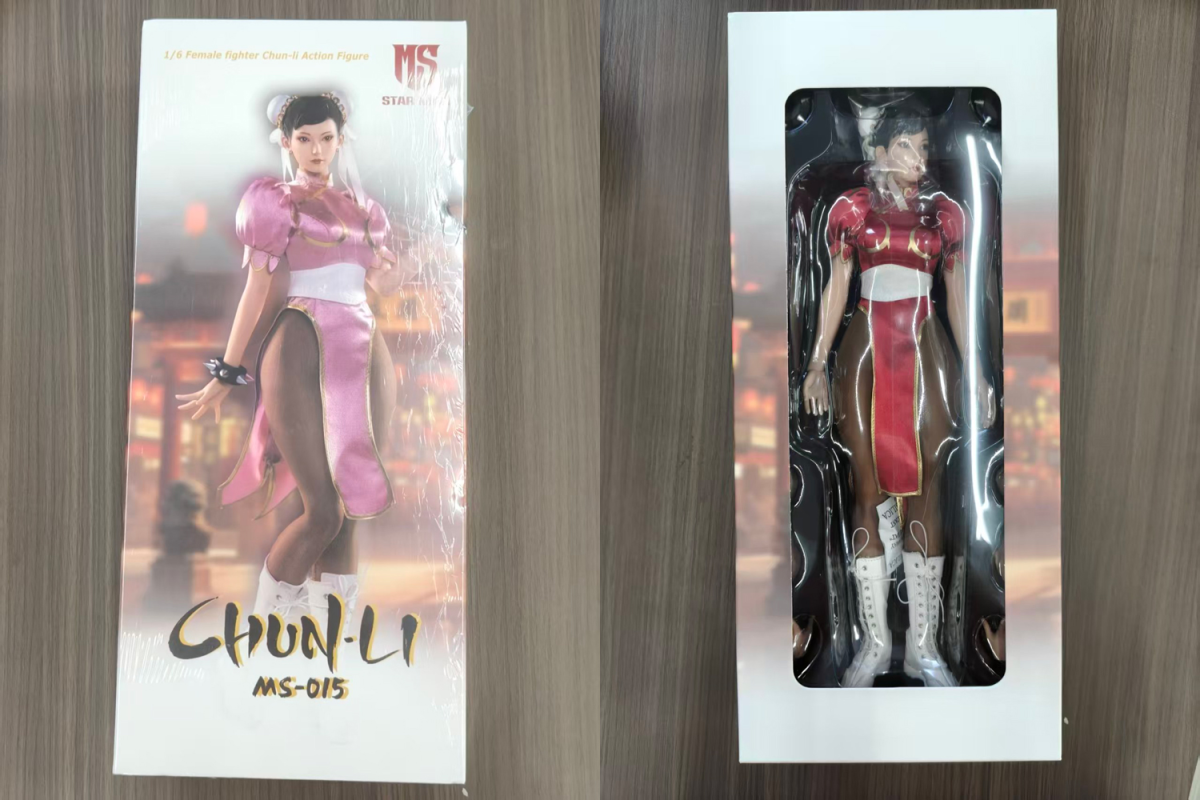
In recent years, the Content Overseas Distribution Association (CODA) has expanded the scope of its intellectual-property protection efforts. Its work is no longer limited to manga and video content, but now also targets counterfeit model kits, collectible figures, and other merchandise. This reflects a growing framework for cooperation between Japan’s public and private sectors, as well as an emerging national consensus that merchandise is an essential part of the broader IP ecosystem.
Even so, counterfeit goods continue to cross borders through e-commerce platforms. Manufacturing sites and warehouses are becoming more dispersed, while sellers constantly adapt their methods, making the trade difficult to eliminate entirely. For that reason, BANDAI SPIRITS believes that the industry cannot rely solely on a defensive strategy focused on removing counterfeits. It must also pursue proactive, innovative manufacturing that brings advanced technology to global markets and gives fans worldwide access to high-quality, authentic products and experiences.
A BANDAI SPIRITS intellectual-property representative added:
“We do not only manage our own IP. We also work with many external partners, obtaining permission to use their valuable IP in our business activities. Our purpose is to combine that IP with BANDAI’s distinctive technology and brand capabilities, create a wide variety of products for users to enjoy, and ultimately enhance the value of the IP itself. A defensive strategy that protects our partners’ valuable IP is just as important as proactive, innovative manufacturing that brings advanced technology to the world. We will continue to balance both priorities as we deliver the value of safe, reliable, and high-quality authentic products to fans worldwide.”
The three companies’ successful joint action against counterfeits marks an important example of industry cooperation, and networks spanning corporate boundaries are beginning to expand. Closer collaboration between companies could help protect the value of Japanese original IP while fostering a healthier market where fans around the world can enjoy the characters and works they love with greater confidence.
via: Oricon News