

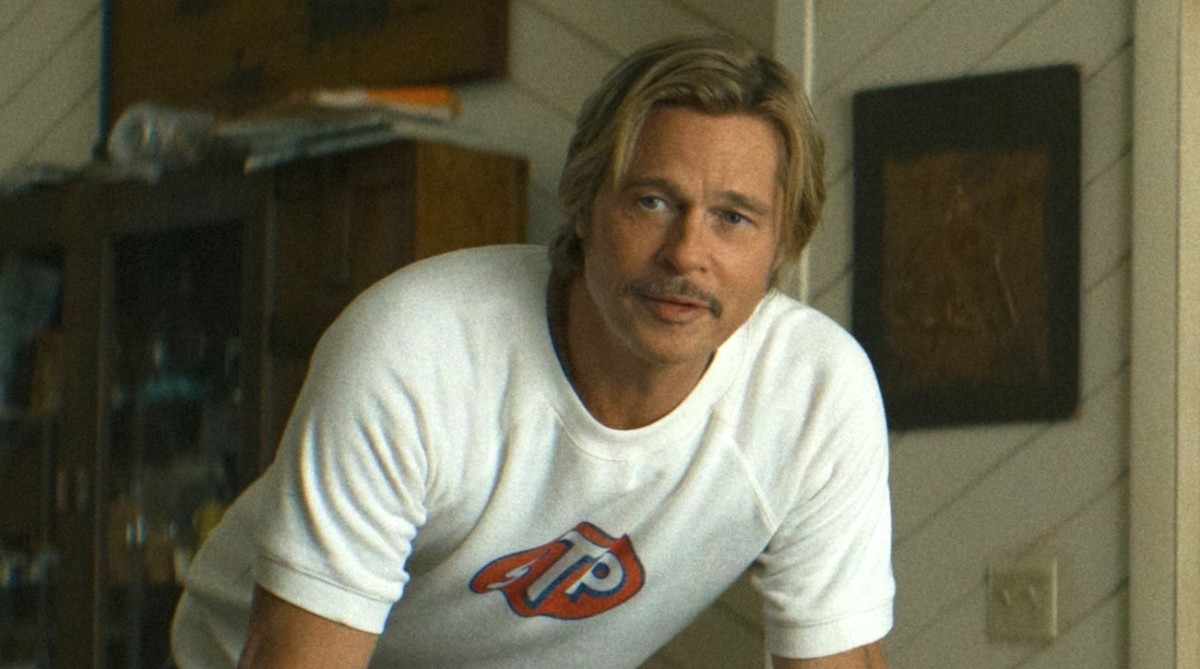
 (Image courtesy of Netflix)
"Once Upon a Time... in Hollywood" follow-up "The Further Mis-Adventures of Cliff Booth" recently came under fire after an American film critic called out what appeared to be glaringly obvious and poorly executed AI-generated imagery. The criticism quickly sparked an online backlash, but director David Fincher responded by arguing that since AI already exists, there is no reason filmmakers should not use it. Creative technology has always evolved, he added, and artists must learn to adapt.
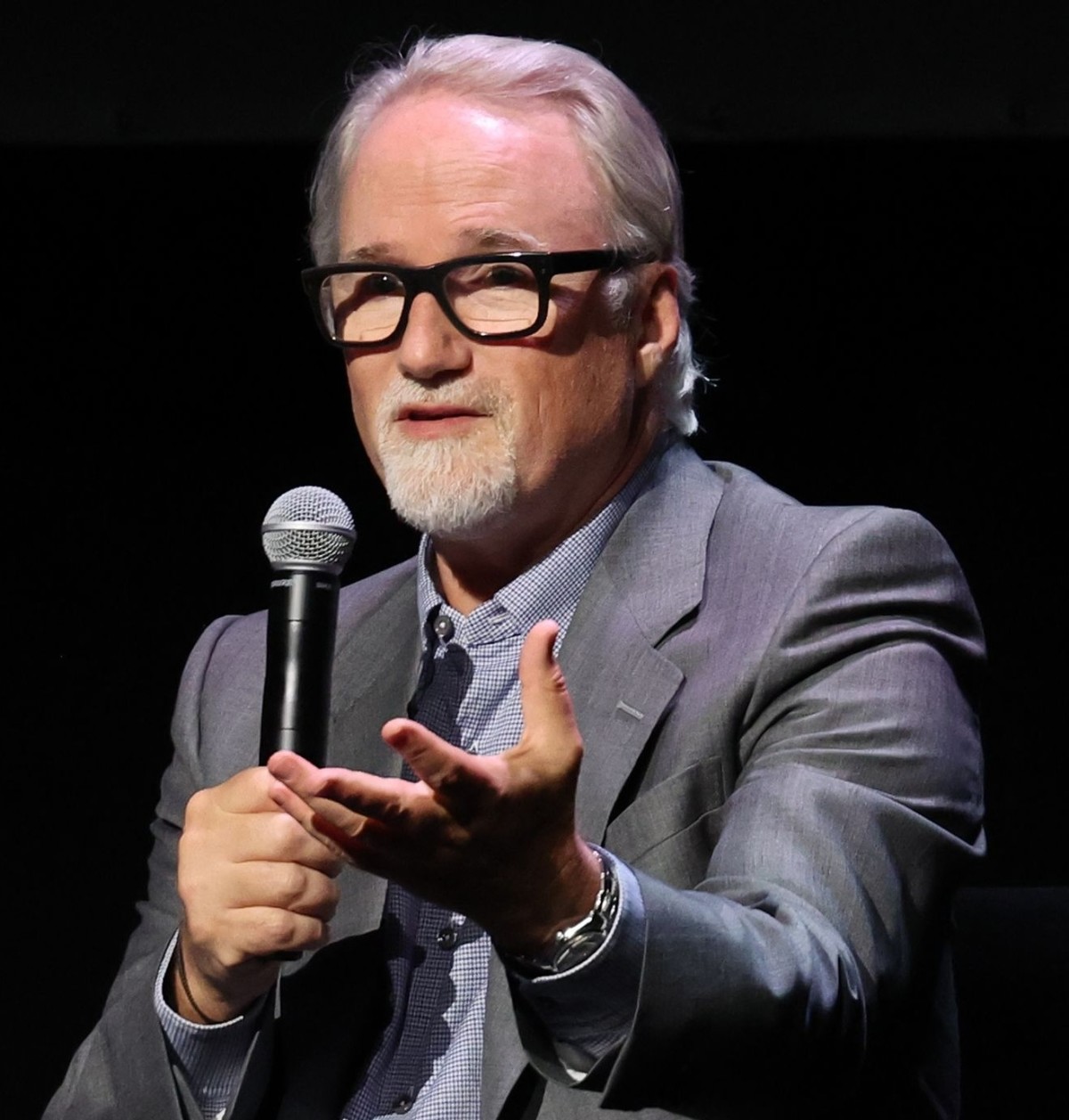
Following those comments, Fincher offered a more detailed explanation of exactly how he used AI during an appearance on The Big Picture podcast.
(Image courtesy of Pinterest)
Fincher said AI was used during the dialogue replacement process. Only about 5% of the work relied on traditional ADR, while AI handled much of the rest by adjusting the actors’ lip movements to match rerecorded lines. According to the director, the technology allowed the cast to complete the additional dialogue work in just four or five days.
Fincher described the process as liberating: "It feels incredibly freeing—like trying to approach everything as something completely malleable. We’re not carving the finished product out of a block of marble; we’re shaping it out of clay, if that makes sense. We gave ourselves the freedom to ask, ‘What works best visually? What sounds best?’ Then we didn’t have to fucking worry about how we would pull it off, because we knew we’d find a way. And in most cases, we did. A few shots still aren’t quite there yet, but they’re moving in the right direction. Everything will be ready by the time it arrives on Netflix."
 (Image courtesy of Pinterest)
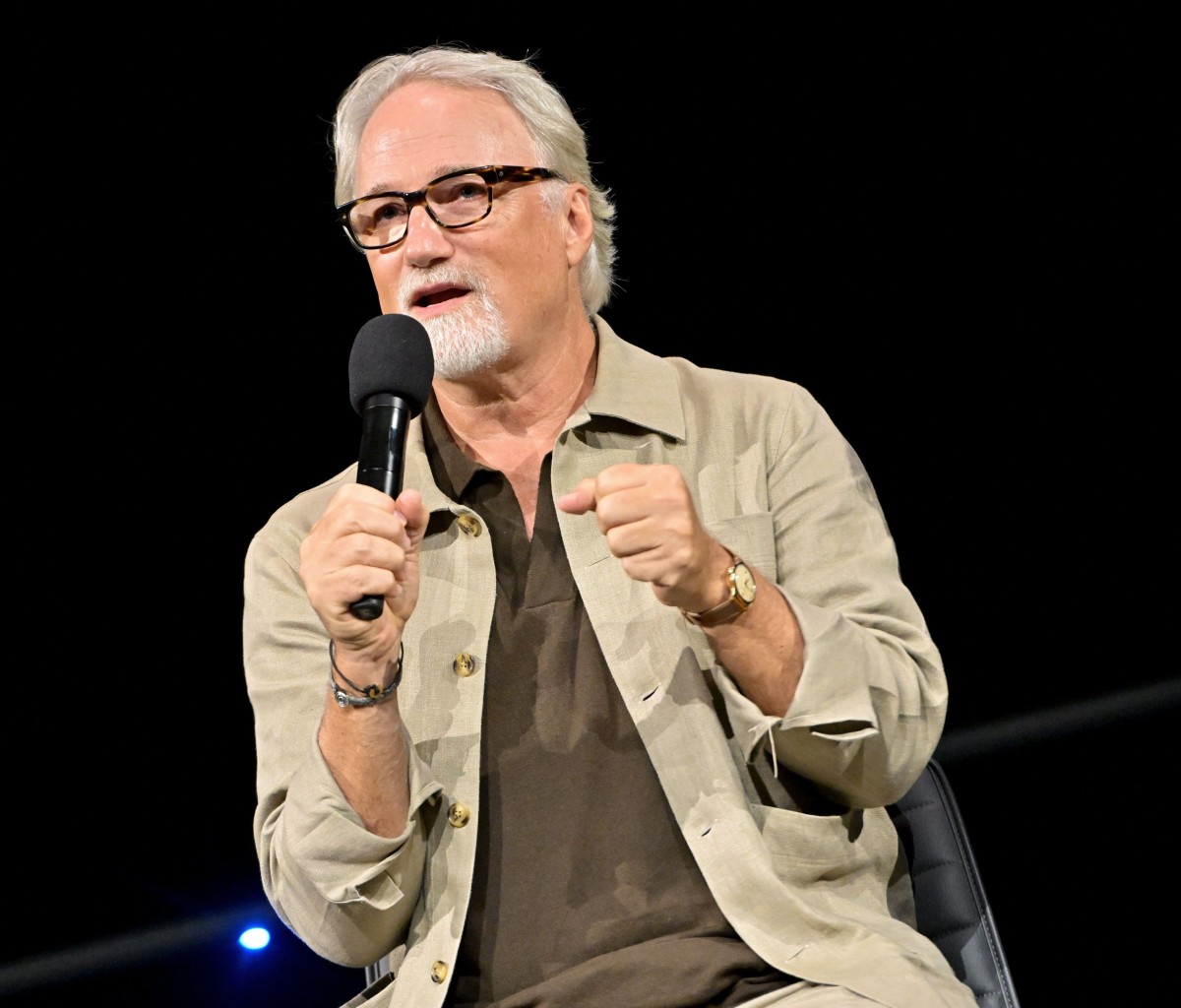
Fincher also argued that AI could let filmmakers concentrate on the parts of production that technology cannot replace while cutting down on the dozens of takes he is famous for shooting: "With AI, I won’t miss focus. I can nail the camera move and even make sure a strand of hair doesn’t fall directly across someone’s cornea. It will still be grounded in real human beings—the way people move through a set, how they tug at their pants before sitting down or take off a coat. All those authentic details will remain. The actors will just have to do it 15 times."
via: The Ringer