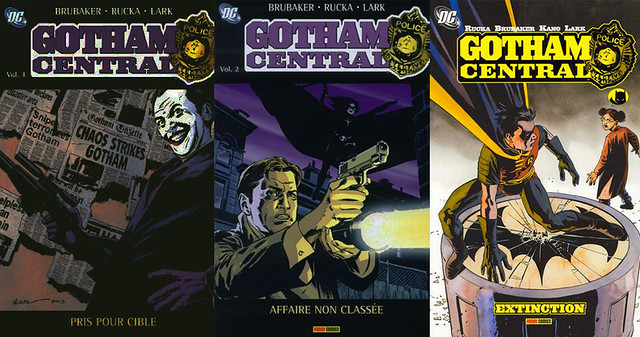
Have you seen the recently popular DC series, Gotham? It's set before Batman's debut, which makes it quite unique, as it allows us to witness the city's most corrupt side. Of course, the series makes many changes. In this article, I will compare the series' settings with the comics and explain the reasons behind these adaptations. However, I must first state that I genuinely find this series enjoyable, but I am concerned about its future prospects, and I will explain why here. 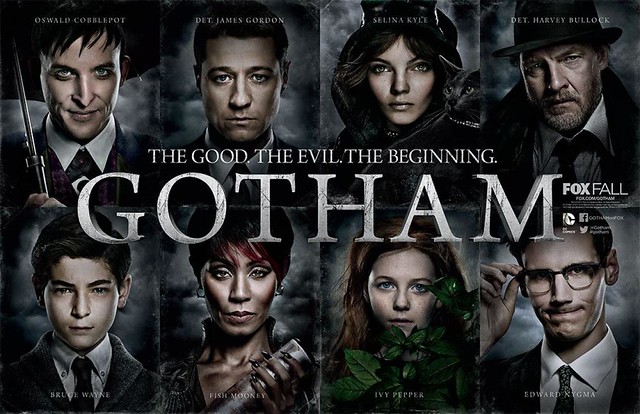
Let's start with the protagonist. James Gordon is the famous Commissioner Gordon of the future. In the comics, Gordon arrived in Gotham City in his middle age, while in the series, he is very young. The reason for this adaptation is that in the comics, Bruce was already an adult when Gordon arrived in Gotham, whereas in the series, Bruce is still a child. If we adjust the timeline, Gordon would naturally have to arrive in Gotham much younger. Some might ask why they didn't create a younger, original police officer. Since this series is standalone and not connected to other stories, it needs to feature well-known characters to engage the audience, and among good police officers, Gordon is the most famous. 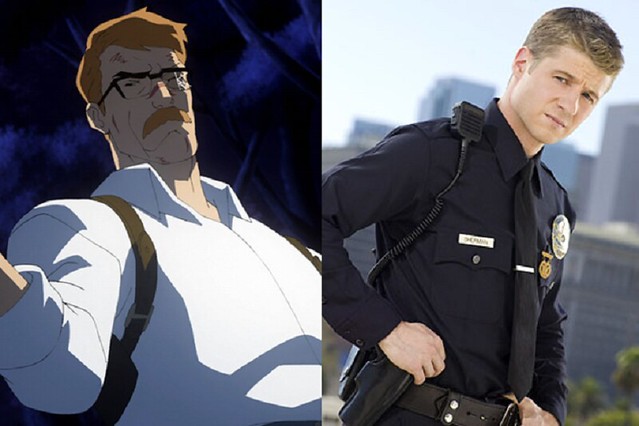
Furthermore, the writers also hoped to use Gordon's perspective as a good police officer to narrate how he would later reform Gotham City as commissioner, and to have him interact with a young Bruce Wayne, laying the foundation for why Bruce, when he grows up to become Batman, only trusts Gordon. Of course, this is another interpretation made by the series' production team to fit their adaptation, offering everyone a different possibility. After all, adaptation means presenting a different face while based on the original spirit; otherwise, it would be better to create an entirely new work or simply turn the comic content into a movie. 
Similarly, to ensure everyone knows this is a Batman brand, some series villains also appear in this show, such as young Poison Ivy and Catwoman, and younger Riddler and Penguin. However, before the supervillains emerge, Gotham's mob families, like Maroni and Falcone, are the primary antagonists in the series. Among them, Penguin can be considered another protagonist, as the series, defined as a prequel, naturally needs to show how he, originally a mob boss in the source material, struggles for power to become the new generation's boss. 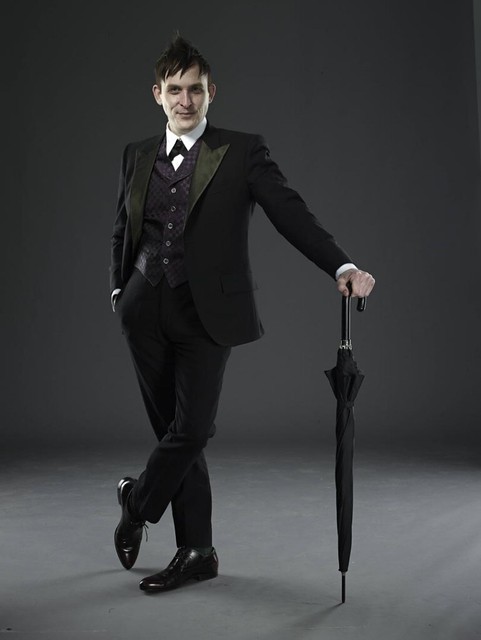
Of course, the show also needs some original characters to supplement and evolve the plot for characters with established backstories in the original work. For example, Penguin's former direct boss, Fish Mooney, is an original character unique to the series, playing a crucial role in the adapted narrative. Penguin works under her and is betrayed by her, leading him to attempt to instigate a gang war to seize power. Almost every emotional change related to Penguin is connected to her. Her name contains "Fish," which makes me imagine him saying, "Penguins always eat fish," when he defeats her. 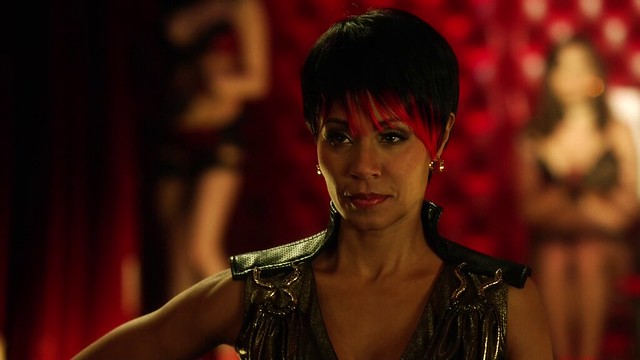
Now, let me explain why I find this series enjoyable but am not optimistic about its future. If you think about it carefully, although it portrays Gotham City's unique culture of police corruption, if you remove the settings of the Batman series characters, it's essentially no different from a typical police and gangster drama. For instance, if it weren't Gordon solving cases and Penguin orchestrating gang wars, you wouldn't feel like this is a Batman brand. And if it weren't a Batman brand, the level of public attention wouldn't be as significant.
Furthermore, this is also why some Batman villains are much older than Bruce in this series. For example, if Penguin were a child, his desire for power couldn't be highlighted. And if all the villains were the same age as Bruce, the entire series would only have two detectives, Gordon and Harvey, as the main Batman characters, since everyone else would still be children. How could they advance the plot? 
Continuing with the reasons for my lack of optimism, this series itself references comic series. DC has published many comic runs featuring the Gotham City police as protagonists because Gotham City is DC's most corrupt city, with the most mentally deranged criminals. Additionally, Batman is a vigilante, unlike heroes such as Superman whose actions are legally sanctioned.
Of course, Gotham City's ecosystem necessitates Batman's actions. Therefore, how police cooperate with Batman while avoiding legal constraints, and how these frontline guardians, without high-tech weapons or superpowers, confront supervillains, and how the law applies to super-powered individuals—this exploration of a super-powered society from the perspective of ordinary police officers is the reason for this comic's success and what distinguishes it from other police works. The comic writers are also often the ones who write scripts for police dramas. 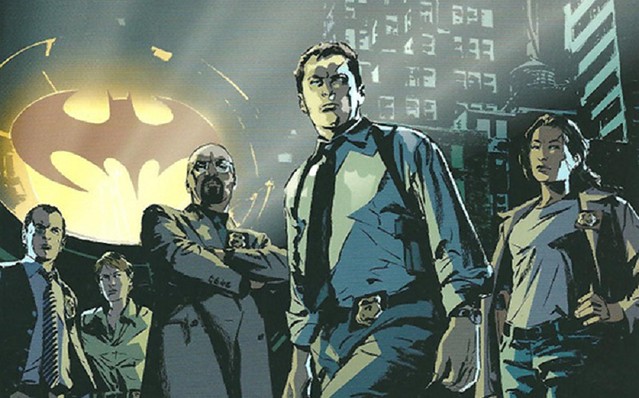
Originally, the Gotham series was meant to adapt this model, thinking that S.H.I.E.L.D. agents, not being police but a high-tech secret organization, could make this distinction. It could even make audiences realize how ordinary people live in a city with superheroes and supervillains, especially with lunatics like the Joker, whom they don't even know how to prevent. After all, superpowers are visible to the naked eye, and appropriate armaments can be equipped, but you cannot predict what a mentally abnormal person is thinking; they are simply impossible to guard against. However, the original production team later disbanded unhappily, and it was changed to its current form. But I must say, if it had been adapted to the comic version, I would not be pessimistic, not because I am a comic fan, but because police dramas, like superhero themes, explore social issues. If they cannot be innovative, they can easily be defeated by more distinctive series of the same type. Gotham's only unique feature is its Batman series characters; once audiences move beyond this setting, they can easily get tired of it.