


"Batman v Superman: Dawn of Justice" is set to premiere next week, and one of its central themes is the showdown between Batman and Superman. However, this isn't the first time these two great heroes have clashed. Throughout comic history, there have been numerousconflicts. Today, we'll compile a list, examining the reasons behind each confrontation and their impact. Furthermore, the three stories I'm introducing are confirmed to have influenced the mindset of their respective duels. 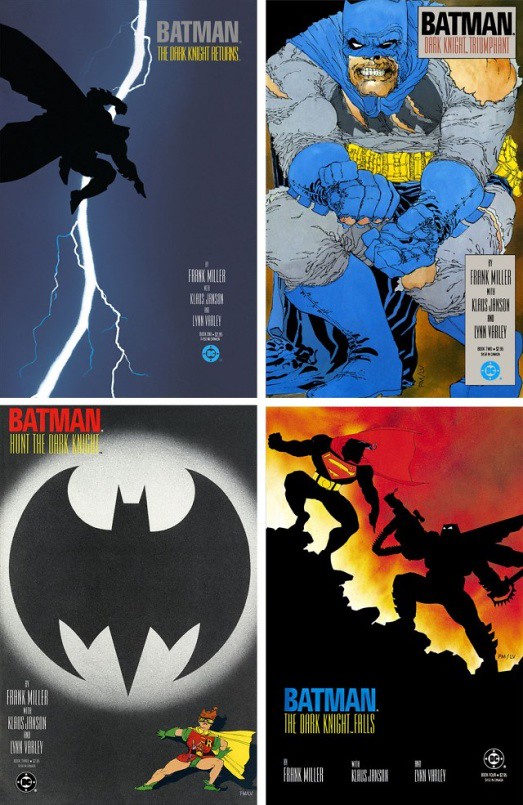
"The Dark Knight Returns" is the first story where the two heroes clash not because they were brainwashed or forced, but genuinely due to differing ideologies, leading to a confrontation between the two titans. In this world, Batman retired from his crime-fighting career after Robin's death, but ultimately returned due to the persistently high crime rate. However, the government was displeased with Batman's methods and dispatched Superman, who was loyal to the government, to confront him.
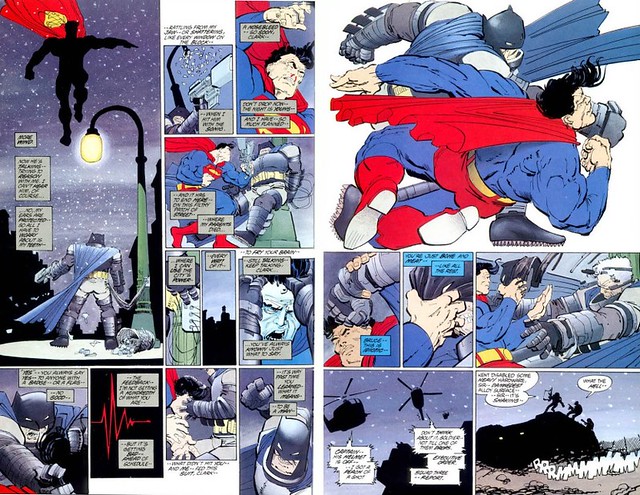
Ultimately, Batman faked his death, leading the government to believe Superman had killed him. In reality, he had formed an underground resistance, preparing to overthrow the government and rescue many metahumans. The story continues with "The Dark Knight Strikes Again" and a third installment. Furthermore, "The Dark Knight Returns" is a comic by Frank Miller; the animated film is merely an adaptation, and filmmakers including Tim Burton and Nolan have all referenced this comic for their cinematic styles.
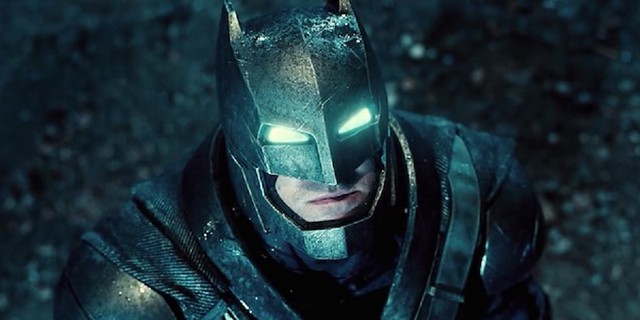
This story provides the most elements for the film's adaptation, such as Batman's armored suit against Superman. Additionally, when the production team initially decided to tackle the Batman vs. Superman theme, they opened their San Diego Comic-Con presentation with a classic Batman line from this very story, clearly indicating that this narrative is the primary source of adaptation.
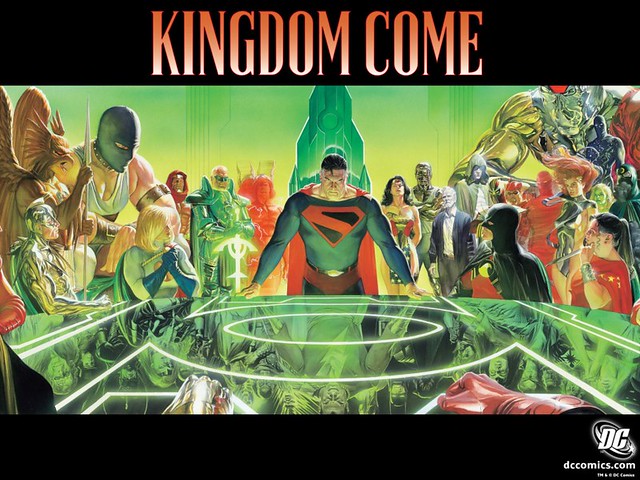
"Kingdom Come" is a story with strong religious undertones, viewing superheroes from the perspective of a pastor. Thus, metahumans with extraordinary powers are depicted either as savior-like gods or destructive demons within this narrative. It begins with Superman's wife, Lois Lane, being murdered by the Joker. Before her death, Lois implored her enraged husband not to break his vows, reminding him that he is Superman, a role model. However, an anti-hero suddenly appears and kills the Joker, an act widely supported by society, leading to Superman's retirement and other prominent heroes gradually receding into the background.
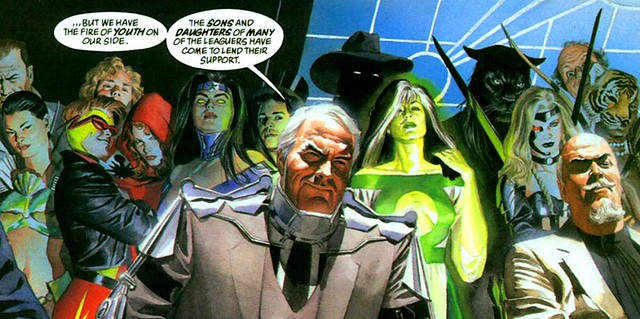
Without moral exemplars like Superman among the heroes, and with society supporting the killing of villains, the younger generation of metahumans believed they could mete out vigilante justice against anyone they deemed evil, losing respect for the sanctity of life. This only changed when Superman returned, gathering retired heroes and metahumans aspiring to be righteous heroes to form a new Justice League. However, Batman opposed rejoining the League, believing that Superman's approach of assembling heroes into a large army would only make people more fearful that the unity of metahumans would lead to global destruction.
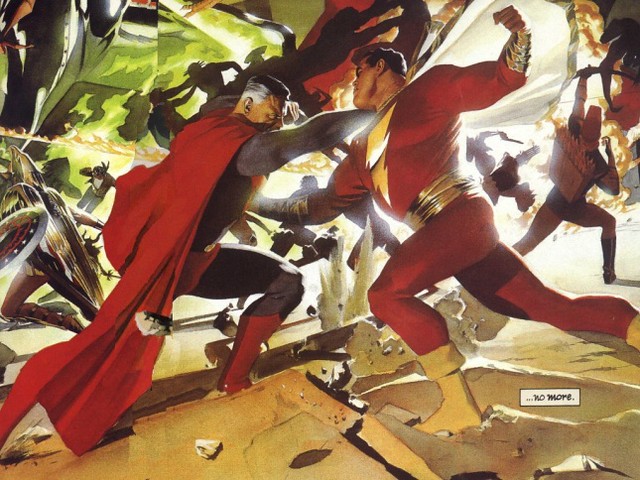
Thus, this story expands the scope of the Superman vs. Batman conflict to the entire DC Universe, revealing which heroes support Superman and which support Batman. Their ideological clash this time is rooted in their differing perceptions of how ordinary people view metahumans. Batman believes that ordinary people are deeply afraid of super-powered individuals, yet he overlooks the past trust built through cooperation with metahumans; Superman, on the other hand, believes that the old-fashioned approach of heroes uniting and cooperating can restore public confidence, yet he overlooks their fear of superpowers.
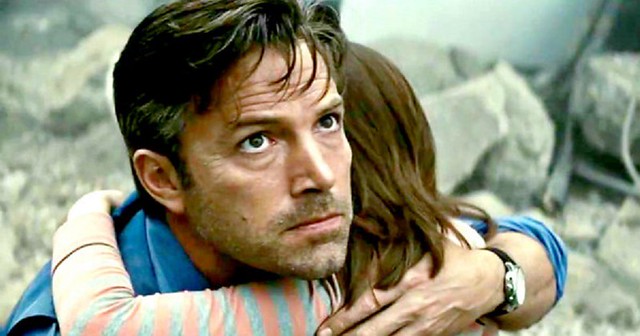
In the film, Batman and many citizens distrust Superman because his power is too immense, having destroyed Metropolis and caused significant casualties. Batman's line, stating that if there's even a 1% chance, Superman should be considered an enemy, further echoes the mindset of Batman in "Kingdom Come."
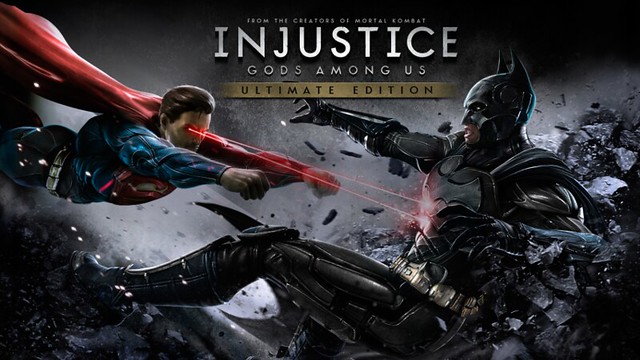
The final story to be introduced is the "Injustice" video game series. This narrative combines elements from both "Kingdom Come" and "The Dark Knight Returns." The plot describes how the Joker uses Scarecrow's fear toxin to make Superman perceive Lois Lane as Doomsday, the monster that once killed him. In an attempt to protect Lois and their unborn child, Superman grabs "Doomsday" and flies out of the atmosphere, inadvertently killing Lois and their two children.
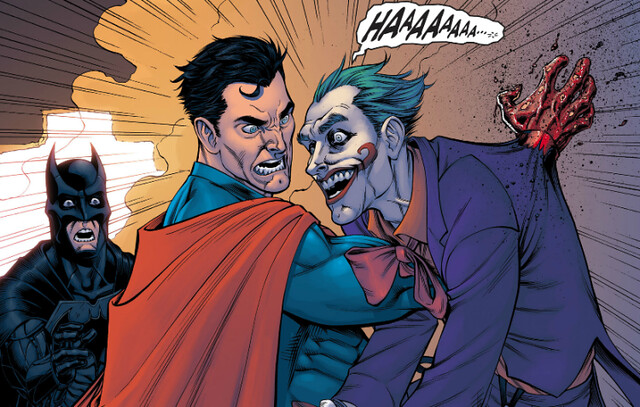
Superman's rage leads him to kill the Joker in front of Batman, and he begins to establish an army, ushering the world into his dictatorial peace. Batman, in turn, forms a resistance to oppose him. During this process, Superman deviates further and further, even killing Green Arrow, who represents humanity in the superhero community. From then on, Superman has fallen into tyranny. In the midst of this, the magical, divine, and villainous factions of the DC Universe also begin to take sides, and the prequel comics even offer the perspective of the people, showing how they came to accept and oppose the Superman they once saw as a savior.
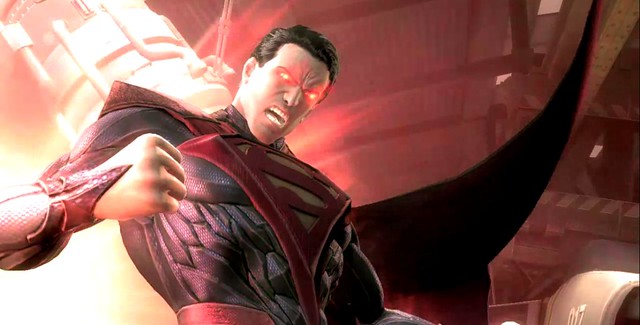
This story highlights Lois Lane as the cornerstone of Superman's humanity, Green Arrow as the standard of his humanity, and Batman as the safeguard preventing Superman from crossing moral lines. One might wonder why, despite Lois Lane being killed by the Joker in both stories, Superman becomes a tyrant in "Injustice" but not in "Kingdom Come." The main difference is that in "Injustice," Lois Lane was inadvertently killed by Superman himself, leading to a profound sense of guilt. This guilt drives Superman to protect the populace through extreme measures, thus forming a dictatorial regime. In "Kingdom Come," Lois Lane, before her death, begged Superman not to kill, and she was not killed by Superman's own hand.
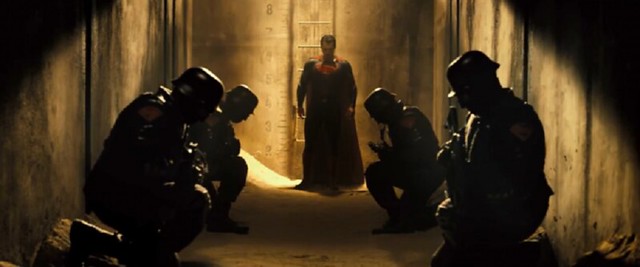
As for the elements from this game referenced in the film, I believe there's a scene in the trailer that looks like the end of the world, with Superman descending and a multitude of soldiers kneeling before him. This is a clear reference to Superman's dictatorial regime from this story, even down to the identical armored suits of those dictatorial soldiers.
Further Reading:
Screen Fandom
>>> Click here for more 'Batman' themed toys and related reports!!!
>>> Click here for more 'Superman' themed toys and related reports!!!